

Peel-off masks offer a uniquely satisfying experience in any skincare routine, culminating in that gratifying moment of lifting away the film to reveal what feels like a fresh canvas. The ritual itself can feel like a mini-reset for your skin, leaving it looking clarified and smooth. However, to get the most out of these masks and ensure the experience is beneficial rather than bothersome, mastering the correct technique for application and removal is key. Done correctly, a peel-off mask can be a wonderful tool for a quick complexion boost.
What Are Peel-Off Masks and How Do They Work?
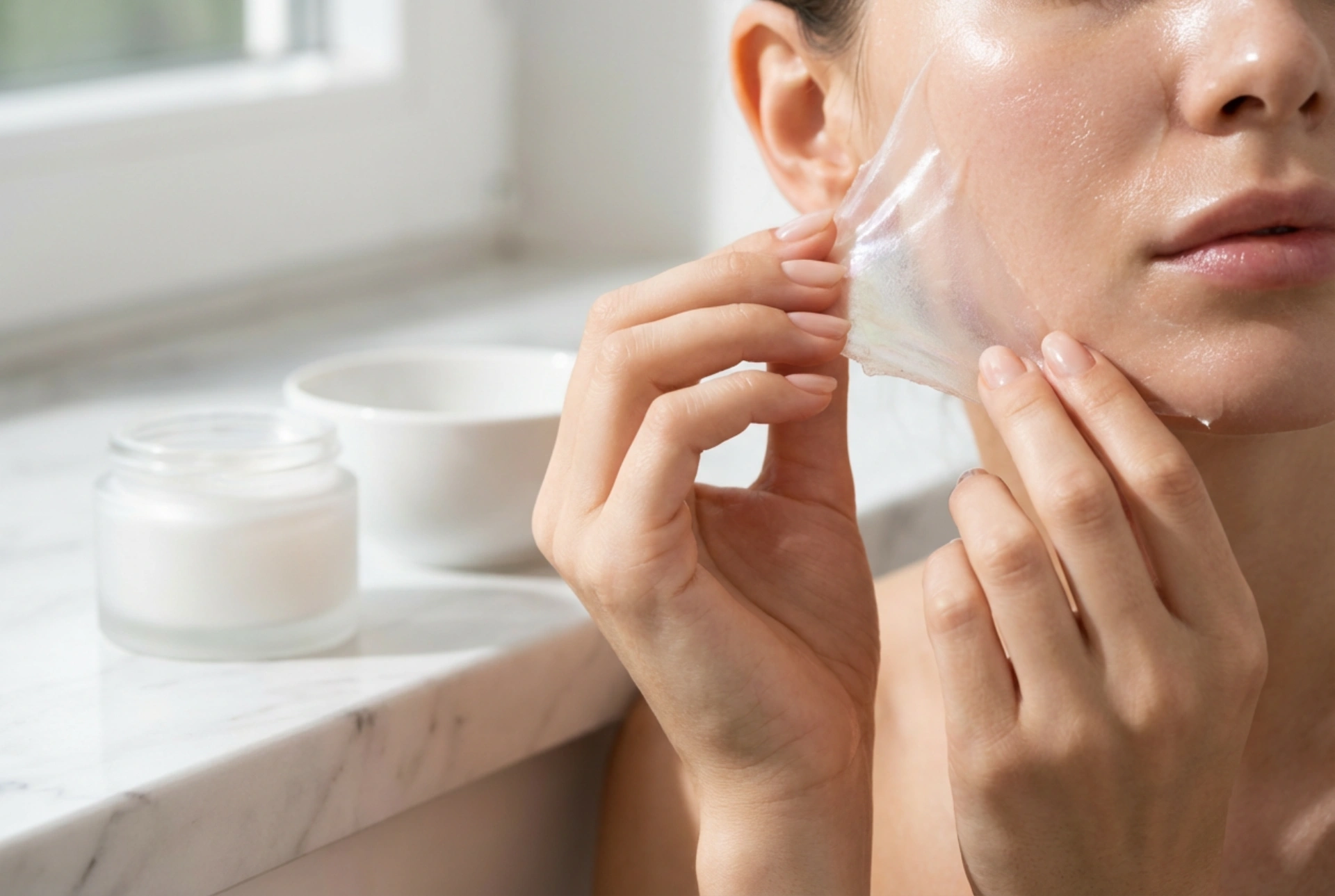
Peel-off masks are typically gel or cream-based formulas that you apply to the skin in a liquid form. As they dry, they form a thin, rubbery film that conforms to the contours of your face. The primary function of a peel-off mask is a form of gentle physical exfoliation. As you peel the mask away, it lifts with it dead skin cells, surface-level dirt, and excess oil that can clog pores and dull the complexion. This process can help to make the skin's surface appear smoother and more refined, and can leave pores looking temporarily smaller and cleaner. Depending on their ingredients, they can also offer secondary benefits like hydration or brightening.
The Correct Way to Apply a Peel-Off Mask
Proper application is the foundation of a successful peel-off mask experience. An uneven or poorly applied layer can lead to a difficult and ineffective removal process. For best results, follow these steps systematically.
Preparation and Application Steps
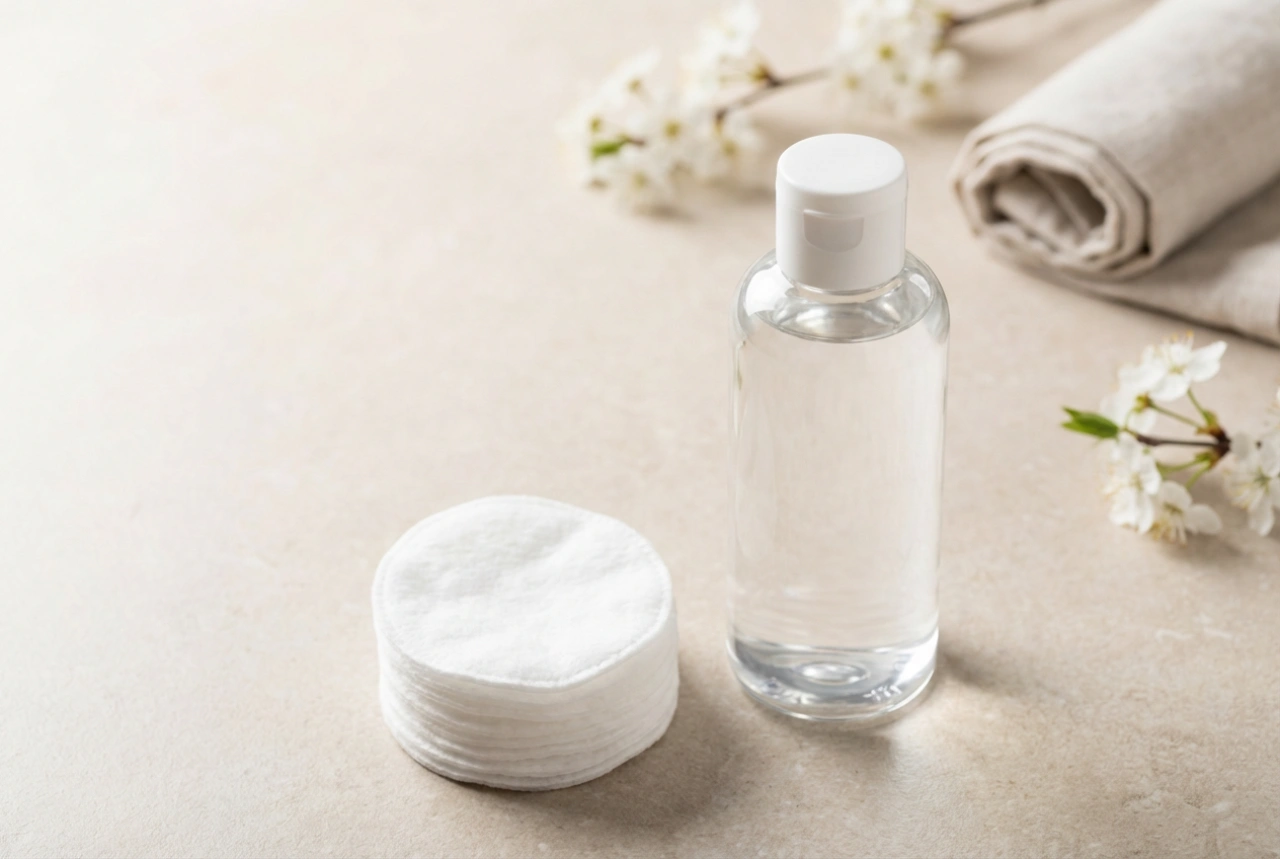
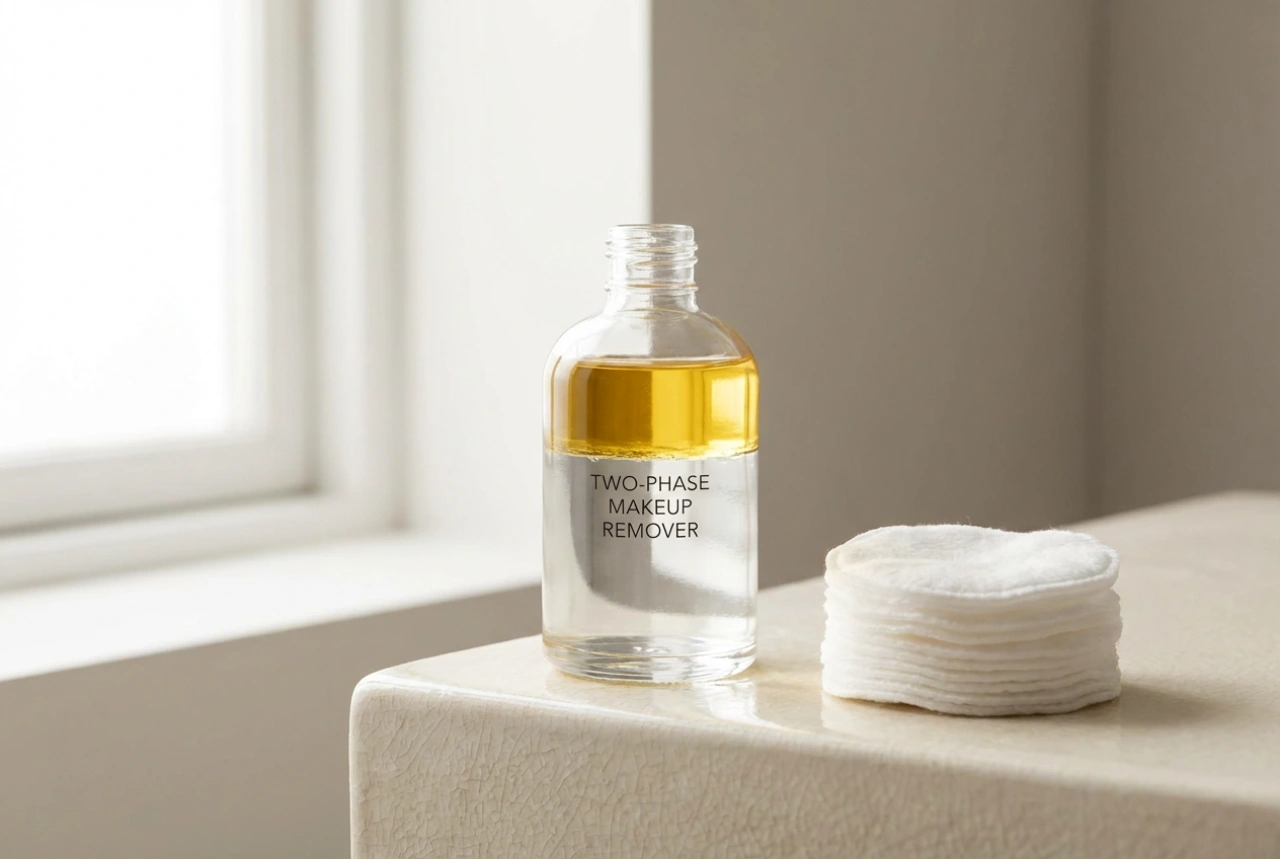
- Start with a Clean Face: Always begin by thoroughly cleansing your skin to remove makeup, dirt, and oil. Pat your face completely dry with a soft towel. A clean surface ensures the mask adheres directly to your skin and not to a layer of grime.
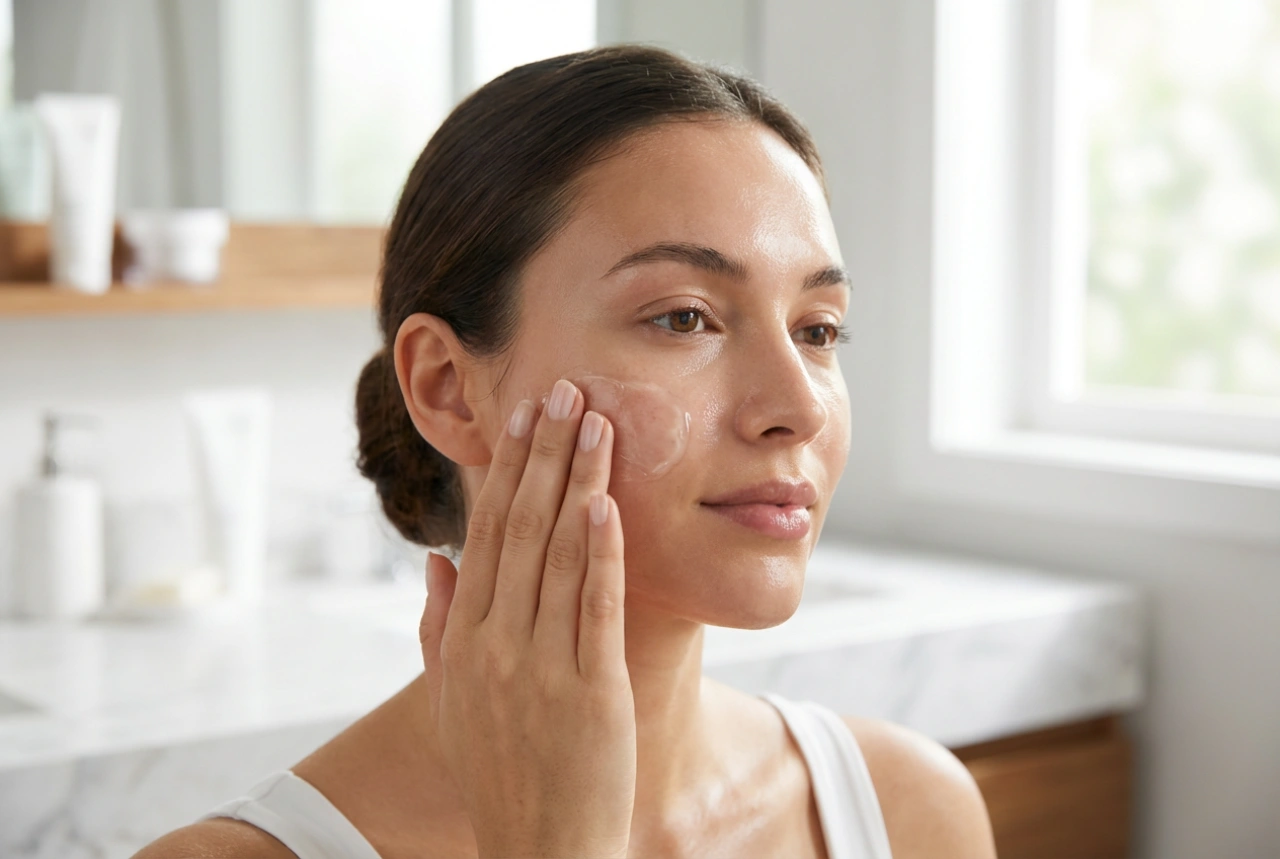
- Apply an Even Layer: Squeeze a generous amount of the product onto your fingertips or a clean mask applicator. Spread it evenly across your face, focusing on creating a consistent, opaque layer. Pay special attention to covering the T-zone (forehead, nose, and chin) if that is where you experience more oiliness or clogged pores.
- Avoid Sensitive Areas: Be very careful to avoid applying the mask to your eyebrows, hairline, lips, and the delicate skin around your eyes. The mask can adhere strongly to hair, making removal uncomfortable.
- Let It Dry Completely: This is a crucial step. Patience is key. The mask must be fully dry to the touch before you attempt to remove it. This typically takes around 15-25 minutes, depending on the thickness of the layer and the specific product formula. If it’s still tacky, it won’t peel off in one piece.
The Gentle Art of Removing a Peel-Off Mask
Removing the mask correctly is just as important as applying it. The goal is to peel it off gently without pulling or stressing your skin. A rough removal can cause redness and irritation. Start by gently loosening the edges of the mask, usually beginning at the chin, jawline, or forehead. Once you have a good grip on an edge, begin to peel it away from your skin slowly and steadily. Try to peel it in an upward or downward motion rather than pulling it straight out. If you've applied an even layer, it should come off in one or a few large pieces. If you find any small remaining bits, do not scrub or pick at them. Instead, gently remove them with a warm, damp washcloth. After removal, it's a good idea to rinse your face with lukewarm water and follow up with your favourite toner and moisturiser to soothe and hydrate the skin.
Common Mistakes to Avoid
To ensure your skin benefits from the treatment, be mindful of these common pitfalls. Avoiding them will help prevent irritation and maximise the positive effects of your mask.
- Applying Too Thin a Layer: A layer that is too thin will be difficult to peel and may break into tiny pieces, making removal frustrating.
- Applying Too Thick a Layer: A very thick layer will take a very long time to dry and may not dry evenly, resulting in a messy removal.
- Leaving It On for Too Long: Over-drying the mask can make it adhere too strongly to the skin, potentially causing irritation upon removal. Stick to the recommended time on the product's instructions.
- Pulling Too Quickly or Aggressively: This is the most common cause of redness and sensitivity after using a peel-off mask. Always be gentle and peel slowly.
- Using on Compromised Skin: Never apply a peel-off mask to sunburnt, broken, or highly sensitive skin. This can exacerbate existing irritation and cause discomfort.