

Achieving a radiant, glowing complexion is a common skincare goal, and vitamin C is often hailed as a star ingredient for this purpose. A vitamin C face mask can be a wonderful addition to your beauty ritual, offering a concentrated dose of this powerful antioxidant. However, to truly reap its benefits and sidestep potential irritation, it's essential to use it correctly. Understanding the right approach will help you make the most of your mask and support your skin's natural brightness.
Understanding Vitamin C in Skincare
Vitamin C is a potent antioxidant that helps protect the skin from environmental stressors. In skincare, it's known for its ability to promote a brighter, more even-toned appearance. It comes in various forms, with L-ascorbic acid being the purest and most potent, but other derivatives like sodium ascorbyl phosphate or magnesium ascorbyl phosphate are often used in formulations as they can be gentler and more stable. When used in a mask, vitamin C works to revitalise the skin's surface, leaving it looking refreshed and luminous. The key is to find a formulation that suits your skin type and to use it as part of a considered routine.
Preparing Your Skin for a Vitamin C Mask
Proper preparation is crucial for maximising the effects of any face mask, especially one with active ingredients. Applying a mask to unprepared skin can hinder absorption and may not deliver the desired results.
1. Cleanse Thoroughly
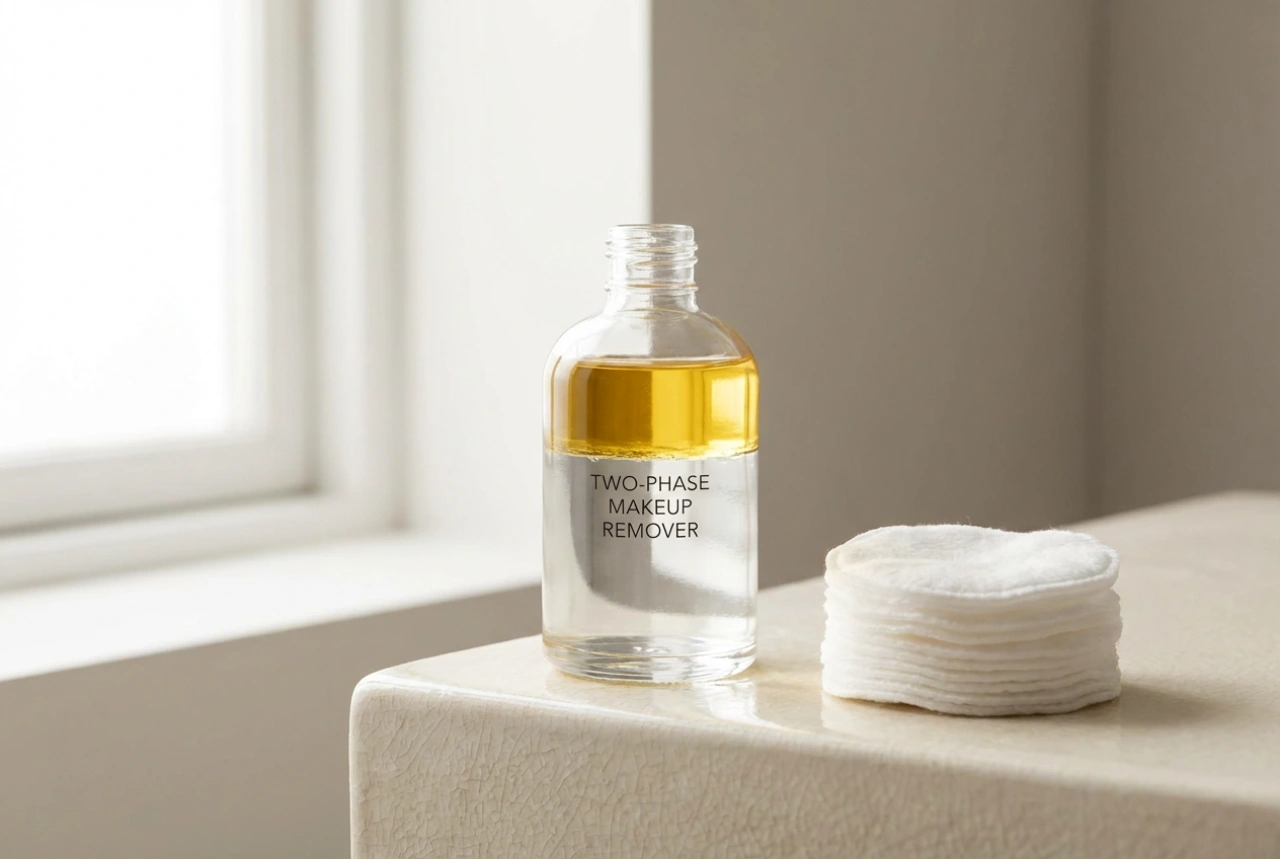
Always start with a clean canvas. Use a gentle cleanser to remove all traces of makeup, dirt, and excess oil from your skin. This ensures that there is no barrier preventing the mask's ingredients from penetrating the skin effectively. Pat your skin dry with a soft towel; avoid rubbing, which can cause unnecessary friction and sensitivity.
2. Consider Gentle Exfoliation
For an extra boost, you might consider light exfoliation before applying your mask. Removing dead skin cells can help the vitamin C absorb more evenly. However, be cautious. If you have sensitive skin, or if the vitamin C mask itself has exfoliating properties, it's best to skip this step to avoid over-processing your skin. If you do exfoliate, opt for a very mild scrub or a low-concentration chemical exfoliant and never try a new exfoliant and a new mask on the same day.
3. Always Patch Test
Before applying a new vitamin C mask to your entire face, perform a patch test. Apply a small amount of the product to a discreet area of skin, such as behind your ear or on your inner arm. Wait 24 hours to see if any signs of redness, itching, or irritation develop. This simple step is vital for preventing a widespread adverse reaction, especially since vitamin C can be a potent active ingredient.
Maximising Benefits and Post-Mask Care
Once your skin is prepped, you're ready to apply the mask. The steps you take during and after are just as important as the preparation.
Application and Timing
Using a clean brush or your fingertips, apply an even, opaque layer of the mask to your face and neck, carefully avoiding the delicate skin around your eyes and lips. The most common mistake is leaving a mask on for too long, thinking it will enhance the effects. This is incorrect and can lead to dryness and irritation. Always adhere to the recommended time on the product's packaging, which is typically between 10 and 20 minutes.
Rinsing and Follow-Up
When the time is up, rinse the mask off thoroughly with lukewarm water. Avoid hot water, as it can strip the skin of its natural oils. Gently pat your skin dry. Afterwards, your skin is primed to absorb subsequent products. This is the perfect time to apply a hydrating serum, perhaps one containing hyaluronic acid, to replenish moisture. Follow up with your favourite moisturiser to seal in all the benefits and keep your skin hydrated and comfortable.
The Crucial Role of Sunscreen
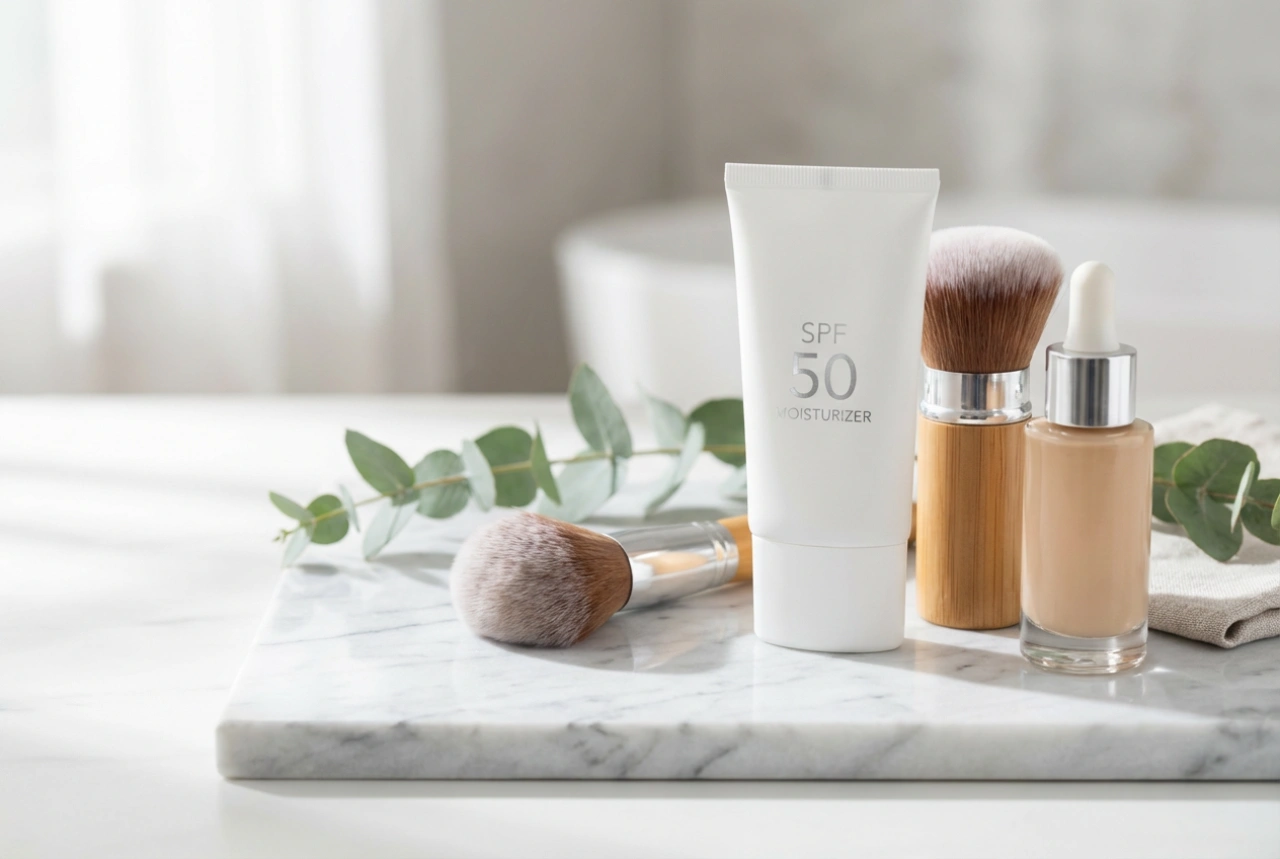
After using a vitamin C product, your skin can be more susceptible to sun damage. Therefore, protecting your skin is non-negotiable. The morning after using a vitamin C mask, and every day, be sure to apply a broad-spectrum sunscreen with a high SPF. This protects your skin from UV rays and helps preserve the brightening results you're working to achieve.
Common Mistakes and Tips for Sensitive Skin
To ensure a positive experience, be aware of common pitfalls. Overusing vitamin C masks—more than once or twice a week—can sensitise the skin. It's also wise to avoid using other strong active ingredients, like high-strength retinoids or exfoliating acids, in the same routine as your mask unless you are confident your skin can tolerate it. Also, pay attention to the product's stability. Vitamin C can degrade when exposed to air and light, often turning a brownish colour. Store your mask in a cool, dark place and respect its expiry date to ensure it remains effective and safe to use. For those with sensitive skin, look for masks with gentler vitamin C derivatives, use them less frequently, and never skip the patch test. Listening to your skin is always the best policy.