

The feeling of tight, dry skin is a common concern that can leave your complexion looking dull and feeling uncomfortable. The key to restoring suppleness and a healthy glow often lies in effective hydration. An intensely moisturising face cream can be a true saviour, replenishing lost moisture and strengthening the skin's natural barrier. However, the benefits of even the best formula can be enhanced or diminished by how you apply it. Understanding the right technique ensures you get the most out of your skincare product, transforming your routine into a revitalising ritual.
Understanding the Causes of Dehydrated Skin
Before diving into solutions, it's helpful to know why skin becomes dehydrated in the first place. Dehydration is a condition where the skin lacks water, which is different from being naturally dry (lacking oil). Several factors can contribute to this:
- Environmental Factors: Exposure to sun, wind, cold air, and low humidity can draw moisture away from the skin. Similarly, indoor environments with central heating or air conditioning can have a significant drying effect.
- Harsh Skincare Products: Cleansers that are too strong can strip the skin of its natural oils, compromising its protective barrier and leading to moisture loss. Over-exfoliating can have a similar impact.
- Lifestyle Habits: Not drinking enough water throughout the day directly affects your skin's hydration levels. Long, hot showers can also strip the skin's moisture barrier.
- Natural Ageing: As we age, the skin's ability to produce natural moisturising factors, including hyaluronic acid, diminishes, making it more prone to dehydration.
Key Ingredients in an Intensely Hydrating Cream
When searching for a cream to combat dryness, the ingredients list is your best friend. Certain components are particularly effective at binding and retaining moisture in the skin. Look for formulas that include a combination of the following:
Humectants
These ingredients act like magnets, drawing water from the deeper layers of the skin and the environment into the epidermis. The most well-known humectants include:
- Hyaluronic Acid: Capable of holding up to 1000 times its weight in water, it provides powerful hydration and plumps the skin.
- Glycerine: A reliable and effective humectant that helps to keep the skin soft and supple.
Emollients
Emollients work by filling in the gaps between skin cells, creating a smoother surface. They soften and soothe the skin, improving its texture and flexibility. Examples include natural butters and oils like shea butter, cocoa butter, and various plant oils.
Occlusives
These ingredients form a physical barrier on the skin's surface to prevent transepidermal water loss (TEWL). They seal in moisture and protect the skin from external irritants. While some heavy occlusives can feel greasy, lighter versions are often incorporated into hydrating creams to lock in the benefits of the humectants and emollients.
The Art of Application: A Step-by-Step Guide
How you apply your moisturiser is just as important as the product itself. Follow these steps to maximise absorption and effectiveness.
Step 1: Start with a Clean Canvas
Always apply moisturiser to clean skin. Use a gentle, hydrating cleanser to wash your face, followed by patting it dry with a soft towel. Leave the skin slightly damp, as this helps the cream to lock in surface moisture more effectively. If you use a toner or serum, apply it before your cream.
Step 2: Use the Right Amount
A little goes a long way. A pea-sized or nickel-sized amount is typically sufficient for the entire face. Using too much product can lead to a greasy feeling and may not be fully absorbed.
Step 3: The Dotting Technique
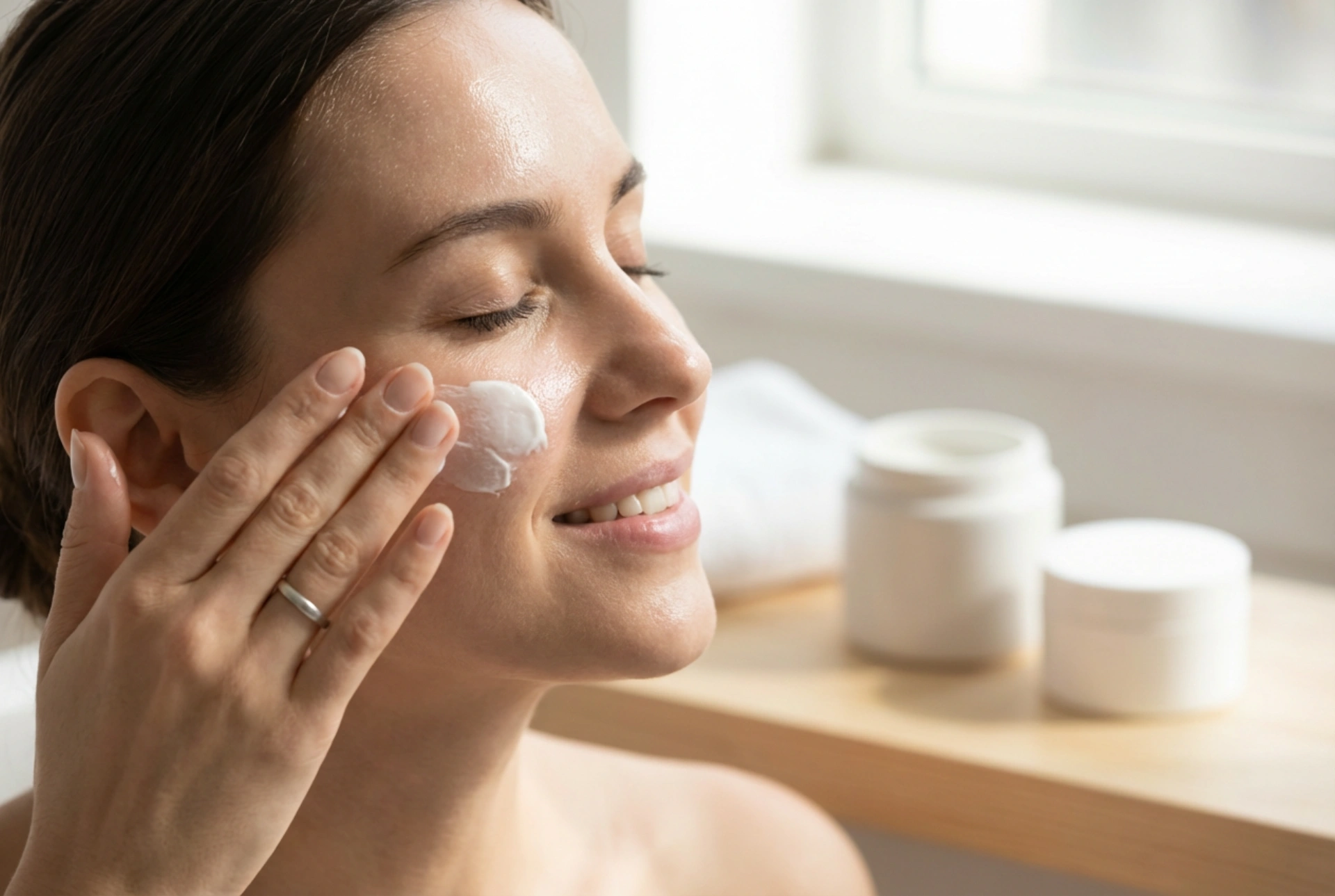
Instead of rubbing a large amount of cream between your palms and smearing it on, try the dotting method. Apply small dots of cream onto your forehead, cheeks, nose, and chin. This ensures a more even distribution of the product across your face.
Step 4: Gentle Massage for Absorption
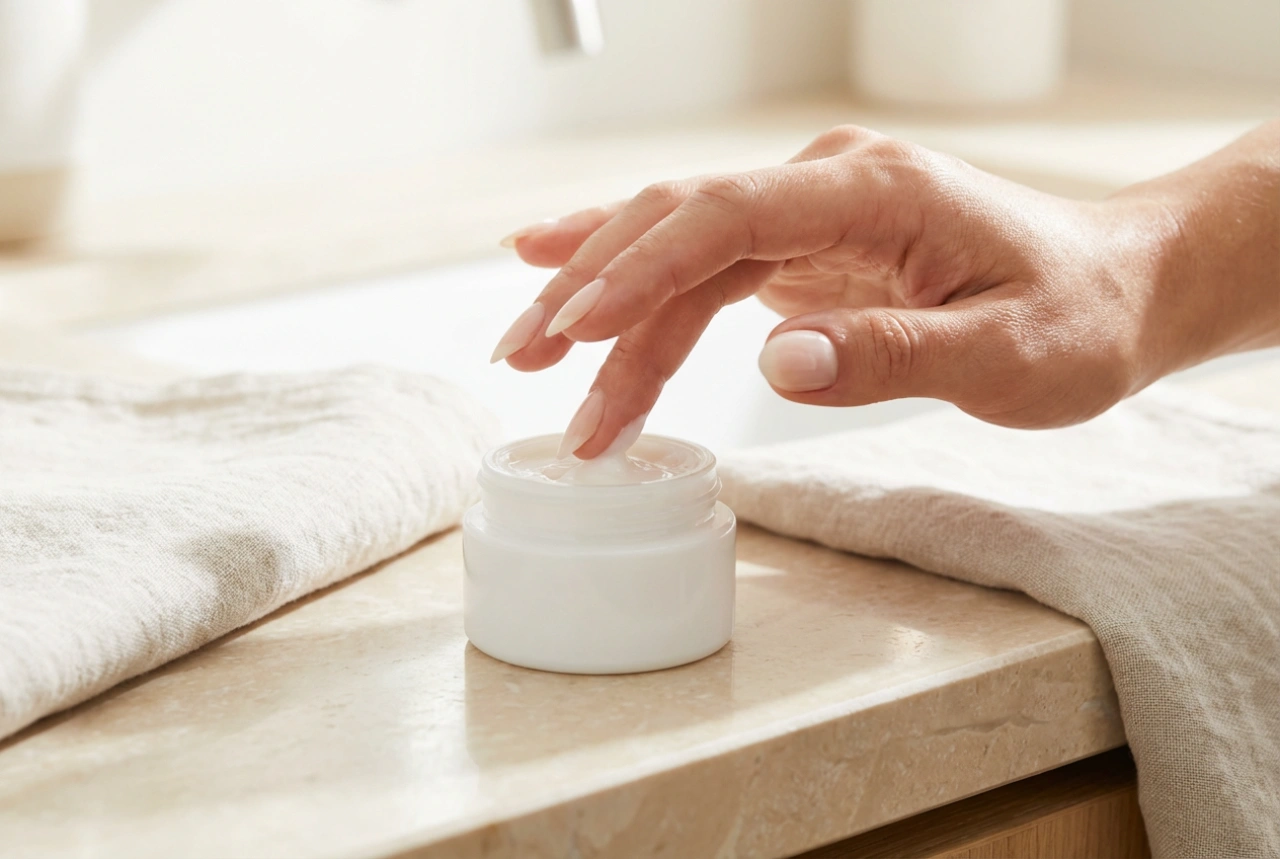
Using your fingertips, gently massage the cream into your skin using upward and outward circular motions. This technique not only helps the product absorb but also stimulates blood circulation, which can contribute to a healthier-looking complexion. Be especially gentle around the delicate eye area, using your ring finger to lightly tap the product in.
Step 5: Don't Forget the Neck and Décolletage
The skin on your neck and chest is just as delicate as the skin on your face and is often one of the first areas to show signs of dryness and ageing. Extend your application down to your neck and décolletage, using gentle, upward strokes to apply the cream.