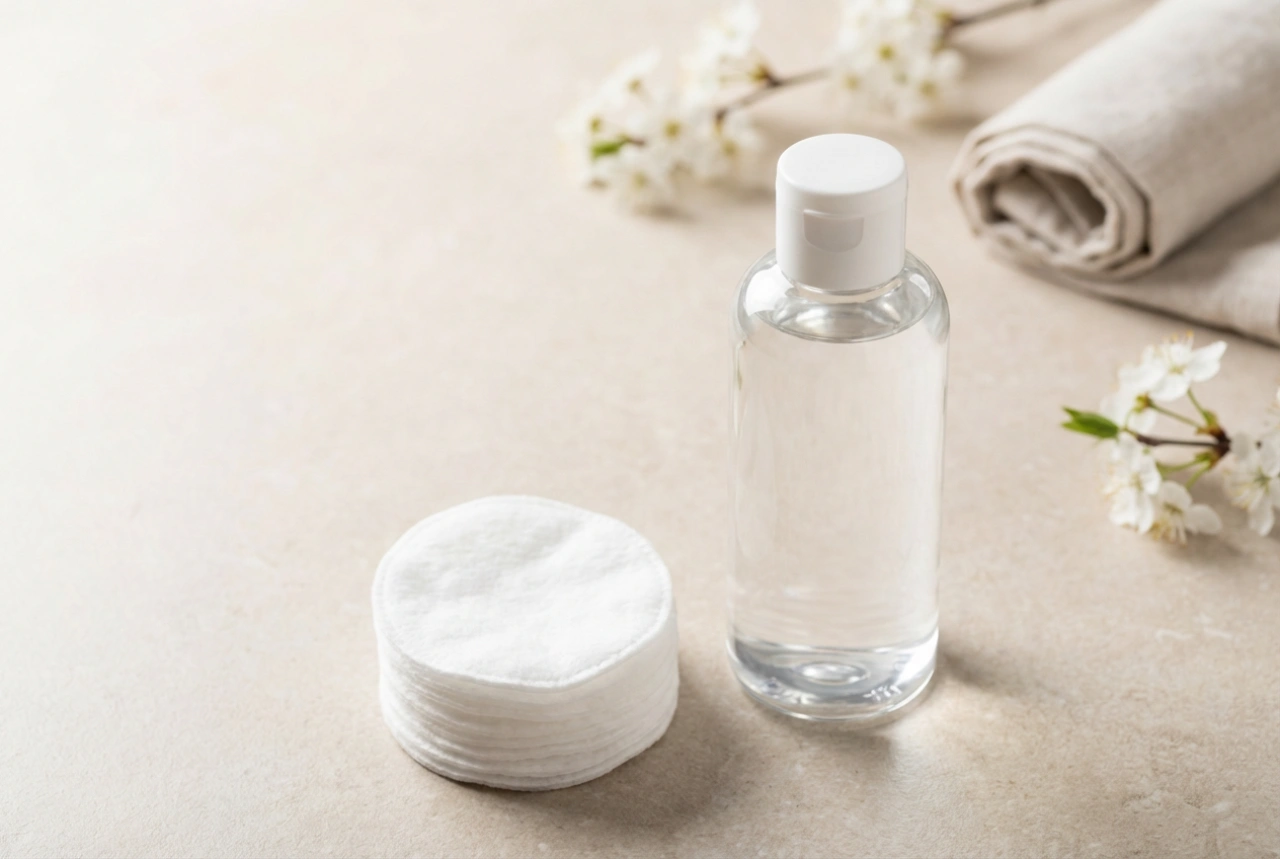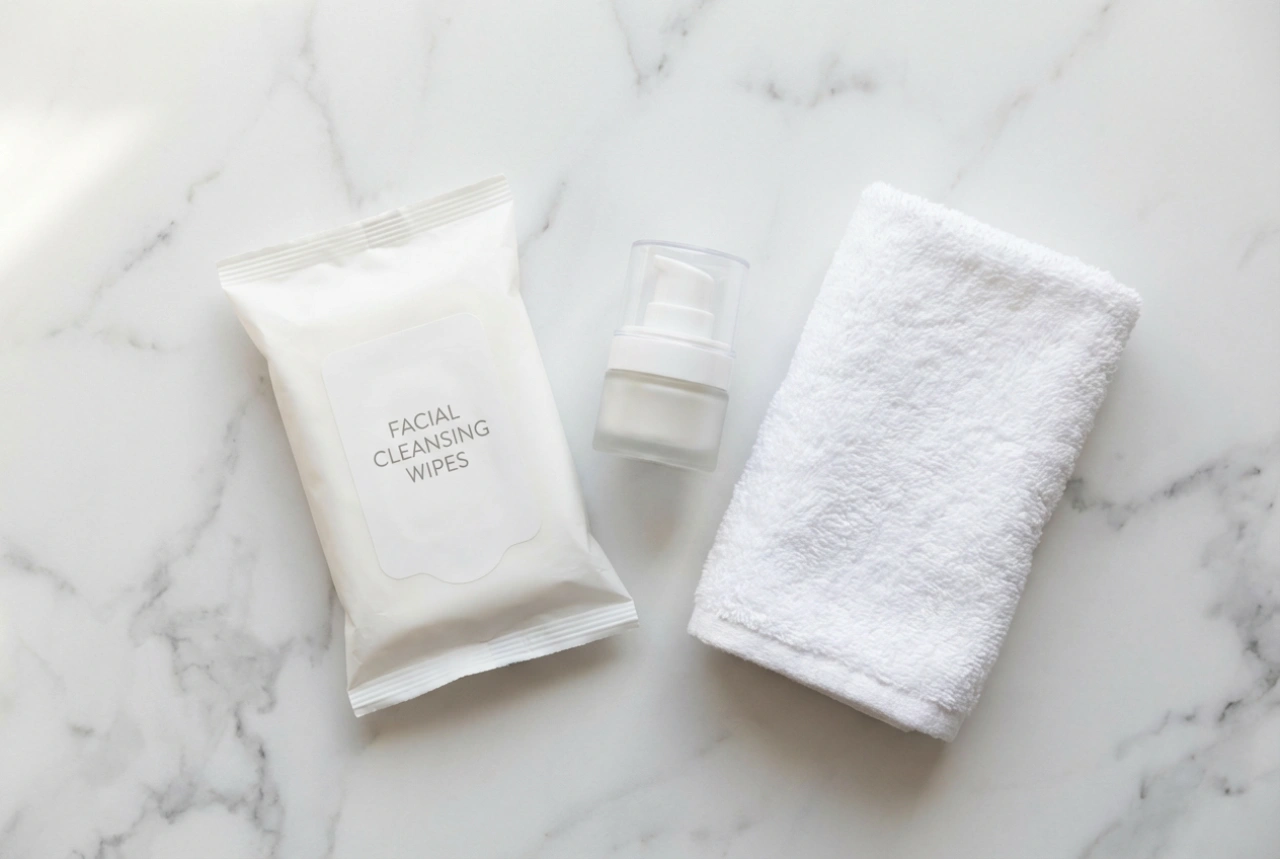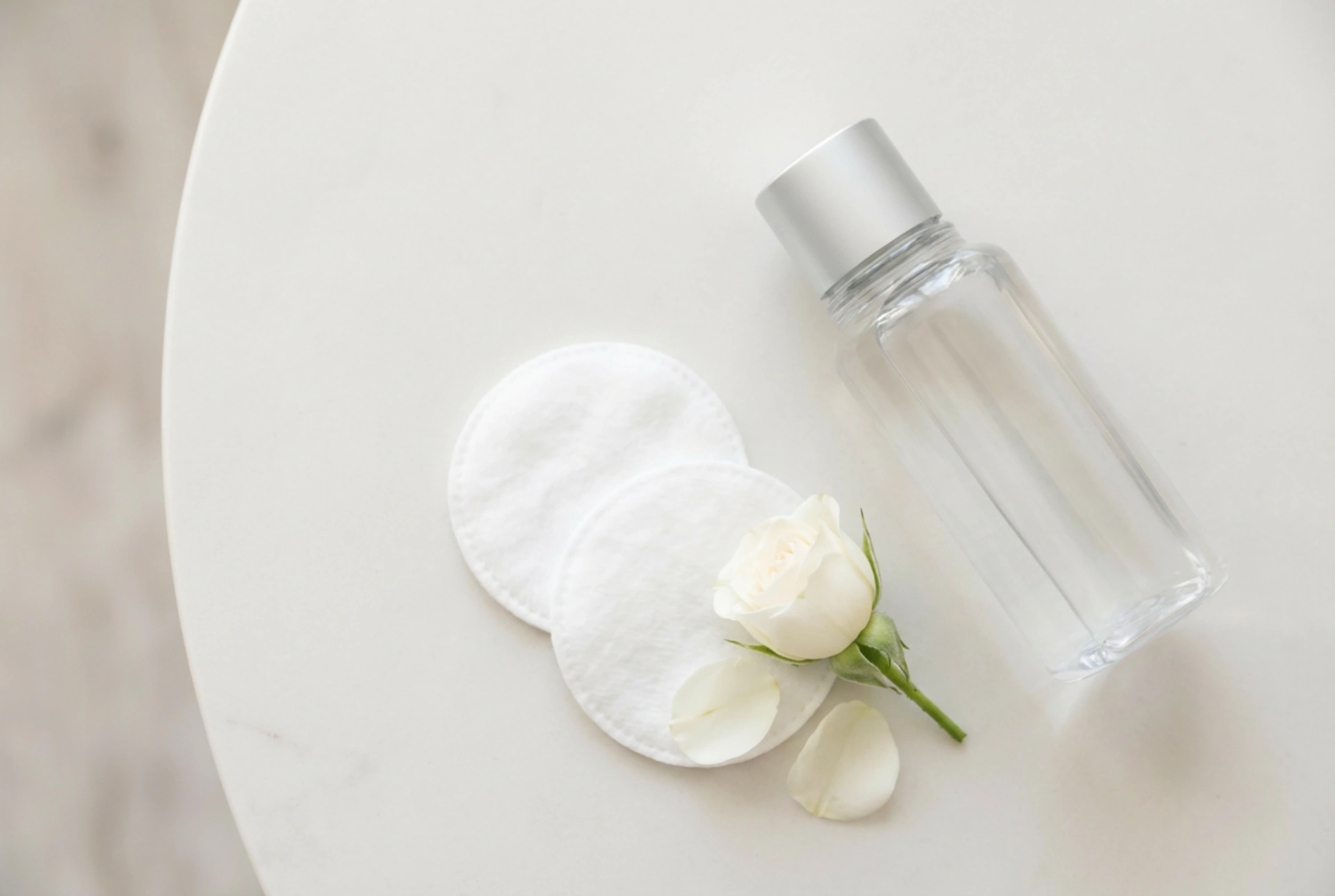


Removing eye makeup is a fundamental step in any evening skincare routine, but for those with very sensitive eyes, it can be a source of discomfort and irritation. The delicate skin around the eyes requires special attention, and using the right product is key to maintaining its health and comfort. Choosing a gentle, effective makeup remover, like the one symbolised by a pure formula and soft cotton pads, ensures that you can cleanse your skin thoroughly without causing redness or stinging. This guide will help you navigate the options and master the technique for safe and gentle eye makeup removal.
Understanding the Delicacy of the Eye Area
The skin around our eyes is significantly different from the skin on the rest of our face. It is up to ten times thinner and has very few sebaceous glands, which means it produces less natural oil. This makes it more prone to dryness and sensitivity. Furthermore, constant movement from blinking and facial expressions contributes to its vulnerability. These factors mean the eye area can react quickly to harsh ingredients, friction from rubbing, and products that are not specifically formulated for its unique needs. Using an unsuitable remover can lead to dryness, itchiness, redness, and a general feeling of irritation, making it crucial to select a product with care.
What to Look for in a Gentle Eye Makeup Remover
When selecting a product for sensitive eyes, the ingredient list is your most important tool. The goal is to find a formula that effectively dissolves makeup without stripping the skin of its minimal natural moisture or causing a reaction.
Soothing and Hydrating Ingredients
Opt for formulas containing ingredients known for their calming and moisturising properties. Look for substances like panthenol (pro-vitamin B5), which helps to hydrate and soothe the skin. Allantoin is another excellent ingredient, known for its calming effects. Plant-based extracts such as cornflower, chamomile, or aloe vera can also provide gentle, soothing benefits. For hydration, ingredients like hyaluronic acid and glycerin are beneficial as they help the skin retain moisture, preventing the tight, dry feeling that some cleansers can leave behind.
Ingredients to Avoid
Equally important is knowing what to avoid. The most common culprits for irritation in the eye area are fragrances and alcohol (often listed as alcohol denat. or SD alcohol). Fragrances, whether synthetic or natural, can be highly sensitising. Alcohol can be extremely drying and disruptive to the delicate skin barrier. You should also be cautious with certain preservatives and essential oils, which can trigger reactions in sensitive individuals. A hypoallergenic, ophthalmologically-tested formula is often a safer choice, as it has been specifically tested for use around the eyes.
Choosing the Right Type of Remover
Eye makeup removers come in several formats. The best one for you depends on your skin type and the type of makeup you wear.
- Micellar Water: This is a water-based solution containing tiny oil molecules called micelles. These micelles act like magnets, attracting and lifting away makeup, dirt, and oil without the need for harsh rubbing. It is generally very gentle and a great option for removing non-waterproof makeup.
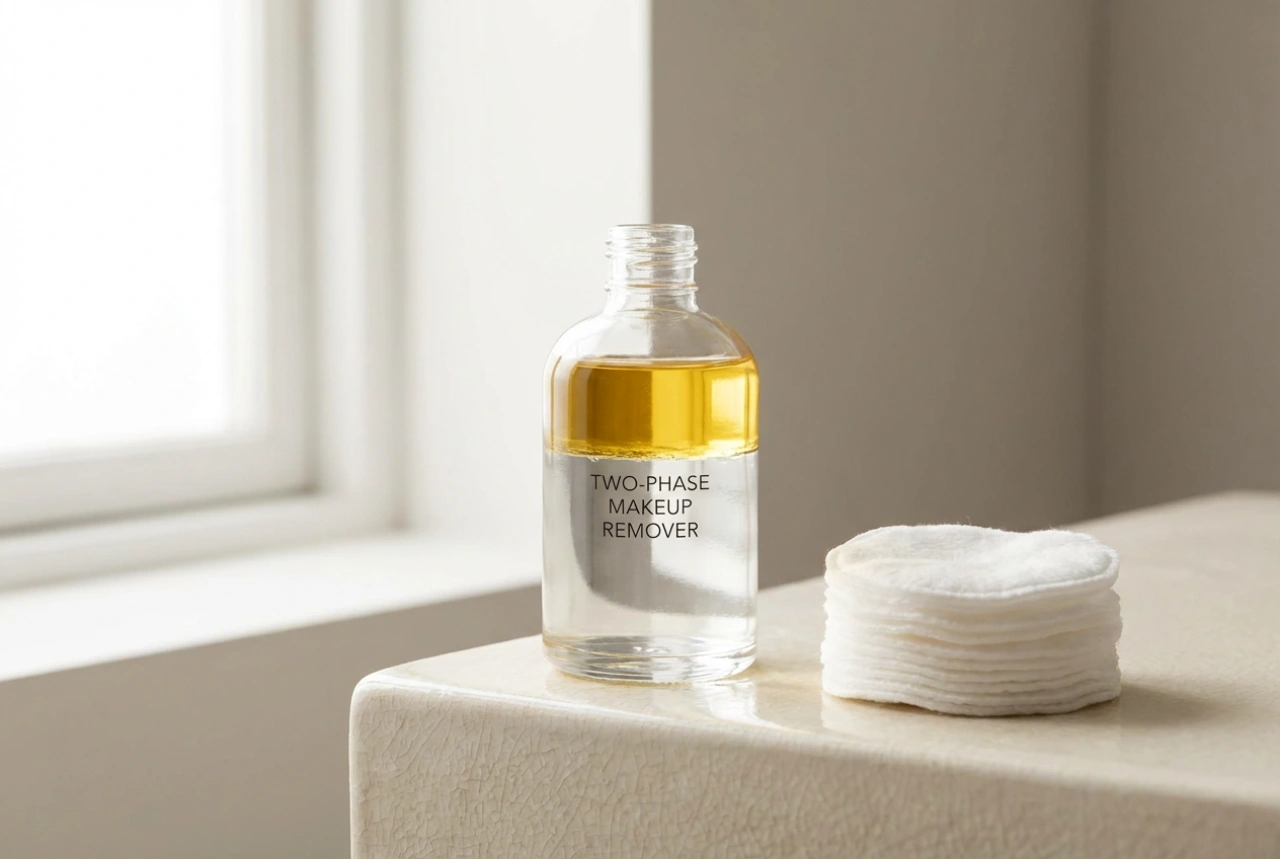
- Bi-phase Removers: These products consist of two parts: an oil layer and a water layer, which you shake to combine before use. The oil phase is effective at breaking down stubborn, long-wearing, and waterproof makeup, while the water phase helps to cleanse and refresh the skin. Look for formulas with lightweight, non-irritating oils.
- Lotions and Gels: Creamy lotions or cooling gels can be very gentle and hydrating. They often contain soothing ingredients and have a pleasant texture that feels comfortable on the skin. They are applied with a cotton pad and gently wiped away, effectively removing makeup while providing a dose of moisture.
The Correct Technique for Gentle Makeup Removal
How you remove your makeup is just as important as the product you use. Aggressive rubbing can cause irritation and damage the delicate skin and eyelashes, regardless of how gentle your remover is.
Follow these steps for a safe and effective process:
- Saturate a Cotton Pad: Pour a generous amount of your chosen remover onto a soft, high-quality cotton pad. Avoid using rough or low-quality pads that can leave fibres behind.
- Press and Hold: Close one eye and press the saturated pad gently against your eyelid and lashes. Hold it in place for 20-30 seconds. This gives the formula time to dissolve the makeup, particularly mascara and eyeliner.
- Wipe Gently: After holding, gently wipe the pad downwards, following the direction of your lash growth. Avoid any back-and-forth or circular rubbing motions. This single, gentle sweep should remove most of the makeup.
- Refine and Repeat: Fold the pad to a clean section or use a cotton bud dipped in the remover to gently clean up any remaining eyeliner along the lash line. Repeat the entire process on the other eye using a fresh cotton pad.
- Rinse if Necessary: While many modern formulas are 'no-rinse', it's often a good idea to gently splash the eye area with lukewarm water or follow up with your regular facial cleanser to ensure all residue is gone. This simple routine, performed with patience and a light touch, will protect your sensitive eyes and keep the surrounding skin healthy and calm.