

The quest for a clear and radiant complexion often leads us to explore various skincare solutions. Among the most popular choices for deep purification is the charcoal face mask. Known for its powerful ability to draw out impurities, this dark-hued treatment has become a staple in many beauty routines. Its effectiveness lies in its primary ingredient, activated charcoal, which offers a simple yet effective way to refresh the skin, minimise the appearance of pores, and achieve a smoother, more refined texture without causing unnecessary irritation.
What is Activated Charcoal and How Does it Work?
Activated charcoal is not the same as the charcoal used for a barbecue. It is a fine, black, odourless powder that has been treated with oxygen at very high temperatures to make it more porous. This "activation" process changes its internal structure, reducing the size of its pores and increasing its surface area. It is this unique, porous structure that gives activated charcoal its remarkable properties. In skincare, it functions through a process called adsorption (not to be confused with absorption). Adsorption is the chemical reaction where elements like dirt, excess oil (sebum), and environmental pollutants bind to the surface of the charcoal. When you apply a charcoal mask, it acts like a magnet, attracting and holding onto these impurities, which are then washed away when you rinse the mask off your face.
Key Benefits of a Charcoal Face Mask
Incorporating a charcoal mask into your skincare routine can offer several visible benefits, especially for those looking to manage oiliness and maintain clear pores. It's a versatile treatment that addresses multiple common skin concerns.
- Deep Pore Cleansing: Its primary benefit is its ability to provide a thorough cleanse. It helps to pull out dirt and debris that can become trapped in pores, leading to a feeling of true cleanliness.
- Reducing the Appearance of Pores: While you can't change the actual size of your pores, you can make them appear smaller. By clearing out the congestion within them, a charcoal mask helps to refine their appearance, contributing to a smoother skin surface.
- Mattifying Oily Skin: For those with oily or combination skin, excess shine can be a persistent issue. A charcoal mask is excellent at absorbing excess sebum from the skin's surface, leaving the complexion looking balanced and mattified without over-drying when used correctly.
- Improving Skin Texture: By removing dead skin cells and surface impurities, charcoal masks offer a gentle exfoliating effect. This regular removal of build-up helps to reveal fresher skin underneath, leading to a softer and smoother texture over time.
How to Use a Charcoal Mask for Best Results Without Irritation
To get the most out of your charcoal mask while preventing potential dryness or sensitivity, following the correct application and removal process is key. The goal is to purify, not to strip the skin of its essential moisture.
1. Prepare Your Skin
Start with a clean canvas. Use your regular gentle cleanser to remove any makeup, dirt, and surface oils. After cleansing, you can gently steam your face or apply a warm, damp towel for a minute or two. This helps to soften the skin and open up the pores, allowing the mask to work more effectively.
2. Apply an Even Layer
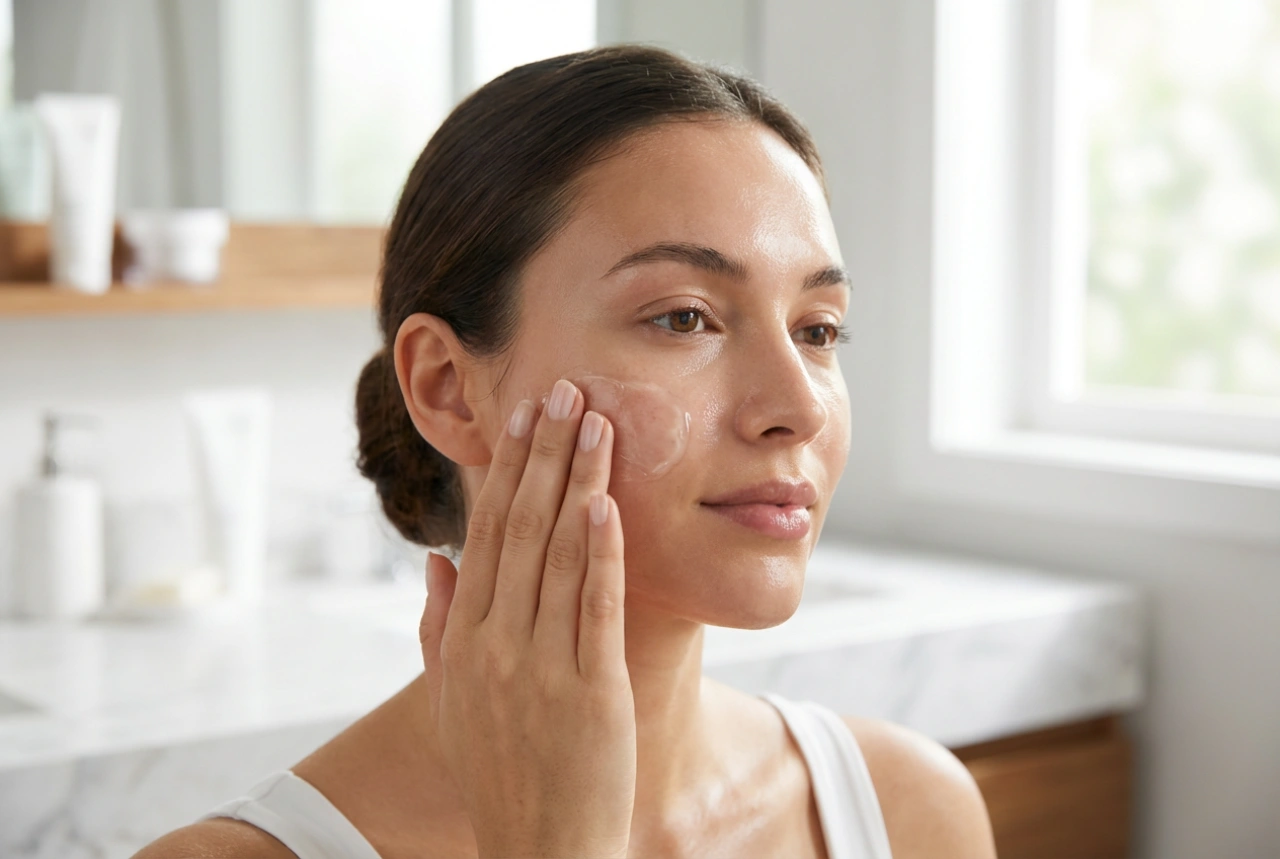
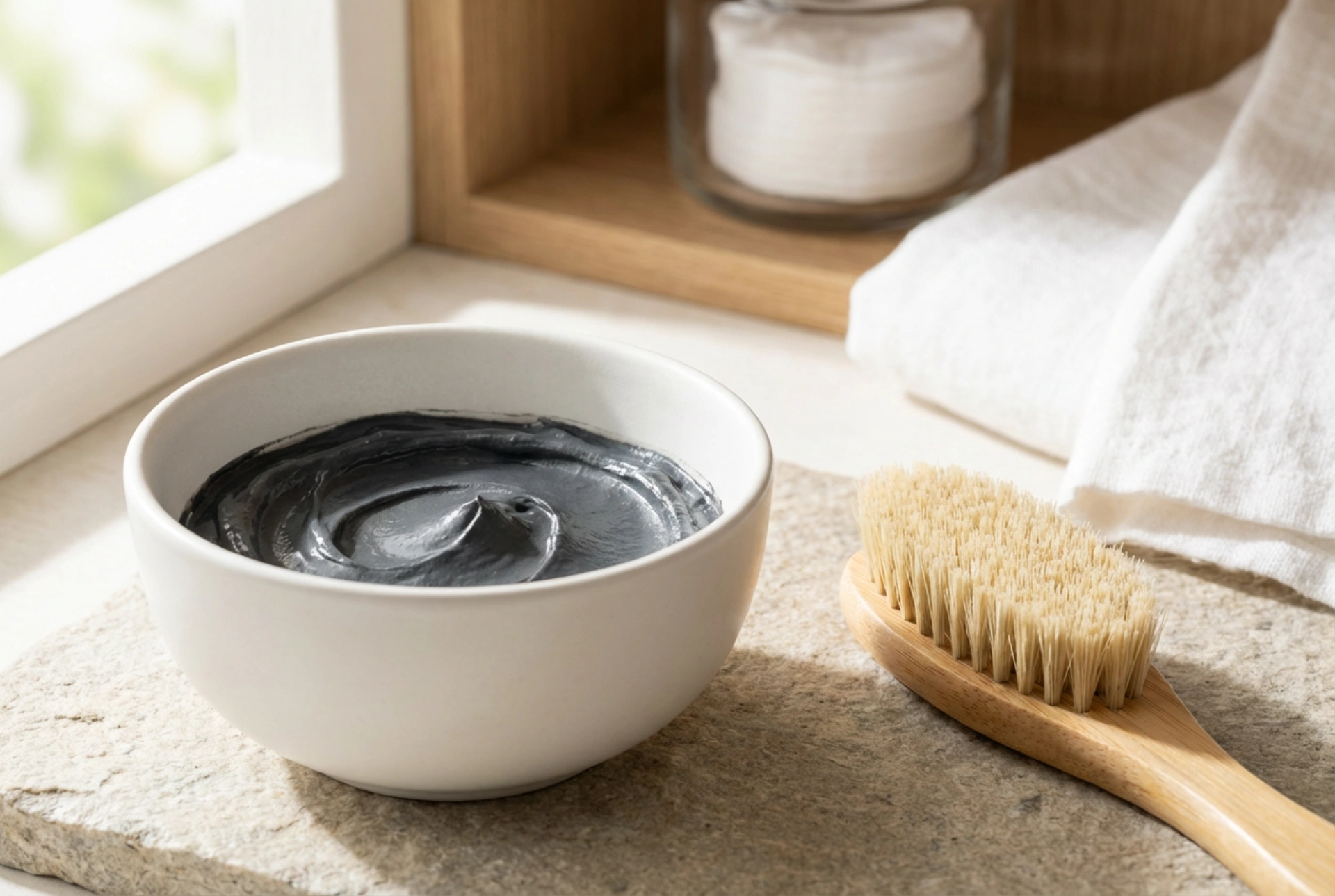
Using a clean mask brush or your fingertips, apply a thin, even layer of the charcoal mask to your face. Be careful to avoid the delicate and sensitive areas around your eyes and lips. Don't apply too thick a layer, as this will take much longer to dry and can be more difficult to remove.
3. Don't Let It Dry Completely
This is a critical step to avoid irritation. Most masks are effective within 10-15 minutes. You should remove it when it is still slightly tacky to the touch. If you let the mask dry completely until it cracks, it can start to draw moisture out of your skin, leading to dehydration, tightness, and redness. Pay attention to how your skin feels and the mask's texture.
4. Rinse Gently
To remove the mask, use lukewarm water. Splash your face to re-moisten the mask, which will make it easier to rinse off. Use your fingertips to gently massage in circular motions as you rinse, which provides a final, light exfoliation. Avoid harsh scrubbing. Pat your face dry with a clean, soft towel.
5. Follow Up with Hydration
After any deep-cleansing treatment, it's vital to replenish your skin's moisture barrier. Immediately follow up with a hydrating toner, serum, and your favourite moisturiser. This helps to lock in hydration, soothe the skin, and keep it feeling soft and balanced.
Who Can Benefit from a Charcoal Mask?
Charcoal masks are particularly beneficial for individuals with normal, combination, and oily skin types who are prone to blackheads and congestion. If you have dry or sensitive skin, you can still use a charcoal mask, but with more caution. Consider using it only on specific areas, like the T-zone (forehead, nose, and chin), where oiliness is more common. It is always wise to perform a patch test on a small, discreet area of skin before applying any new product to your entire face to check for sensitivity. For most skin types, using a charcoal mask once a week is sufficient to maintain clear pores and a balanced complexion. Oily skin types may benefit from using it up to twice a week, while sensitive or dry skin types should limit use to once every couple of weeks.