

A hyaluronic acid mask is a staple in a modern beauty ritual, renowned for its ability to deliver intense hydration and leave the skin looking plump and dewy. This clear, gel-like treatment offers a luxurious experience and is a simple yet effective way to boost your skin's moisture levels. Understanding how to use it correctly can transform its benefits from good to exceptional, helping you achieve that coveted healthy glow.
What is Hyaluronic Acid and Why Is It So Beneficial?
Hyaluronic acid (HA) is a substance naturally found in our skin that holds onto water, helping to keep it hydrated and plump. In skincare, it acts as a powerful humectant, meaning it draws moisture from its surroundings and binds it to the skin. When used in a face mask, it provides a concentrated dose of hydration. Its main benefits include:
- Intense Hydration: HA can hold up to 1,000 times its weight in water, making it incredibly effective at quenching thirsty skin.
- Plumping Effect: By replenishing moisture, it helps to temporarily plump up the skin, reducing the appearance of fine lines and wrinkles that are often caused by dehydration.
- Universally Gentle: It is suitable for all skin types, from oily to dry and sensitive, as it provides hydration without adding oil or causing irritation.
- Improved Skin Texture: Regular use can result in smoother, softer, and more supple-feeling skin.
Preparing Your Skin for Maximum Absorption
To get the most out of your hyaluronic acid mask, proper skin preparation is key. Simply applying it to an unprepared face won't allow the active ingredients to penetrate as effectively. Follow these simple steps before you begin.
Step 1: Thorough Cleansing
Always start with a clean canvas. Use a gentle cleanser suited to your skin type to remove all traces of makeup, dirt, and excess oil. This ensures there are no barriers preventing the mask from making direct contact with your skin. Pat your face dry gently with a clean towel.
Step 2: Toning (Optional but Recommended)
Applying an alcohol-free toner after cleansing can help to balance your skin's pH levels. More importantly, it leaves your skin slightly damp. Applying a hyaluronic acid mask onto damp skin is a professional tip, as it gives the HA immediate surface water to draw into the skin, boosting its hydrating power from the very start.
A Step-by-Step Guide to Application
Applying the mask is a straightforward process, but a few details can enhance the experience and the results. Treat it as a moment of self-care and relaxation.
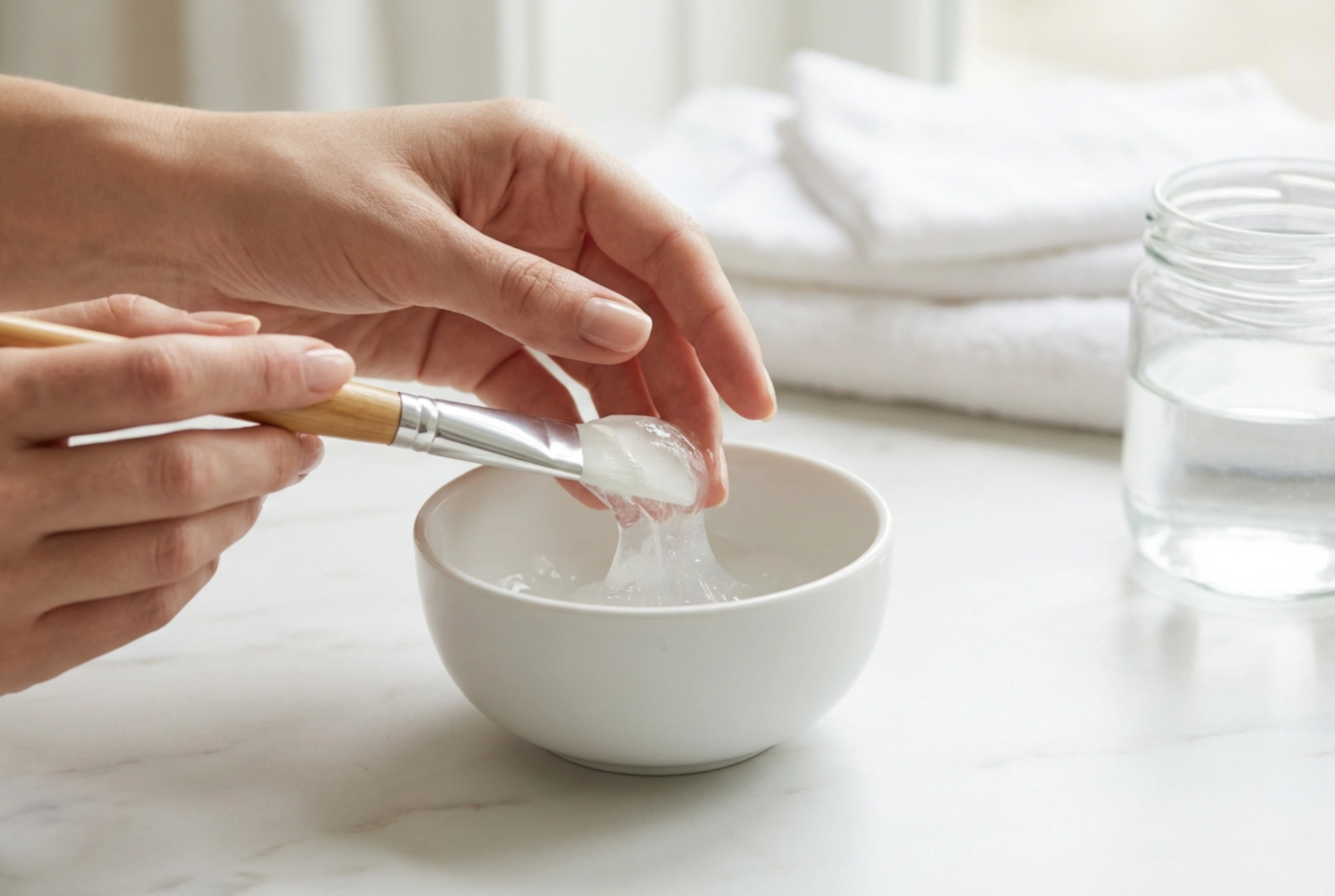
- Use a Clean Tool: Scoop the product out of its pot using a clean spatula, brush, or clean fingers. This prevents contamination and ensures the rest of the product remains fresh.
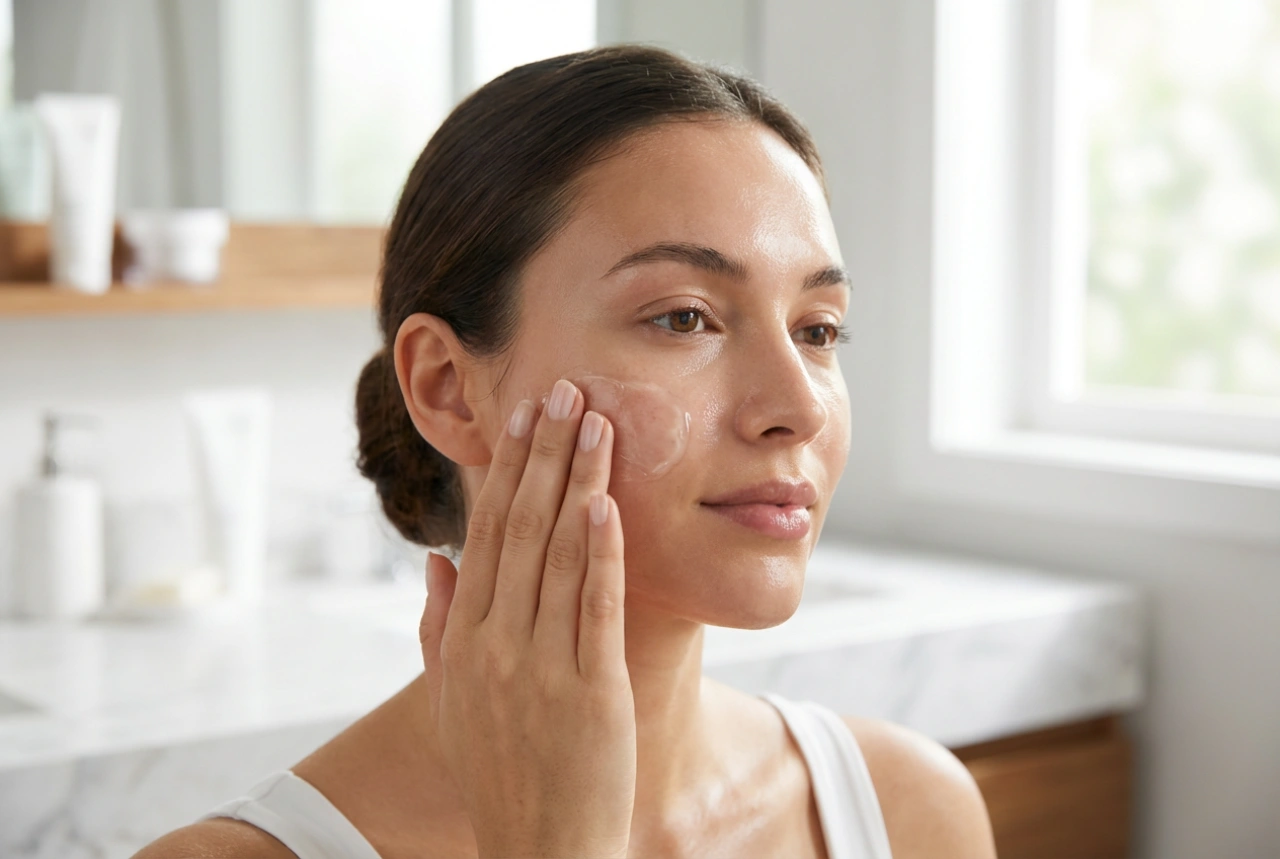
- Apply an Even Layer: Spread a generous, even layer of the gel mask across your entire face. Be sure to avoid the delicate eye and mouth areas. Don't forget your neck if it also needs a hydration boost.
- Relax and Wait: Let the mask work its magic. Most hydrating masks require about 10 to 20 minutes to be effective. Check the specific product's guidance, but avoid leaving it on for too long, especially if it starts to feel tight or dry.
- Rinse Thoroughly: Once the time is up, rinse the mask off completely with lukewarm water. Avoid hot water, as it can be stripping. Gently pat your skin dry, leaving it slightly damp for the next step.
When Should You Use a Hyaluronic Acid Mask?
Consistency is more important than frequency. For most people, using a hydrating mask 1-2 times per week is sufficient to maintain moisture levels. However, you can also use it to target specific concerns:
- When your skin feels tight or dehydrated: It's an excellent rescue treatment for parched skin.
- Before a special event: Use it the night before or the morning of an event for a plump, smooth base for makeup.
- After travel: Aeroplane cabin air is notoriously dry, and a hyaluronic acid mask can help restore lost moisture.
- During seasonal changes: When weather shifts from humid to dry, your skin may need extra support to stay balanced.
Locking It In: The Crucial Final Step
Your skincare routine doesn't end with rinsing off the mask. In fact, the next step is arguably one of the most important for maximising the benefits of hyaluronic acid. Because HA draws moisture, you need to give it something to hold onto and then seal it in. Immediately after patting your face dry, while your skin is still slightly damp, apply your favourite serum and, most importantly, a good moisturiser. The moisturiser creates a barrier on the skin's surface, preventing the hydration you just added from evaporating, a process known as transepidermal water loss. This final step locks in all the plumping, hydrating goodness, ensuring your skin stays soft and supple for hours to come.