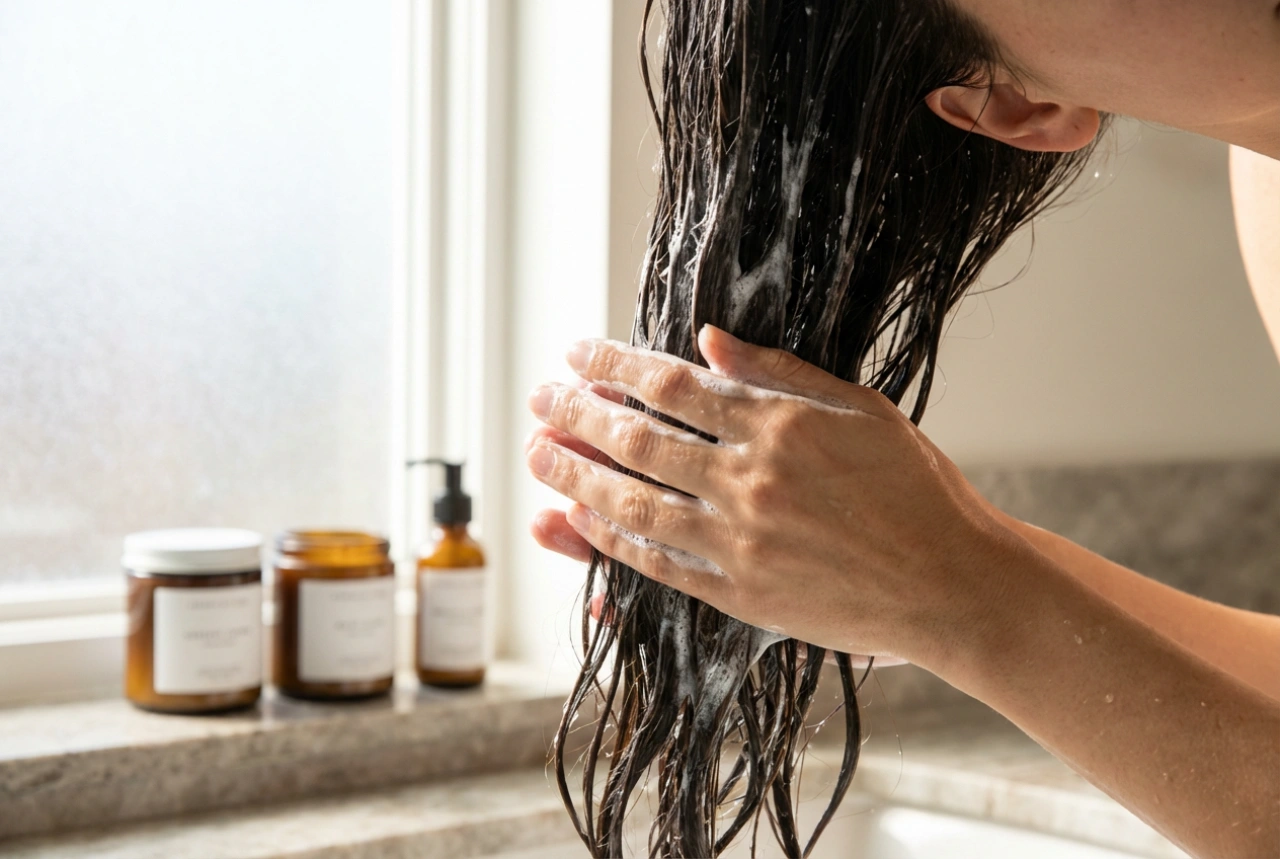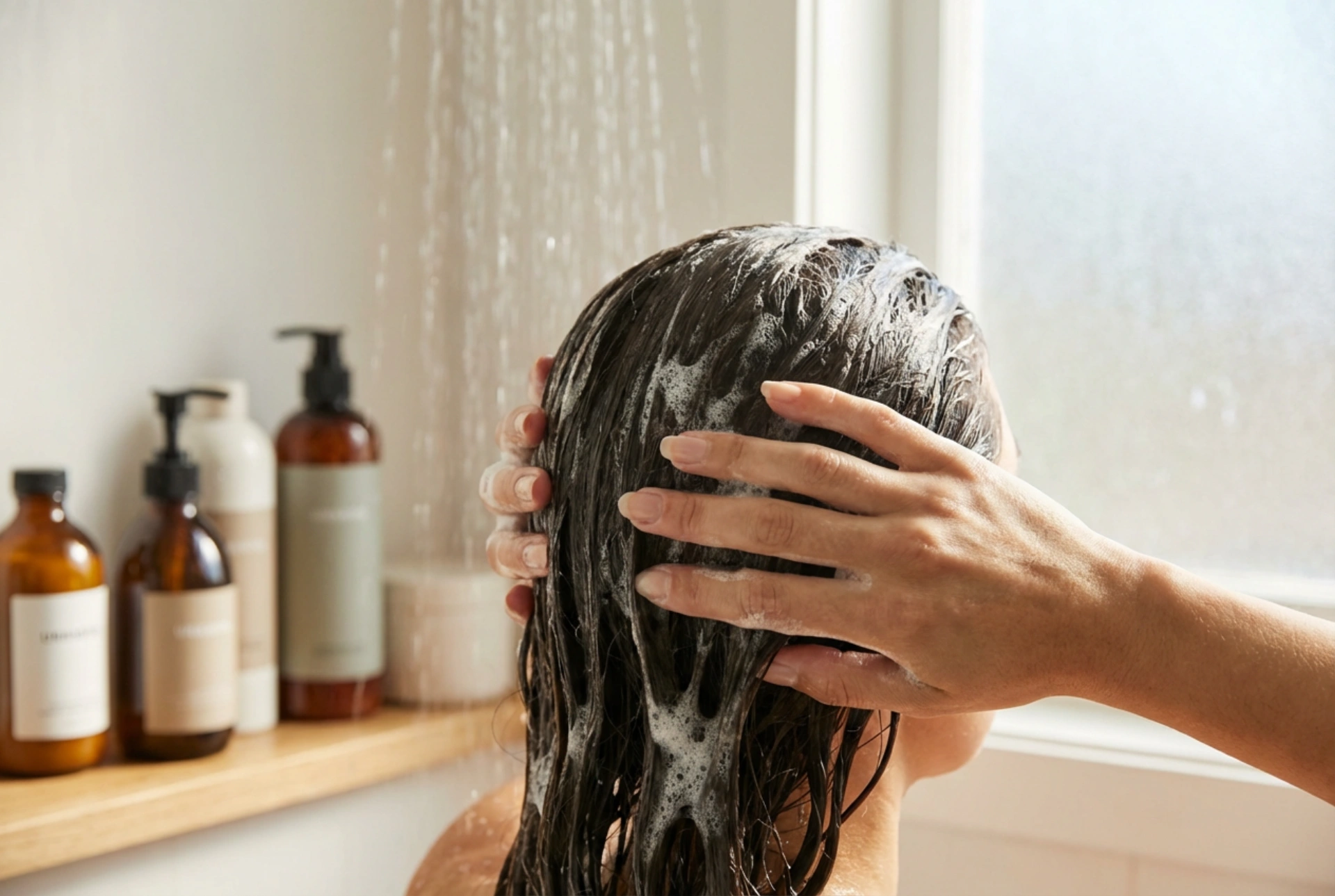


The move towards a more mindful approach to beauty has led many of us to scrutinise the labels of our everyday products, including our shampoos. The image of gently working a soft lather through the hair reflects a desire for care that is both effective and mild. Shampoos formulated without certain well-known ingredients like SLS, parabens, and silicones are gaining popularity. But what does this choice entail? Understanding the alternatives and the proper washing technique is key to making a smooth and successful transition to a gentler hair care routine.
Why Choose a Shampoo Without SLS, Parabens, and Silicones?
For decades, certain ingredients were standard in hair care formulations for their effectiveness and low cost. However, growing consumer awareness and a demand for more natural options have highlighted the potential downsides of these components, leading people to seek alternatives for various reasons.
SLS/SLES: The Powerful Detergents
Sodium Lauryl Sulfate (SLS) and its close relative Sodium Laureth Sulfate (SLES) are surfactants. Their primary job is to create the rich, satisfying lather we often associate with being clean. They are excellent at cutting through oil and dirt. However, this very power can be their drawback. For some individuals, particularly those with dry or sensitive skin, these detergents can be too harsh. They can strip the scalp and hair of their natural, protective oils, leading to dryness, irritation, and potential colour fading in dyed hair.
Parabens: The Controversial Preservatives
Parabens are a class of preservatives used to prevent the growth of bacteria and mould in cosmetic products, extending their shelf life. While regulatory bodies generally consider them safe in the small concentrations used in cosmetics, their use has become controversial due to studies exploring their potential effects. As a result, many consumers prefer to err on the side of caution and opt for paraben-free products, and the industry has responded by developing a wide range of alternative preservation systems.
Silicones: The Smoothing Agents
Silicones are polymers that coat the hair shaft, providing a smooth, slippery feel and a high-shine finish. They are excellent at taming frizz and detangling. The main issue with certain types of silicones (like dimethicone) is that they are not water-soluble and can build up on the hair over time. This buildup can weigh the hair down, making it look dull and lifeless. It may also prevent moisture and nutrients from other conditioning products from penetrating the hair shaft, eventually leading to dryness and brittleness underneath the synthetic coating.
Gentle Alternatives: What's Inside Modern Formulations?
The good news is that cosmetic science has evolved significantly, offering a host of effective and gentle alternatives to these traditional ingredients.
Milder Cleansing Agents
Instead of SLS and SLES, gentle shampoos use milder surfactants derived from natural sources like coconut or sugar. Look for ingredients such as Coco Glucoside, Decyl Glucoside, Sodium Cocoyl Isethionate, or Lauryl Glucoside. These cleansers are effective at removing dirt and oil without being overly stripping, helping the scalp maintain its natural moisture balance. They often produce a less abundant, creamier lather, which is a sign of their gentler nature.
Alternative Preservation Systems
To keep products fresh and safe without parabens, formulators now use a variety of other preservatives. These can include substances like Phenoxyethanol, Sodium Benzoate, and Potassium Sorbate. Some brands also incorporate natural ingredients with preservative properties, such as certain essential oils, rosemary extract, or grapefruit seed extract, often in combination with other systems for broad-spectrum protection.
Natural Conditioners and Smoothing Ingredients
To achieve that smooth, conditioned feel without silicone buildup, shampoos and conditioners now utilise a wealth of plant-based ingredients. Natural oils like argan, jojoba, avocado, and coconut oil provide moisture and shine. Plant butters such as shea and cocoa butter are excellent for deep conditioning. Other ingredients like hydrolysed proteins (from wheat, soy, or quinoa) can help strengthen the hair, while plant extracts like aloe vera provide hydration and soothe the scalp.
How to Wash Hair with a Gentle Shampoo
Switching to a milder shampoo might require a slight adjustment to your washing technique to get the best results.
- Consider Double Cleansing: Because gentle shampoos produce less foam, a single wash might not be enough to break down all the oil and product buildup, especially if you have oily hair or use styling products. Try washing your hair twice. The first wash helps to lift away surface residue, while the second wash provides a deeper, more thorough cleanse for the scalp and hair.
- Focus on the Scalp: Your scalp is where most of the oil and buildup accumulates. Dispense the shampoo into your palms, and using your fingertips (not your nails), gently but firmly massage it all over your scalp in circular motions. This not only cleanses effectively but also stimulates blood flow. The lather that rinses down the lengths of your hair is usually sufficient to clean them without causing extra dryness.
- Rinse Thoroughly: This step is crucial. Take an extra minute or two to ensure all the product is rinsed out of your hair. Any residue left behind can make your hair feel heavy or look dull, especially with formulas rich in natural oils and butters.
The Transition Period: Patience is Key
When you stop using shampoos with strong detergents and silicones, your hair and scalp may go through an adjustment phase. Without silicones coating the hair, you might initially find that your hair feels less slippery and may be more prone to tangling. It's not damaged; you are simply feeling its true texture. Your scalp's oil production might also need time to rebalance. If it was overproducing sebum to compensate for being stripped by harsh sulphates, it might seem oilier for a short period. This transition can take anywhere from a few washes to a few weeks. Be patient, use a good conditioner, and your hair will adapt, often becoming healthier, more voluminous, and naturally shiny in the long run.