

The question of whether to wash your hair daily is a common debate in beauty circles. While the feeling of freshly cleansed hair can be invigorating, many wonder about the long-term effects on its health and appearance. Understanding the nuances of daily washing is key to establishing a routine that keeps your hair looking vibrant and healthy, rather than causing unintended issues. It's all about finding the right balance for your unique hair and scalp needs, moving from a rigid schedule to a more intuitive approach to care.
Understanding Your Hair and Scalp Type
Before deciding on your washing frequency, it's crucial to understand your hair type and scalp condition. Not all hair is created equal, and what works for one person may not work for another. Fine, straight hair tends to show oil more quickly than thick, curly hair, as the scalp's natural oils (sebum) can easily travel down the hair shaft. Conversely, those with dry or coarse hair might find that daily washing strips away much-needed moisture, leaving their hair feeling brittle. Your scalp's condition is another major factor. An oily scalp may feel like it requires daily cleansing, while a dry or sensitive scalp could become irritated with too-frequent washing.
Potential Consequences of Daily Washing
While keeping hair clean is important, washing it too often can sometimes do more harm than good. The cleansing agents in many shampoos can be harsh and disrupt the delicate balance of your scalp and hair.
Stripping of Natural Oils
The scalp naturally produces sebum, an oily substance that moisturises the scalp and protects the hair shaft. Daily washing, especially with strong cleansers, can strip away this protective layer. This can leave both your scalp and hair strands dehydrated. The result is often hair that looks dull, feels rough, and is more prone to breakage and split ends. A dry scalp might also feel tight, itchy, or become flaky, which is sometimes mistaken for dandruff.
An Overproduction of Sebum
Paradoxically, trying to combat oiliness by washing daily can sometimes make the problem worse. When the scalp is constantly stripped of its natural oils, it may go into overdrive to compensate for the loss. This 'rebound effect' means the scalp produces even more sebum, leading to a cycle where your hair gets greasy faster, prompting you to wash it more frequently. This can be a frustrating experience that makes it seem impossible to escape the daily wash routine.
Fading of Hair Colour
For those with colour-treated hair, frequent washing is a primary cause of premature fading. Water and cleansing agents lift the hair's cuticle, allowing colour molecules to escape. The more you wash your hair, the faster your vibrant colour will dull and wash out. Using hot water further accelerates this process, so limiting wash frequency is a key strategy for preserving your hair colour for longer.
Best Practices for a Gentle Washing Routine
If you feel daily washing is necessary due to your lifestyle, hair type, or personal preference, adopting a gentler approach can help mitigate potential damage. The goal is to cleanse effectively without causing dryness or irritation.
- Choose a Mild Cleanser: Opt for a gentle, sulphate-free shampoo. Sulphates are strong detergents that create a rich lather but can be very stripping. A milder formula will cleanse the scalp without being overly aggressive.
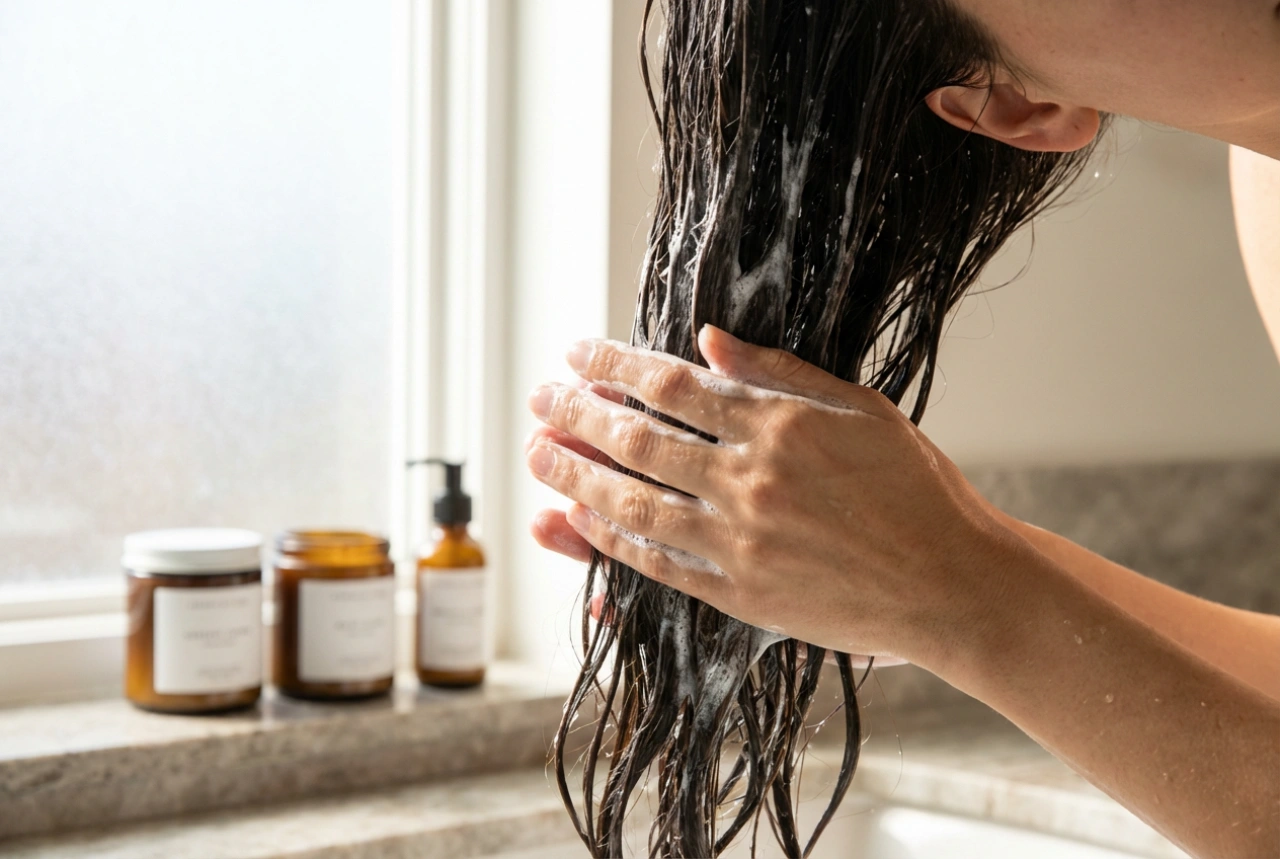
- Focus on the Scalp: Concentrate the shampoo on your scalp and roots, where oil and product build-up are most significant. When you rinse, the suds will run down and gently cleanse the lengths and ends of your hair without needing direct, vigorous scrubbing, which can cause damage.
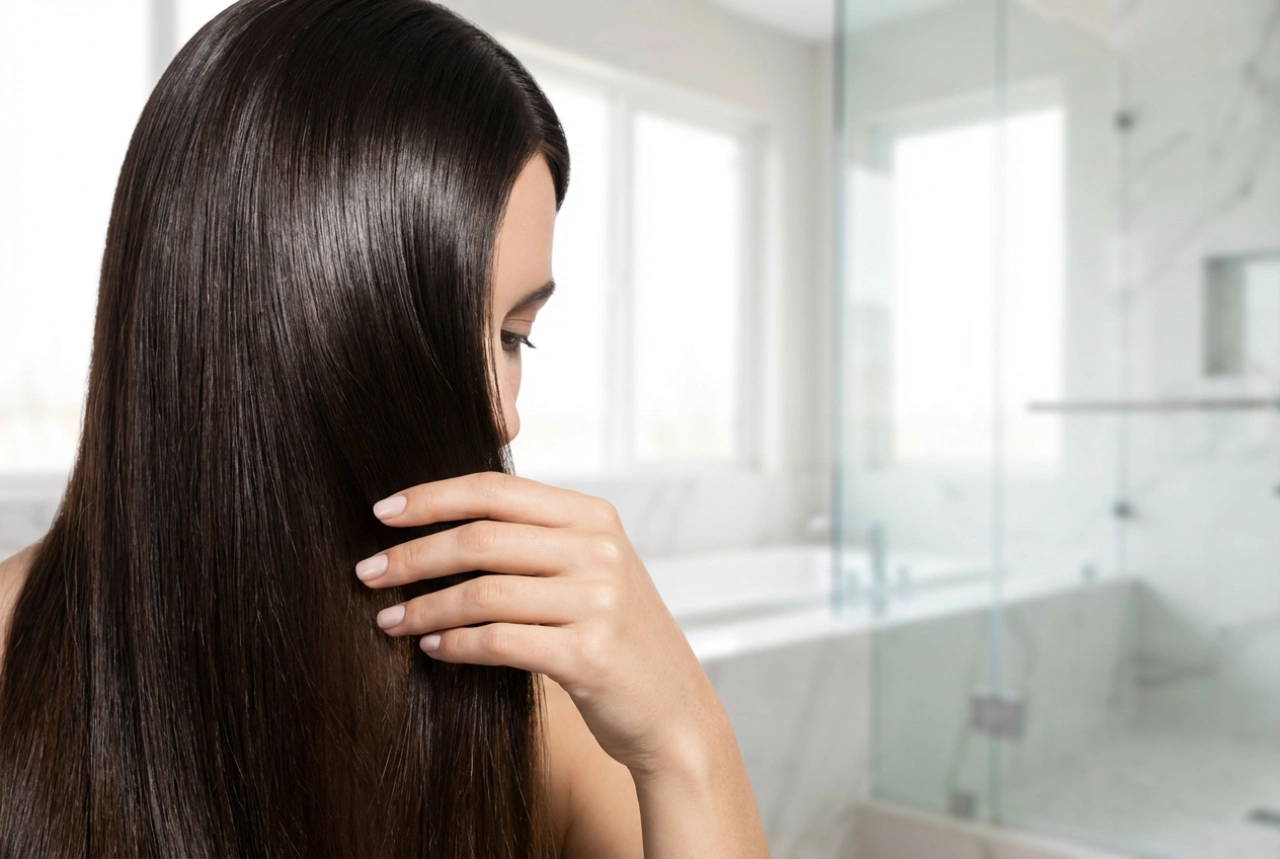
- Use Lukewarm Water: Hot water can strip oils from the hair and scalp and open the cuticle, making it more vulnerable to damage and colour loss. Use lukewarm water for washing and finish with a cool rinse to help seal the cuticle, which adds shine and protects the hair.
- Always Use Conditioner: Conditioner is essential for replenishing moisture and smoothing the hair cuticle after shampooing. Apply it mainly to the mid-lengths and ends, avoiding the roots if you have an oily scalp.
- Consider Alternatives: On days when your hair doesn't feel overly dirty, try rinsing with water only or co-washing (washing with conditioner). You can also use a good-quality dry shampoo to absorb excess oil at the roots and extend the time between washes.
Ultimately, there is no universal rule for how often you should wash your hair. The best approach is to pay attention to your hair's signals. Experiment with extending the time between washes by a day to see how your scalp and hair react. Finding a balanced routine that leaves your hair feeling clean, moisturised, and healthy is the ultimate goal of any hair care practice.