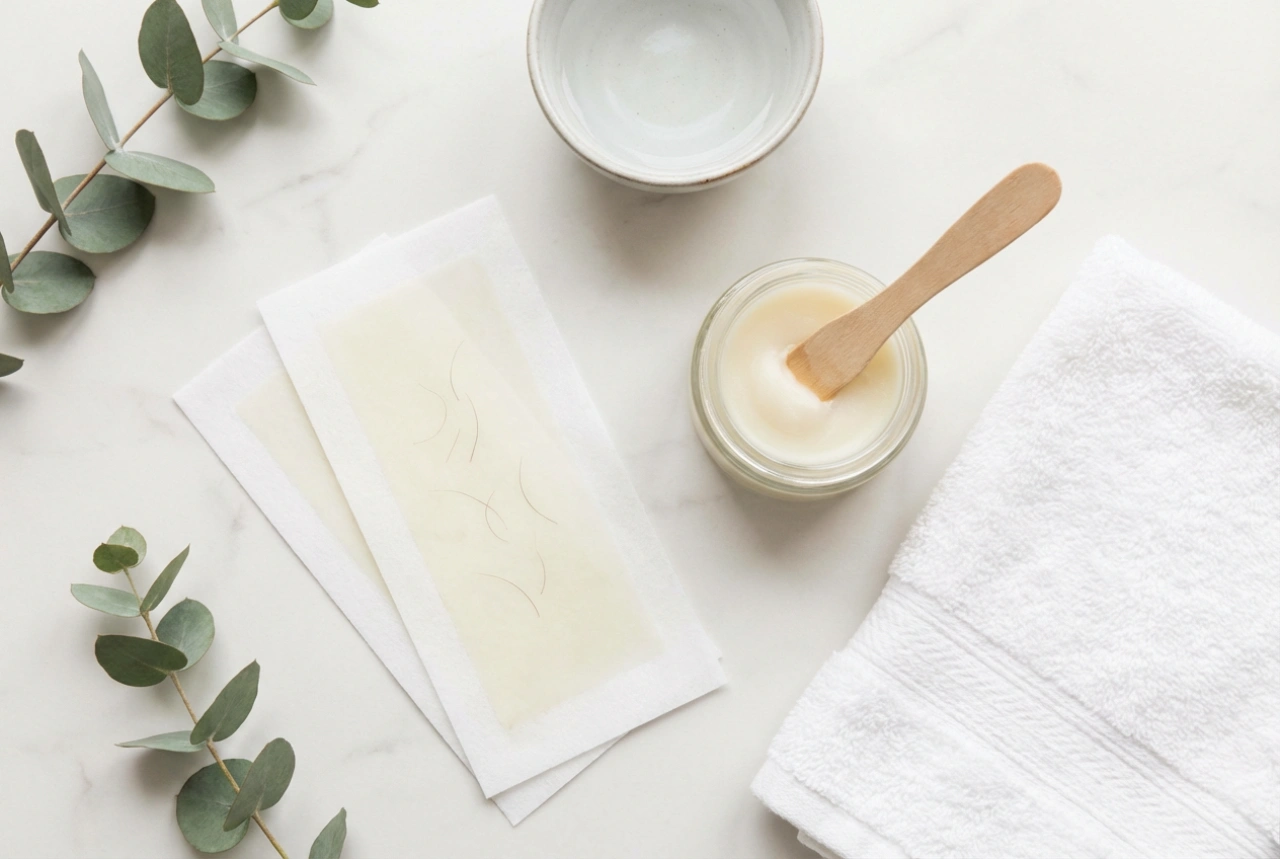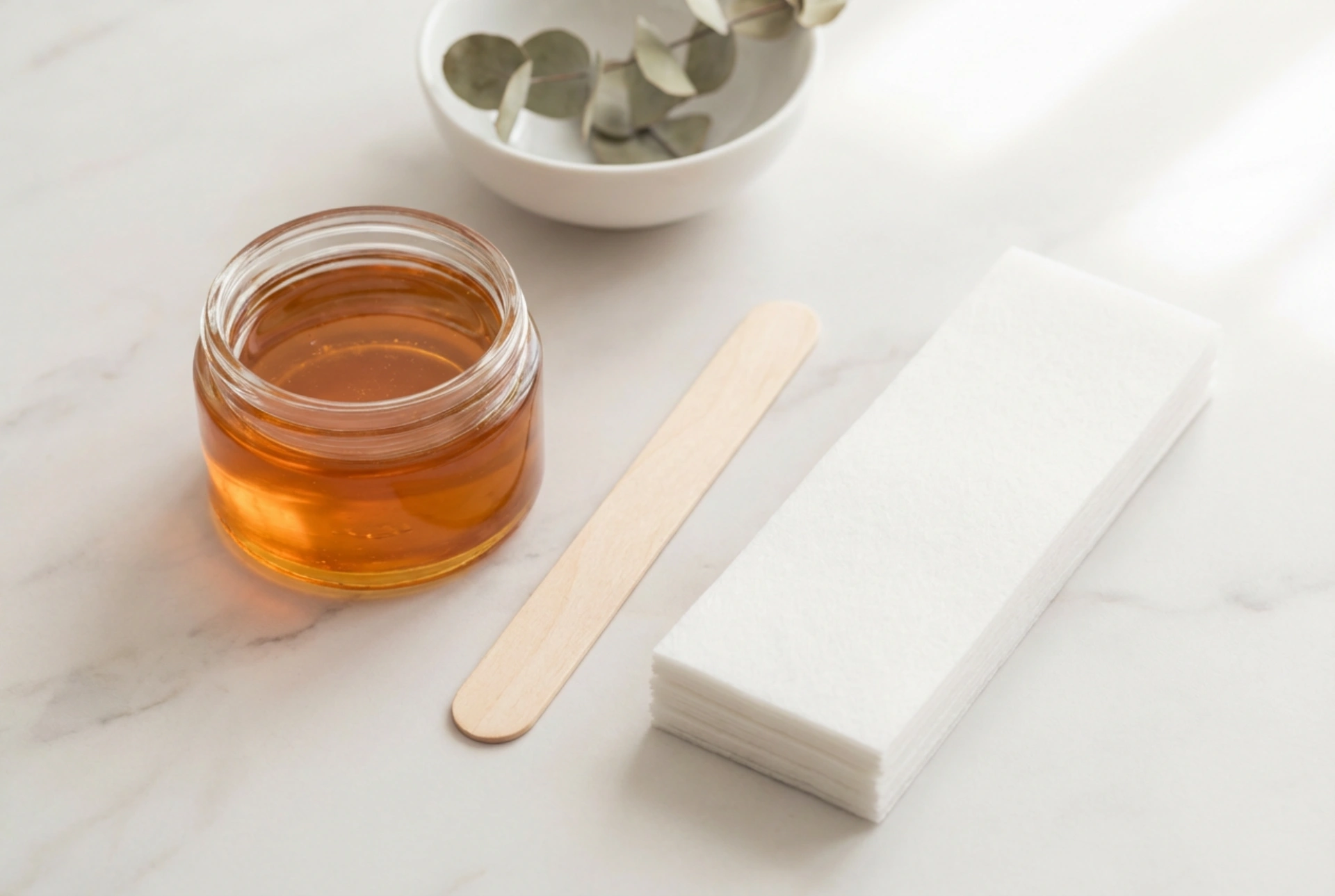


Achieving smooth, hair-free skin at home is an appealing aspect of self-care. Soft wax, often seen with its accompanying spatula and strips, is a classic method for effective hair removal. Understanding how to use it correctly is key to a successful and comfortable experience. This guide will walk you through everything you need to know about using soft wax, from preparation to aftercare, ensuring you can achieve professional-looking results in the comfort of your own home.
Understanding Soft Wax and Its Uses
Soft wax, also known as strip wax, is a type of depilatory wax that has a consistency similar to honey or thick syrup when warmed. Unlike hard wax, it does not harden on the skin and requires a strip of non-woven fabric or muslin to be removed. It adheres to both the hair and the top layer of the skin, which provides a light exfoliation effect. This makes it exceptionally effective at removing even fine hairs.
When to Choose Soft Wax
Soft wax is an excellent choice for larger areas of the body where the skin is less sensitive. Its ability to spread thinly and cover a wide surface makes it efficient for:
- Legs
- Arms
- Back
- Chest
While it can be used on smaller areas, individuals with very sensitive skin might find it slightly more irritating than hard wax due to its adherence to the skin itself. For this reason, it's a good practice to start with a less sensitive area if you are new to this method.
Preparing Your Skin for Waxing
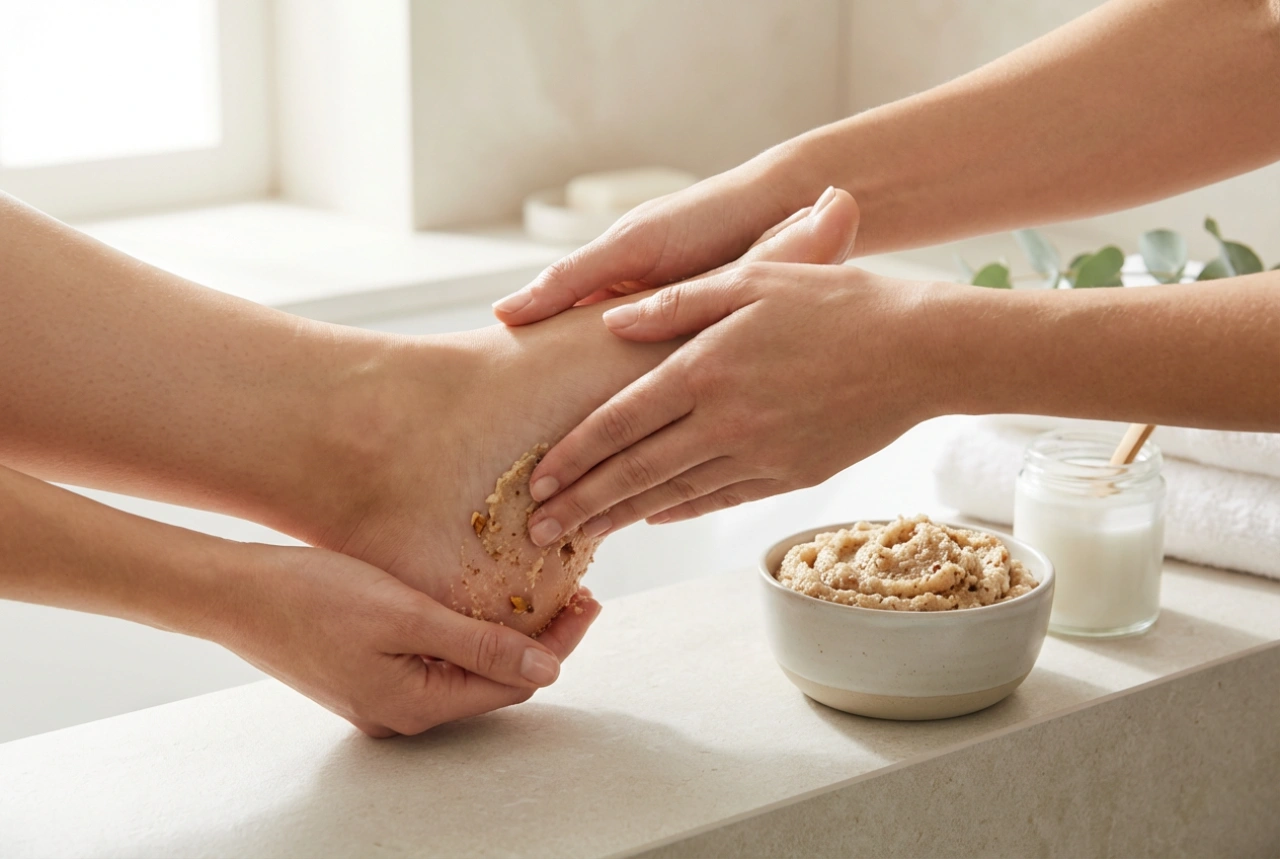
Proper preparation is the foundation of a successful waxing session. Skipping these steps can lead to less effective hair removal and increased skin irritation. First, ensure your hair is the correct length, ideally around 6mm (about a quarter of an inch). If hair is too short, the wax won't be able to grip it. If it's too long, it can be more uncomfortable. Gently exfoliate the area with a mild scrub 24 to 48 hours before you plan to wax. This helps remove dead skin cells and reduces the chance of ingrown hairs. On the day of waxing, your skin must be clean and dry. Avoid applying any lotions, oils, or deodorants, as they can prevent the wax from adhering properly. A light dusting of talc-free powder can help absorb any excess moisture or oil.
The Step-by-Step Application Process
With your skin prepped, you are ready to begin. The key to a smooth process is a methodical approach and paying close attention to temperature and application technique.
Heating and Testing the Wax
Always heat the wax according to the product's instructions, typically in a dedicated wax warmer. The ideal consistency is that of warm honey—it should be spreadable but not too runny or hot. Before applying it to the target area, always test a small amount on the inside of your wrist to ensure the temperature is comfortable and will not burn your skin.
Applying the Wax
Using a clean wooden spatula, scoop up a small amount of wax. Apply a very thin, even layer to a small section of your skin, moving the spatula in the direction of hair growth. Applying the wax too thickly will make it difficult to remove and can lead to bruising or incomplete hair removal. Work in manageable sections, about two to three inches wide and a few inches long, to maintain control.
Using Hair Removal Strips Correctly
The removal process is just as important as the application. The right technique will ensure all hair is removed cleanly and with minimal discomfort.
Applying the Strip
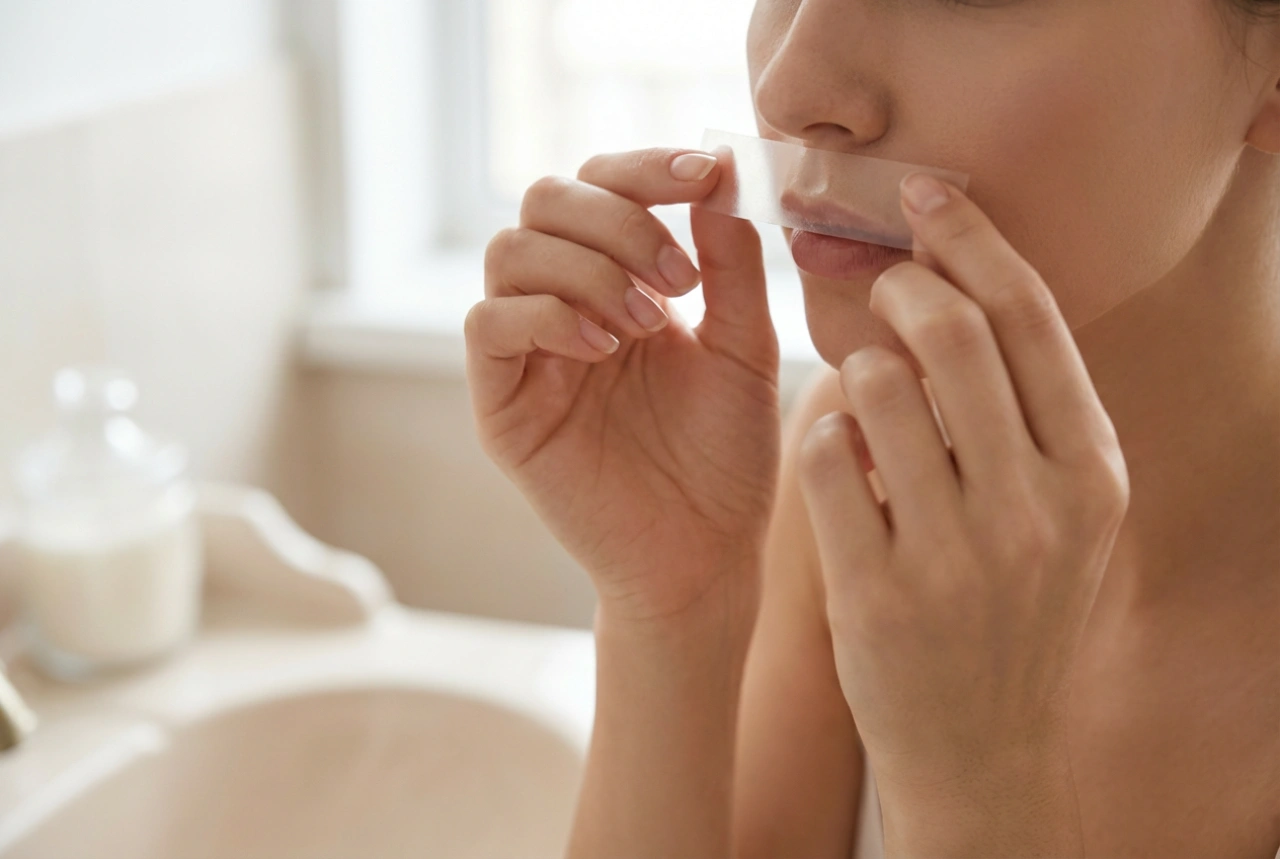
Immediately after applying the wax, place a non-woven strip over it. Press down firmly and rub your hand over the strip two to three times in the direction of hair growth. This ensures the strip fully adheres to the wax. Leave a small 'tab' of the strip at the end (the part you will pull) that is free of wax.
The Removal Technique
This is the most critical step. Hold the skin taut with one hand just below the strip. With your other hand, grip the wax-free tab. In one swift, confident motion, pull the strip off in the opposite direction of hair growth. The pull should be quick and parallel to the skin, not upwards away from it. Pulling upwards can break the hair instead of removing it from the root and may cause skin irritation.
Post-Waxing Care and Essential Tips
After you have finished waxing, proper aftercare will soothe your skin and help you maintain the smooth results. Soft wax residue is typically oil-based, so it cannot be washed off with water. Use a specially formulated post-wax oil or a simple natural oil (like baby oil or coconut oil) on a cotton pad to gently dissolve and wipe away any remaining stickiness. Once the skin is clean, apply a calming, alcohol-free and fragrance-free lotion or a pure aloe vera gel to soothe redness and reduce inflammation. For the next 24-48 hours, avoid hot baths, saunas, swimming pools, tight clothing, and direct sun exposure to prevent irritation.