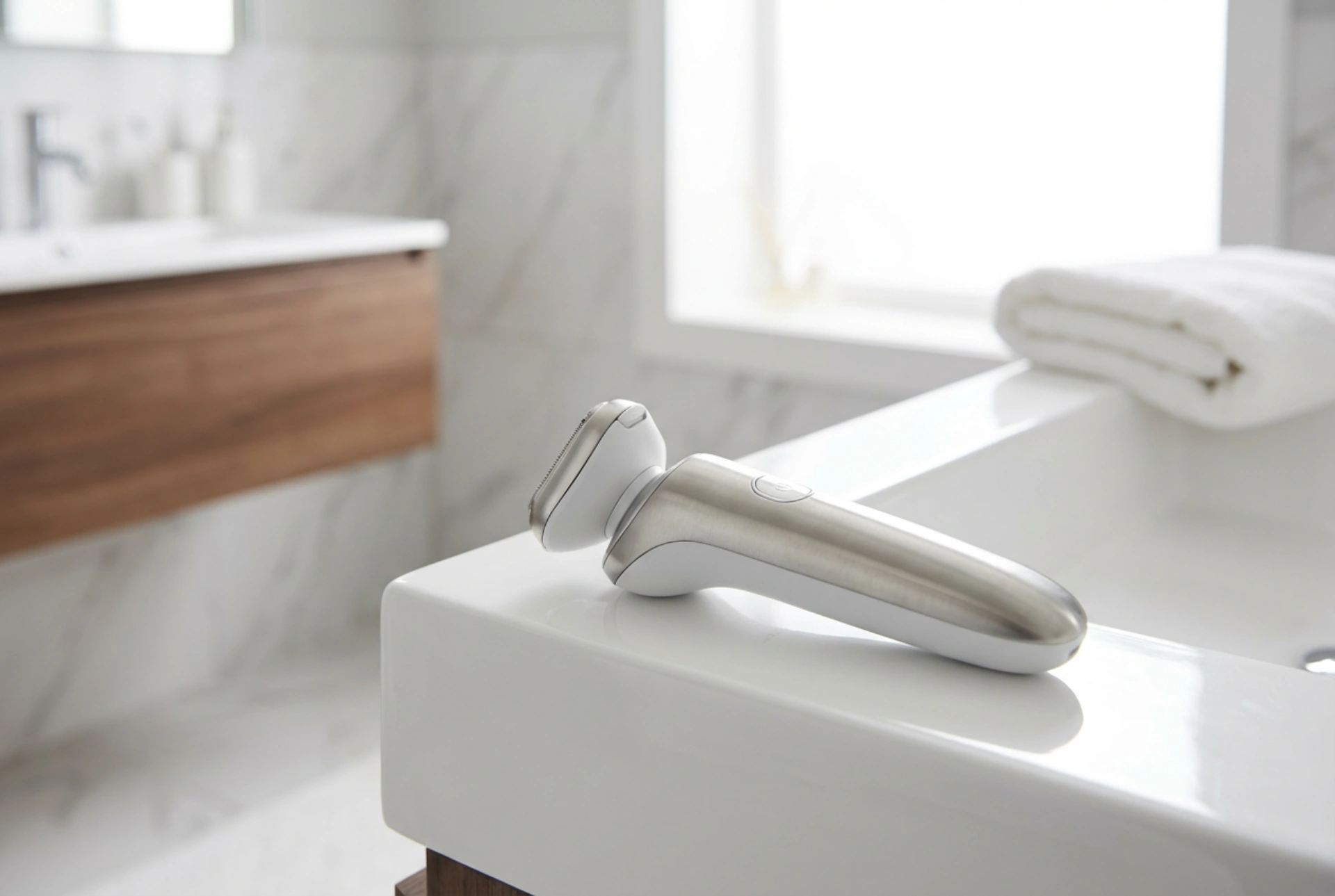


Achieving beautifully smooth skin at home can be a simple and comfortable experience with the right tools. An electric shaver is a modern, convenient, and gentle alternative to traditional razors, offering a quick and effective way to remove unwanted hair. Pictured as a sleek device in a serene bathroom, it represents a fusion of technology and personal care. If you're considering making the switch or want to perfect your technique, this guide will walk you through choosing the right electric shaver and using it for the best possible results.
Why Choose an Electric Shaver?
Electric shavers offer several advantages that make them a popular choice for hair removal. They are particularly beneficial for individuals with sensitive skin, as the blades do not make direct contact with the skin's surface, significantly reducing the risk of nicks, cuts, and irritation. This method is also incredibly convenient; many models can be used for a dry shave anytime, anywhere, without the need for water, foam, or gel. This makes them perfect for quick touch-ups. Furthermore, while the initial investment might be higher, an electric shaver is a durable tool that can last for years, making it a cost-effective and sustainable choice in the long run.
How to Choose the Right Electric Shaver
With various types and features available, selecting the right shaver depends on your personal needs and hair type. Considering a few key factors will help you make an informed decision.
Foil vs. Rotary Shavers
Women's electric shavers typically come in two main types: foil and rotary. A foil shaver features a thin, perforated sheet of metal (the foil) that covers the cutting blades. Hair enters the holes in the foil and is trimmed by the blades moving underneath. Foil shavers are excellent for fine hair and are often recommended for sensitive skin as they provide a very gentle shave. A rotary shaver, on the other hand, has several circular heads with rotating cutters. They are designed to glide over the contours of the body, making them effective for areas like knees and underarms, and they can handle slightly longer hair well.
Wet & Dry Functionality
Many modern electric shavers are designated as 'Wet & Dry'. This means they are waterproof and can be safely used in the bath or shower. Using a shaver on wet skin, often with a little shaving foam or gel, can provide an even more comfortable experience, as the water and lather help the shaver glide more smoothly and soften the hair. This feature also makes cleaning the device incredibly easy—you can simply rinse the shaver head under running water.
Power Source and Portability
Consider how and where you'll most often use your shaver. Cordless, rechargeable models offer the ultimate freedom and portability, ideal for use in the bathroom or for travel. Their battery life typically provides enough power for several shaves on a single charge. Corded shavers must be plugged in during use, which guarantees consistent power but limits mobility. There are also battery-operated models, which are often more compact and affordable, but require regular battery replacement.
How to Use an Electric Shaver for Best Results
Using an electric shaver correctly is crucial for achieving that desired silky-smooth finish. Following a simple routine for preparation, shaving, and aftercare will make all the difference.
Prepare Your Skin
For a dry shave, your skin should be completely clean, dry, and free from any lotions or oils. For a wet shave, it's best to soak in warm water for a few minutes to soften the hair and open up the pores. Gently exfoliating your skin a day or two before shaving can also help by removing dead skin cells and allowing for a closer shave, which can help prevent ingrown hairs.
Perfect Your Technique
Hold the shaver at a 90-degree angle to your skin. With your free hand, pull the skin taut to create a flat, smooth surface. This helps the hair stand up, allowing the shaver to capture it more effectively. Move the shaver in a gentle, controlled motion against the direction of hair growth. There's no need to apply a lot of pressure; let the shaver do the work. Pressing too hard can cause friction and lead to skin irritation.
Soothe and Moisturise After Shaving
Once you've finished shaving, rinse your skin with cool water to help close the pores and remove any remaining loose hairs. Gently pat the skin dry with a soft towel—avoid rubbing, which can cause irritation. To finish, apply a gentle, alcohol-free moisturiser or lotion to soothe the skin, restore its moisture barrier, and leave it feeling soft and hydrated.
Maintaining Your Electric Shaver
Proper maintenance is essential for ensuring your electric shaver remains hygienic and performs at its best. After each use, turn off the device and remove the shaver head. Use the small brush that typically comes with the shaver to clean out any trapped hairs. If your model is waterproof, you can rinse the head and cutters under warm running water. Allow all parts to air dry completely before reassembling. For long-term performance, the cutting blades and foils will eventually wear out. It's important to replace them according to the manufacturer's recommendations—usually every 12 to 24 months—to ensure a close, comfortable shave every time.