

An overnight face mask, often called a sleeping mask, is a wonderful addition to any evening skincare ritual, working its magic while you rest. Unlike traditional masks that are washed off after 15-20 minutes, these are designed to be left on all night, providing a continuous supply of beneficial ingredients. They create a permeable seal on the skin that locks in moisture and the products layered underneath, allowing you to wake up to a complexion that feels refreshed, hydrated, and visibly plumper. Understanding how to prepare your skin and apply the mask correctly is key to unlocking its full potential.
Why Incorporate an Overnight Mask?
During the night, our skin's regeneration process is at its peak. Blood flow to the skin increases, and it works to repair damage from the day's environmental stressors. An overnight mask supports this natural cycle by delivering a concentrated dose of active ingredients. These masks are formulated to be lighter in texture than traditional rinse-off masks, allowing the skin to breathe while still forming a protective barrier. Depending on their ingredients, they can target various concerns, from intense hydration and nourishment to brightening and improving skin elasticity. Using one is like providing your skin with an eight-hour intensive treatment.
Essential Skin Preparation Steps
Proper preparation ensures that your skin is ready to absorb all the goodness from the mask. Skipping these steps can hinder the product's effectiveness and even trap impurities on the skin's surface.
Step 1: Thorough Cleansing
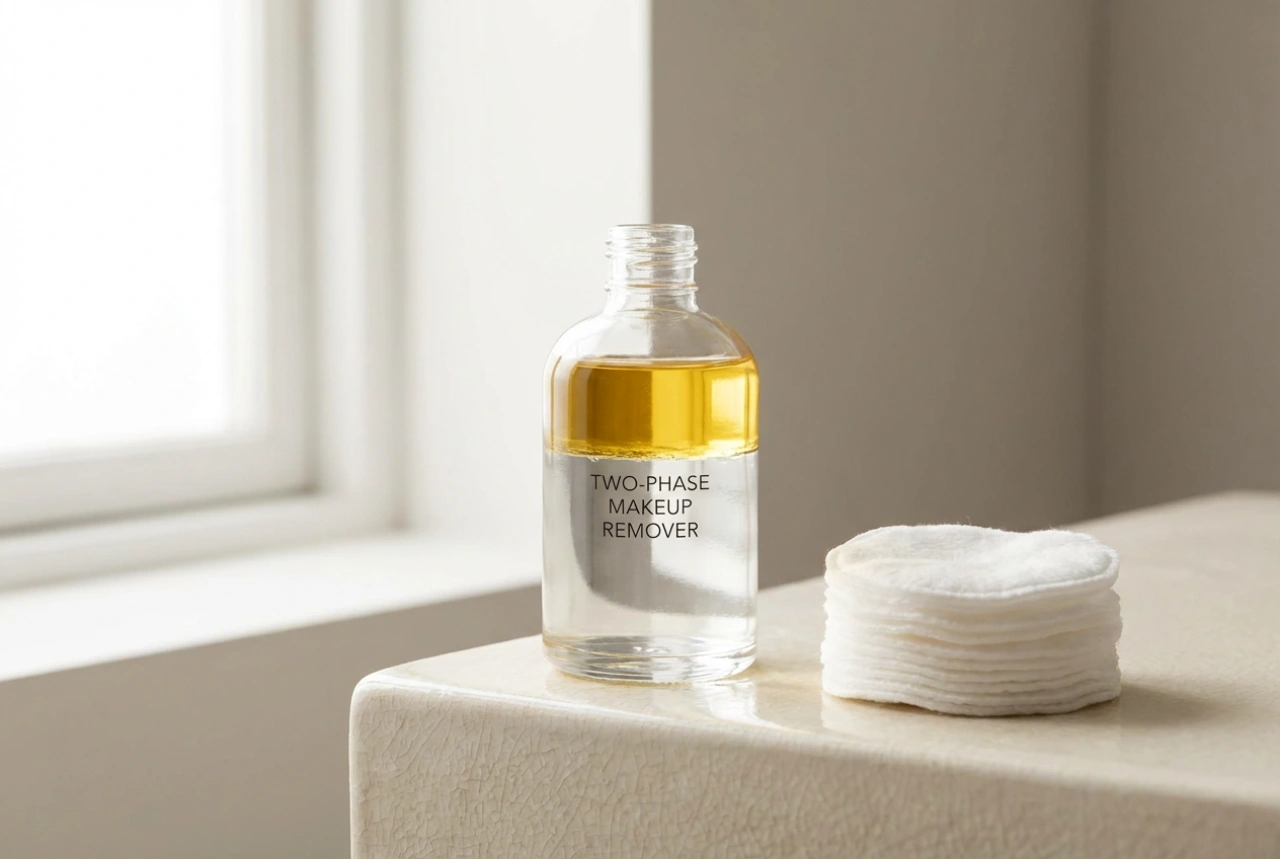
Start with a completely clean canvas. It's crucial to remove all traces of makeup, sunscreen, and daily grime. A double-cleansing method is highly effective for this. Begin with an oil-based cleanser to dissolve makeup and sebum, then follow up with a water-based cleanser to wash away any remaining residue. Pat your skin dry with a soft, clean towel. This two-step process ensures your pores are clear and ready for the next steps.
Step 2: Toning
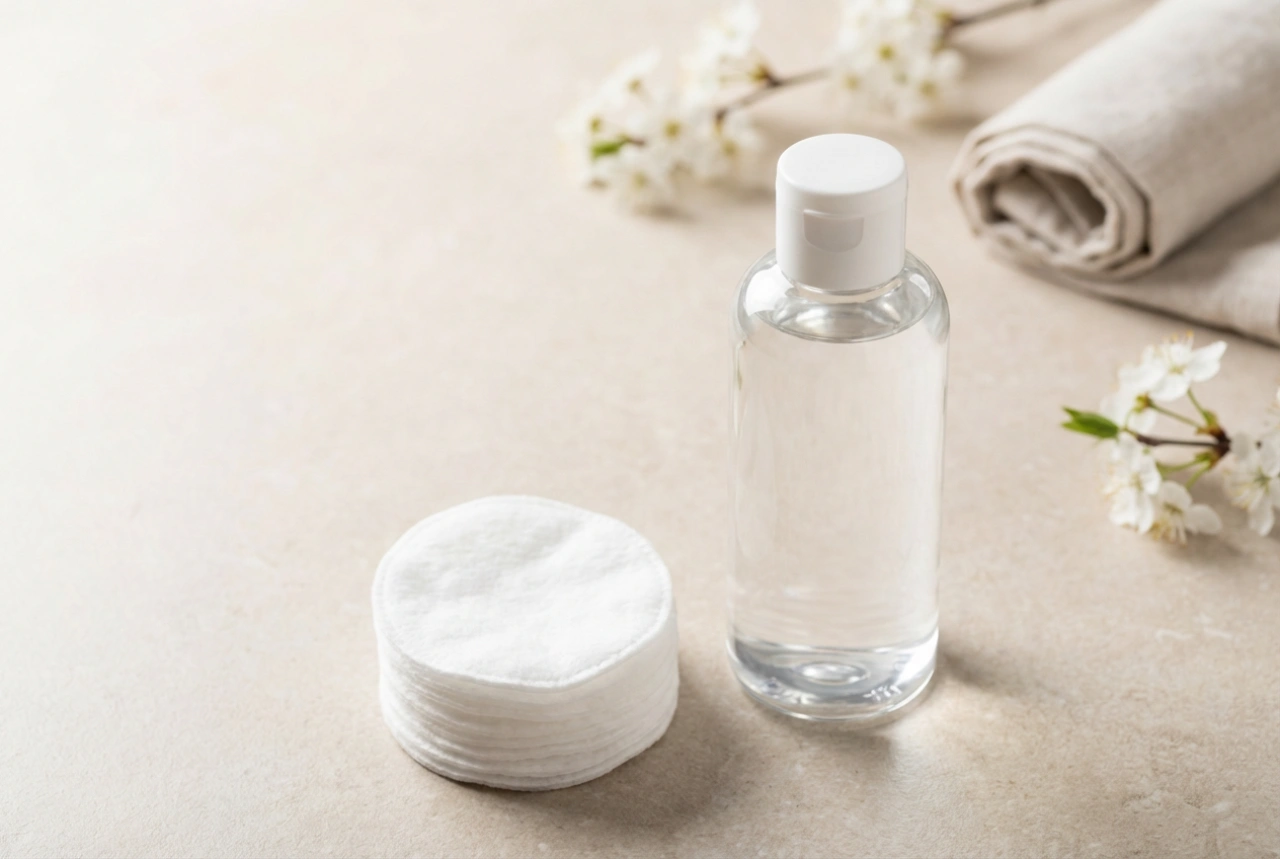
After cleansing, apply a toner. A good toner helps to rebalance your skin’s pH level, which can be slightly altered during cleansing. It also provides a light layer of hydration and sweeps away any final impurities. More importantly, damp skin is more permeable than dry skin, so applying a toner helps the products that follow—including your overnight mask—to penetrate more deeply and effectively.
Step 3: Applying Serums (Optional)
If you use targeted treatments like serums (for example, those containing hyaluronic acid or peptides), you can apply them before your overnight mask. Apply a thin layer of your chosen serum and allow it to absorb for a minute or two. The mask will then act as an occlusive layer, sealing in the serum and enhancing its performance throughout the night.
The Art of Applying an Overnight Mask
Once your skin is prepped, it's time to apply the mask. The technique is simple but makes a difference in the overall experience and results.
How Much to Use
You don't need to apply a very thick, opaque layer. The goal is to use a generous amount, slightly more than your usual night cream, so that it forms a comfortable, visible film on the skin. A small, almond-sized amount is often sufficient for the entire face. Using too much can feel sticky and lead to product transfer onto your pillowcase.
Application Technique
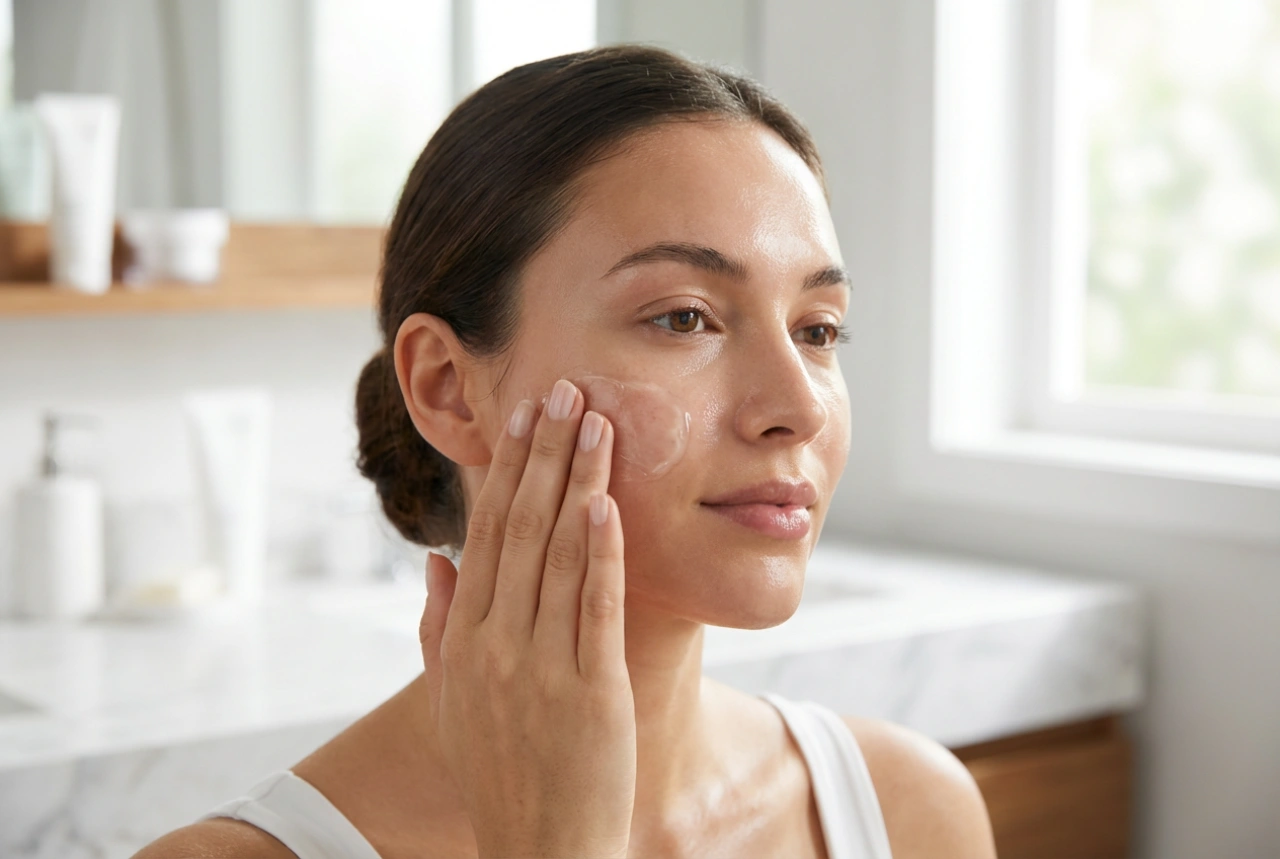
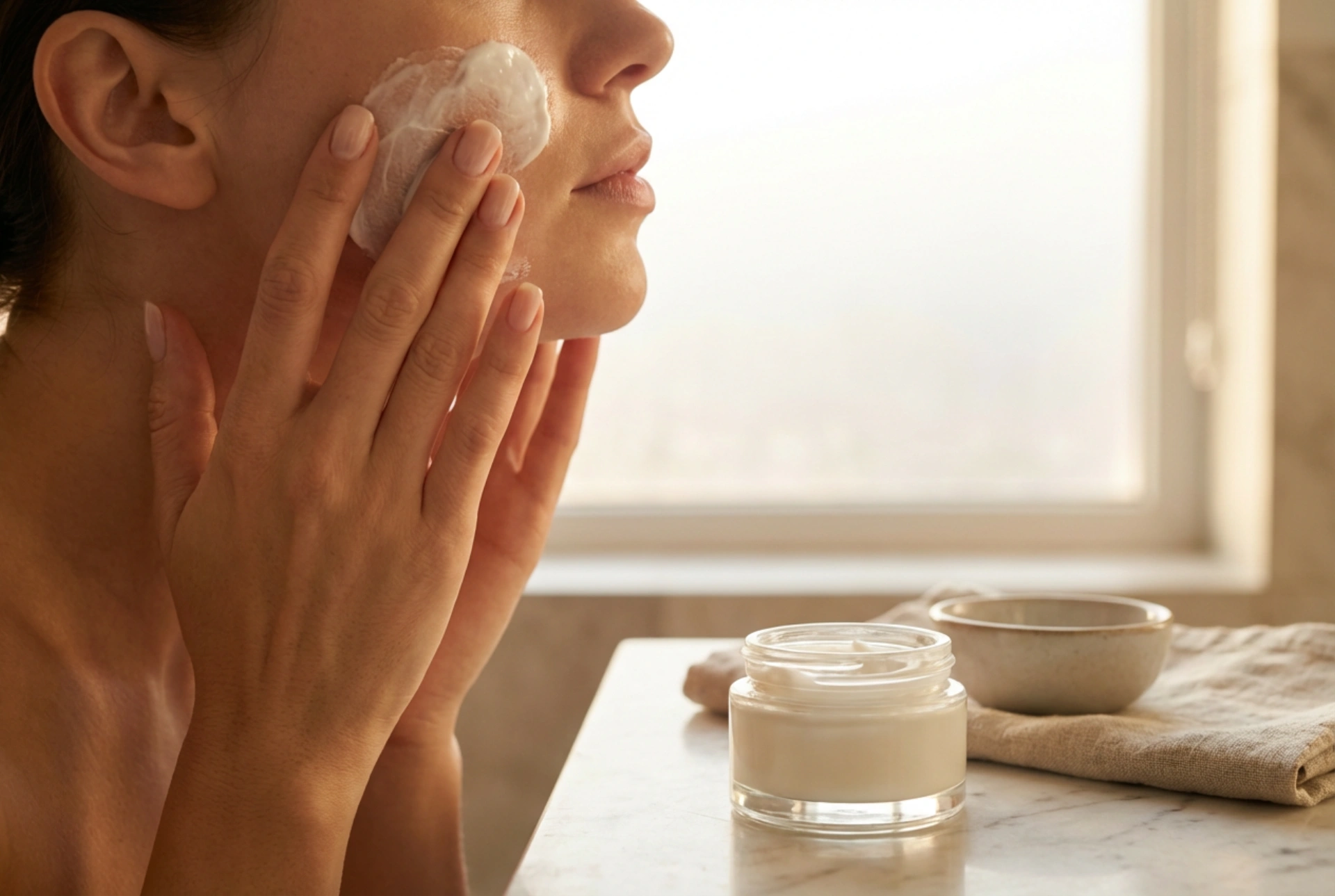
Using clean fingertips or a dedicated spatula, dot the mask onto your forehead, cheeks, nose, and chin. Then, gently spread it across your face in upward and outward motions. This gentle massaging action helps to stimulate circulation. Be sure to avoid the delicate eye and lip areas unless the product is specifically formulated for them. Don't forget to apply it to your neck and décolletage, as these areas also benefit from the extra care.
Allow Time for Absorption
To prevent a messy pillowcase, it's best to apply your overnight mask about 20-30 minutes before you go to bed. This gives the product enough time to absorb partially and set on the skin, forming a thin, non-sticky barrier. You can use this time to relax, read a book, or complete the rest of your bedtime routine.
The Morning After Routine
Waking up after using an overnight mask should reveal softer, more radiant skin. The final step is to properly handle your skin in the morning. Most sleeping masks don't need to be vigorously scrubbed off. Simply rinse your face with lukewarm water or use your gentle morning cleanser to remove any remaining product residue. Afterwards, you can proceed with your standard morning skincare routine: toner, serum, moisturiser, and, most importantly, a broad-spectrum sunscreen to protect your newly refreshed skin.