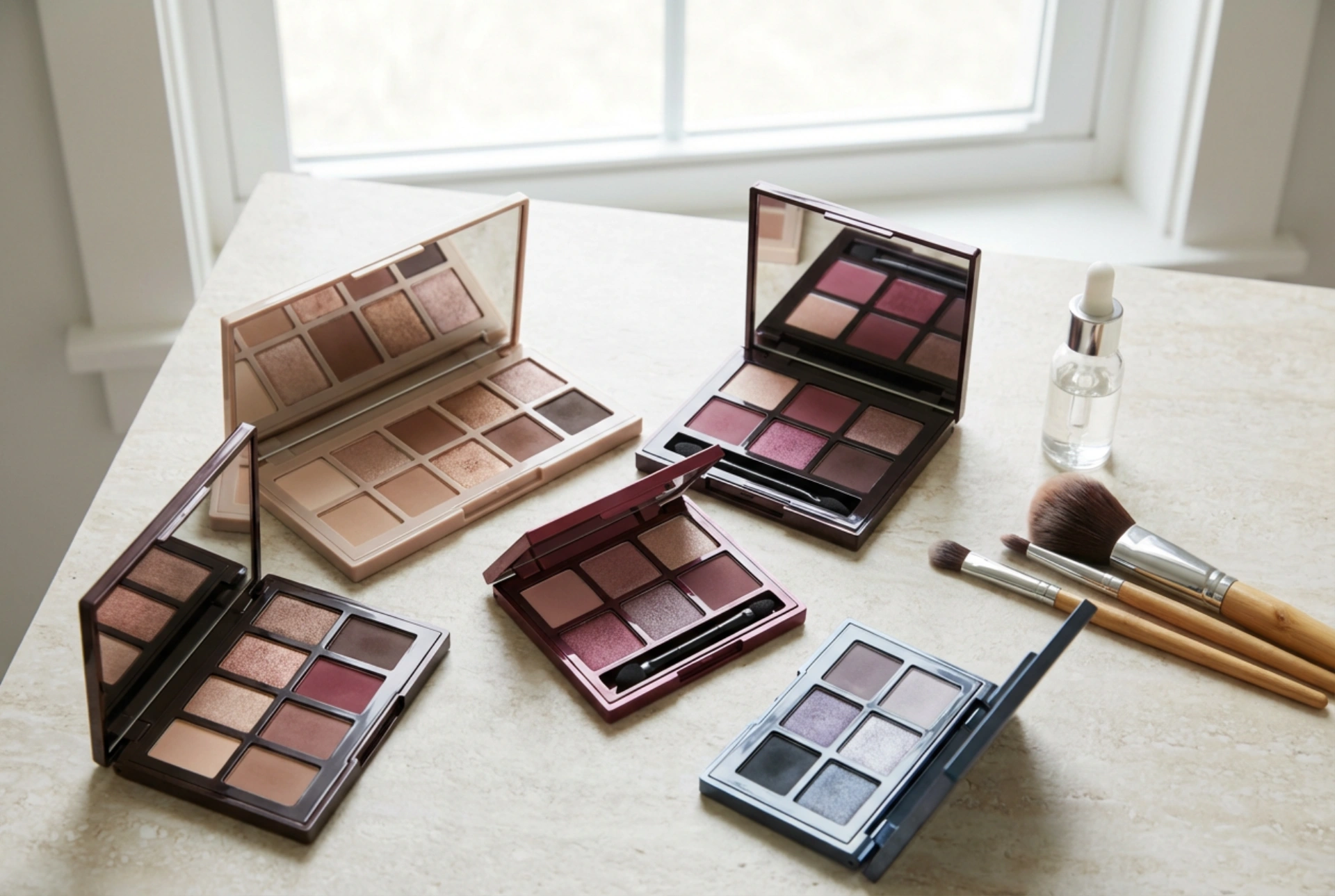


A glance at a collection of eyeshadow palettes reveals a beautiful world of colour, texture, and possibility. Yet, the sheer variety can often feel overwhelming. Choosing the right palette is a personal journey, but a few guiding principles can transform a confusing choice into a confident decision. The perfect palette is one that not only contains beautiful shades but also works harmoniously with your unique features and lifestyle, allowing you to create countless looks with ease.
Understanding Your Skin Tone and Undertone
The foundation of choosing flattering makeup colours lies in understanding your skin. While your skin tone (e.g., fair, light, medium, deep) is easy to identify, your undertone is the subtle hue beneath the surface that affects the overall appearance of colours on your skin. There are three main undertones: cool, warm, and neutral.
How to Identify Your Undertone
- Vein Test: Look at the veins on the inside of your wrist. If they appear blue or purple, you likely have a cool undertone. If they look greenish, you have a warm undertone. If you can't decide or see a mix of both, you may be neutral.
- Jewellery Test: Think about which type of metal jewellery flatters your skin most. Silver and platinum tend to look best on cool undertones, while gold complements warm undertones. If you can wear both equally well, you are likely neutral.
Once you know your undertone, you can select palettes with shades that will naturally enhance your complexion. Cool undertones are flattered by colours with blue, pink, or purple bases, such as jewel tones, cool-toned browns, and taupes. Warm undertones shine with earthy shades like gold, copper, bronze, peach, and olive green. Neutral undertones have the versatility to wear almost any colour, though they may find that neither extremely cool nor extremely warm shades are the most flattering.
Decoding Eyeshadow Textures and Finishes
A great eyeshadow palette offers a variety of finishes to help you create dimension and interest. Understanding the purpose of each texture is key to building a complete eye look.
- Matte: These shadows have no shimmer or shine. They are essential for creating depth in the crease, defining the lash line, and serving as transition shades to blend other colours seamlessly. A palette without at least a few matte options can be difficult to work with.
- Satin/Shimmer: With a subtle sheen, these finishes are perfect for adding a touch of light to the eyelid or brow bone. They are less intense than metallics and provide a soft, luminous effect that is suitable for everyday wear.
- Metallic: These offer a high-shine, foiled effect. Metallics are fantastic for making the eyelids pop and are often the centrepiece of a more glamorous look. They catch the light beautifully and add a dramatic touch.
- Glitter: Composed of fine or chunky glitter particles, these are best used as a topper to add sparkle and dimension. They are ideal for special occasions when you want your eyes to truly stand out.
A well-balanced palette will typically include a mix of these finishes, allowing you to contour with mattes and highlight with shimmers or metallics.
Building a Versatile Palette Collection
While it is tempting to buy every beautiful palette, a strategic approach will serve you better. Start with a foundation piece that will get the most use.
The Essential Neutral Palette
Every makeup collection benefits from a high-quality neutral palette. Look for one that contains a range of light, medium, and dark shades of brown, beige, and taupe. It should have a good balance of matte and shimmer finishes. This type of palette is incredibly versatile, allowing you to create simple daytime looks as well as more dramatic evening styles. It provides the essential transition and defining shades that can be used with any other palette you own.
Adding Colour and Character
Once you have your neutral base covered, you can explore more colourful options. Consider palettes that complement your eye colour. For example, bronze and copper shades make blue eyes appear more vibrant, while purples and plums can enhance green eyes. Brown eyes are versatile and look great with almost any colour, including deep blues and greens. When choosing a colourful palette, assess its colour story. Do the shades work well together? Does it inspire you to be creative? Sometimes a smaller, curated palette with four to six shades is a great way to experiment with colour without committing to a large, overwhelming collection.
Ultimately, selecting an eyeshadow palette should be an enjoyable process. By considering your skin's undertone, understanding the role of different finishes, and thinking about your personal style, you can make an informed choice. The best palette is the one that you will reach for time and again, a tool that empowers you to express yourself and enhance your natural beauty.