

A classic pink lip gloss is a staple in many makeup collections, offering a fresh, youthful, and naturally radiant finish. From subtle pastel hues to vibrant magentas, the versatility of pink allows it to complement almost any look. When applying your makeup in the soft light of morning, choosing the right product and technique can transform a simple routine into an elegant ritual. Understanding the science of shades and the proper application methods is key to achieving a sophisticated, non-sticky finish that lasts throughout the day.
How to Choose the Right Shade of Pink
Finding the perfect pink lip gloss depends primarily on understanding your skin's natural undertones. Selecting the correct temperature of pink will harmonise your features and brighten your overall complexion. Consider these general guidelines to find your ideal match:
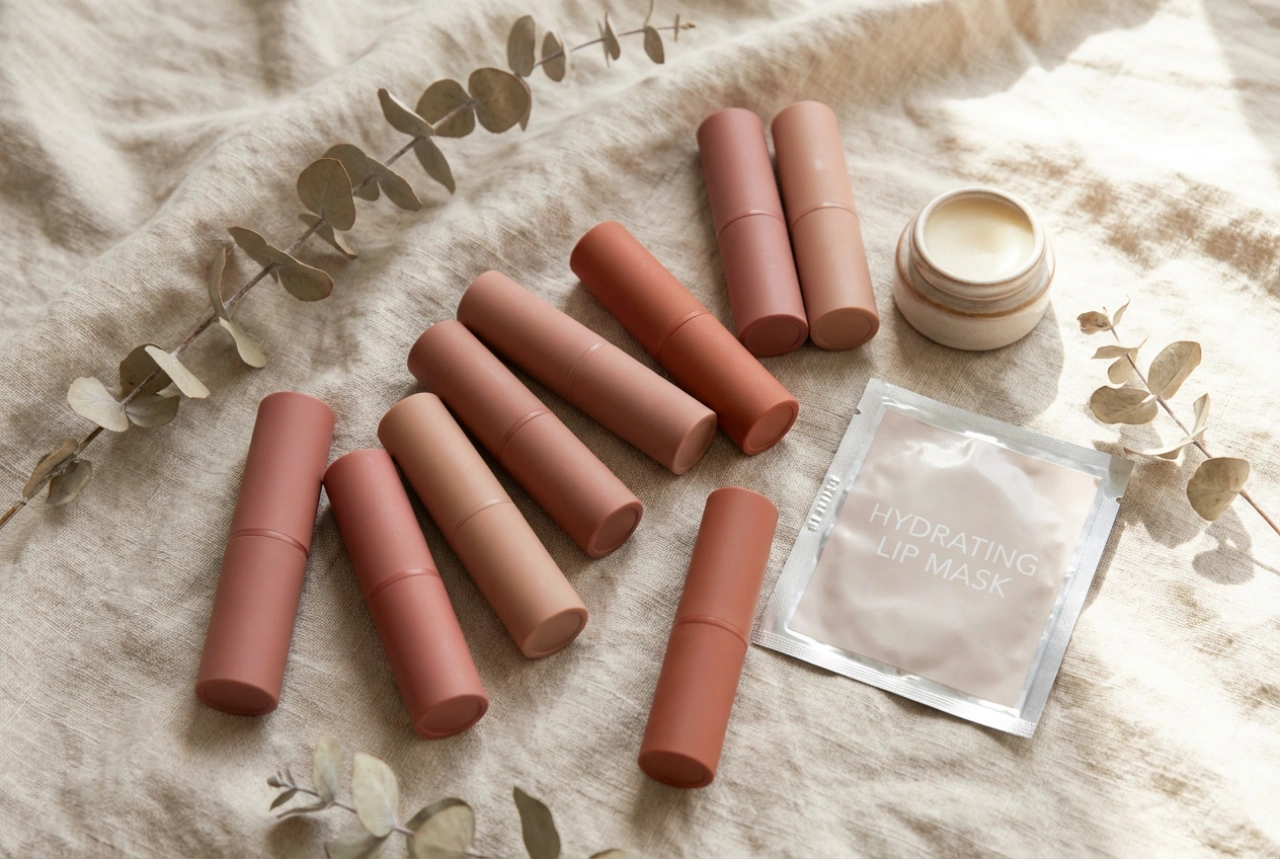
- Cool Undertones: If your skin has rosy, blue, or pink undertones, look for cool-toned pinks. Berry pinks, soft lavenders, and pastel baby pinks with blue or silvery micro-shimmer will complement your complexion beautifully.
- Warm Undertones: For skin with golden, yellow, or peach undertones, warm pinks are highly flattering. Opt for coral-pinks, peachy-pinks, or warm salmon tones that enhance the natural warmth of your skin.
- Neutral Undertones: If you have a balance of warm and cool tones, you can wear almost any shade. Classic dusty rose, mauve, and true neutral pinks offer a sophisticated, timeless look.
Considering Lip Pigmentation
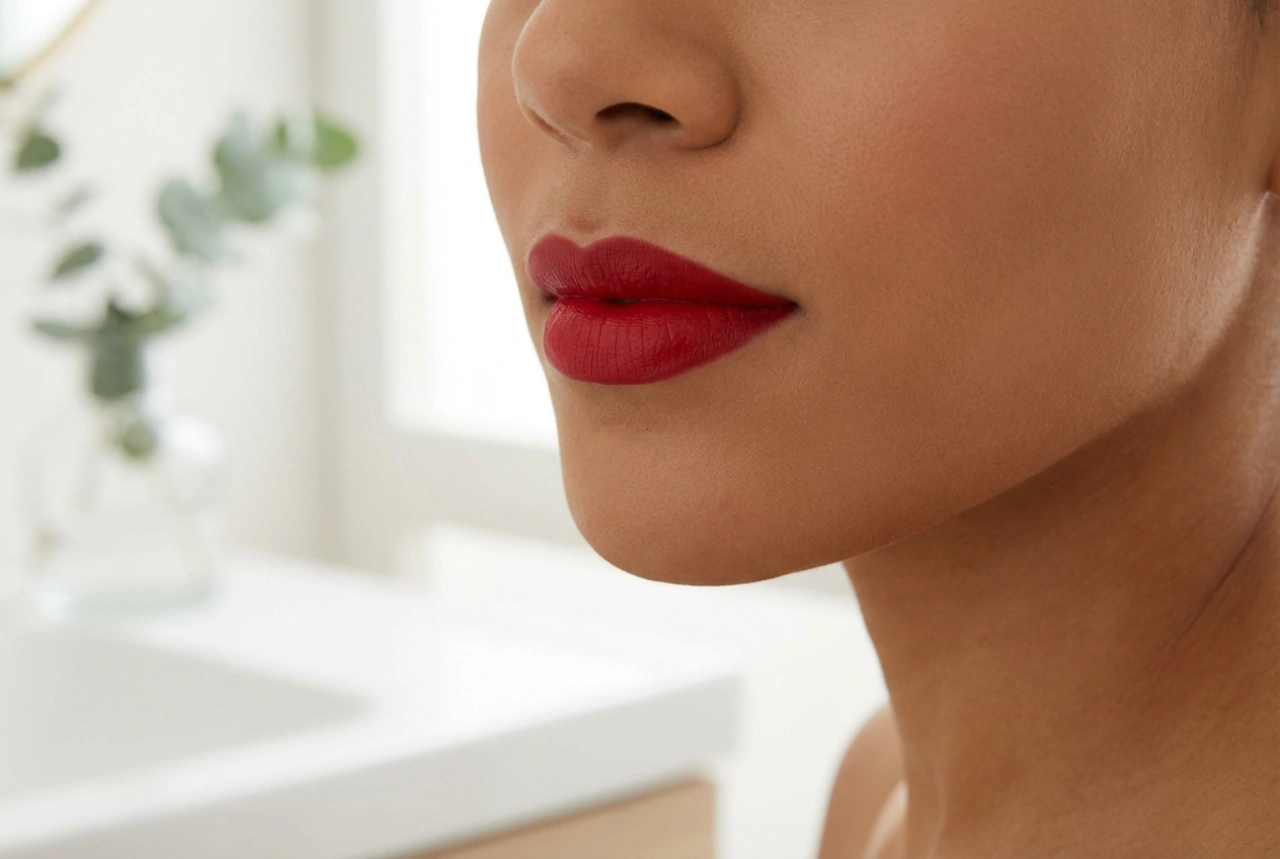
The natural colour of your lips also plays a significant role in how a gloss will appear. If you have highly pigmented lips, a sheer light pink may look almost translucent or slightly grey. In this case, choosing a deeper mauve or a gloss with medium coverage will ensure the pink shade is visible and flattering.
Step-by-Step Application for a Flawless Finish
Achieving a smooth, even application prevents the product from settling into fine lines or feathered edges. A systematic approach ensures a clean and modern aesthetic.
1. Preparation and Exfoliation
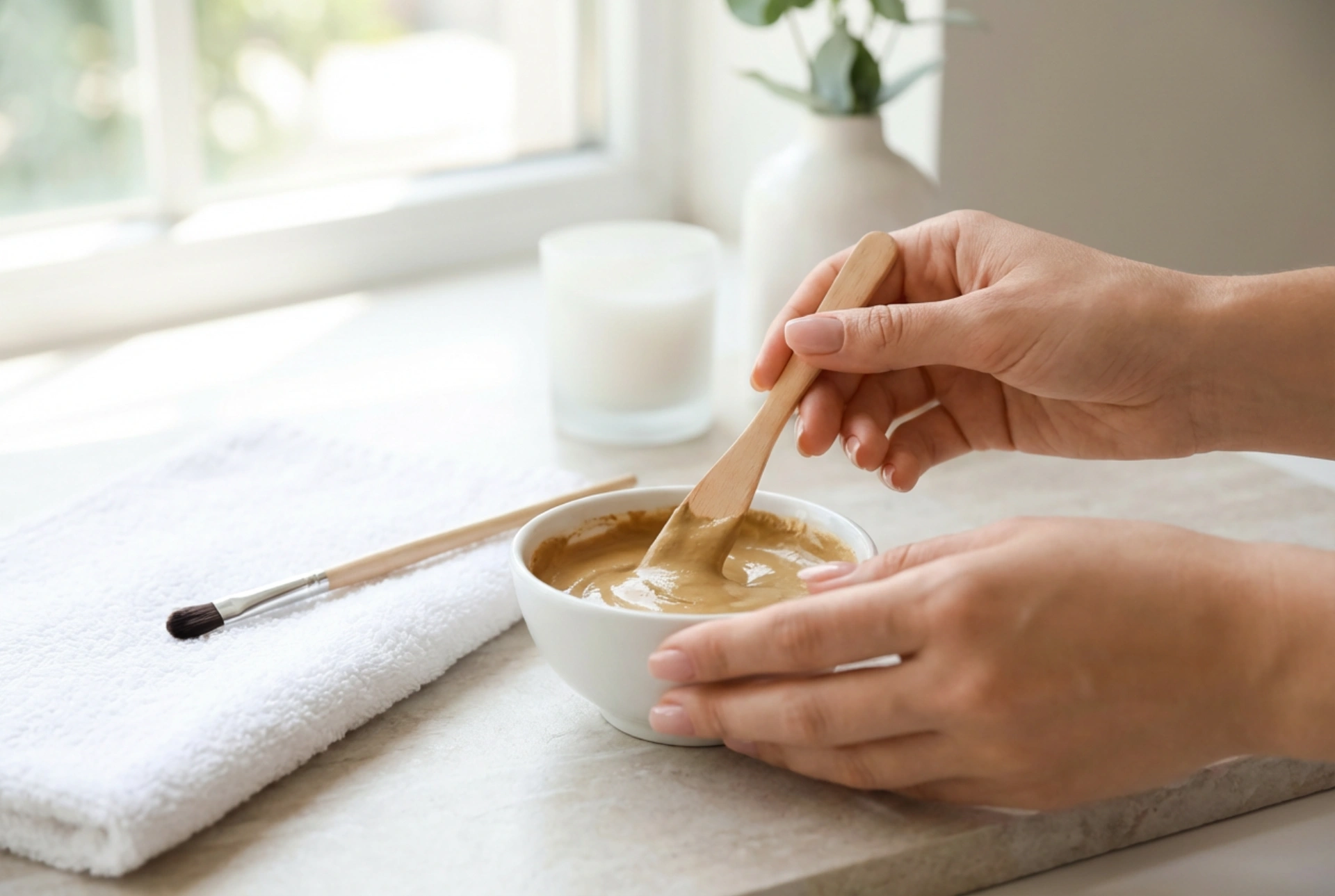
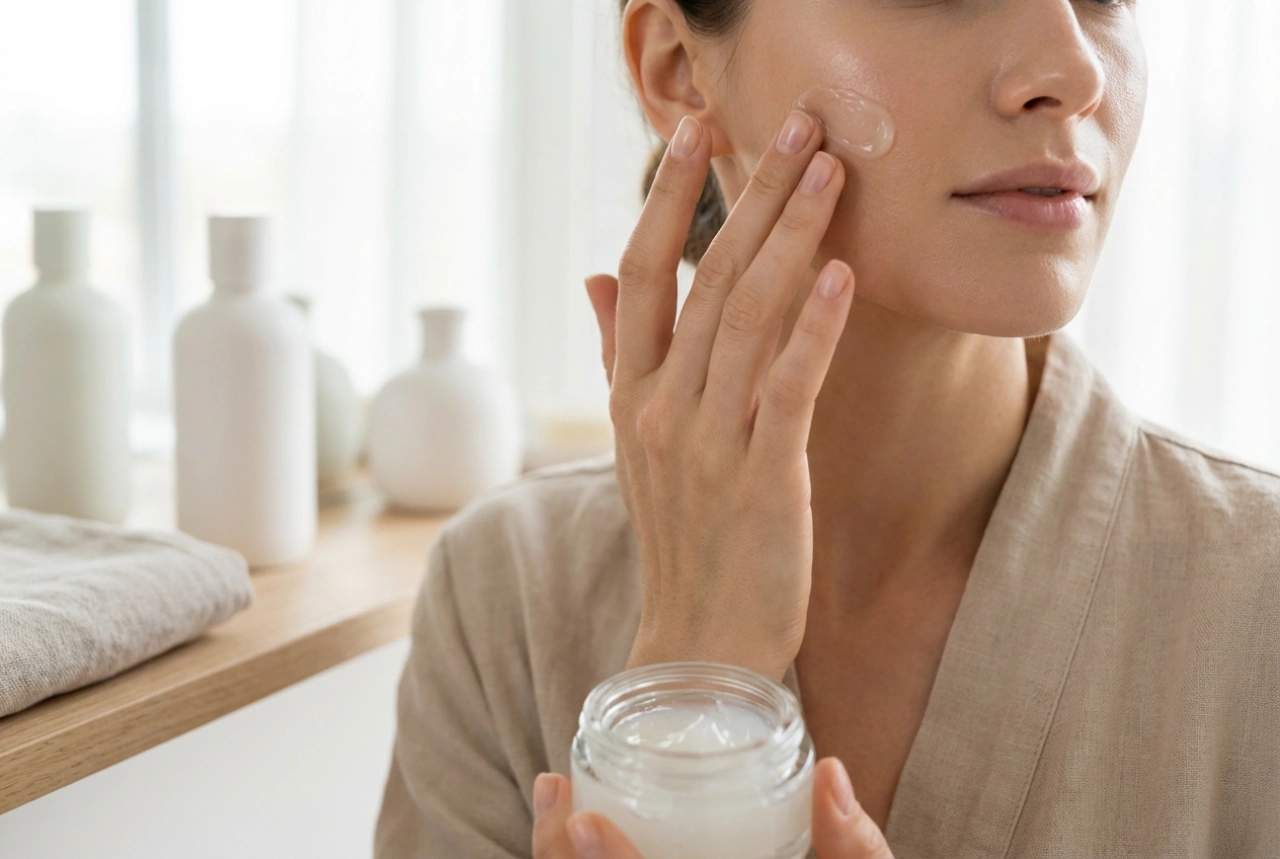
A glossy finish highlights the texture of your lips, meaning any dryness will be magnified. Begin by gently exfoliating your lips with a soft washcloth or a mild, sugar-based lip scrub. Follow immediately with a lightweight, hydrating lip balm, allowing it to absorb fully before moving on to cosmetic application.
2. Defining the Contour
To prevent the gloss from migrating outside the lip line, consider using a neutral lip liner that matches either your natural lip colour or the chosen gloss. Gently trace the borders of your lips, softly blending the line inwards with your fingertip to avoid harsh edges.
3. Applying the Gloss
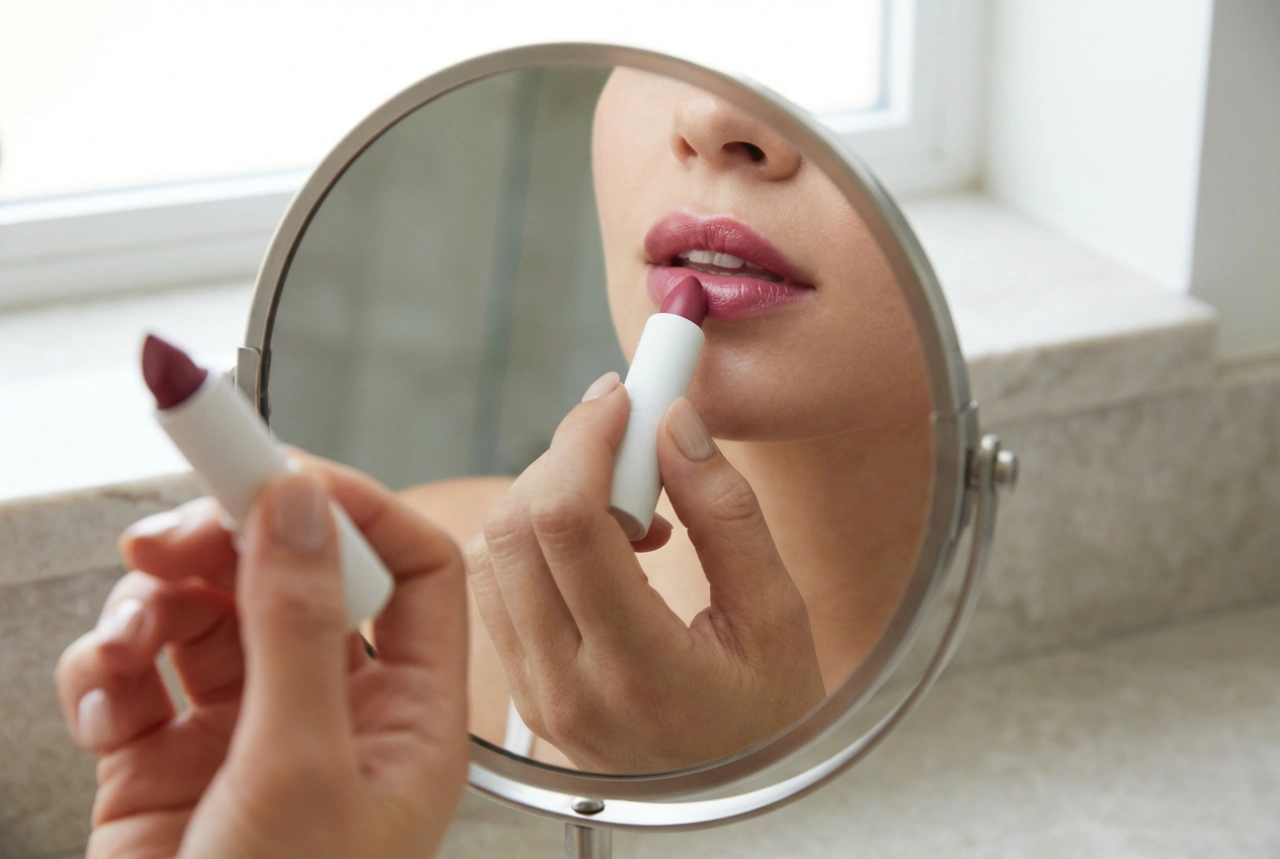
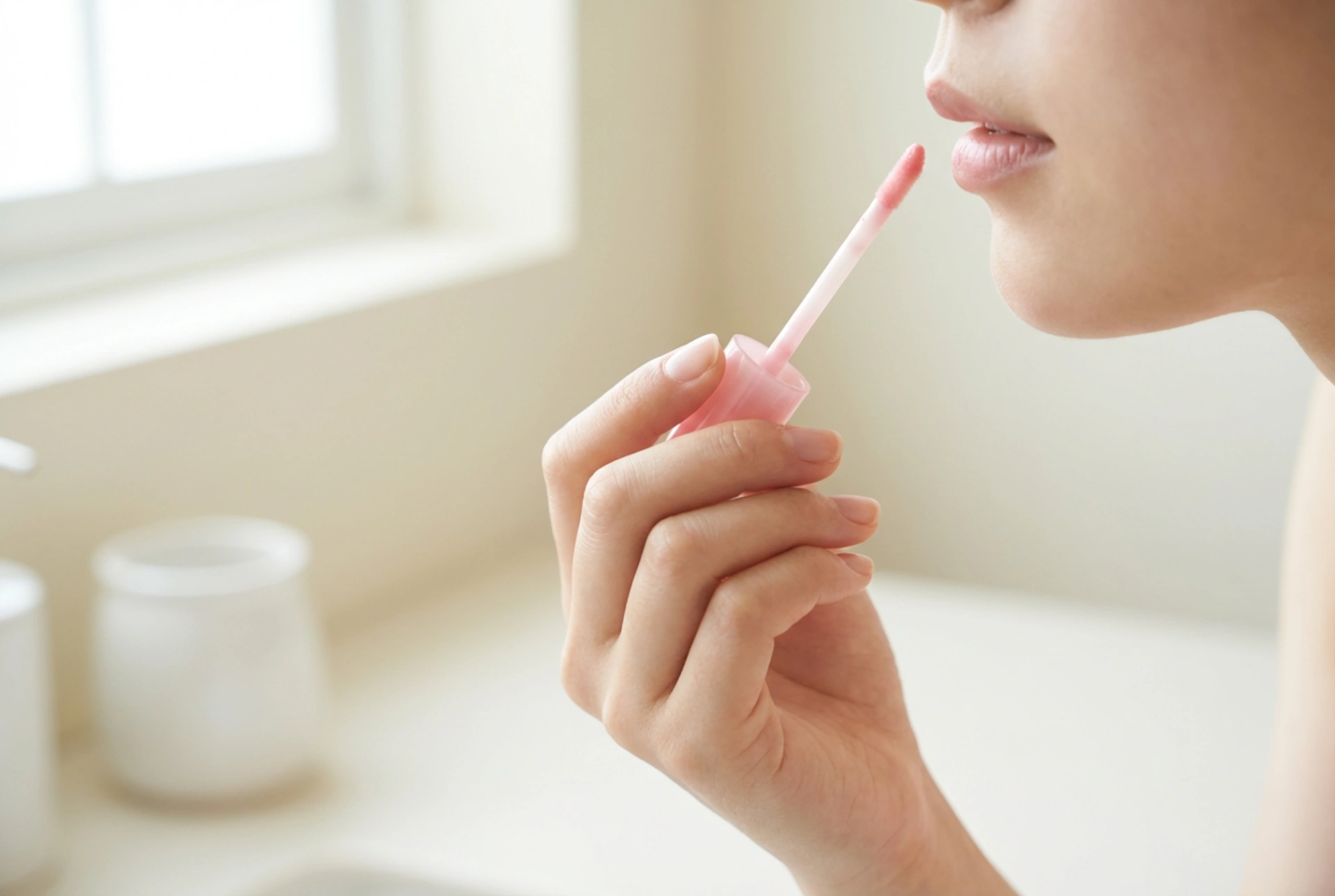
Using the applicator, place a small amount of gloss in the centre of your lower lip and spread it outwards towards the corners. Repeat on the upper lip, focusing the highest concentration of shine in the very centre to create the illusion of fuller, more defined lips. Avoid applying too much product near the outer corners of the mouth to prevent pooling.
How to Improve the Longevity of Lip Gloss
By nature, lip gloss has a shorter wear time than matte lipsticks due to its emollient properties. However, there are several practical techniques to extend its staying power without compromising the comfortable, lightweight feel.
First, try the layering method. Applying a thin layer of lip liner over the entire lip area before applying your gloss provides a textured base for the gloss to adhere to. Second, blot and repeat. After the first light application of gloss, gently press your lips together against a clean tissue, then apply a second thin layer. This technique builds a more resilient barrier of shine. Finally, choose formulations that balance nourishment with adhesion, avoiding overly heavy or sticky textures that can attract dust and wear off unevenly.