

A gel manicure provides a durable and glossy finish that can last for weeks, but its removal requires a careful approach to protect the health of your natural nails. Removing it incorrectly can lead to weak, brittle, and damaged nails. Fortunately, with the right tools and technique, you can safely remove gel polish at home, ensuring your nails remain strong and ready for their next look. This guide will walk you through the process step by step, focusing on safe and effective methods.
Preparation is Key: Gathering Your Tools
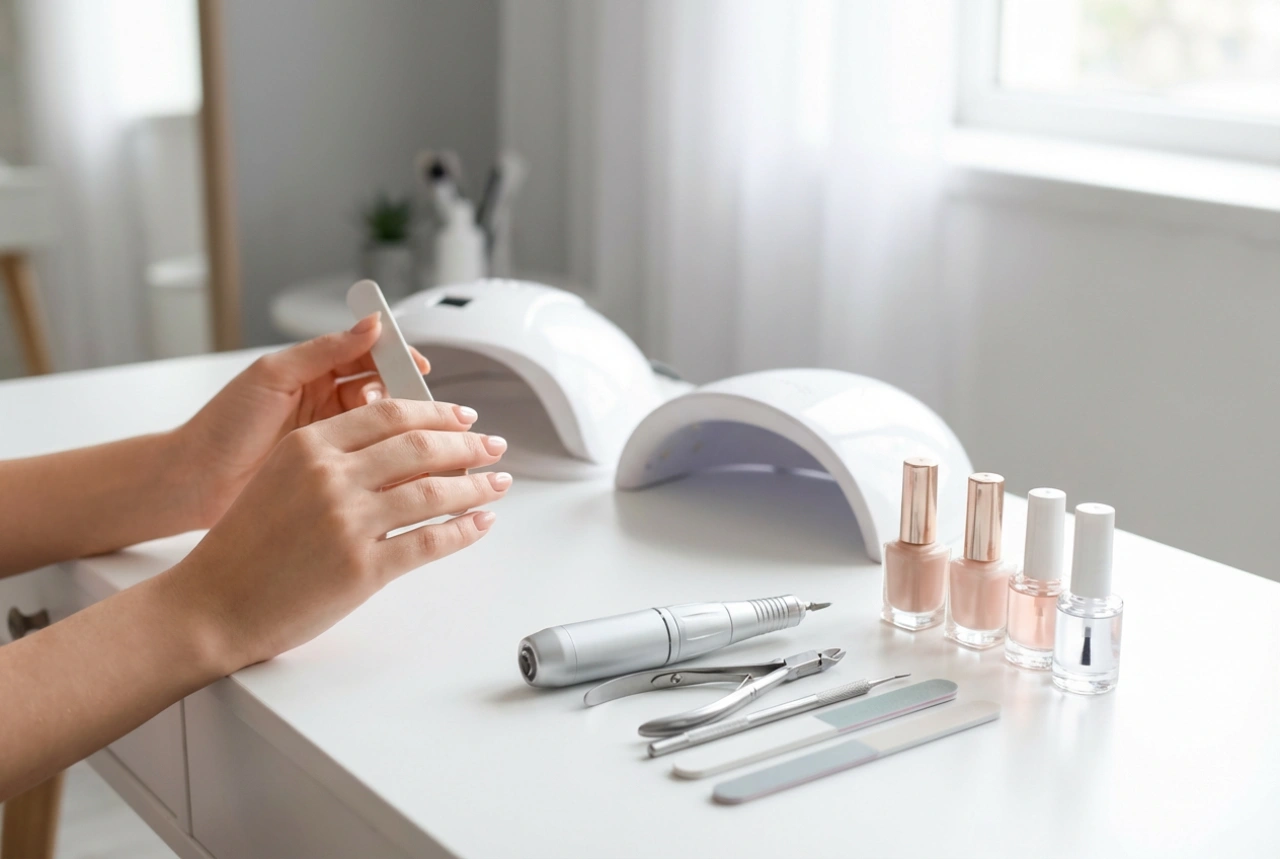
Before you begin, it’s essential to have all the necessary items on hand to make the process smooth and efficient. A rushed job is more likely to result in nail damage. Here’s what you’ll need:
- A coarse nail file (100/180 grit): This is used to break the seal of the top coat, allowing the remover to penetrate the gel polish.
- A nail buffer: For smoothing the nail surface after the polish has been removed.
- Acetone-based nail polish remover: Standard polish remover won't be strong enough. Look for a product containing acetone, which is effective at dissolving gel polish.
- Cotton pads or balls: You will soak these in the remover and apply them to your nails.
- Aluminium foil: Cut into small squares (about 10x10 cm), large enough to wrap around your fingertips to hold the cotton pads in place.
- A wooden cuticle stick or a gentle cuticle pusher: This will be used to gently scrape away the softened polish.
- Cuticle oil or a thick cream: To protect the skin around your nails from the drying effects of acetone.
The Acetone Soak Method: A Step-by-Step Guide
This is the most common and widely recommended method for removing gel polish at home. Patience is crucial for this process to work effectively without harming your nails.
Step 1: File the Top Coat
Using your coarse nail file, gently but thoroughly file the shiny surface of your gel manicure. You don’t need to file all the way down to your natural nail, just enough to remove the top coat and break the seal. The surface should look dull and matte when you're done. This step is critical as it allows the acetone to soak into the gel layers.
Step 2: Protect Your Skin
Acetone can be very drying to the skin. Apply a generous amount of cuticle oil or a thick barrier cream to the skin around your nails and on your fingertips. Be careful not to get any on the nail plate itself, as this could prevent the acetone from working properly.
Step 3: Soak and Wrap
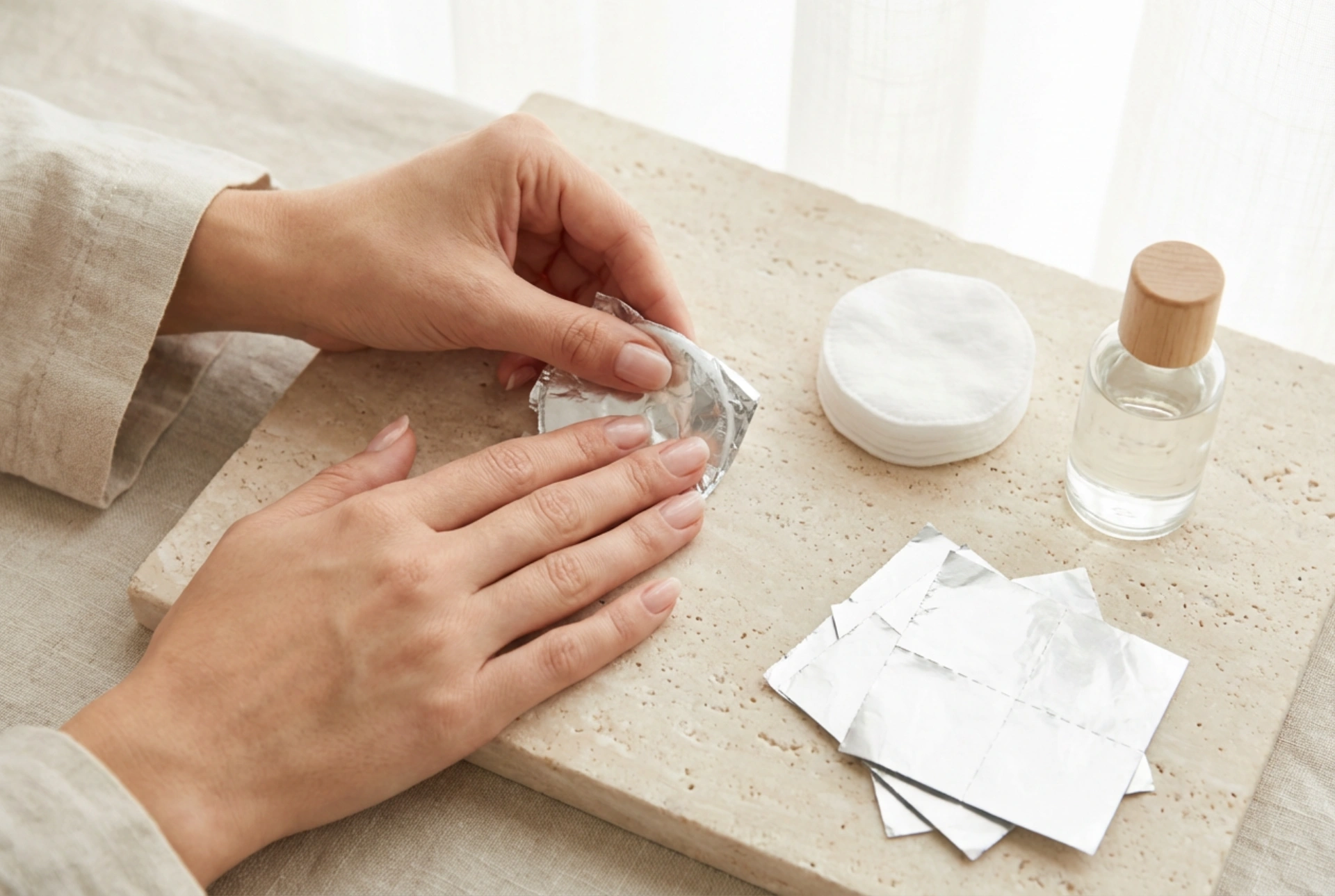
Saturate a small piece of a cotton pad with the acetone-based remover. Place the soaked cotton directly onto your nail, ensuring it covers the entire surface. Immediately wrap the aluminium foil square tightly around your fingertip, securing the cotton pad in place. The foil traps heat, which helps the acetone work more effectively. Repeat this process for all ten nails.
Step 4: Wait Patiently
Let your nails soak for 10-15 minutes. You might feel a slight warming or tingling sensation, which is normal. Resist the urge to peek too early. If you are removing a particularly thick or glittery polish, you may need to wait up to 20 minutes.
Step 5: Gently Remove the Polish
After the waiting time, press down on the foil and slide it off one finger. The gel polish should look lifted and be flaking off easily. Use your wooden cuticle stick or gentle pusher to carefully scrape away the softened polish. Start at the cuticle area and push towards the tip of the nail. If the polish doesn't come off easily, do not force it. Instead, re-wrap the nail with a fresh acetone-soaked cotton pad and wait another 5 minutes.
Common Mistakes to Avoid
Proper removal is just as important as a good application. Avoid these common errors to keep your nails in top condition:
- Peeling or picking off the polish: This is the most damaging thing you can do. When you peel off gel polish, you are also tearing off the top layers of your natural nail, leading to thinning and weakness.
- Over-filing the natural nail: Be gentle when filing the top coat and buffing afterwards. Aggressive filing can thin the nail plate and make it more susceptible to breaking.
- Rushing the soaking process: If the polish isn’t lifting easily, it needs more time to soak. Forcing and scraping stubborn polish will damage the nail underneath.
- Using sharp metal tools: Avoid using sharp or metal instruments to scrape off the polish, as they can easily gouge or scratch your natural nails. A wooden or soft-tipped pusher is a much safer choice.
Aftercare: Nurturing Your Nails Post-Removal
Once all the polish is gone, your nails will need some extra care to rehydrate and recover from the acetone.
Step 1: Buff and Shape
Lightly buff the surface of your nails with a soft buffer block to smooth out any remaining unevenness. You can also gently file and shape your nails as desired.
Step 2: Wash and Hydrate
Wash your hands thoroughly with a gentle soap and water to remove any acetone residue. Pat your hands dry and immediately apply a generous amount of cuticle oil to your nails and the surrounding skin. Massage it in to boost circulation and hydration.
Step 3: Moisturise
Finish by applying a rich hand cream to lock in moisture. For an intensive treatment, consider applying a thick layer of oil and cream before bed. Giving your nails a break from polish for a few days can also help them regain their natural strength and moisture balance.