

Achieving a salon-quality manicure at home has become more accessible than ever, thanks to advanced tools that bring professional techniques into our personal care routines. A key component of many modern home nail kits is the electric nail file, often called an e-file or nail drill. This powerful tool can simplify tasks like shaping nails, managing cuticles, and removing old polish. However, using it correctly and safely is crucial for beautiful and healthy nails. This guide will walk you through the essential accessories and principles for using an e-file at home.
What's Inside a Home Nail Kit with an E-File?
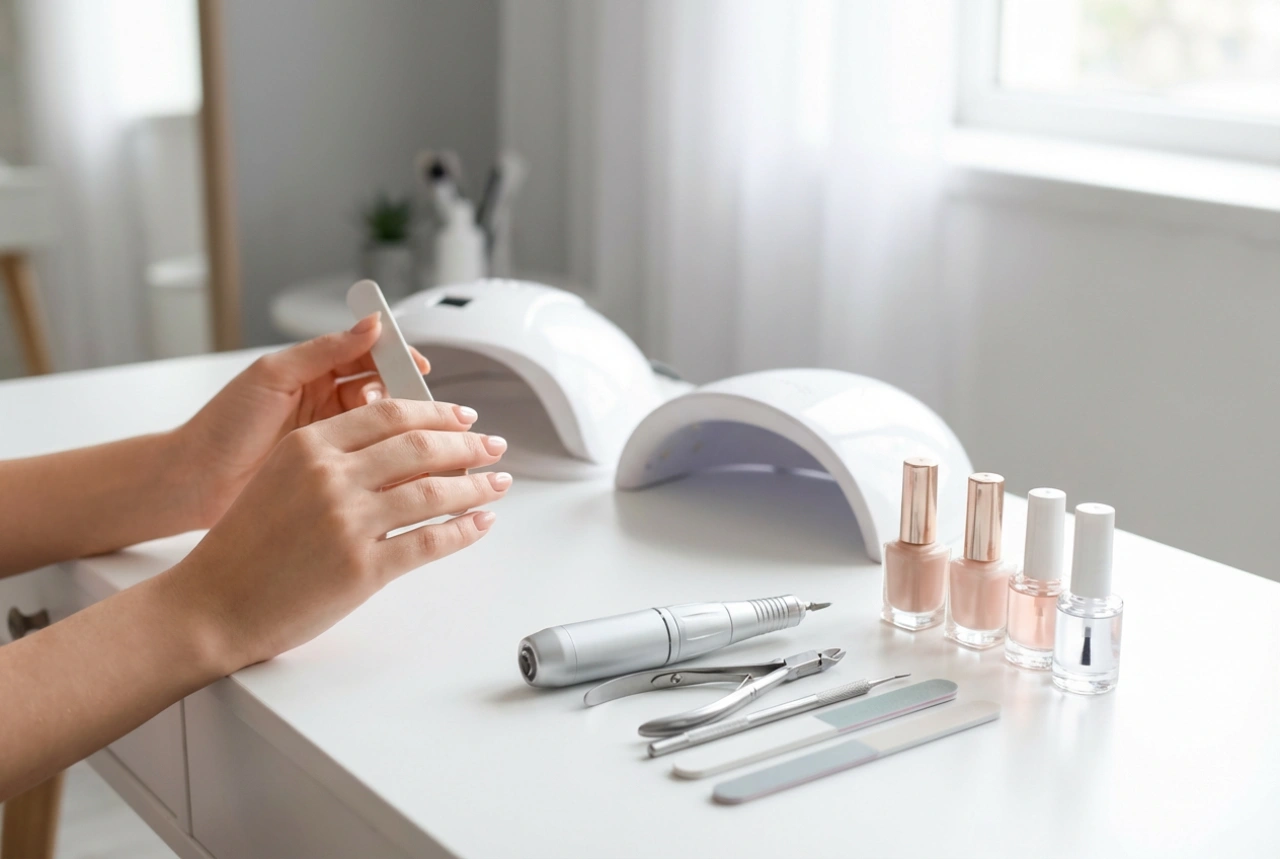
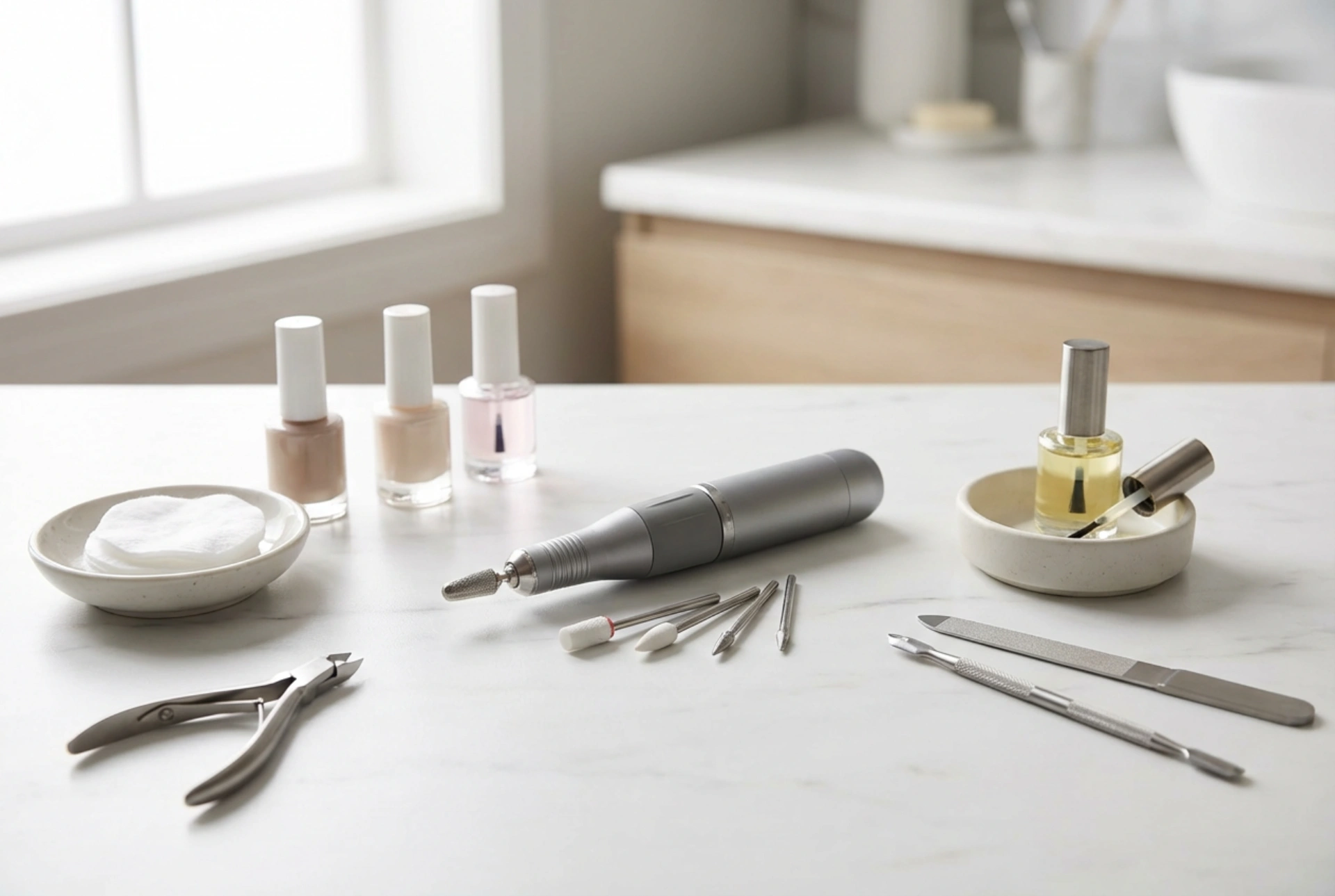
A typical home-use nail drill kit contains several key components designed to handle different aspects of a manicure. Understanding each part is the first step toward mastering the tool.
The E-File Handpiece and Controls
The main device is the handpiece, which you hold like a large pen. It houses the motor that spins the drill bits. Most home-use models have simple controls, usually a dial or buttons to adjust the speed (RPM - revolutions per minute) and a switch to change the direction of rotation (forward and reverse). The ability to change direction is particularly useful for working comfortably on both hands.
Common Drill Bits and Their Uses
The effectiveness of an e-file lies in its interchangeable bits, each designed for a specific purpose. A starter kit usually includes a basic selection. Here are some of the most common types:
- Mandrel Bit and Sanding Bands: The mandrel is a metal or rubber bit onto which single-use sanding bands are fitted. These bands come in various grits (coarseness). Coarser grits are for removing gel polish or shortening nails, while finer grits are for prepping the natural nail surface or gentle shaping.
- Barrel or Cylinder Bit: This bit is often used for surface work, shortening the length of artificial nails, and shaping the free edge. It should be used with extreme caution on the natural nail plate to avoid damage.
- Cone or Tapered Bit: With its pointed shape, this bit is excellent for precision work. It's ideal for cleaning around the cuticle area, lifting non-living tissue off the nail plate, and cleaning under the nail.
- Ball Bit: As the name suggests, this bit has a small, round head. It's used for gently cleaning up dry skin around the cuticles and tidying the side walls of the nail.
- Needle or Flame Bit: This is a very fine, pointed bit used for delicate cuticle work, such as lifting the cuticle to create a clean pocket for polish application.
Preparing Your Workspace and Nails
Proper preparation is key to a smooth and safe e-file manicure. Start by setting up a dedicated space.
Set Up Your Station
Choose a stable, flat surface with good lighting so you can see every detail clearly. Lay down a towel or mat to protect the surface from dust and make clean-up easier. A small dish for your chosen bits and a dust brush are also helpful to have on hand. Ensure you are sitting in a comfortable, ergonomic position to maintain steady control over the handpiece.
Prepare Your Nails
Before you turn on the e-file, your nails need to be prepped. Start by washing your hands and nails thoroughly to remove any oils or dirt. If you have old, regular polish on, remove it with a standard remover. Gently push back your cuticles with an orangewood stick or a metal pusher. This step helps to clearly define the area where you will be working and prevents you from accidentally touching living skin with the drill bit.
A Step-by-Step Guide to Using an E-File Safely
When you first start using an e-file, the golden rule is to go slow. Practice on a nail tip or a swatch stick before moving to your own nails. Always prioritize safety to prevent damage.
Key Safety Principles
Follow these rules every time you use your e-file:
- Start with the lowest speed: Get a feel for the tool on its lowest setting and only increase the speed as you gain confidence. High speeds are rarely necessary for natural nail care.
- Never apply pressure: Let the bit do the work. Pressing down can cause friction, heat build-up, and can easily file away too much of the nail plate, leading to thinning and damage.
- Keep the bit moving: Do not hold the spinning bit in one spot. This concentrates heat and pressure, which can be painful and create dips or rings on the nail, often called 'rings of fire'. Use light, sweeping motions.
- Keep the bit parallel to the nail: Avoid angling the bit into the nail plate, especially with barrel bits, as this can cause gouging.
A Basic Routine for a Home Manicure
Once you are comfortable with the safety principles, you can follow this basic routine for cuticle care and shaping.
- Cuticle Tidy-Up: Select a fine-grit flame or cone bit. Set the e-file to a low speed. Gently trace the bit around your cuticle line to lift and remove any non-living, dry tissue that is stuck to the nail plate. Keep the bit moving and work away from the delicate eponychium (the living cuticle line).
- Nail Shaping: Switch to a fine-grit sanding band or a gentle shaping bit. On a low to medium speed, lightly run the bit along the free edge of your nail to achieve your desired shape, whether it's square, round, or oval.
- Surface Prep (Optional): If you plan to apply gel or long-lasting polish, you may need to remove the shine from your nail plate. Use the finest grit sanding band you have on the lowest speed. Barely touch the nail, moving across the entire surface just enough to create a matte finish.
Aftercare and Tool Maintenance
Proper aftercare is just as important as the manicure itself. Once you are finished filing, use a soft brush to remove all dust from your nails and hands. Wash your hands, then apply a nourishing cuticle oil to the skin around your nails to rehydrate the area. For your tools, cleanliness is paramount. Brush the bits clean after each use, then disinfect them according to the manufacturer's instructions. Allow them to dry completely before storing them away. Keeping your e-file kit clean and organised will ensure it's ready and safe for your next home manicure session.