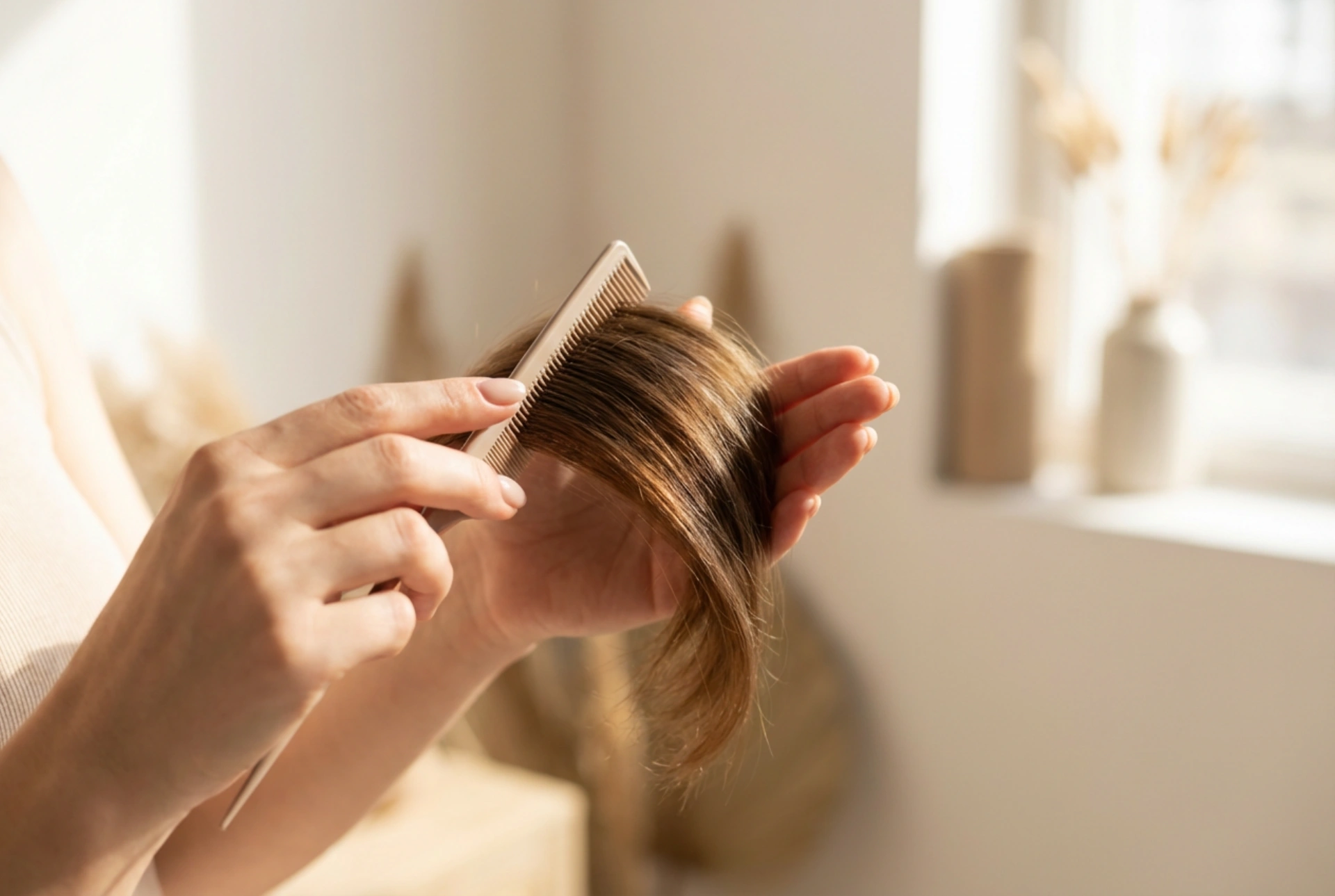


Achieving beautiful, voluminous hair is a common beauty goal, and one of the most classic and effective methods is backcombing, also known as teasing. When done correctly, this technique can create incredible lift and body that lasts all day. However, it has a reputation for being damaging. The key is to master a gentle approach that builds volume without roughing up the hair cuticle excessively. This guide will walk you through the entire process, from preparation to safe removal, ensuring your hair stays healthy and lustrous while looking fuller than ever.
Preparation: The Foundation for Great Volume
Before you even pick up a comb, proper preparation is crucial for achieving the best results and protecting your hair. Rushing this stage can lead to uneven volume and potential damage. Follow these simple preliminary steps.
Start with Clean, Dry Hair
Backcombing works best on hair that is completely dry and preferably not freshly washed. Hair from the second day often has a bit more texture, which helps the backcombing hold better. If you do wash your hair, make sure it is 100% dry before you begin, as styling wet hair in this manner can cause significant stretching and breakage. Avoid applying heavy conditioners, serums, or oils near the roots, as these can make the hair too slippery and weigh it down, counteracting your efforts to create volume.
Choose the Right Tool
Not all combs are created equal when it comes to teasing. For effective and gentle backcombing, invest in a specific teasing comb or brush. A teasing comb typically has fine, tightly packed teeth, sometimes with varying lengths, to create a dense cushion at the root. A teasing brush, often with boar bristles, can be even gentler on the hair while still being effective. Avoid using a standard wide-tooth comb, as it won't create the necessary friction.
The Step-by-Step Backcombing Technique
With your hair prepped and the right tool in hand, you are ready to start building volume. The trick is to be methodical and gentle. Work in small, manageable sections for maximum control and a polished finish.
- Step 1: Section the Hair. Start with the crown of your head, as this is where most people desire volume. Using the end of your teasing comb, take a horizontal section of hair about one to two inches wide. The hair in the section should not be too thick, as this will make it difficult to create volume at the root.
- Step 2: Lift and Hold. Hold the section of hair straight up from your head, pulling it taut but not so tight that it's uncomfortable. This tension is essential for allowing the comb to work effectively at the base of the hair shaft.
- Step 3: The Backcombing Motion. Place your comb into the hair section a few inches away from the scalp. Now, gently push the comb down towards the roots in a smooth, short stroke. Lift the comb out of the hair completely and place it back a little higher before repeating the motion. Two to three gentle pushes are usually enough to create a soft cushion of volume. Avoid aggressive, sawing motions, as this is what causes tangles and damage.
- Step 4: Repeat and Build. Release the section and let it fall over the newly created cushion. Pick up the next section of hair in front of the one you just completed and repeat the process. Continue working your way forward or outward, depending on where you want the volume concentrated. Leave the very top layer of hair (the parting and hairline) smooth and un-teased to cover the backcombed sections for a natural-looking finish.
- Step 5: Smooth and Set. Once you have built the desired amount of volume, use a soft-bristle brush or your fingers to gently smooth the top layer of hair over the backcombed base. This hides the teased texture and creates a polished look. To lock in the volume, apply a light mist of a flexible-hold hairspray.
How to Safely Remove Backcombing
Just as important as the technique itself is how you remove it. Never try to brush or comb out backcombed hair while it is dry, as this will lead to knots and breakage. Follow these steps to detangle your hair safely.
Loosen with Your Fingers First
Begin by gently using your fingers to separate the teased sections and loosen the knots. Work slowly and patiently, trying not to pull on the hair.
Apply a Detangling Product
Before getting your hair wet, or after lightly dampening it, apply a generous amount of detangling spray, leave-in conditioner, or a hair oil. This will provide slip and help the knots glide apart more easily. Allow the product to sit for a few minutes to penetrate the hair.
Use a Wide-Tooth Comb
Starting at the very ends of your hair, use a wide-tooth comb to gently work through the tangles. Once the ends are free, move a little higher up the hair shaft and continue combing downwards. Repeat this process until you reach the roots and the comb can glide smoothly through the entire length of the hair. Only after the hair is fully detangled should you proceed with your normal washing and conditioning routine.