

Applying a hydrating face mask is more than just a step in a skincare routine; it's a ritual that offers a moment of calm while delivering a powerful boost of moisture to the skin. To achieve that coveted dewy, plump and radiant complexion, it's essential to understand not just what a mask does, but how to use it for maximum effect. Proper application and timing can transform your results, turning a simple product into a cornerstone of your self-care practice. Let’s explore the best way to incorporate a hydrating mask into your routine.
Preparing Your Skin for a Mask
For any skincare product to work effectively, it needs a clean canvas. Applying a mask to uncleansed skin can trap impurities and prevent the beneficial ingredients from penetrating properly. Always begin by thoroughly cleansing your face with a gentle cleanser suited to your skin type to remove makeup, dirt, and excess oil. Pat your skin dry with a clean, soft towel.
To Exfoliate or Not to Exfoliate?
As an optional but highly effective preparatory step, consider gently exfoliating your skin before applying the mask. A mild exfoliant will slough away dead skin cells from the surface, creating an even smoother base for the mask. This allows the hydrating ingredients to be absorbed more deeply and uniformly. However, listen to your skin; if it is sensitive or you have recently exfoliated, you may wish to skip this step to avoid over-stimulation. Use lukewarm water to rinse, as this can help to soften the skin slightly before application.
The Art of Effective Application
How you apply your mask matters. Taking a few extra moments to be methodical can significantly improve its performance.
Choosing Your Tools
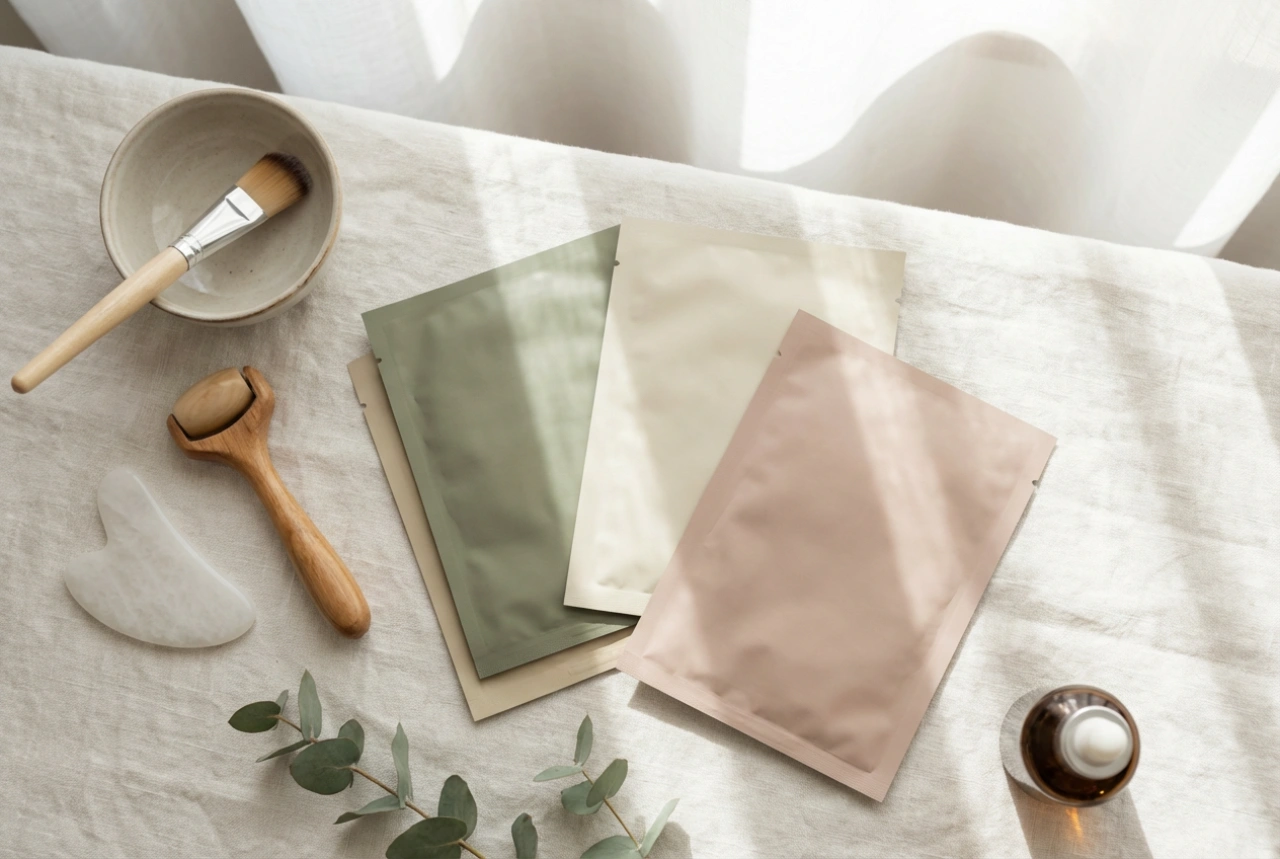
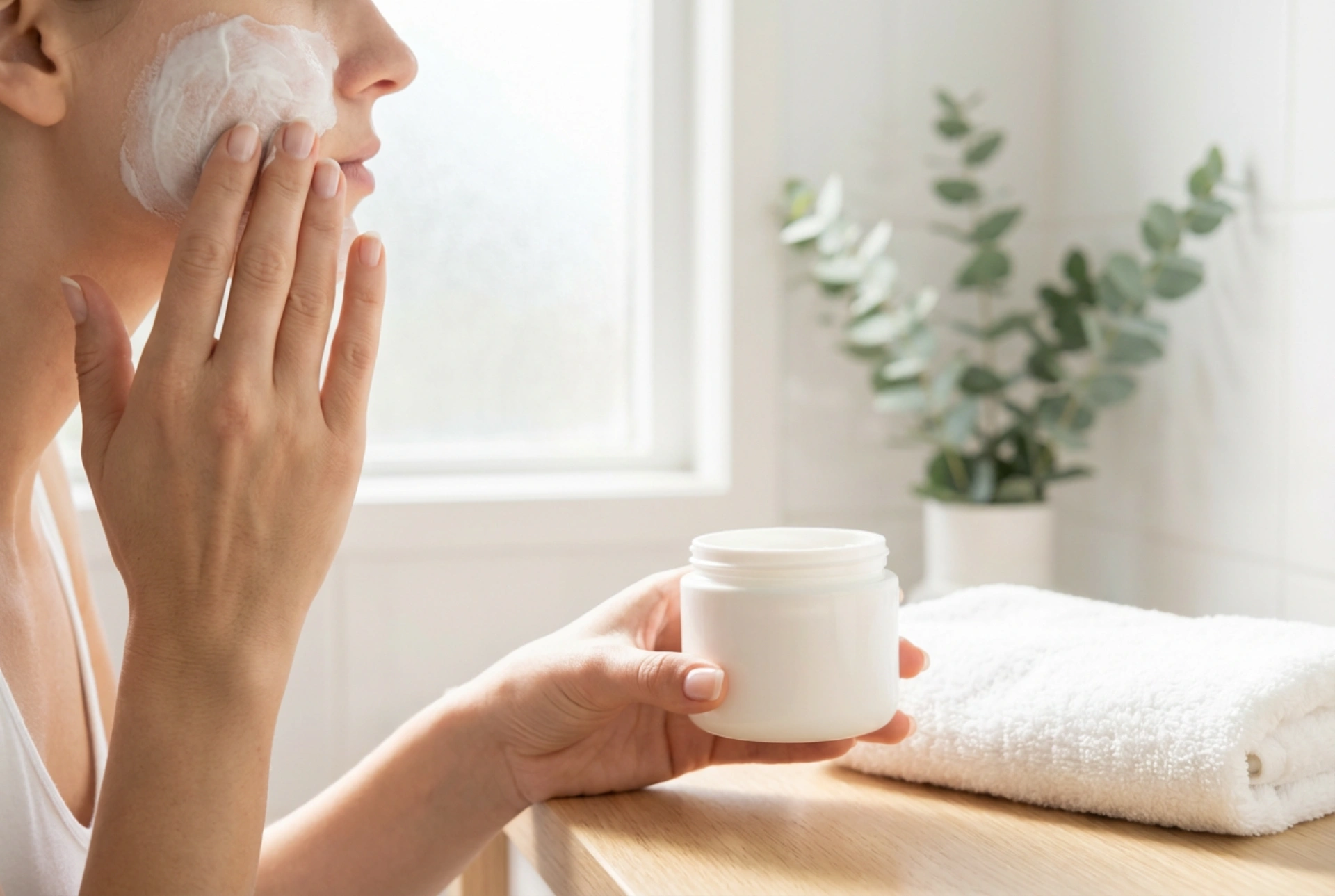
You can apply a cream or gel-based hydrating mask using either your fingertips or a dedicated mask brush. If using your hands, ensure they are scrupulously clean. A brush, often made with synthetic bristles, can help you apply a more even, consistent layer and can feel more hygienic and spa-like. It also helps you keep the product out from under your fingernails.
Application Technique
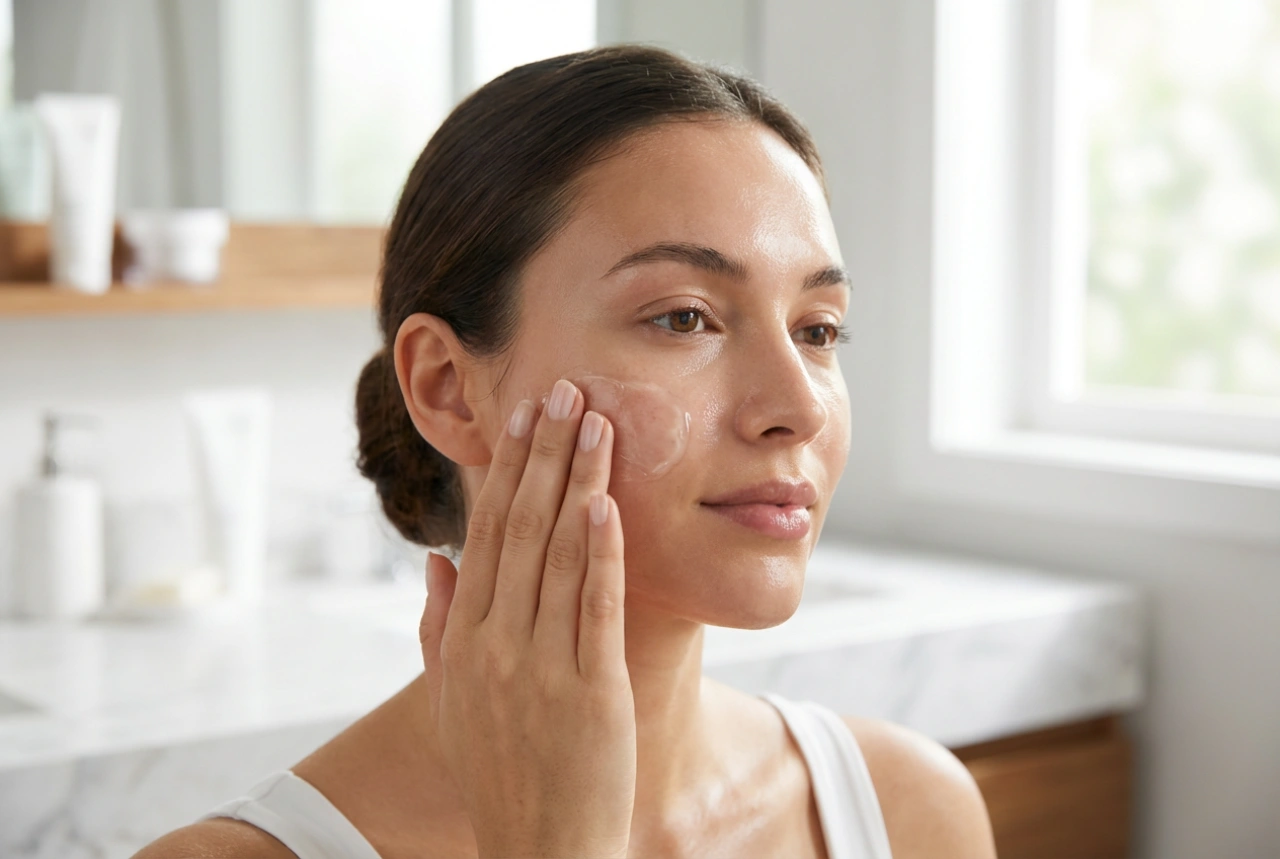
Start by dispensing a suitable amount of product. Begin applying the mask to the centre of your face, such as your forehead, nose, and chin, and gently spread it outwards and upwards towards your hairline and jawline. Apply an even layer across your entire face, but be careful to avoid the very delicate areas around your eyes and lips. Don't forget your neck and décolletage, as these areas also benefit from hydration.
Timing and Removal
Adhering to the recommended time is crucial for getting the best results from your hydrating mask. Leaving it on for too long won't necessarily provide extra benefits and, in some cases, could have the opposite effect if the mask begins to dry out and draw moisture back from the skin. Typically, a hydrating mask should be left on for 10 to 20 minutes. Use this time to relax and unwind. When it's time for removal, use lukewarm water and your hands or a soft, damp cloth to gently rinse the mask away. Avoid harsh rubbing, and gently pat your skin dry with a clean towel.
How Often Should You Use a Hydrating Mask?
The ideal frequency for using a hydrating mask depends on your skin's condition, your environment, and the rest of your skincare routine.
- For normal to combination skin: Using a hydrating mask 1-2 times a week is generally sufficient to maintain good moisture levels.
- For dry or dehydrated skin: You may benefit from using a hydrating mask more frequently, perhaps 2-3 times per week, especially during colder months or in dry climates.
- For oily skin: Even oily skin needs hydration. Using a lightweight hydrating mask once a week can help balance the skin, preventing it from overproducing oil to compensate for dehydration.
The most important rule is to listen to your skin. If it looks and feels supple and balanced, you've found the right frequency. If it feels tight or looks lacklustre, consider adding an extra masking session into your week.
Post-Mask Care for Lasting Hydration
Your skincare routine doesn't end once the mask is rinsed off. This is a prime opportunity to lock in all the hydration you've just delivered to your skin. Immediately after patting your face dry, follow up with your regular routine. Apply your favourite hydrating serum, followed by a moisturiser to create a protective barrier that seals in the moisture and keeps your skin feeling soft and plump for hours. This final step ensures the benefits of your mask are maximised, leading to a visibly healthier and more radiant complexion.