

Tangled hair is a common frustration that can turn a simple styling routine into a battle against knots and potential damage. Pulling and forcing a brush through tangled strands can lead to breakage, split ends, and overall stress on your hair. Fortunately, a detangling spray can be a true game-changer, making the process smooth and gentle. Using this product correctly is the key to unlocking its full potential and protecting the health and beauty of your locks.
Why Hair Gets Tangled in the First Place
Understanding the root causes of tangles can help in preventing them. Several factors contribute to knotted hair:
- Cuticle Condition: The outer layer of a hair strand, the cuticle, is made of overlapping scales. When hair is healthy and moisturised, these scales lie flat, allowing strands to glide past each other. When they are dry or damaged, the scales lift and catch on neighbouring hairs, causing tangles.
- Hair Texture: Fine hair is more prone to knotting due to its delicate structure, while curly and coily hair textures can easily intertwine.
- Dryness: A lack of moisture is a primary culprit. Dry hair is rougher and more susceptible to friction, which leads to tangling.
- Friction: Activities like sleeping on cotton pillowcases, wind exposure, or rubbing hair with a rough towel can all create friction and lead to knots.
A Step-by-Step Guide to Using Detangling Spray
To get the best results and minimise breakage, follow a gentle and systematic approach. The right technique is just as important as the product itself.
Step 1: Start with Damp Hair
The ideal time to apply a detangler is on freshly washed, towel-dried hair. Hair is at its most fragile when soaking wet, so gently pat and squeeze out excess water with a soft microfibre towel first. Applying the spray to damp hair allows it to distribute evenly and start working on the knots before you begin combing.
Step 2: Section Your Hair
Trying to tackle your entire head of hair at once is a recipe for frustration and breakage. Divide your hair into at least four manageable sections. If your hair is particularly thick or long, you may need more. Working section by section ensures that every strand gets the attention it needs without being pulled by the weight of the rest of your hair.
Step 3: Apply the Spray Correctly
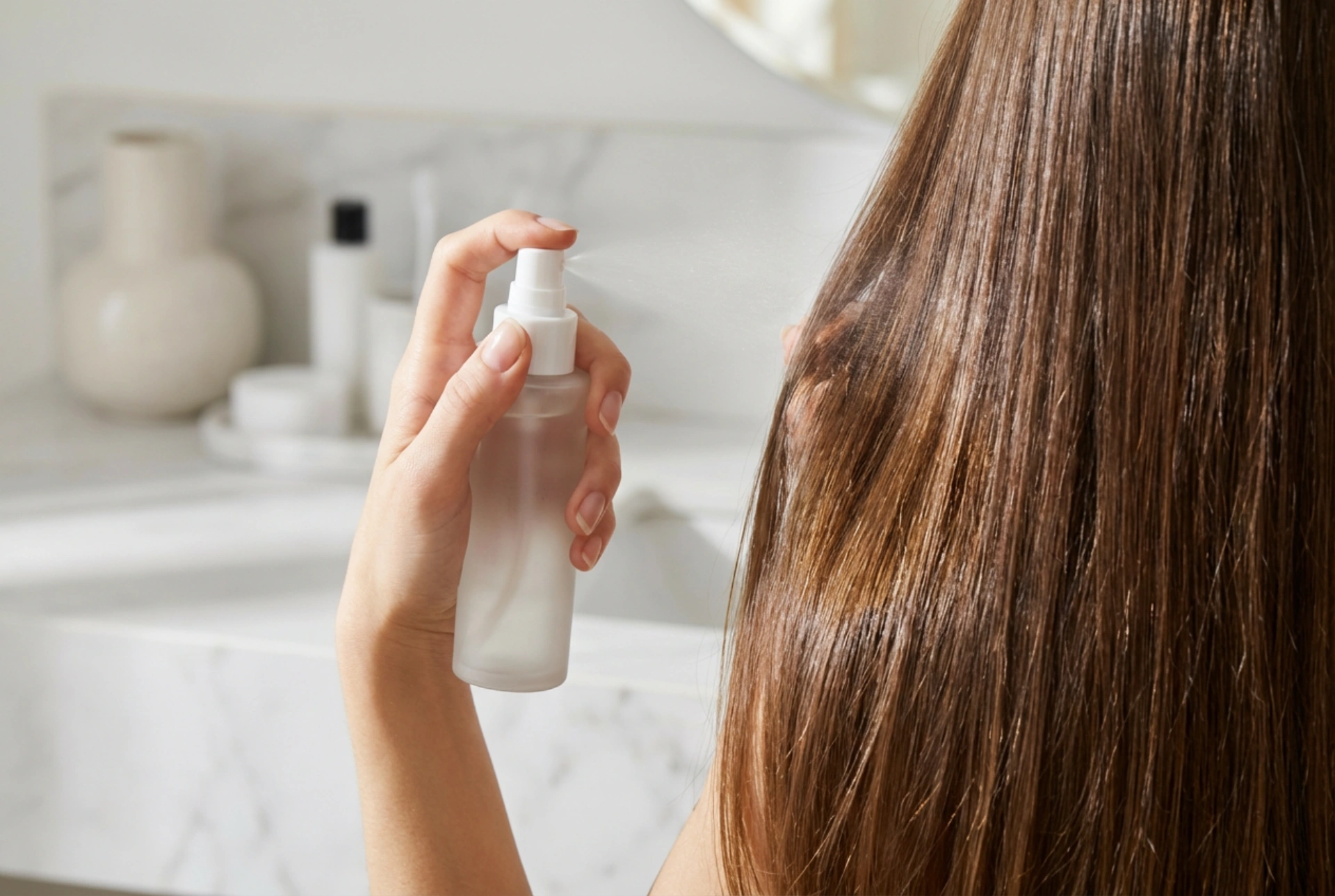
Hold the bottle about 15-20 centimetres away from your head. Lightly mist each section, focusing primarily on the mid-lengths and ends where tangles are most common. Avoid spraying directly onto the roots, as this can weigh down the hair and make it appear greasy. You don't need to saturate the hair; a light, even coating is sufficient.
Step 4: Choose the Right Tool and Technique
Put away the bristle brush for now. A wide-tooth comb or a brush specifically designed for detangling wet hair is your best friend. The most crucial part of the technique is to start from the bottom and work your way up. Hold a section of hair firmly a few inches from the tips and gently comb through the ends first. Once the tips are knot-free, move up a few more inches and repeat the process, gradually working your way towards the roots. This method prevents you from pulling a knot from the top all the way down, which creates tension and causes strands to snap.
Common Mistakes to Avoid
Even with the best intentions, it's easy to fall into bad habits. Be mindful of these common errors to keep your hair healthy:
- Using Too Much Product: More is not always better. An excessive amount of spray can leave a residue, weighing your hair down and making it feel sticky or dull.
- Starting at the Roots: Never start combing or brushing from the roots down on tangled hair. This creates a large, tight knot at the bottom and is the number one cause of mechanical breakage.
- Being Impatient: Rushing through the detangling process will only lead to more damage. Be patient and gentle with each section. If you encounter a stubborn knot, apply a little more spray directly to it and use your fingers to gently loosen it before using the comb.
- Using on Dry Hair: While some detanglers are formulated for dry hair, most work best on damp hair. Applying a standard detangler to dry hair may not provide enough slip and can lead to a sticky feeling.
Incorporating a detangling spray into your hair care routine with the proper technique will transform how you manage your hair. It not only saves you time and frustration but also plays a vital role in maintaining the integrity and smoothness of your strands, leaving them looking healthy and well-cared for.