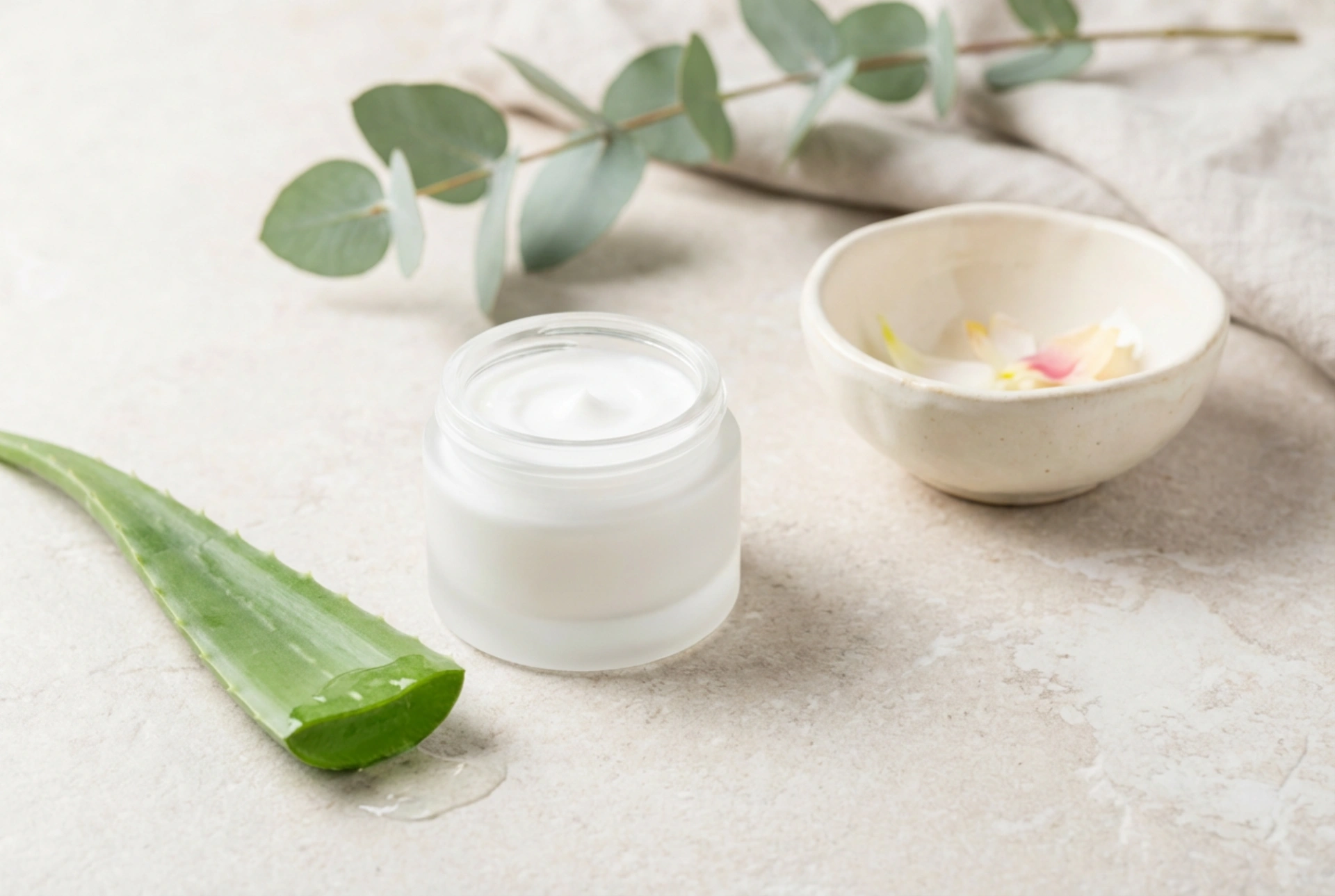


In the world of skincare, natural ingredients are increasingly valued for their gentle yet effective action. Among them, aloe vera holds a special place, celebrated for centuries for its unique properties. A face cream based on this remarkable plant is a versatile cosmetic that can address the needs of many skin types. Its light formula and wealth of nutrients make it an excellent choice for daily care, providing the skin with comfort and a healthy appearance, much like the simple, natural elegance of an aloe leaf itself.
The Power of Aloe Vera in Skincare
Aloe vera is a succulent plant whose fleshy leaves contain a gel rich in beneficial substances. This gel is a treasure trove of vitamins (such as A, C, and E), minerals, amino acids, and enzymes. When used in a face cream, these components work together to deliver multiple benefits to the skin. The primary function of aloe vera is intense hydration. Its ability to penetrate the skin deeply provides long-lasting moisture without leaving a greasy film. Furthermore, aloe is renowned for its soothing and calming properties. It helps to alleviate the feeling of tightness and discomfort, bringing relief to skin that is prone to redness or feels sensitised after exposure to external factors like wind or sun.
Who Can Benefit from an Aloe Vera Face Cream?
The versatility of aloe vera makes creams containing it suitable for a wide range of skin types. Understanding your skin's needs will help you determine if an aloe-based cream is right for you.
Ideal for Different Skin Types:
- Dry and Dehydrated Skin: For those with dry skin, an aloe vera cream acts as a powerful humectant, drawing moisture into the skin and helping to restore its natural barrier. It provides essential hydration, leaving the skin feeling soft and supple.
- Sensitive and Redness-Prone Skin: Thanks to its calming properties, aloe vera is a gentle ally for sensitive skin. It can help reduce the appearance of temporary redness and soothe feelings of irritation, promoting a more even and balanced complexion.
- Oily and Combination Skin: A common misconception is that oily skin doesn't need moisturising. An aloe vera cream is an excellent option here due to its lightweight, water-based nature. It hydrates without clogging pores or adding excess oil, helping to maintain balance.
- Mature Skin: As skin ages, it tends to lose moisture and elasticity. The hydrating effect of aloe vera can help to plump up the skin, which may reduce the appearance of fine lines and give the complexion a smoother, more youthful look.
How to Correctly Apply Aloe Vera Cream
To maximise the benefits of your aloe vera face cream, it's important to incorporate it correctly into your skincare routine. Proper application ensures that the active ingredients are absorbed effectively.
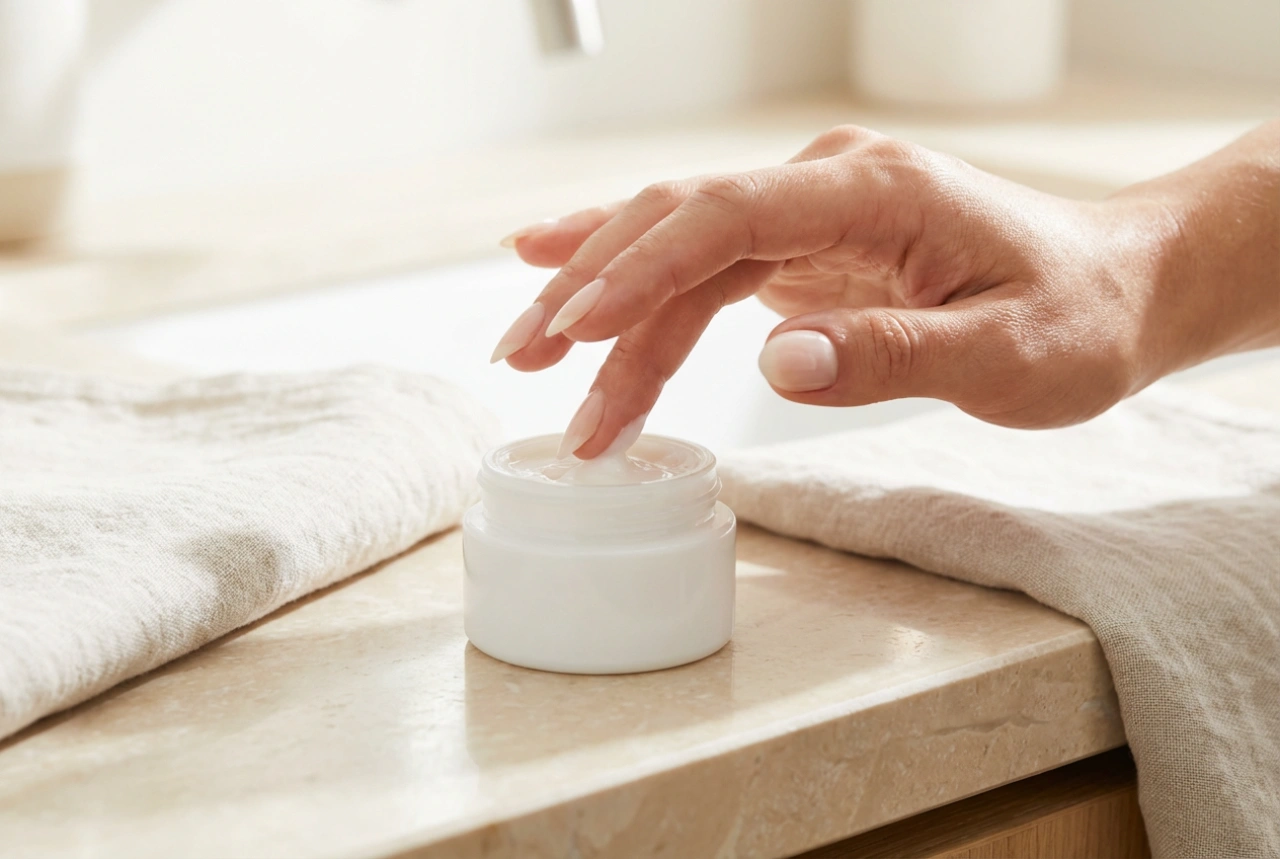
Start with a thoroughly cleansed face to remove any impurities and makeup. If you use a toner, apply it after cleansing. Next, if you incorporate a serum into your routine, apply it and allow it to absorb for a minute. Then, take a small, pea-sized amount of the aloe vera cream. Warm it slightly between your fingertips and gently pat or massage it onto your face and neck using upward, circular motions. This technique stimulates circulation and helps the product absorb fully. Aloe cream can typically be used both in the morning and evening as part of your daily ritual.
Combining Aloe Vera Cream with Other Skincare Ingredients
Aloe vera cream works beautifully on its own, but it can also be paired with other ingredients to target specific skin concerns and enhance your overall routine. Knowing what to combine it with can elevate your skincare results.
- Hyaluronic Acid: For an exceptional hydration boost, use a hyaluronic acid serum before applying your aloe cream. Hyaluronic acid is a powerful humectant that attracts water, while aloe vera locks that moisture in and soothes the skin. Together, they form a dynamic duo for plump, dewy skin.
- Niacinamide: This form of vitamin B3 is known for its ability to balance the skin, minimise the appearance of pores, and improve skin texture. Using a niacinamide serum before your aloe cream can be particularly beneficial for oily and combination skin types.
- Vitamin C: A vitamin C serum is a great addition to a morning routine for its brightening and antioxidant properties. As some potent vitamin C formulas can be slightly irritating, following up with a soothing aloe vera cream can help to calm the skin and provide gentle hydration.
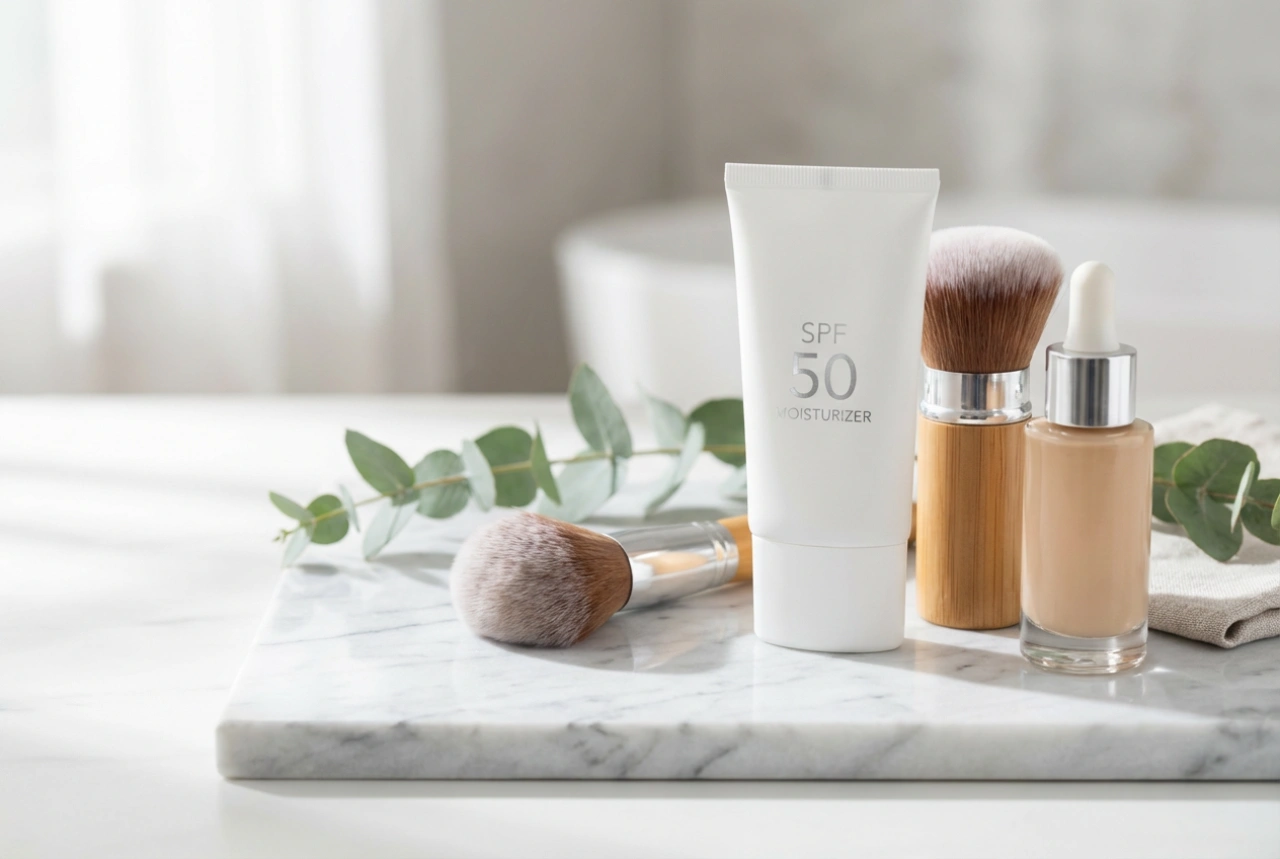
- Sunscreen: This is a non-negotiable final step in any morning skincare routine. After your aloe vera cream has fully absorbed, always apply a broad-spectrum sunscreen to protect your skin from UV damage. The hydrating base provided by the aloe cream can help sunscreen apply more smoothly.