

Achieving a salon-quality manicure that lasts for weeks is now possible in the comfort of your own home, thanks to the availability of comprehensive gel nail kits. A beautiful, long-lasting gel manicure can elevate your look, and learning to do it yourself is a rewarding skill. This guide will walk you through the essential components of a starter kit, explain the different types of lamps, and provide a detailed, step-by-step tutorial for your first flawless application.
What’s Inside a Starter Gel Nail Kit?
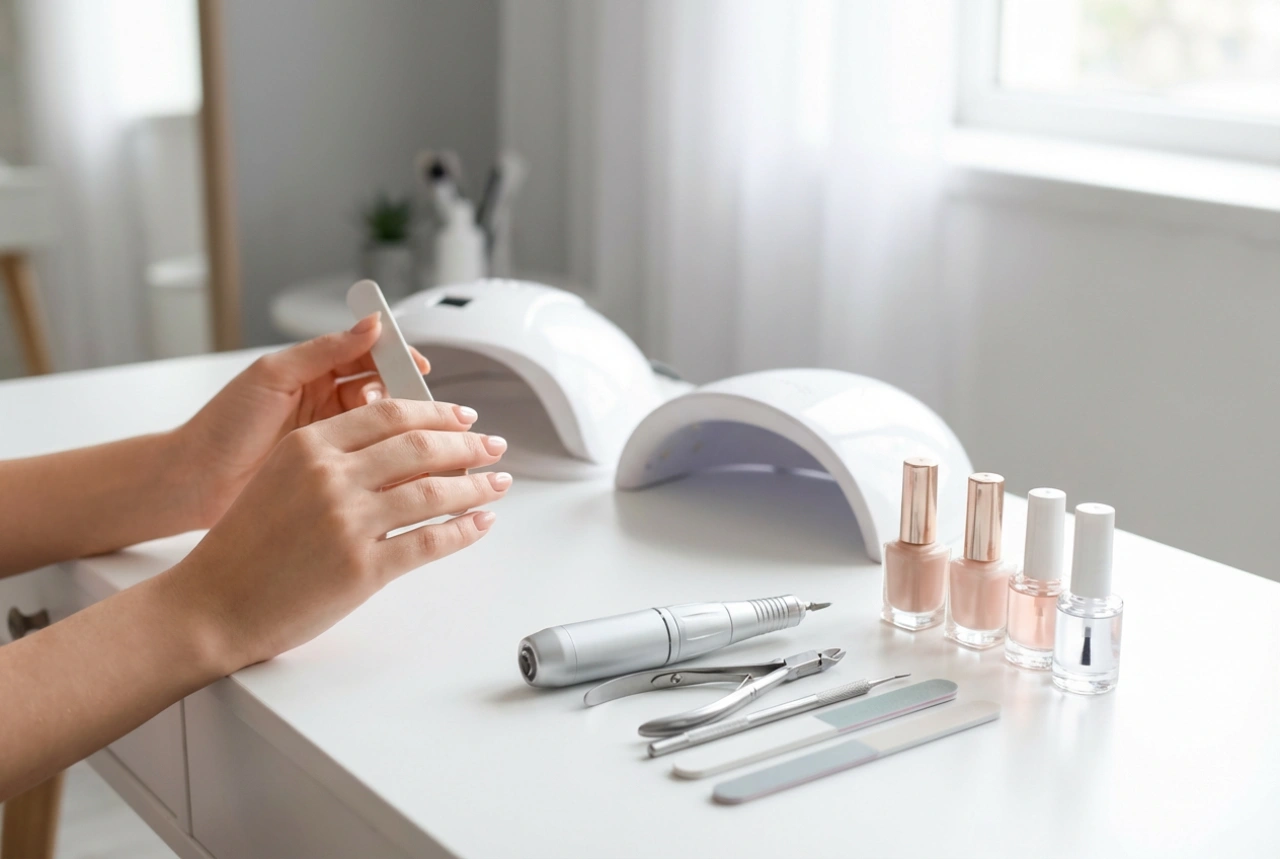
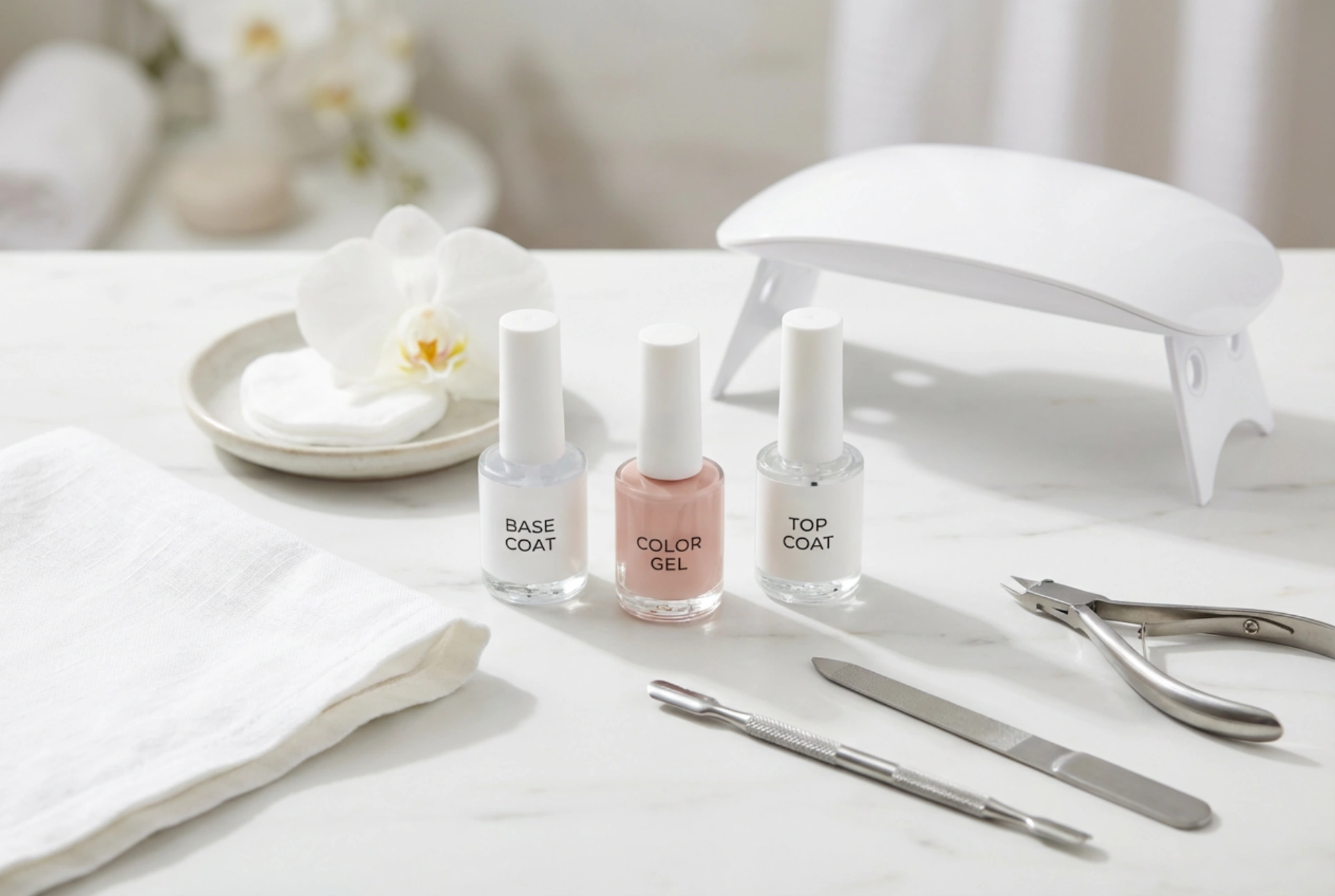
A good starter kit should contain everything you need to prepare, apply, and finish your gel manicure. While kits vary, they generally include a set of essential liquids and tools. Understanding the purpose of each item is the first step towards success.
Essential Liquids
- Nail Cleaner/Dehydrator: This is a crucial first step. This solution removes any oils, moisture, and residue from the natural nail plate, creating a clean surface for the gel to adhere to. Proper dehydration prevents the gel from lifting prematurely.
- Primer (Optional but Recommended): An acid-free primer acts like double-sided tape between your natural nail and the base coat. It significantly improves adhesion, making it especially useful for those who find their manicures don't last as long as they'd like.
- Base Coat: This is the foundation of your manicure. It protects your natural nail from the coloured pigment and provides the primary adhesive layer for the gel colour to stick to.
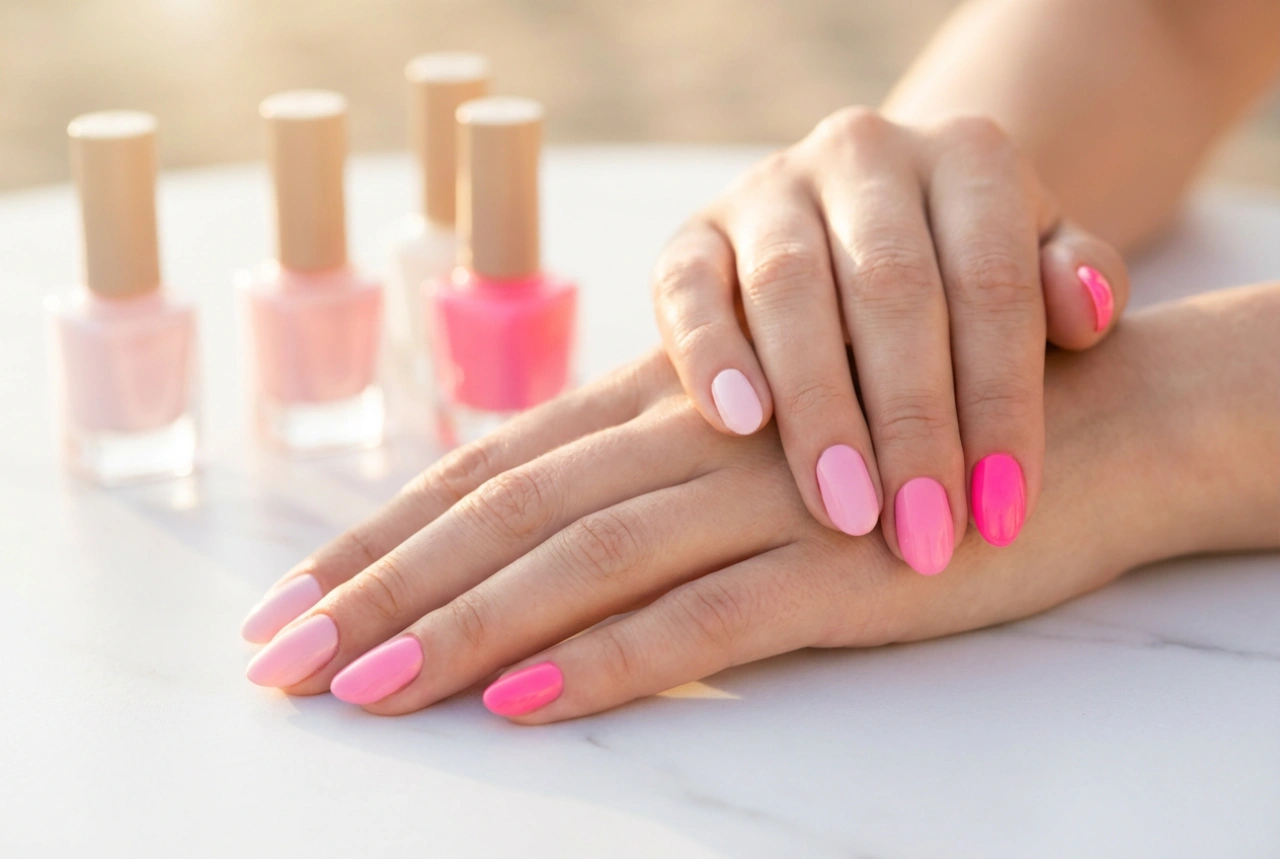
- Gel Colour: The star of the show! Gel polishes come in a vast array of colours and finishes. They have a thicker consistency than regular polish and will not dry without being cured under a specific light.
- Top Coat: The final layer that seals everything in. A top coat provides a high-gloss (or matte) finish, protects the colour from chipping and fading, and adds strength to the manicure. There are 'wipe' and 'no-wipe' versions; a 'wipe' top coat leaves a sticky layer that needs to be cleansed off after curing.
Tools and Accessories
- UV or LED Lamp: This is the most important tool. This device emits light at a specific wavelength that 'cures' or hardens the gel polish. Without it, the gel will remain wet indefinitely.
- Nail Files and Buffers: You'll need a file (around 180 grit) to shape your nails and a softer buffer (around 240 grit or higher) to gently remove the shine from the nail surface, which helps the gel adhere better.
- Cuticle Pusher and Nipper: A metal or wooden pusher is used to gently push back the cuticles. A nipper can be used to carefully trim any non-living tissue (hangnails), but be gentle to avoid cutting the skin.
- Lint-Free Wipes: Essential for use with the nail cleaner and for removing the sticky dispersion layer at the end. They don't leave behind fuzzy bits like cotton balls do.
Choosing the Right Lamp: UV vs. LED
The lamp is the heart of your gel manicure kit. Both UV (Ultraviolet) and LED (Light Emitting Diode) lamps will cure gel polish, but they have key differences.
- Curing Time: LED lamps cure gel polish much faster, typically in 30-60 seconds per layer, whereas traditional UV lamps can take 2-3 minutes per layer.
- Bulb Lifespan: LED bulbs have a significantly longer lifespan and may last for the entire life of the lamp without needing replacement. UV bulbs degrade over time and need to be replaced periodically (e.g., every 6-12 months of regular use) to ensure proper curing.
- Energy Efficiency: LED lamps consume less energy than their UV counterparts.
When choosing, ensure your gel polishes are compatible with the lamp type. Many modern polishes are formulated to cure under both UV and LED light, and many lamps on the market today are combination UV/LED lamps, offering the best of both worlds.
Your First Gel Manicure: A Step-by-Step Guide
Patience and precision are key. Follow these steps carefully for a professional-looking result.
- Preparation is Everything: Start with clean, dry hands. File your nails to your desired shape. Gently push back your cuticles. Use a buffer to lightly remove the shine from the entire nail surface. Remove all dust with a brush or a lint-free wipe.
- Dehydrate the Nail Plate: Apply the nail cleaner/dehydrator to a lint-free wipe and thoroughly scrub each nail. Allow it to air dry completely. Avoid touching your nails from this point on.
- Apply Primer (Optional): If using, apply a very thin layer of primer to each nail and let it air dry.
- Apply the Base Coat: Brush on a thin, even layer of the base coat. Be careful to avoid flooding your cuticles or side walls. 'Cap' the free edge by running the brush along the tip of the nail. Cure under your lamp for the recommended time (check the product instructions).
- Apply the First Colour Coat: Apply a very thin coat of your chosen gel colour. Thin layers are crucial for proper curing. Again, avoid the skin and cap the free edge. Cure for the recommended time. The nail might look streaky; this is normal.
- Apply the Second Colour Coat: Apply a second thin coat of colour. This will provide full opacity and an even finish. Cap the free edge and cure again. If needed, a third coat can be applied, curing after each layer.
- Apply the Top Coat: Apply a slightly more generous, but still even, layer of top coat. Ensure you cover the entire nail and cap the free edge to seal the manicure. Cure for the final time, sometimes for a longer duration (e.g., 60-120 seconds) to ensure a hard, durable finish.
- Remove the Sticky Layer: If you used a 'wipe' top coat, it will have a tacky residue after curing. Saturate a lint-free wipe with nail cleaner and firmly wipe each nail to reveal the high-gloss shine. If you used a 'no-wipe' top coat, you can skip this step.
- Nourish: Finish by applying a drop of cuticle oil to the skin around each nail and massaging it in.
Tips for a Long-Lasting Manicure
To keep your gel nails looking perfect for as long as possible, always apply thin coats, as thick layers may not cure properly and can lead to peeling. Capping the free edge is vital to prevent chipping. If you get any gel on your skin, clean it off with a brush and cleanser *before* curing. Finally, be kind to your hands; wear gloves when cleaning with harsh chemicals and keep your cuticles moisturised.