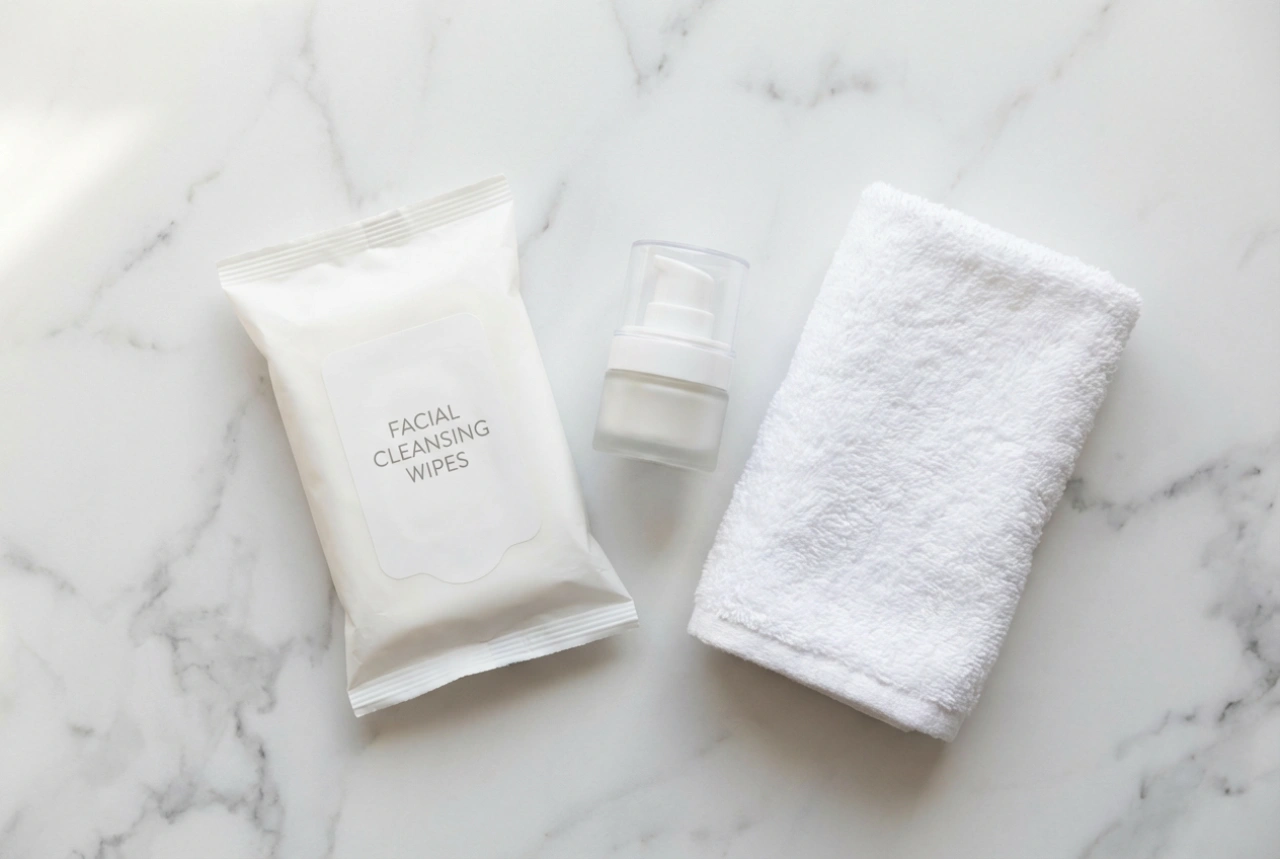


Makeup remover wipes are often seen as the ultimate symbol of convenience in a skincare routine. Tucked into travel bags, gym kits, and bedside tables, they promise a quick and easy way to a clean face. While their handiness is undeniable, it's important to understand their proper role in your beauty regimen. Used correctly and in the right situations, they can be a helpful tool. However, relying on them exclusively might not be the best approach for long-term skin health. Let's explore when makeup wipes are a smart choice and the key things to keep in mind when using them.
The Best Times to Reach for a Makeup Wipe
Convenience is the primary benefit of facial wipes, making them ideal for specific scenarios where a full cleansing routine isn't practical. Understanding these situations allows you to leverage their benefits without compromising your skin's well-being.
- Travel: Wipes are lightweight, spill-proof, and TSA-friendly, making them a perfect companion for flights and road trips. They allow you to freshen up easily without needing access to a sink and your full array of products.
- Post-Workout: A quick swipe with a cleansing wipe after a gym session can help remove sweat, surface oils, and bacteria before they have a chance to clog pores. This is a great temporary measure until you can get home to shower and properly wash your face.
- Late Nights: On evenings when you're too exhausted for a multi-step routine, a makeup wipe is certainly better than sleeping with your makeup on. It's a compromise that helps prevent blocked pores and potential irritation overnight.
- Makeup Corrections: Wipes are excellent for cleaning up makeup mistakes, such as a smudged eyeliner or fallout from eyeshadow, without having to redo your entire face.
How to Use Makeup Wipes Correctly
The way you use a makeup wipe is just as important as when you use it. Aggressive rubbing can lead to irritation and micro-tears in the skin. Adopting a gentle technique is crucial for protecting your skin barrier.
The Gentle Approach
Instead of scrubbing vigorously, gently press the wipe onto an area of your face (like your eyelids or lips) for several seconds. This gives the formula time to dissolve the makeup, allowing you to wipe it away with less friction. Use soft, sweeping motions rather than harsh, back-and-forth rubbing. When cleansing your face, work from the centre outwards. Remember to use a fresh side of the wipe for different sections of your face to avoid simply moving dirt and makeup around.
The Importance of a Follow-Up Cleanse
This is perhaps the most critical rule of using makeup wipes. Wipes are effective at breaking down makeup, but they can leave behind a residue of surfactants, solubilisers, and preservatives from their formula, along with traces of makeup and grime. Whenever possible, you should follow up with a traditional water-based cleanser. This second step ensures that your skin is truly clean and free from any potentially irritating residue, preparing it for serums and moisturisers.
Potential Drawbacks to Consider
While useful, relying solely on wipes for your daily cleansing can have some downsides. The physical act of wiping can cause friction and irritation, especially for those with sensitive or dry skin. Furthermore, many wipe formulas contain preservatives to keep them fresh in their packaging, and some may include alcohol or fragrances that can be drying or sensitising over time. Most importantly, they don't provide the deep clean that a proper face wash with water does. Pores may not be thoroughly cleared, which can lead to congestion over time.
What to Look For When Choosing Wipes
Not all makeup wipes are created equal. When shopping, it's wise to read the ingredient list to make an informed choice that suits your skin's needs.
- Gentle Formulas: Look for wipes that are labelled as alcohol-free and fragrance-free, as these are common culprits for skin irritation and dryness.
- Hydrating Ingredients: Choose products containing hydrating and soothing ingredients like glycerin, aloe vera, chamomile, or hyaluronic acid to help counteract any potential drying effects.
- Material: The texture of the wipe matters. Opt for soft, non-abrasive cloths to minimise physical irritation. Some brands also offer biodegradable options, which are a more environmentally conscious choice.
- Skin Type Specific: If you have oily skin, you might look for a formula with ingredients that help manage oil. If you have dry skin, a more moisturising formula is key. Always choose a product designed for your specific skin concerns.