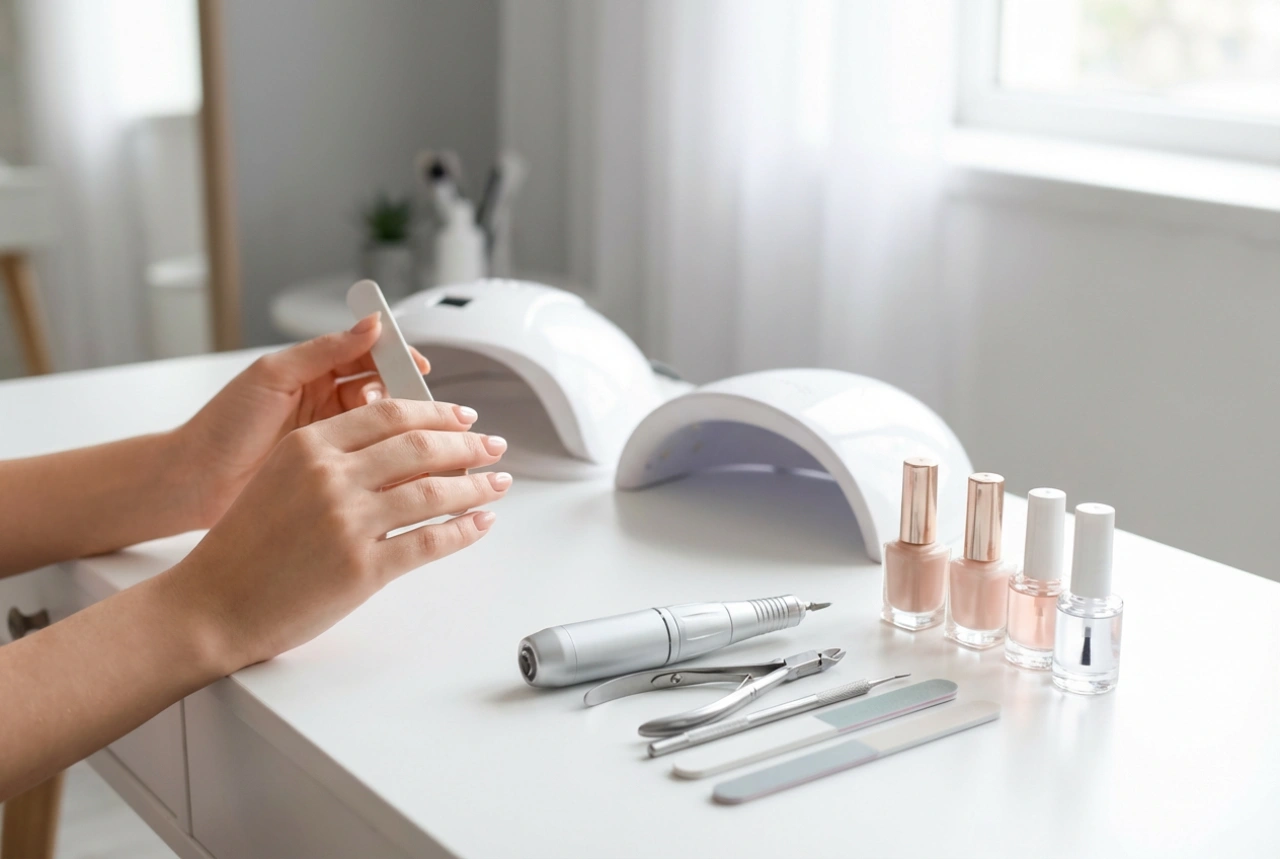


Achieving beautifully long and durable nails is a goal for many beauty enthusiasts. One of the most popular and effective methods to accomplish this is by using nail extension gel. This versatile material allows you to build length and strength, creating a flawless canvas for any nail art or colour. Mastering the technique requires understanding the product, from its consistency to the final curing process. This guide will walk you through the essential steps for a successful gel nail extension application at home.
Understanding Nail Gel Density
Nail extension gels come in various densities, or viscosities, which affects how they behave during application. Choosing the right density is crucial for achieving the desired result and depends on your skill level and the type of extension you want to create.
Thin Density Gels
Often referred to as self-levelling gels, these have a runny consistency. They spread easily and settle into a smooth surface with minimal effort, which can speed up the application process. Thin gels are excellent for creating a protective overlay on natural nails or for very short extensions. However, their fluid nature means they can run into the cuticles if not applied quickly and carefully, making them less suitable for building significant length or structure.
Medium Density Gels
This is the most versatile and popular choice, especially for those new to gel extensions. Medium density gels offer a perfect balance between control and self-levelling properties. They are thick enough to stay in place, giving you time to sculpt the nail, but still smooth out nicely to reduce the amount of filing needed afterwards. They are suitable for both overlays and building extensions of moderate length.
Thick Density Gels
Also known as sculpting or builder gels, these have a very thick, almost jelly-like consistency. They do not self-level and stay exactly where you place them. This provides maximum control, making them ideal for creating long extensions, dramatic shapes, and a pronounced apex (the curve that gives the nail its strength). Working with thick gels requires more practice in shaping and filing to achieve a smooth finish.
Essential Preparation of the Nail Plate
Proper preparation is the foundation of a long-lasting gel extension. Skipping these steps can lead to lifting and premature chipping. The goal is to create a clean, dehydrated surface for the gel to adhere to.
- Start by gently pushing back your cuticles and carefully removing any non-living tissue from the nail plate.
- Using a fine-grit buffer, lightly buff the entire surface of the natural nail. This removes the natural shine and creates a slightly rough texture for the gel to grip onto.
- Wipe the nail with a lint-free pad soaked in a nail cleanser or dehydrator. This step removes all dust, oils, and contaminants.
- Apply a very thin layer of a suitable nail primer or bonder. This acts like double-sided tape, creating a strong bond between the natural nail and the gel. Allow it to air dry completely.
The Application Process: Building the Extension
Once the nails are prepped, you can begin the application. This guide focuses on using nail forms, which are stickers placed under the free edge of the nail to act as a guide for building the extension.
Applying the Nail Form
Peel a nail form from its backing and curve it to fit snugly under your natural nail's free edge. Ensure there are no gaps between the form and the nail, as this can cause the gel to seep underneath. The grid lines on the form will help you build extensions of a consistent length and shape.
Sculpting the Nail
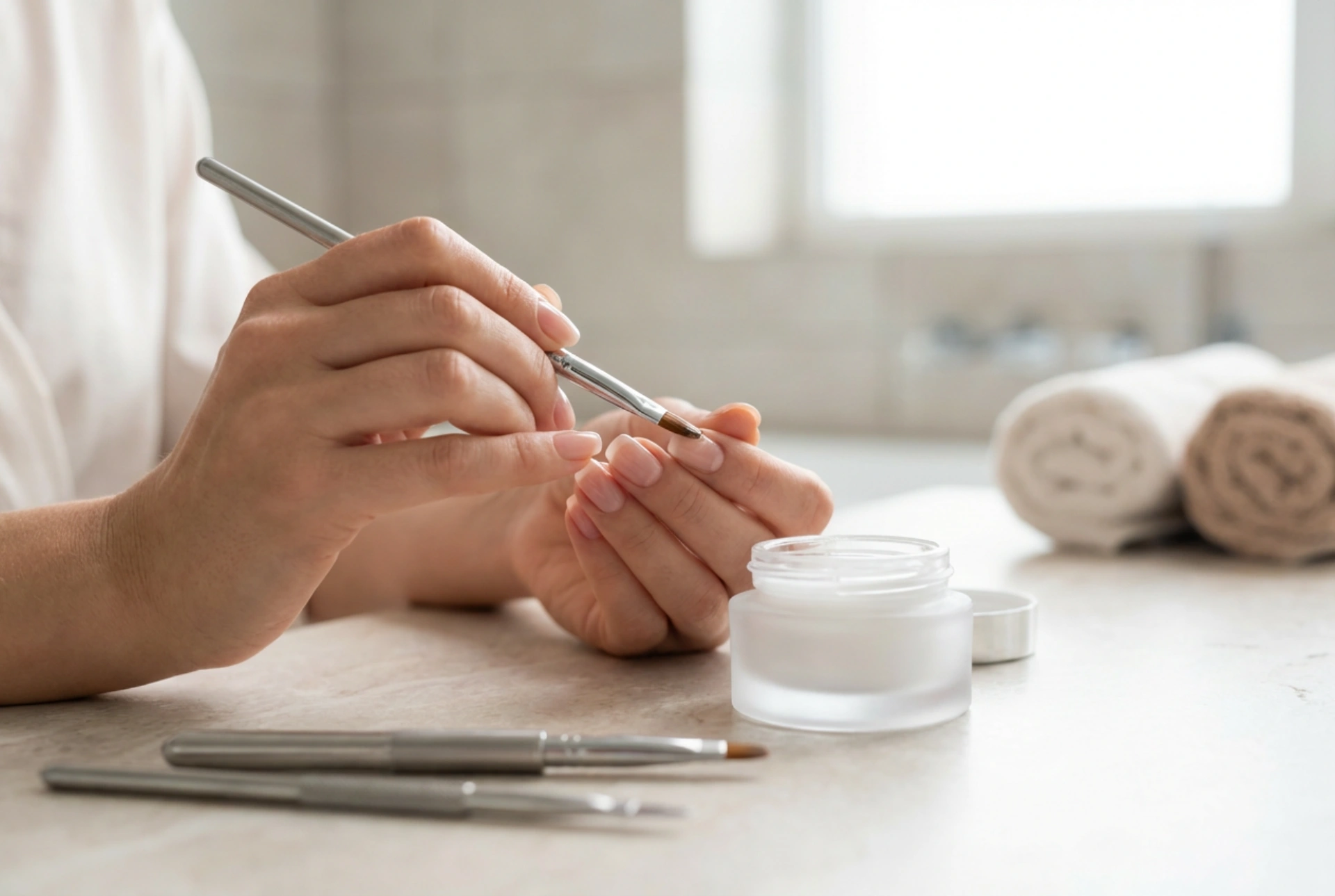
Begin by applying a very thin layer of gel over the entire natural nail, known as a 'slip layer'. Do not cure it yet. Next, pick up a small bead of gel with your brush and place it on the nail form, just past the edge of your natural nail. Gently pat and guide the gel to create the desired length and shape of the extension. Then, take another, larger bead of gel and place it in the centre of the nail to build the apex. Carefully guide the gel towards the cuticle area (without touching the skin) and blend it into the extension you just created. Work with the gel's consistency, allowing it to level slightly before moving on.
Curing and Finishing Touches
The final stage involves hardening the gel and refining the shape to perfection.
The Curing Stage
Once you are happy with the shape, place your hand under an LED or UV lamp to cure the gel. The curing time will depend on your lamp's power and the gel manufacturer's instructions, but it typically ranges from 30 to 120 seconds. You might feel a brief warming sensation known as a 'heat spike' as the gel cures; this is normal. If it becomes uncomfortable, briefly remove your hand from the lamp and then place it back in.
Final Shaping and Sealing
After the gel is fully cured, it will have a sticky layer on top called the inhibition layer. Wipe this off with a cleanser. Now, use a file to refine the shape of the extension, smoothing the side walls and the free edge. Use a buffer to smooth the entire surface of the nail. After removing all the dust, apply a thin layer of a gel top coat to seal the extension, add shine, and provide extra protection. Cure the top coat according to its instructions. To finish, apply a nourishing cuticle oil to rehydrate the skin around your nails.