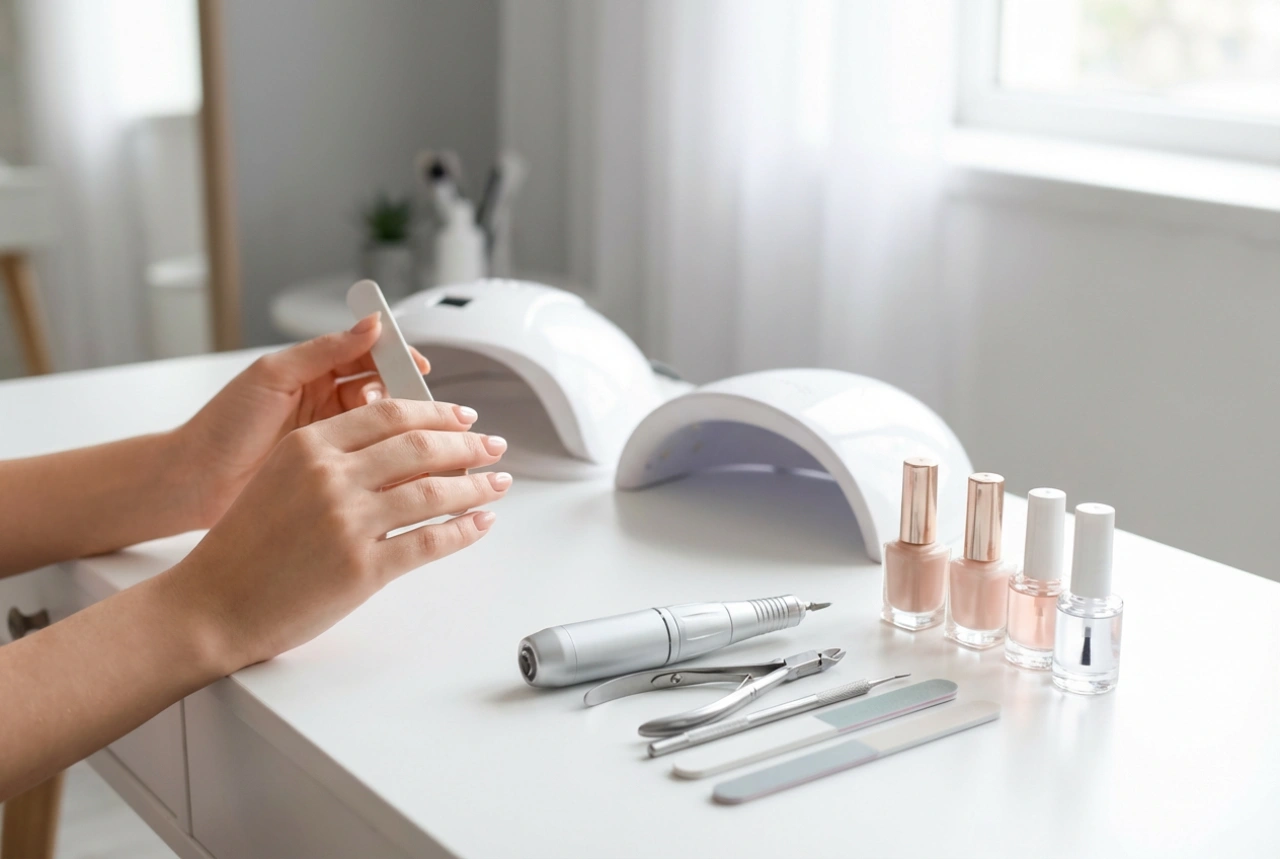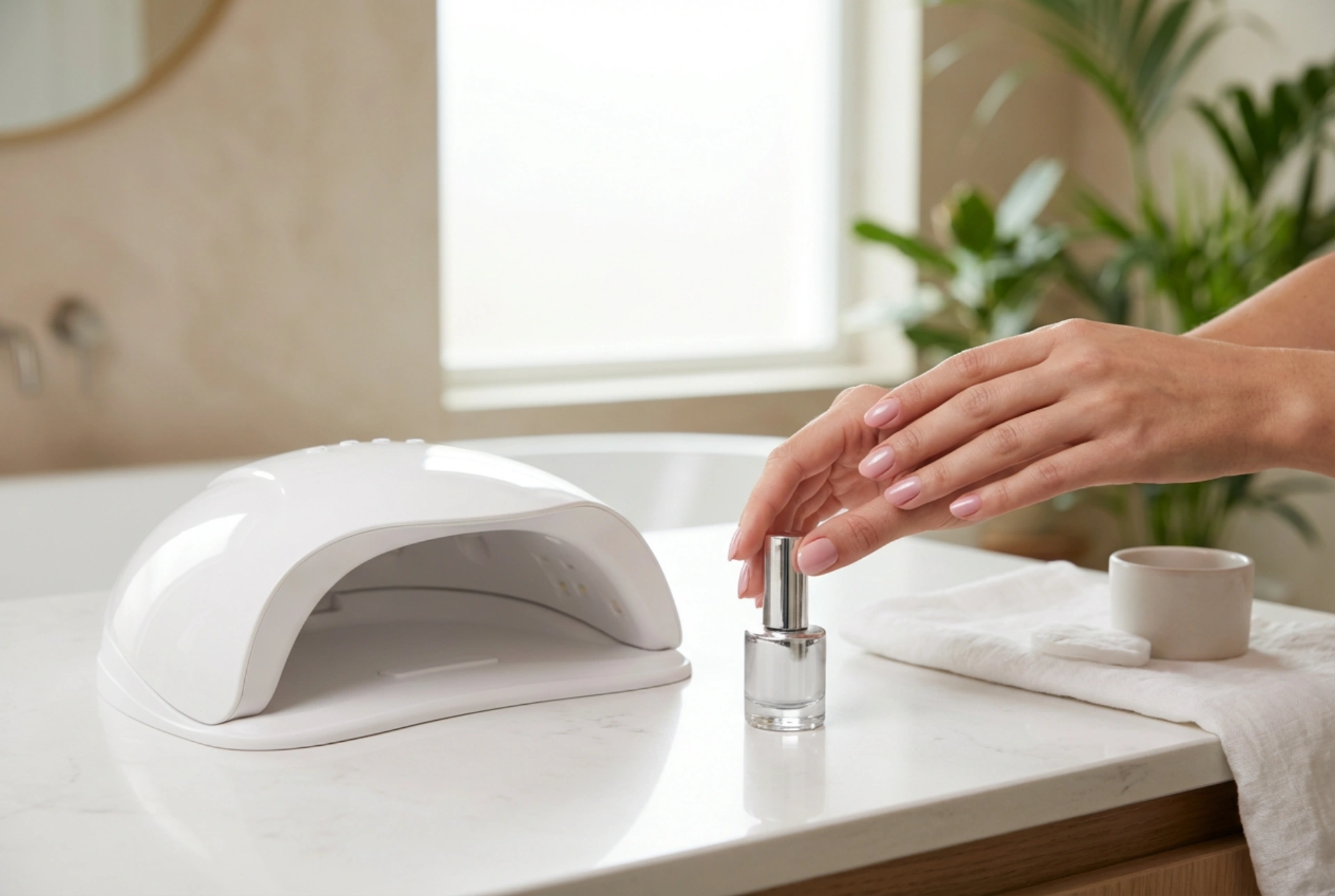


Achieving a professional-looking hybrid manicure at home has become a popular form of self-care. A key element for a flawless, long-lasting result is the nail lamp used to cure the polish. Unlike traditional nail varnishes that air-dry, gel and hybrid polishes require exposure to specific wavelengths of light to harden, or 'cure'. Understanding how these devices work, especially the differences in light sources and their impact on curing times, is crucial for anyone looking to perfect their nail routine.
The Role of the Nail Lamp in Hybrid Manicures
A hybrid manicure's incredible durability comes from the chemical composition of the polish. It contains photoinitiators, which are molecules that react when exposed to UV or LED light. This reaction, called polymerisation, transforms the liquid gel into a hard, resilient plastic layer. Without a suitable lamp, the polish would remain wet indefinitely. Therefore, the lamp is not just an accessory but an essential tool that activates the polish and ensures its longevity and glossy finish.
Understanding Light Sources: UV vs. LED
The primary difference between nail lamps lies in the type of bulb or diode they use to produce light. This determines the speed, efficiency, and compatibility of the curing process.
Traditional UV Lamps
UV (ultraviolet) lamps were the original standard for curing gel nails. They use fluorescent-style bulbs that emit a broad spectrum of ultraviolet wavelengths. This wide range means they can cure almost any type of gel polish. However, they have some drawbacks. Curing times are significantly longer, typically ranging from 2 to 3 minutes per layer. The bulbs also lose their effectiveness over time and require regular replacement, usually every few months with frequent use, to ensure proper curing.
Modern LED Lamps
LED (Light Emitting Diode) lamps represent a more modern technology. They emit a narrower, more targeted spectrum of light wavelengths. This focused energy allows them to cure compatible LED-specific gel polishes much faster, often in just 30 to 60 seconds. LED diodes are also more energy-efficient and have an incredibly long lifespan, often lasting for tens of thousands of hours without needing replacement. The main consideration used to be that they might not cure older or traditional UV-only gels, but this is less of an issue today.
The Best of Both Worlds: UV/LED Lamps
To address the compatibility concerns of early LED lamps, manufacturers developed dual-technology UV/LED lamps. These devices are now the most popular choice for both home and professional use. They contain diodes that emit light at two different wavelengths, combining the broad compatibility of UV lamps with the speed and efficiency of LED technology. This ensures they can cure virtually any type of gel, hybrid, or builder gel on the market quickly and effectively, offering the ultimate in convenience and versatility.
Factors That Influence Curing Times
While the lamp's technology is a primary factor, several other variables can affect how long it takes to cure a layer of polish properly.
- Lamp Power (Wattage): Higher wattage lamps generally deliver more power, which can lead to faster curing times. However, it is essential to follow the polish manufacturer's recommendations, as overpowering can sometimes cause issues.
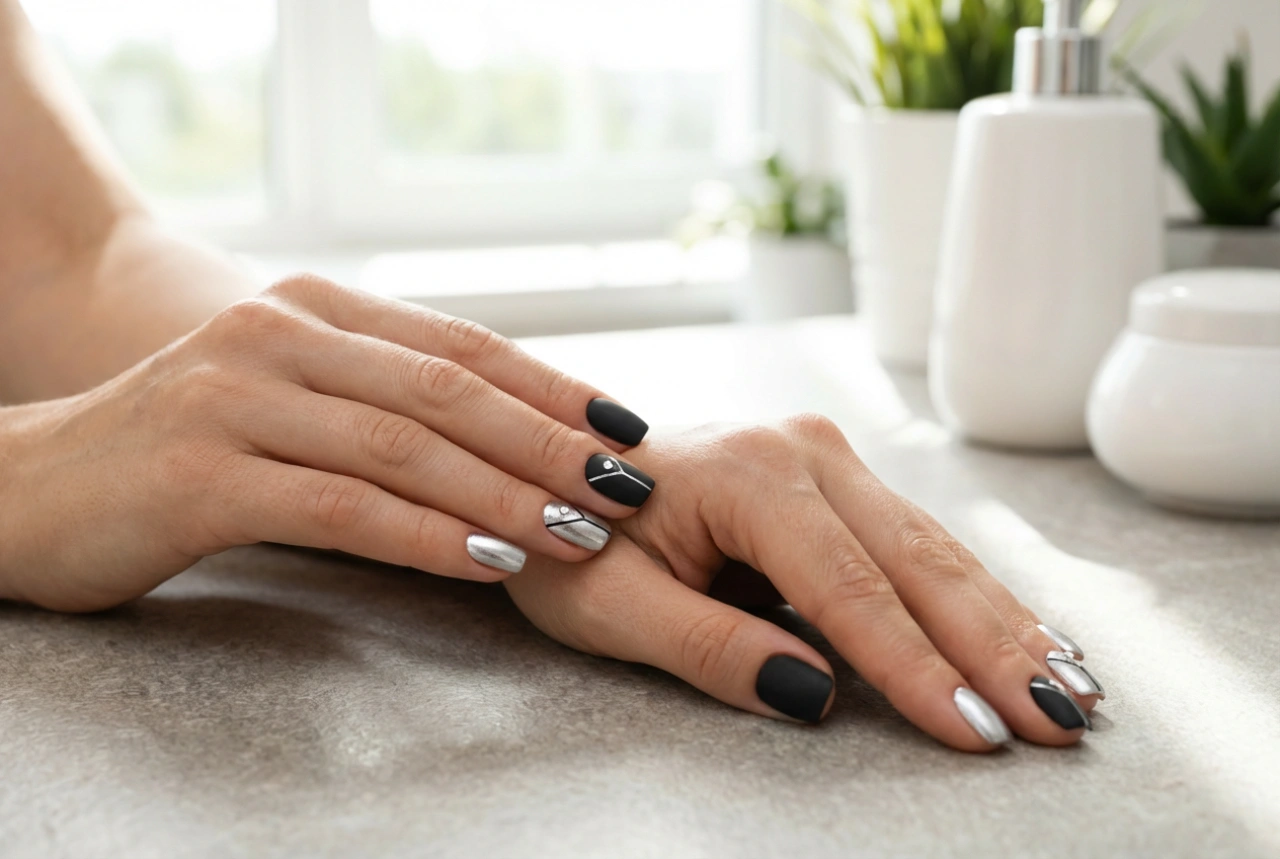
- Polish Colour and Pigmentation: Darker, opaque, and highly pigmented colours (like black, dark red, or glittery shades) require more time to cure. The pigments can block light from penetrating through the entire layer, so an extended curing time ensures the polish hardens completely.
- Thickness of Application: Applying gel polish in thin, even layers is critical. A thick layer may seem to cure on the surface, but the light may not reach the bottom, leaving it wet. This can lead to wrinkling, peeling, and a short-lived manicure. Always apply two to three thin coats instead of one thick coat.
- Type of Product: Base coats, colour coats, builder gels, and top coats all have different formulations and may require different curing times. Always check the instructions for each specific product you are using.
Tips for Effective and Safe Curing
For a perfect, long-lasting manicure, proper curing technique is just as important as the lamp itself. Start by ensuring your hand is placed correctly inside the lamp, with fingers flat and centred to receive even light exposure. Use the lamp's preset timers according to the polish instructions. Many modern lamps also feature a 'low-heat mode,' which gradually increases the light intensity. This can be more comfortable for individuals with sensitive nail beds, as it minimises the heat spike some people feel during polymerisation. By understanding your lamp and the products you use, you can consistently achieve beautiful, durable results at home.