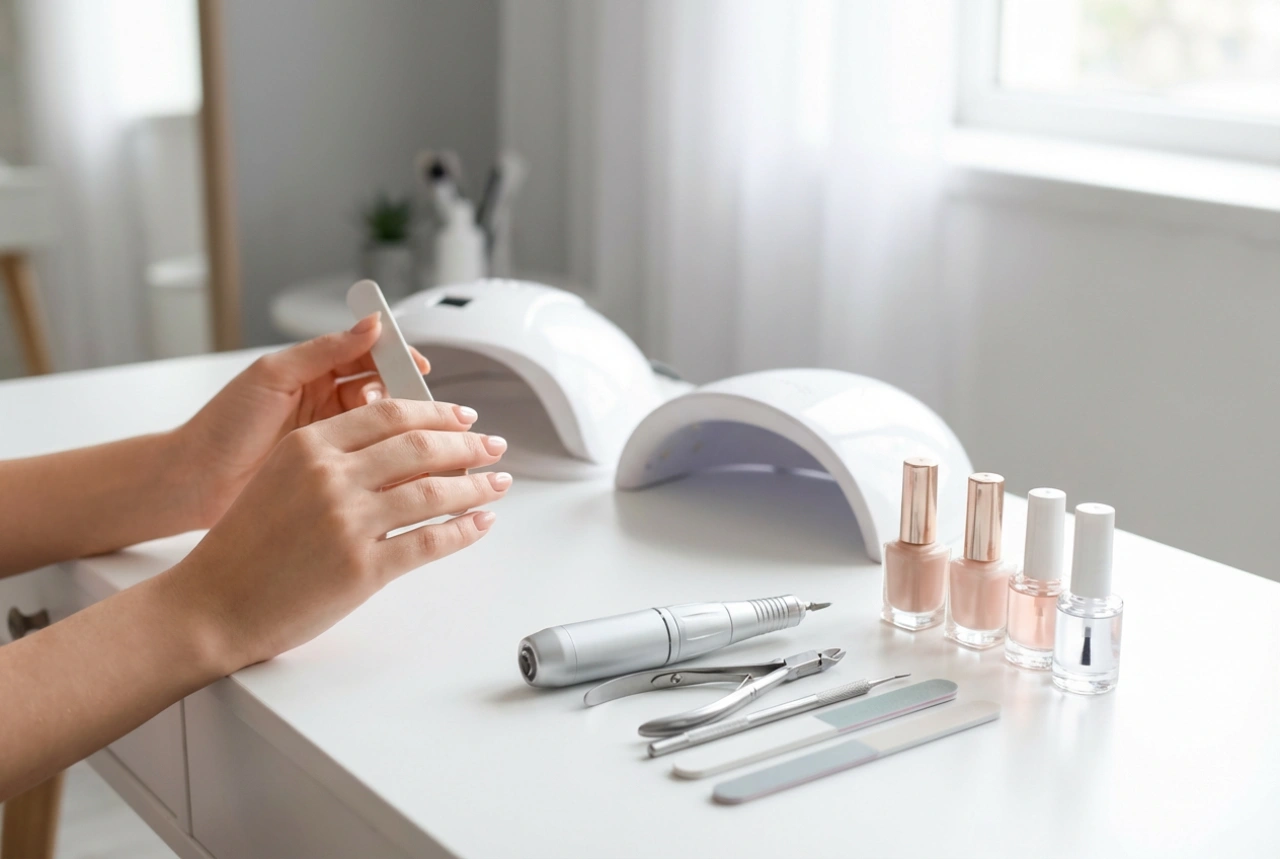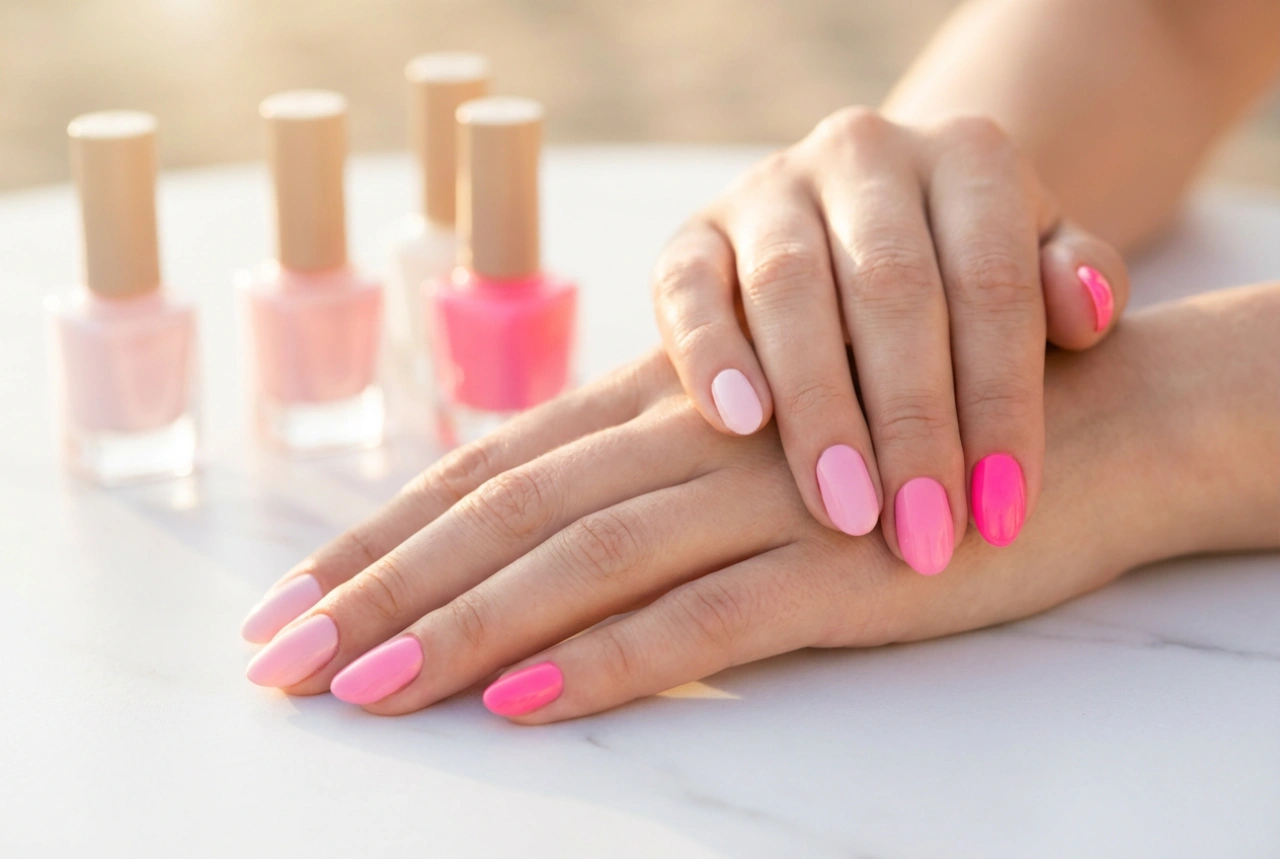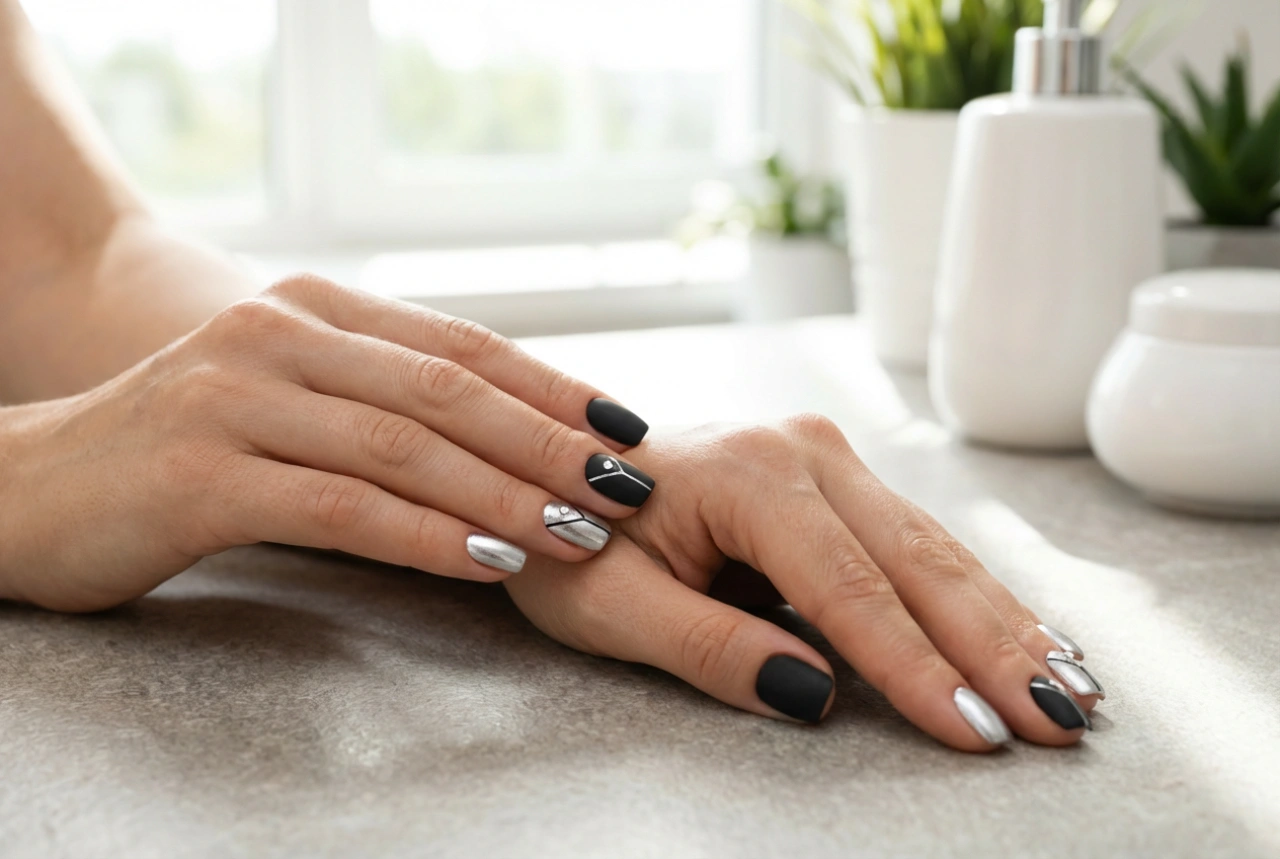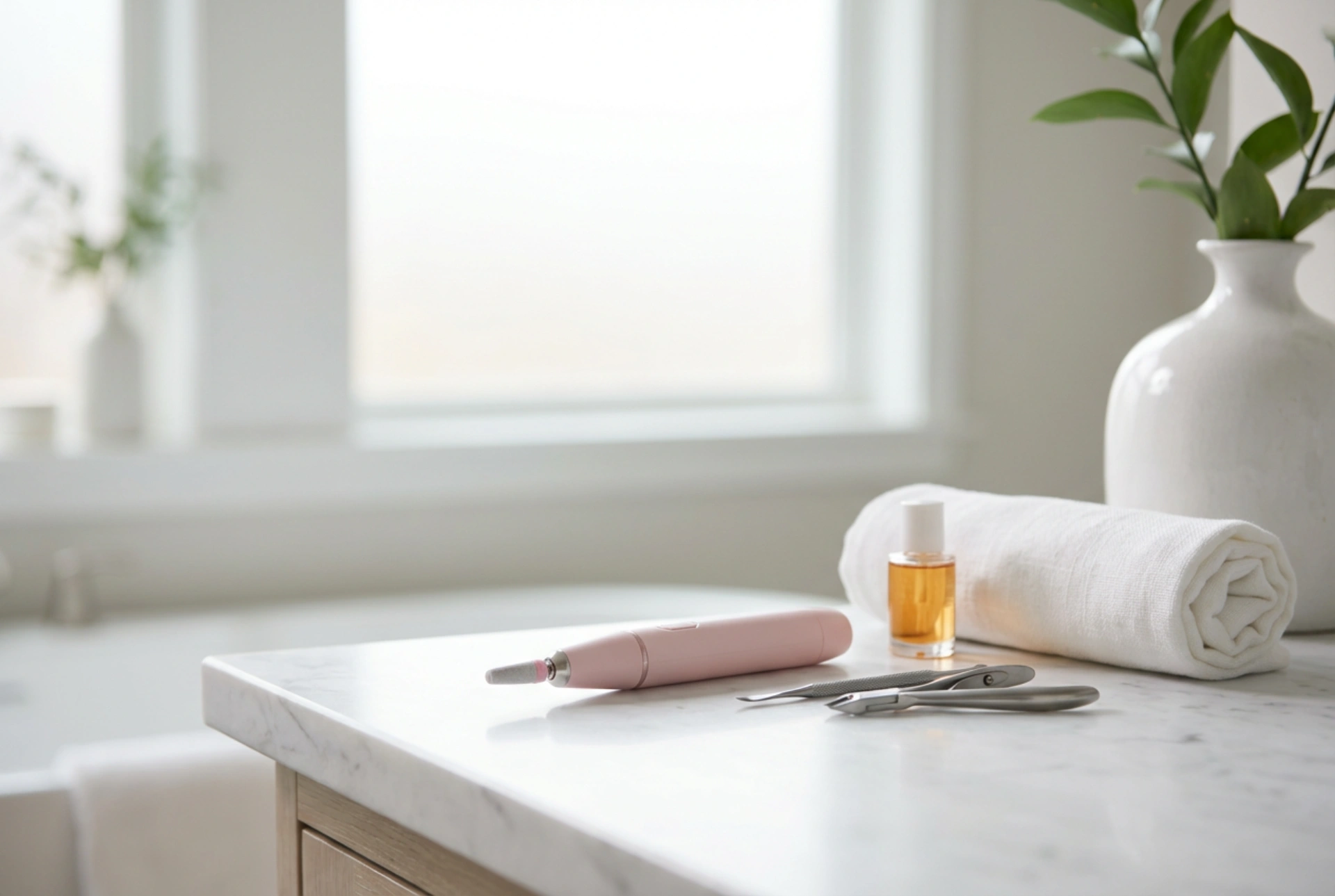


An electric nail file, often called a nail drill or e-file, can elevate your home manicure routine, helping you achieve smooth, beautifully shaped nails with ease. While its professional power might seem intimidating, choosing the right model and learning the basics makes it a safe and indispensable tool. A stylish pink design not only adds a touch of personality to your beauty kit but also makes the experience of caring for your nails more enjoyable. This guide will walk you through selecting the perfect pink e-file and maintaining it for lasting performance.
Choosing Your Ideal Pink Electric Nail File
When you start looking for an electric nail file, you'll notice various specifications and features. Understanding what they mean is key to picking a device that suits your needs, especially if you are a beginner. Focus on safety and ease of use over sheer power.
Key Features to Consider
- Power and Speed (RPM): RPM stands for 'rotations per minute' and indicates how fast the drill bit spins. For home use on natural nails, a device with a variable speed setting that goes up to 15,000-20,000 RPM is more than sufficient. High-end professional models can reach 35,000 RPM or more, but this level of power is unnecessary and can be risky for beginners. Always start at the lowest speed and increase it only as you become more comfortable.
- Forward and Reverse Rotation: A bi-directional rotation feature is incredibly useful. It allows you to switch the spinning direction of the bit, making it easier to work on both your left and right hands comfortably and effectively, moving from the side of the nail towards the centre.
- Vibration, Noise, and Heat: A high-quality e-file should operate with minimal vibration and noise. Low vibration provides better control for precise work and reduces hand fatigue. The handpiece should also be designed to dissipate heat, preventing it from becoming uncomfortably warm during use.
- Corded vs. Cordless: Cordless models offer fantastic portability and freedom of movement, perfect for those with limited space or who like to do their nails anywhere. Check the battery life and charging time. Corded models, on the other hand, provide consistent, uninterrupted power, which can be a benefit for longer sessions.
- Ergonomics and Weight: The design of the handpiece is crucial. Look for one that is lightweight and comfortable to hold, with a shape that fits naturally in your hand. This will give you greater control and make the filing process smoother.
Understanding Basic Nail Drill Bits
Your electric nail file will come with a set of interchangeable heads, known as bits or burs. Each is designed for a specific purpose. Using the right bit is essential for achieving the desired result safely. For natural nails, always opt for finer-grit bits and a gentle touch.
Common Bit Types for Home Use
- Cuticle Bits: These are typically small and pointed, like a flame or needle bit. They are used on a low speed setting to gently push back overgrown cuticles and clean up the nail plate around the cuticle area. Be extremely careful to avoid touching the skin.
- Barrel or Cone Bits: These are excellent for shaping the free edge of the nail and shortening the length. Finer-grit versions can also be used to gently smooth ridges on the nail surface.
- Buffing Bits: Often made from materials like chamois, felt, or soft silicone, these bits are used on a very low speed at the final stage of a manicure to polish the nail surface and give it a natural, healthy shine.
- Mandrel Bit: This is a metal or rubber bit onto which single-use sanding bands are fitted. Sanding bands come in various grits (coarse, medium, fine) and are used for shaping, shortening, and surface work. Always use a fine-grit band on natural nails and dispose of it after each use for hygiene.
Safe Usage Tips for Beginners
Safety is paramount when using an electric file. Incorrect use can weaken or damage your natural nails. Follow these guidelines to ensure a positive and safe experience.
- Start Slow, Go Slow: Always begin with the lowest speed setting. You can gradually increase it as you gain confidence, but a low to medium speed is usually enough for natural nails.
- Keep It Moving: Never hold the spinning bit in one spot on your nail. This can create friction and heat, which can be painful and cause damage. Use light, even strokes and continuously move the bit across the nail surface.
- Use a Light Touch: Let the tool do the work. There is no need to apply significant pressure. Applying too much pressure can lead to over-filing and thinning of the nail plate.
- Maintain the Correct Angle: Try to keep the bit as parallel to the nail surface as possible. Angling the bit can cause it to dig into the nail, creating divots and unevenness.
- Practise Makes Perfect: Before working on your own nails, consider practising on a set of artificial nail tips to get a feel for the machine's speed, pressure, and different bits.
Caring for Your E-File and Accessories
Proper maintenance will prolong the life of your pink nail drill and ensure it remains hygienic and effective. A clean tool is a safe tool.
- Clean Bits After Every Use: Dust and debris can build up on your drill bits. After each manicure, use a small, stiff brush to scrub the bits clean. Then, sanitise them with an appropriate disinfectant solution and allow them to air dry completely.
- Wipe Down the Handpiece: Use a soft, dry or slightly damp cloth to wipe down the handpiece and remove any dust. Never submerge the handpiece in water or use harsh chemicals on it, as this can damage the motor and electronic components.
- Store Properly: Keep your e-file, power cord, and bits in the case or box they came in. This protects them from dust, moisture, and accidental damage, ensuring your pretty pink tool stays in pristine condition.
- Replace Worn Bits: Over time, drill bits will become dull and less effective. A dull bit requires more pressure to work, increasing the risk of damage. Inspect your bits regularly and replace them when they show signs of wear.