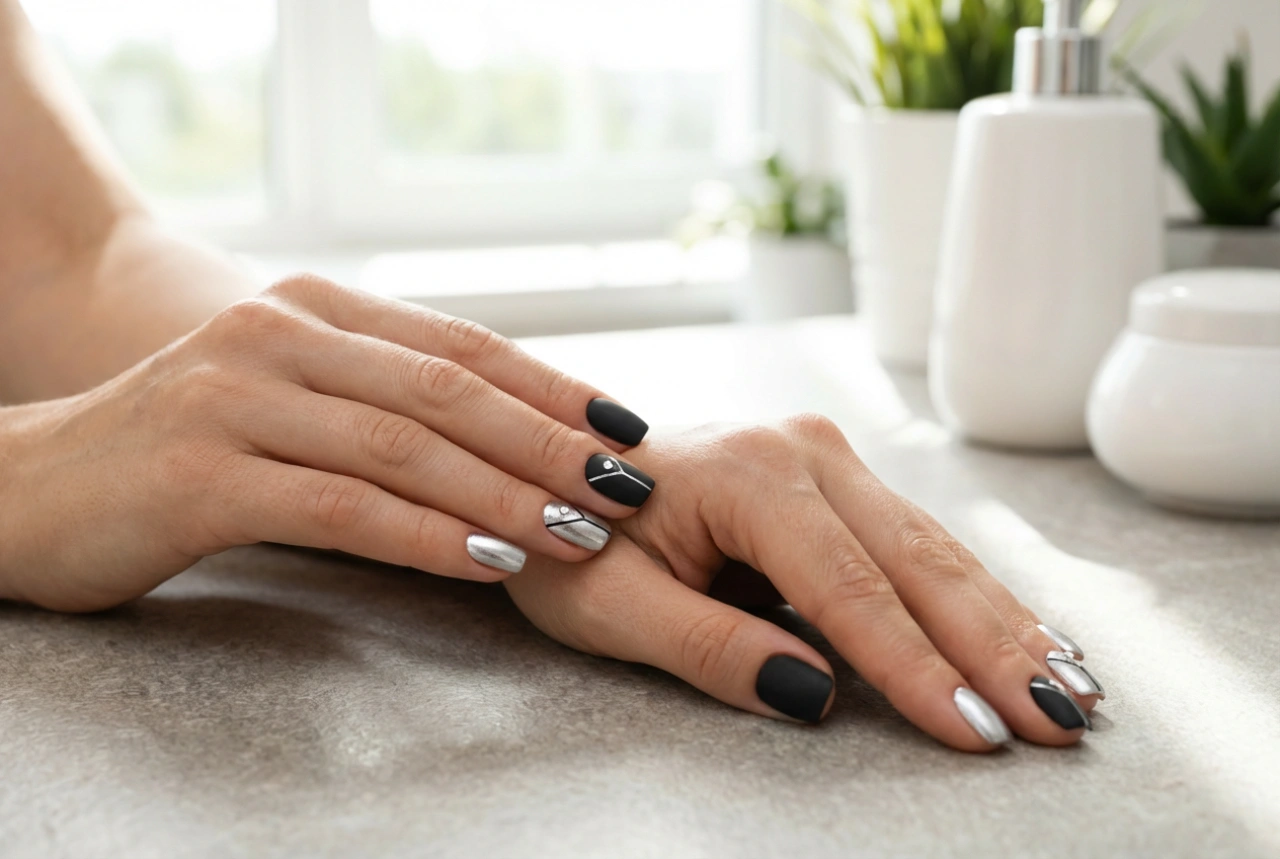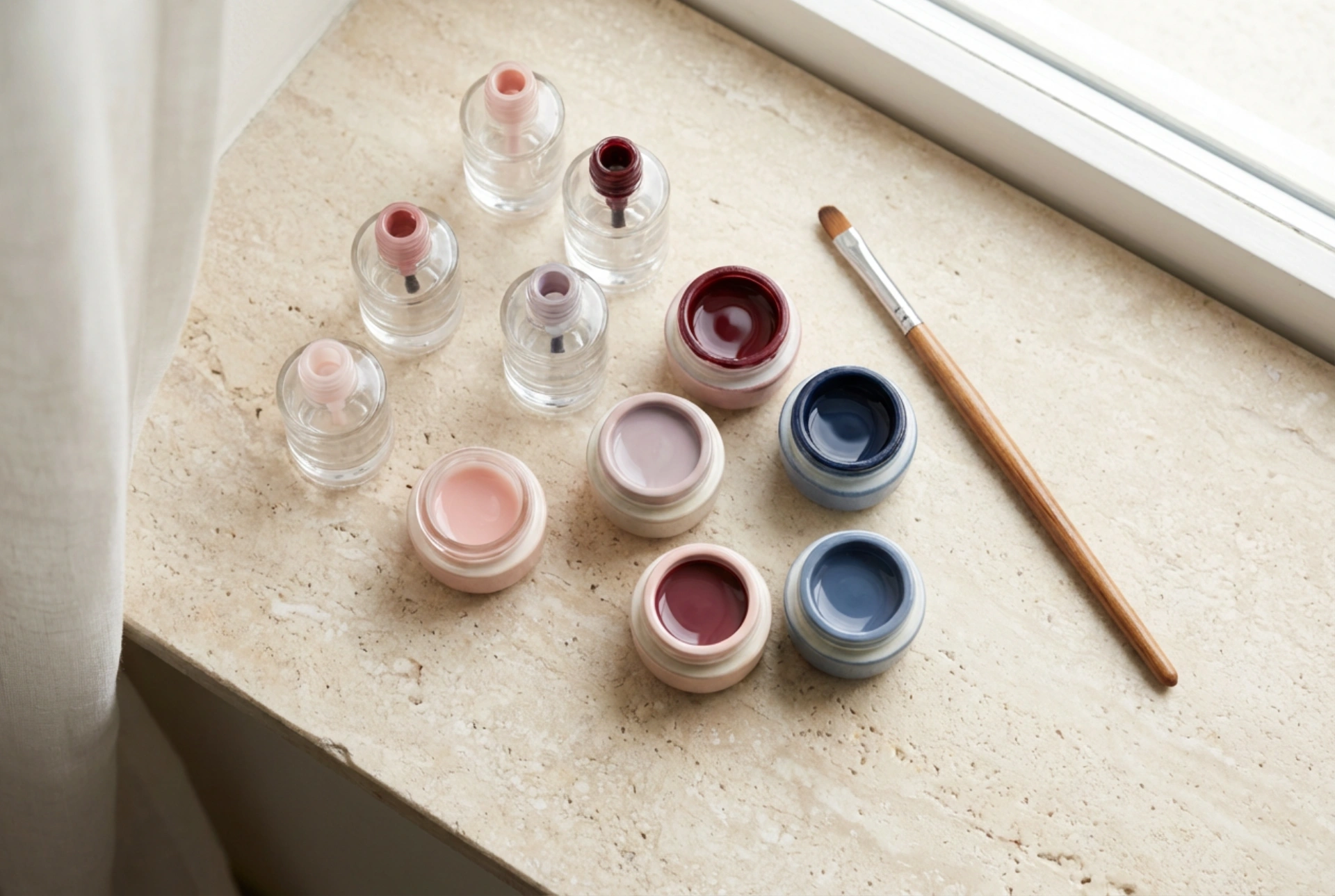


Gel manicures have become a staple in the world of beauty, renowned for their durability and flawless, glossy finish. The vast array of nail gels available can seem overwhelming, but understanding their different properties is the key to achieving professional-looking results at home. From varying consistencies to a rainbow of colours and finishes, each type of gel has a specific purpose. This guide will walk you through the essentials of nail gels, helping you select the right products for your desired nail art and extensions.
Understanding Gel Consistency
The consistency, or viscosity, of a nail gel determines how it behaves during application. It affects how the gel levels on the nail, its suitability for building structure, and the overall ease of use. Gels are generally categorised into thin, medium, and thick consistencies.
Thin Consistency Gels
These gels have a runny, liquid-like texture. They are typically self-levelling, meaning they spread out evenly on the nail surface with minimal effort, creating a very smooth finish. Due to their thinness, they are perfect for use as base coats, as they create a strong adhesive layer without adding bulk. They are also ideal for applying a simple overlay on natural nails to add strength, or for securing small decorations like foils or decals.
Medium Consistency Gels
Medium consistency gels offer a balance between the runniness of thin gels and the firmness of thick gels. They have enough body to be controlled easily, but still self-level to a degree, which helps to smooth out imperfections. This versatility makes them a favourite for many applications, including building short to medium-length extensions and creating a supportive overlay. For those new to using builder gels, a medium viscosity is often the easiest to start with.
Thick Consistency Gels
Also known as pudding or jelly gels, these have a very high viscosity and do not move or run once applied to the nail. Their putty-like texture means they stay exactly where you place them, giving you ample time to shape and perfect your work before curing. This makes them the ultimate choice for sculpting long extensions, creating high apexes for strength, embedding larger embellishments, and crafting intricate 3D nail art. They are also excellent for repairing a broken nail corner as they can be moulded into shape.
The Spectrum of Gel Colours and Finishes
Beyond consistency, nail gels come in an endless variety of colours and finishes, allowing for complete creative freedom. The type of colour gel you choose will define the final look of your manicure.
- Classic Opaque Colours: These are the standard, solid colours that provide full coverage in one or two coats. They form the foundation of most gel collections, available in every shade imaginable.
- Sheer and Translucent Gels: Often called 'jelly' gels, these provide a see-through wash of colour. They are perfect for the popular 'glass nail' look, for creating subtle gradients, or for layering over glitters to create depth.
- Glitter and Shimmer Gels: These gels are pre-mixed with glitter particles or fine shimmer. They can range from a delicate sparkle to a full-coverage, high-impact glitter effect, eliminating the messy step of applying loose glitter.
- Special Effect Gels: This category includes innovative gels that offer unique finishes. Examples include magnetic gels that create a 'cat-eye' effect when a magnet is used, and thermal gels that change colour based on temperature.
Primary Uses for Different Nail Gels
To build a long-lasting and beautiful gel manicure, several types of gel are used in a layered system. Each has a distinct role in the process.
Base Gel
This is the first and most crucial step after nail preparation. A thin layer of base gel is applied to the natural nail to act as a primer. Its primary function is to create a strong bond between the natural nail plate and the subsequent layers of gel, ensuring longevity and preventing lifting. It also provides a protective barrier for the natural nail.
Builder Gel
As the name suggests, builder gel is used to build structure, strength, and length. It can be applied over the natural nail (as an overlay) to reinforce it, or used with nail forms or tips to sculpt extensions. Builder gels come in all the consistencies mentioned earlier, and are often available in clear, pink, and neutral cover shades to mimic the look of a natural nail bed.
Colour Gel
This is the decorative layer where you express your style. Colour gels are applied in thin coats over the cured builder gel or base gel. Most colours require two coats for full opacity, with each layer being cured separately. The possibilities are limitless, with the vast range of colours and finishes available.
Top Gel
The final layer of the manicure is the top gel, or top coat. Its job is to seal and protect the colour and structure underneath, providing a durable shield against chipping, scratching, and daily wear. It also delivers the final finish. You can choose a high-gloss top coat for a classic shiny look or a matte top coat for a modern, velvety finish.