

In the world of skincare, few products offer the elegant simplicity and effectiveness of micellar water. Often seen as a gentle yet powerful cleansing staple, it promises to lift away makeup and impurities with minimal effort. But to truly benefit from this popular product, it is crucial to understand how to select the right one for your skin and how to use it properly. A good micellar water can be a cornerstone of your daily routine, providing a fresh, clean canvas for subsequent skincare steps.
What Exactly Is Micellar Water?
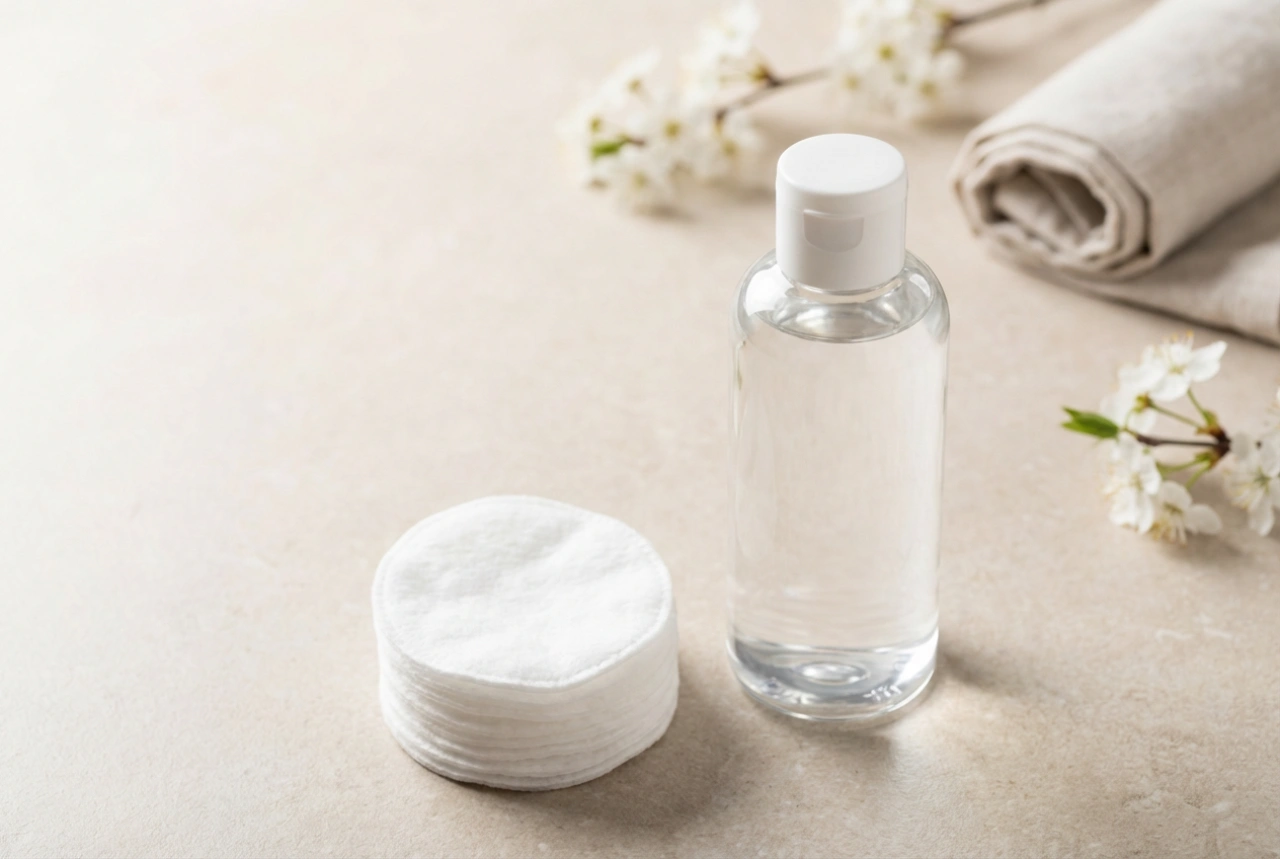
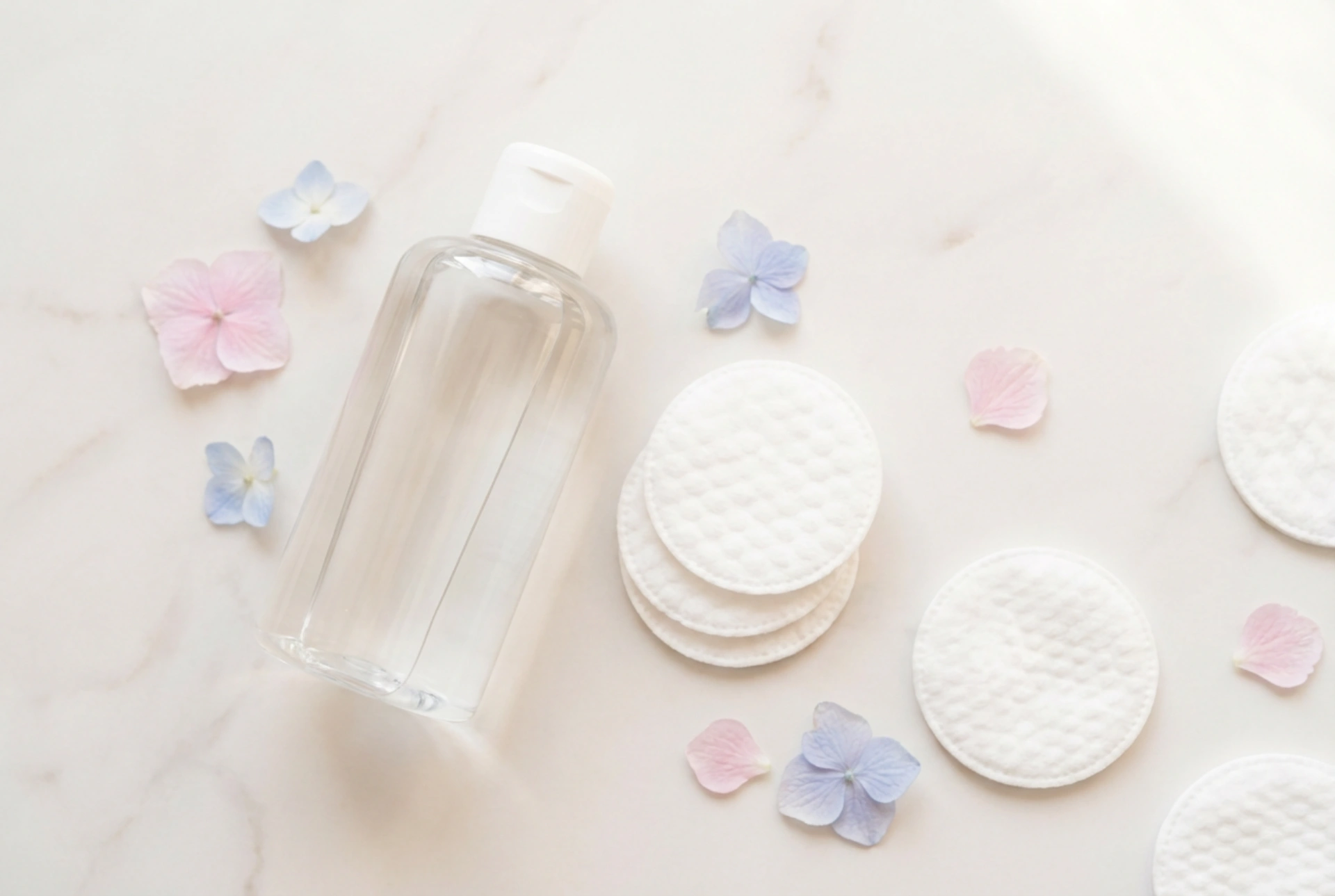
At its core, micellar water is a cosmetic product made of purified, soft water containing micelles. Micelles are tiny, spherical clusters of cleansing oil molecules. These molecules have a 'hydrophilic' (water-loving) head and a 'lipophilic' (oil-loving) tail. When you apply the product to your skin with a cotton pad, the oil-loving tails are drawn to the oils, makeup, and dirt on your skin's surface. They act like magnets, trapping and lifting away these impurities without stripping the skin of its natural moisture. This unique mechanism makes micellar water an exceptionally gentle cleansing option, suitable for removing everything from foundation to eye makeup without harsh rubbing.
How to Recognise a Good Micellar Water
Not all micellar waters are created equal. The effectiveness and suitability of a formula depend largely on its composition. By paying close attention to the ingredient list and considering your skin's unique needs, you can make a more informed choice.
Analyse the Ingredient List
A high-quality micellar water should have a relatively simple formula. Look for hydrating and soothing ingredients that support the skin barrier. Key components to look for include:
- Glycerin: A humectant that draws moisture into the skin, keeping it hydrated.
- Hydrating agents: Ingredients like hyaluronic acid or panthenol can provide an extra boost of moisture.
- Soothing extracts: Components such as aloe vera, cucumber extract, or chamomile can help to calm the skin and reduce redness.
Equally important is knowing what to avoid. Steer clear of formulas containing harsh alcohols (like alcohol denat.), which can be drying and irritating. Artificial fragrances and colourants are also common culprits for skin sensitivity and add no functional benefit to the product.
Consider Your Skin Type
The best micellar water is one that complements your skin type. While most are formulated to be gentle, some contain additional ingredients targeted at specific concerns. For dry or sensitive skin, seek out formulas enriched with extra hydrating and calming ingredients. If you have oily or combination skin, you might prefer a product that contains elements to help purify pores and balance sebum production, but ensure it is still gentle and non-stripping. For normal skin, a basic, well-formulated micellar water is usually sufficient.
The Correct Way to Use Micellar Water
Proper application is key to maximising the benefits of micellar water and avoiding potential irritation. Following a few simple steps will ensure a thorough and gentle cleanse.
- Saturate a Cotton Pad: Use a soft, high-quality cotton pad and soak it generously with micellar water. A properly saturated pad glides smoothly over the skin and prevents unnecessary friction or dragging.
- Press and Hold: Instead of immediately wiping, gently press the saturated pad onto an area of your face—especially over the eyes or lips if you are wearing makeup. Hold it there for 10-15 seconds. This gives the micelles time to dissolve and lift the makeup and dirt.
- Wipe Gently: After holding, gently wipe the pad outwards, moving from the centre of your face towards the hairline. Use light, sweeping motions rather than aggressive rubbing.
- Repeat as Needed: For heavy makeup or sunscreen, you may need to use a second or even third cotton pad. Continue the process until the pad comes away clean.
To Rinse or Not to Rinse?
Many micellar waters are marketed as 'no-rinse' products. While this is convenient, many skincare experts recommend following up with a quick rinse with lukewarm water. Rinsing ensures that any leftover surfactants and the impurities they have lifted are completely removed from your skin's surface. This is particularly beneficial for those with sensitive or blemish-prone skin. Alternatively, micellar water can be used as the first step in a double-cleansing routine, followed by a water-based gel or foam cleanser.