

Achieving a hydrated, glowing complexion is a common skincare goal, and a well-formulated moisturiser is often the hero product in this quest. When that moisturiser is enhanced with hyaluronic acid, it becomes a powerful tool for quenching thirsty skin. Understanding how to use this ingredient effectively is key to unlocking its full potential. This involves not just when you apply it, but also how it fits within your complete skincare ritual, creating a refined, multi-step routine that leaves skin looking and feeling its best.
What is Hyaluronic Acid and Why is it in Your Moisturiser?
Hyaluronic acid, often abbreviated as HA, is a substance naturally found in our skin that holds onto water, helping to keep it hydrated and plump. It is a type of humectant, which means it draws moisture from its surroundings. Imagine it as a tiny sponge that can hold up to 1,000 times its weight in water. As we age, the natural production of hyaluronic acid in our bodies decreases, which can lead to dryness and the appearance of fine lines. By including it in moisturisers, cosmetic formulators provide a way to topically replenish the skin’s hydration levels. A moisturiser with hyaluronic acid not only delivers its own hydrating ingredients but also helps to attract and lock in water, resulting in a smoother, fuller appearance and a strengthened skin barrier.
When is the Best Time to Use a Hyaluronic Acid Moisturiser?
The versatility of hyaluronic acid makes it suitable for use both morning and night, depending on your skin’s needs and your routine.
In the Morning Routine
Applying a moisturiser with hyaluronic acid in the morning helps to start the day with a well-hydrated base. This can make your skin look plumper and can also create a smoother canvas for makeup application. More importantly, hydrated skin has a healthier barrier function. A strong skin barrier is better equipped to defend itself against environmental stressors it will encounter throughout the day, such as pollution and dry air. The lightweight hydration it provides is generally suitable for all skin types, without feeling heavy or greasy.
In the Evening Routine
At night, our skin goes into a state of repair and regeneration. This is the perfect time to support this process with intense hydration. Using a hyaluronic acid moisturiser in the evening helps to replenish any moisture lost during the day. As you sleep, the humectant properties of HA will continue to draw moisture into the skin, helping you wake up with a complexion that feels soft, refreshed, and visibly revitalised. For those with particularly dry skin, an evening application is especially beneficial for deep nourishment.
The Art of Layering: How to Apply Your Moisturiser Correctly
To maximise the benefits of hyaluronic acid, it’s crucial to apply it correctly. The golden rule is to layer products from the thinnest consistency to the thickest, and to apply hyaluronic acid to damp skin.
- Step 1: Cleanse Your Face. Always start with a clean canvas. Use a gentle cleanser to remove makeup, dirt, and impurities without stripping the skin of its natural oils.
- Step 2: Dampen Your Skin. This is a critical step. Hyaluronic acid needs water to work. After cleansing, gently pat your face with a towel but leave it slightly damp. Alternatively, you can use a hydrating facial mist or toner. This provides the moisture that the HA will pull into your skin.
- Step 3: Apply Serums. If you use other serums (like vitamin C or niacinamide), apply them now. A dedicated hyaluronic acid serum would also be applied at this stage, onto the damp skin, before your moisturiser.
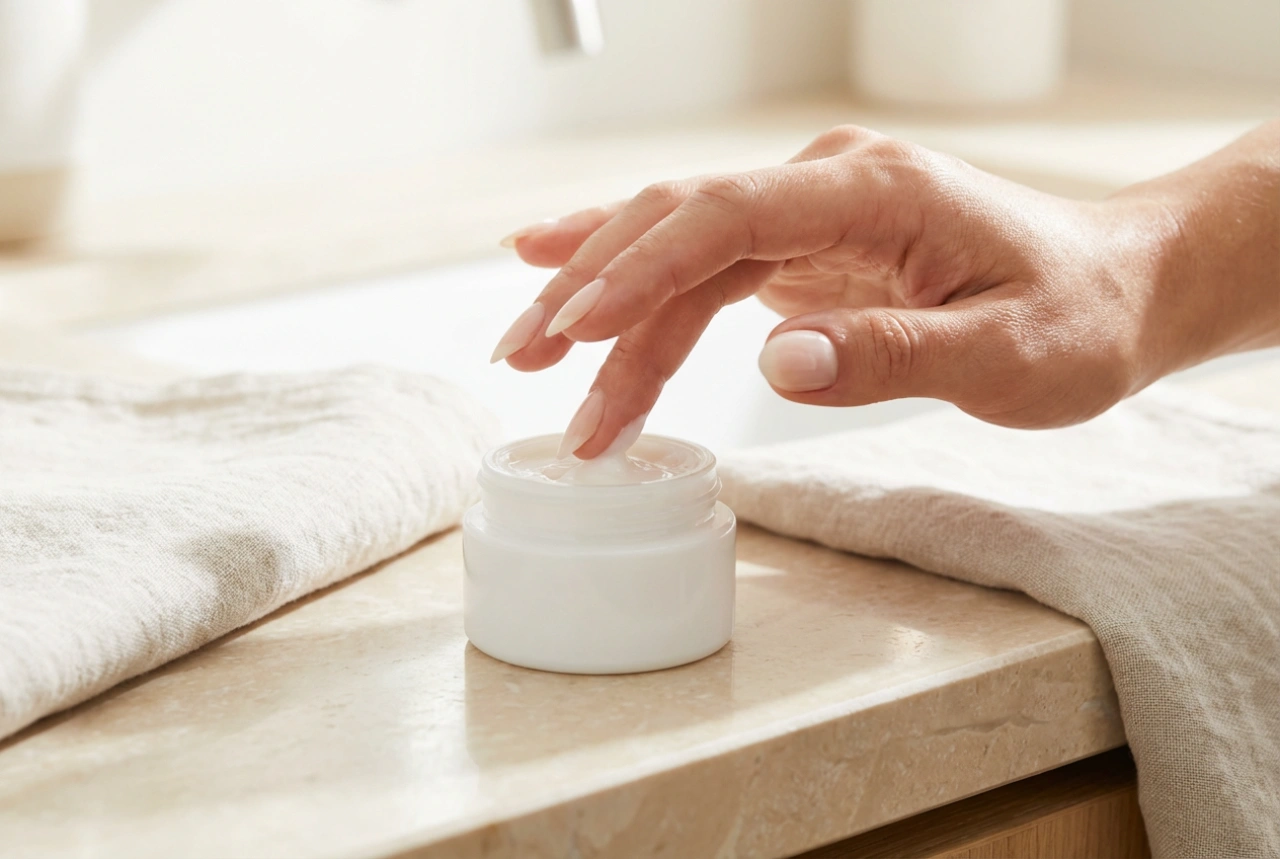
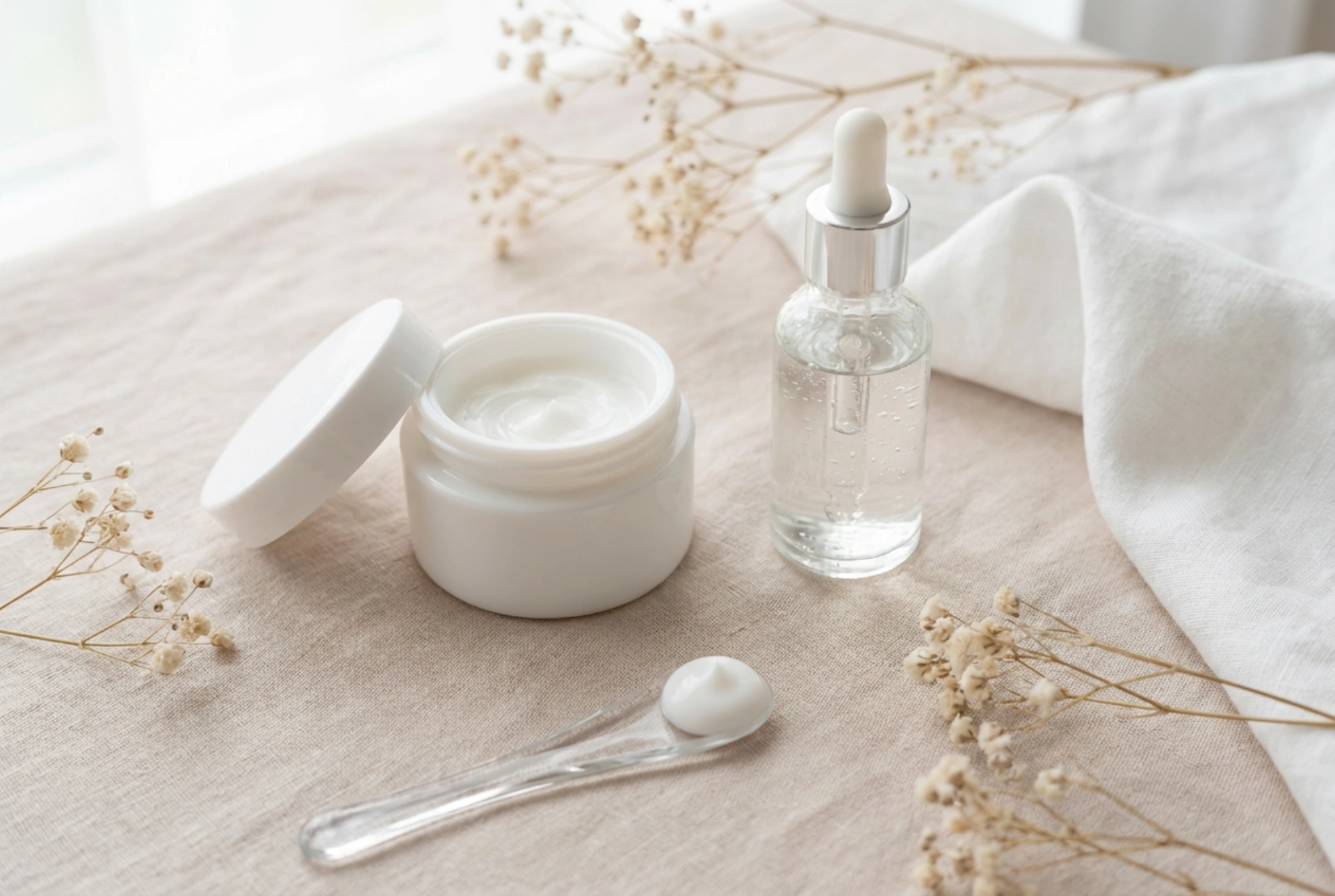
- Step 4: Apply Your Hyaluronic Acid Moisturiser. Take a pea-sized amount of your moisturiser. Warm it slightly between your fingertips and gently press or massage it into your face and neck. This step will lock in the hydration from the damp skin and any serums you've applied, while also providing its own moisturising benefits.
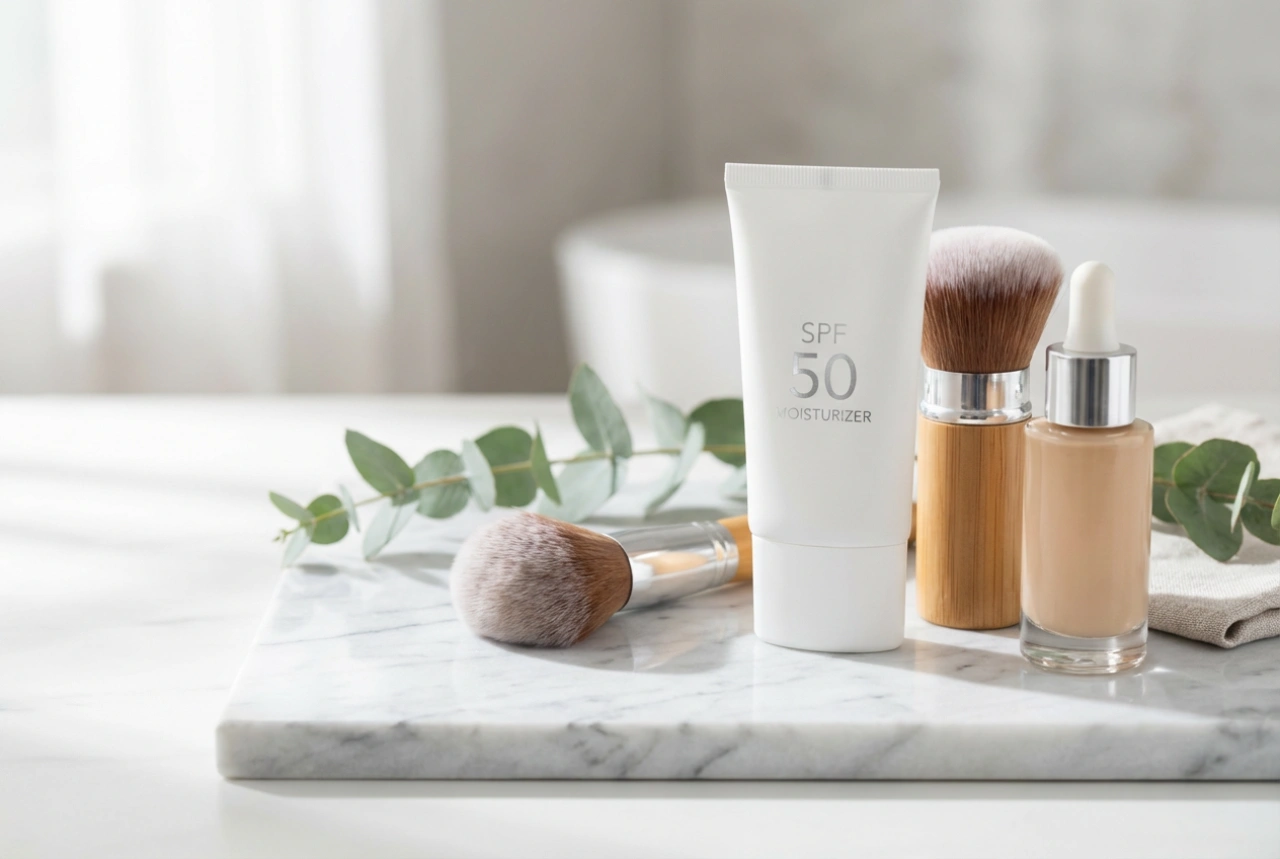
- Step 5: Don't Forget Sunscreen (in the morning). The final and most important step of any morning routine is sunscreen. Apply a broad-spectrum sunscreen with a high SPF to protect your hydrated skin from UV damage.
Common Mistakes to Avoid for Optimal Results
Even with a great product, a few common slip-ups can prevent you from seeing the best results. Be mindful to avoid these mistakes:
Applying to Completely Dry Skin
The most frequent error is applying hyaluronic acid products to a bone-dry face. In a low-humidity environment, if there’s no moisture on the skin's surface for it to grab, it can potentially pull water from the deeper layers of your skin, leading to more dryness. Always apply it to damp skin.
Using Too Much Product
More is not always better. A small, pea-sized amount of moisturiser is typically sufficient for the entire face. Over-applying can lead to a sticky feeling and is an unnecessary waste of product.
Skipping Other Moisturising Ingredients
While hyaluronic acid is a fantastic humectant, a good moisturiser will also contain occlusives and emollients. These ingredients work together with HA—emollients soften the skin, and occlusives form a barrier to prevent water loss. Relying solely on HA without these other components may not provide long-lasting hydration.