

A well-hydrated complexion is the foundation of healthy-looking skin. When your skin feels tight, looks dull, or simply needs a refreshing boost, a hydrating face mask can be a wonderful part of your skincare ritual. These masks are formulated to deliver a concentrated dose of moisture, leaving your skin feeling soft, plump, and revitalised. Incorporating them into your routine is a simple yet effective way to enhance your skin's natural radiance and suppleness. Let's explore how to make the most of this pampering treatment.
When Should You Reach for a Hydrating Mask?
Knowing the right time to use a hydrating mask can significantly amplify its benefits. While they are a great weekly treat for most skin types, certain signs and situations call for their immediate use. Your skin communicates its needs, and learning to read these signals is key.
Listen to Your Skin
Your skin will often tell you when it's thirsty. Look out for these common indicators of dehydration:
- A feeling of tightness, especially after cleansing.
- A dull or lacklustre appearance.
- The sudden appearance of fine lines and wrinkles.
- Rough or flaky patches of skin.
- Increased sensitivity or redness.
If you notice any of these signs, it's a perfect time to indulge in a hydrating mask. As a general rule, using one 1-2 times per week is sufficient for maintaining optimal hydration levels. However, if your skin is particularly dry or you live in a harsh climate, you might benefit from using one up to 3 times per week.
Specific Occasions for a Moisture Boost
Certain events can strip your skin of its natural moisture, making a hydrating mask particularly beneficial. Consider using one:
- After sun exposure: To soothe and replenish moisture lost from being in the sun.
- During long flights: The recycled, dry air in an aeroplane cabin is notorious for dehydrating the skin.
- In the winter months: Cold air outside and central heating inside can leave skin feeling parched.
- Before a special event: To give your skin an instant plumping and glowing effect, creating a perfect canvas for makeup.
How to Prepare Your Skin for a Mask
To ensure your skin absorbs all the beneficial ingredients from the mask, proper preparation is essential. Applying a mask to uncleansed skin can trap impurities and prevent the active ingredients from penetrating effectively. Think of it as creating a clean canvas for a beautiful painting.
First, begin by thoroughly cleansing your face. Use a gentle cleanser to remove all traces of makeup, dirt, and excess oil. Pat your skin dry with a clean, soft towel. For an even deeper clean and better absorption, you can gently exfoliate your skin once or twice a week before masking. This step helps to slough away dead skin cells that can block the mask from working its magic. Finally, applying a toner can help to balance your skin's pH level and prepare it for the hydrating treatment to follow. Once your skin is clean and prepped, it's ready to receive the full benefits of your hydrating mask.
The Art of Applying a Hydrating Mask Correctly
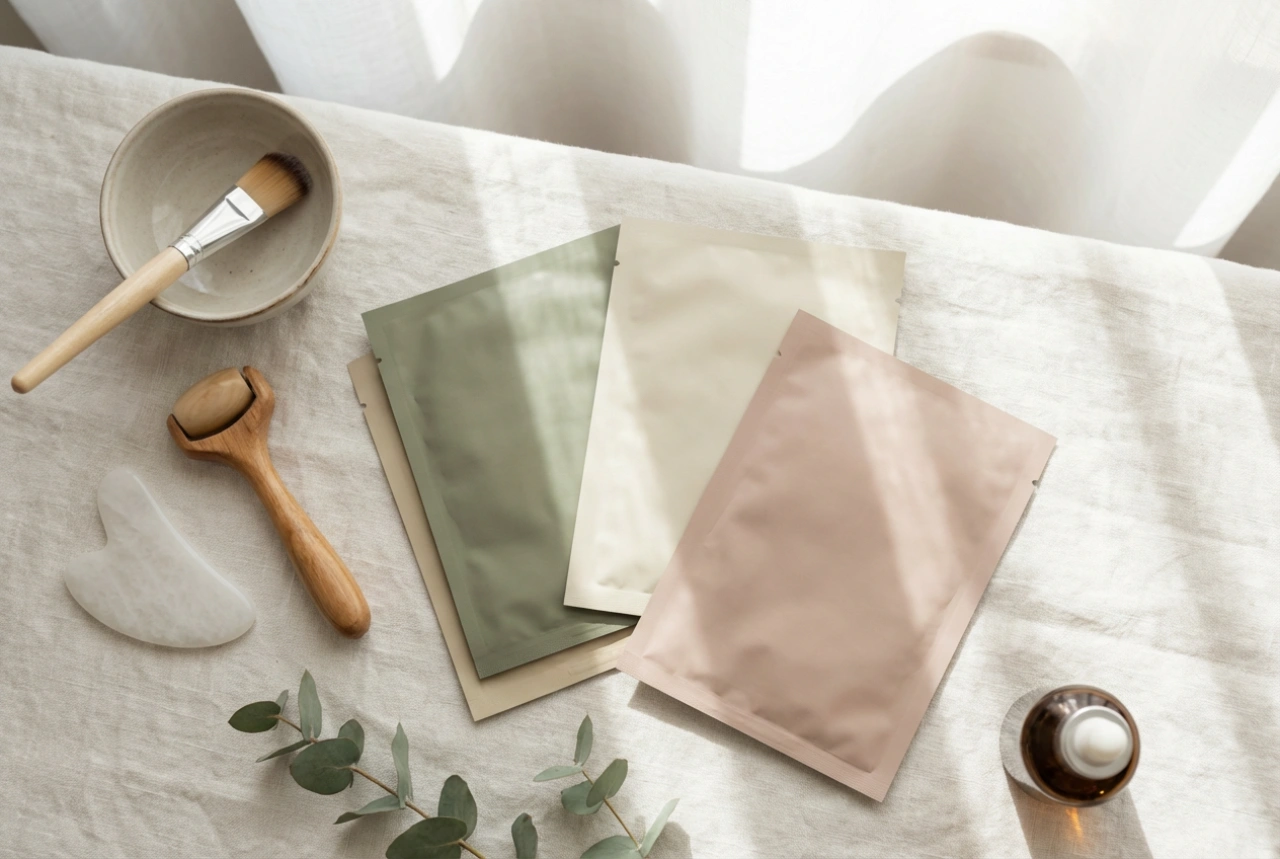
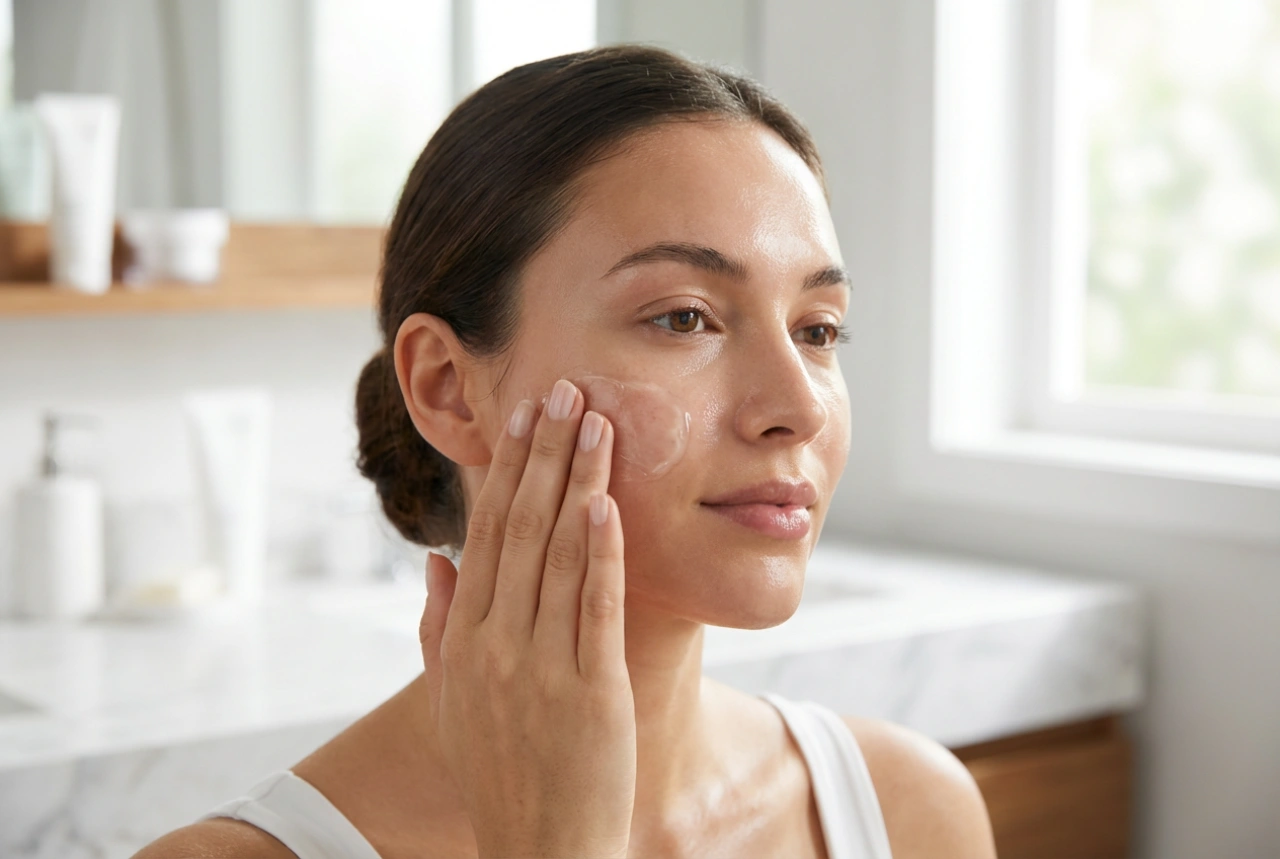
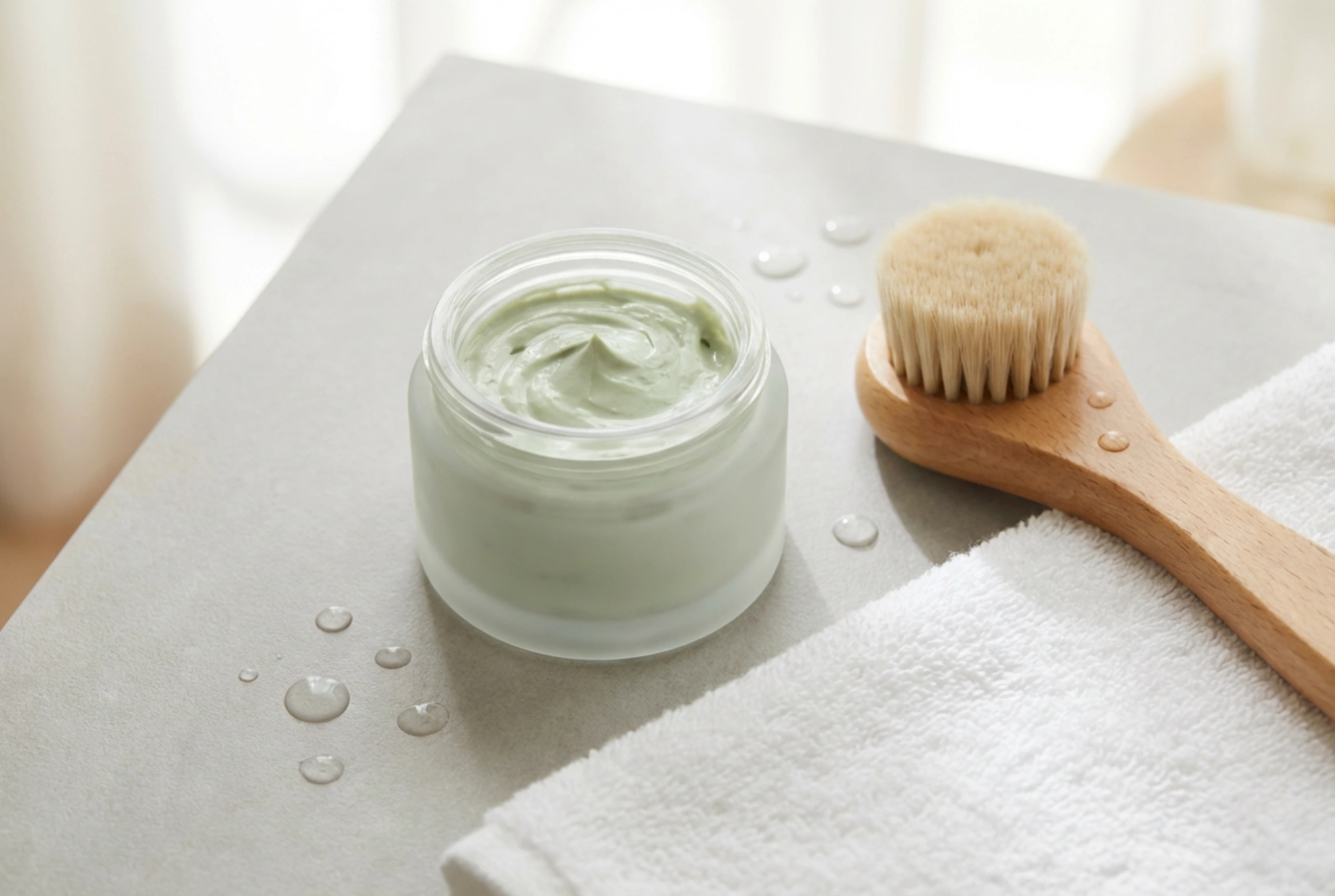
Applying your face mask should be a relaxing, mindful process. You can use your clean fingertips or a dedicated, soft-bristled mask brush for a more even and hygienic application. Start by dispensing a sufficient amount of the product. Apply a generous, even layer across your entire face, making sure to avoid the delicate areas around your eyes and lips. Don't forget to extend the application down to your neck and décolletage, as these areas are also prone to dehydration and signs of ageing. The goal is to create a visible layer, but it doesn't need to be overly thick. A smooth, consistent coating is perfect for delivering moisture effectively without wasting product.
Timing and Removal: The Final Steps
One of the most common questions is how long to leave a face mask on. The golden rule is to always follow the specific instructions provided with the product, but the typical duration for a hydrating mask is between 10 and 20 minutes. This gives the ingredients enough time to penetrate the skin without causing irritation. It's a myth that leaving a mask on for longer provides better results; in fact, allowing a cream or gel mask to dry completely can sometimes have the opposite effect, drawing moisture back out of your skin.
When it's time to remove the mask, do so gently. Splash your face with lukewarm water and use your fingertips to gently massage and loosen the mask. Alternatively, you can use a soft, damp washcloth or sponge to wipe it away. Avoid using hot water, as it can be stripping, and never scrub your skin harshly. Once the mask is completely removed, gently pat your face dry with a clean towel. Your skin should now feel soft, supple, and deeply hydrated. To seal in all that moisture, immediately follow up with the next steps in your skincare routine, such as applying a serum and your favourite moisturiser.