

Incorporating an effective anti-wrinkle moisturising cream into your daily routine is a key step towards maintaining a smooth, hydrated, and youthful-looking complexion. This type of product works by delivering essential moisture while also addressing the appearance of fine lines and other early signs of ageing. Understanding how to select the right formula for your skin and apply it correctly can significantly enhance its benefits, leaving your skin feeling soft, supple, and radiant.
Understanding the Dual Role of Anti-Ageing Moisturisers
An anti-wrinkle moisturising cream is more than just a standard hydrator. Its primary purpose is twofold: to provide deep and lasting hydration, and to deliver ingredients that help improve skin texture and elasticity. Hydration is crucial because well-moisturised skin appears plumper and fuller, which can diminish the visibility of fine lines. Dehydrated skin, on the other hand, can accentuate these lines and look dull. The anti-ageing components in these creams are chosen for their ability to support the skin's natural processes, promoting a smoother and more refined appearance over time. Consistency is key, as these creams work best when used as part of a regular, long-term skincare regimen.
Choosing the Right Cream for Your Skin Type
The effectiveness of an anti-wrinkle cream is heavily dependent on how well it suits your individual skin type. A product that works wonders for one person may not be suitable for another. Here’s a guide to help you choose wisely.
For Dry or Mature Skin
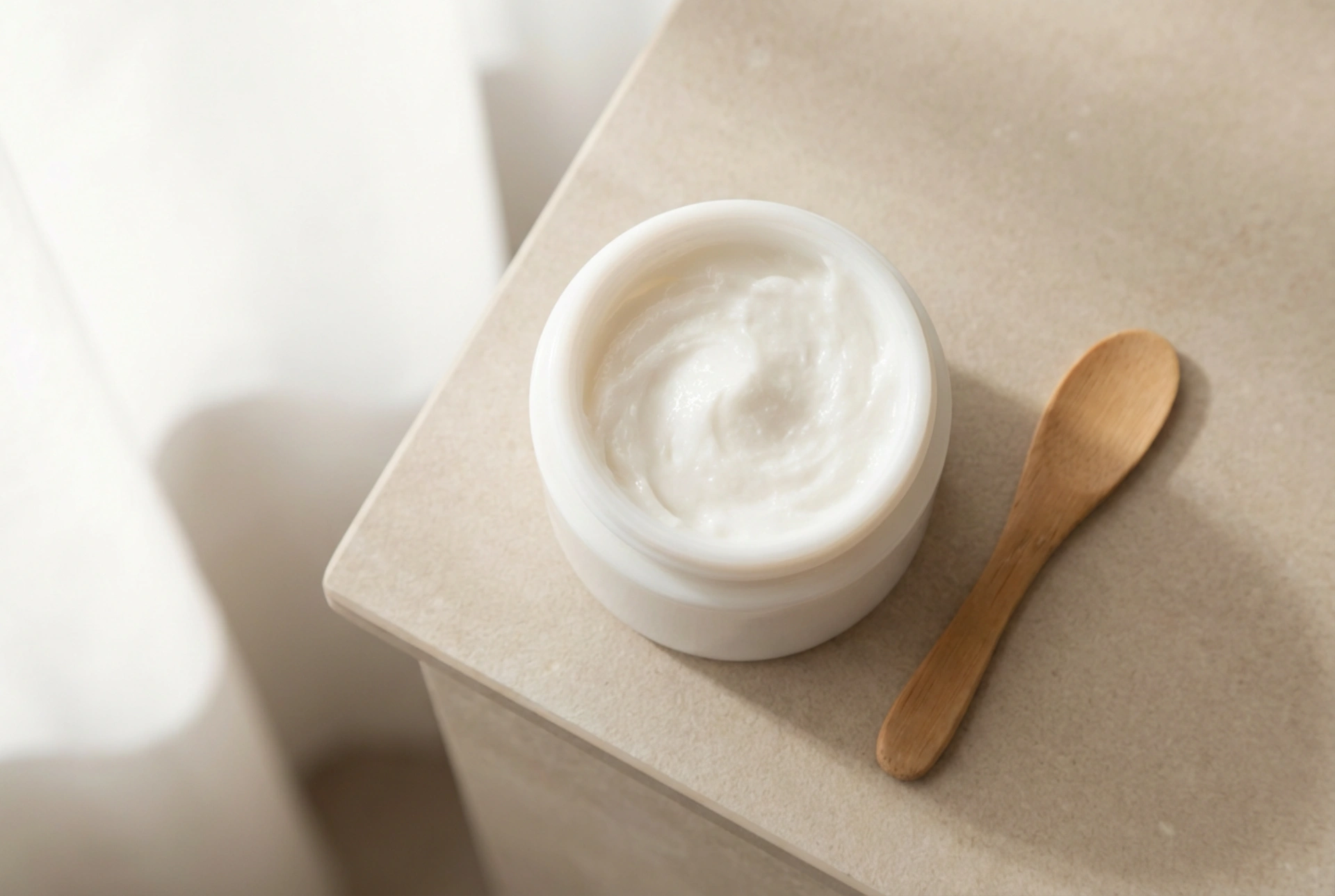
If your skin feels tight, flaky, or rough, you likely have a dry skin type. Look for richer, thicker creams with a creamy or balm-like consistency. These formulas typically contain a higher concentration of emollients and occlusives, which create a protective barrier on the skin's surface to lock in moisture and prevent water loss. Ingredients that provide intense hydration and nourishment are ideal for restoring comfort and suppleness.
For Oily or Combination Skin
Oily skin produces an excess of sebum, while combination skin is oily in some areas (like the T-zone) and dry or normal in others. For these types, a lightweight, non-greasy formula is essential. Opt for gel-creams or fluid lotions that absorb quickly without clogging pores. A good moisturiser for oily skin will provide necessary hydration without adding extra shine, helping to balance the complexion.
For Sensitive Skin
Sensitive skin is prone to redness, itching, and irritation. If this sounds like you, it is crucial to choose a cream with a simple, gentle formulation. Look for products that are free from common irritants such as fragrances and certain colorants. A cream designed for sensitive skin will focus on soothing and strengthening the skin's natural barrier while providing gentle hydration and anti-ageing benefits.
Key Ingredient Categories to Look For
While specific product names are off-limits, understanding ingredient categories can empower you to make an informed choice. When scanning the ingredient list of a potential cream, look for these types of components:
- Humectants: These ingredients attract water from the air and the deeper layers of your skin to the surface, providing a plumping effect. Glycerin and hyaluronic acid precursors are popular and effective humectants.
- Emollients: These are oils and lipids that help to soften and smooth the skin's surface, improving its texture and flexibility. They fill in the gaps between skin cells, creating a more even appearance.
- Antioxidants: Components like derivatives of Vitamin C and Vitamin E are powerful antioxidants. They help protect the skin from environmental stressors that can contribute to premature ageing, and they can also help brighten the complexion.
- Skin-Smoothing Peptides: Peptides are chains of amino acids that are the building blocks of proteins in the skin. Certain peptides in skincare are known for their ability to support skin structure, helping to improve firmness and reduce the appearance of fine lines.
How to Apply Your Cream for Maximum Efficacy
Proper application ensures that you get the most out of your anti-wrinkle cream. Follow these simple steps for a gentle and effective daily ritual:
- Start with a Clean Face: Always apply moisturiser to freshly cleansed skin. This removes impurities and allows the product to penetrate more effectively. You may also use a toner after cleansing, if that is part of your routine.
- Use a Small Amount: A pea-sized amount is generally sufficient for the entire face. Using too much product can feel heavy on the skin and is wasteful.
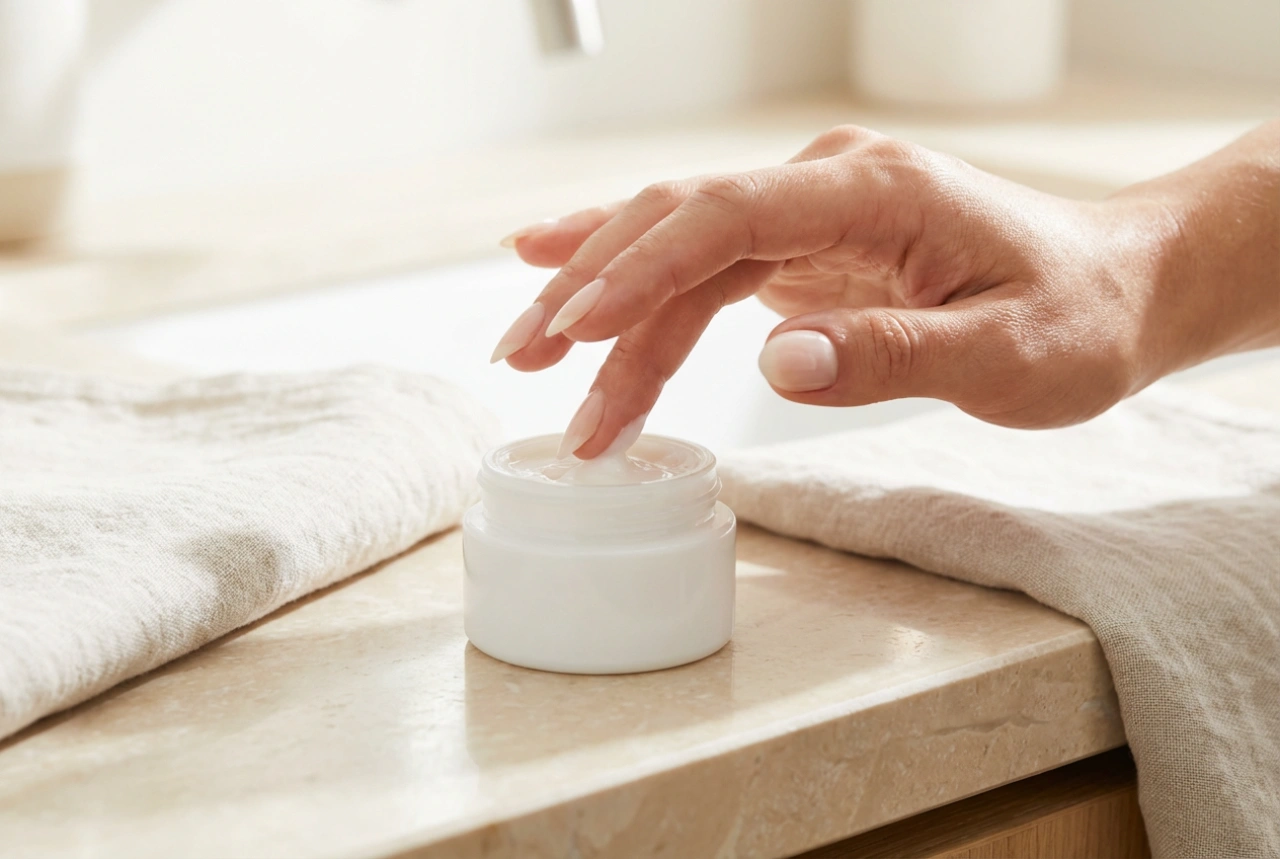
- Warm the Product: Gently rub the cream between your fingertips for a few seconds. This helps to warm it up, making it easier to spread evenly across the skin.
- Apply in Upward Motions: Dot the cream on your forehead, cheeks, nose, and chin. Then, using gentle, upward and outward strokes, massage it into your skin. This technique helps to avoid pulling or dragging the skin downwards.
- Don't Forget the Neck and Décolletage: The neck and chest area are often exposed to the same environmental factors as the face and can also show signs of ageing. Extend your application down to your neck and décolletage, using the same gentle, upward motions.
- Allow Time for Absorption: Wait a few minutes for the cream to fully absorb before applying sunscreen or makeup. This prevents pilling and ensures each product can perform its function correctly.