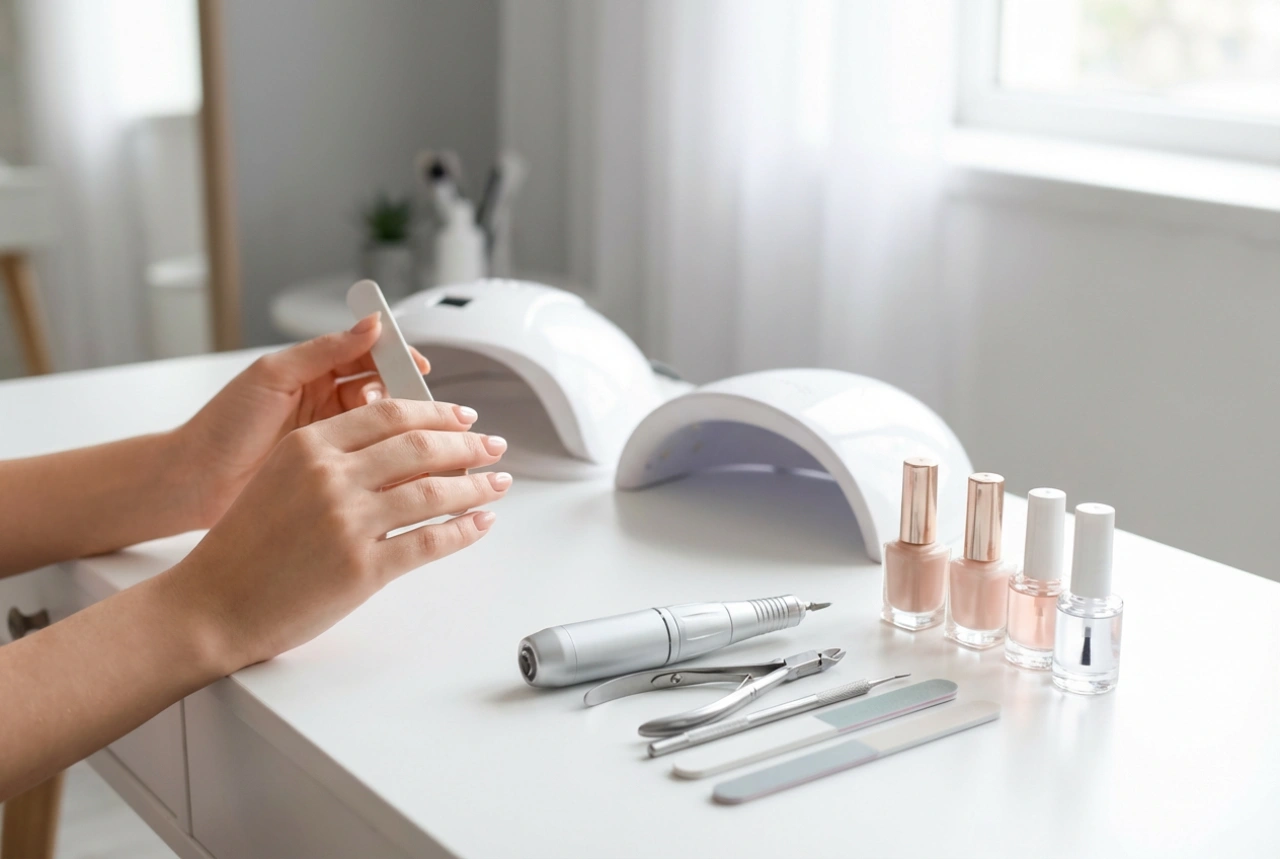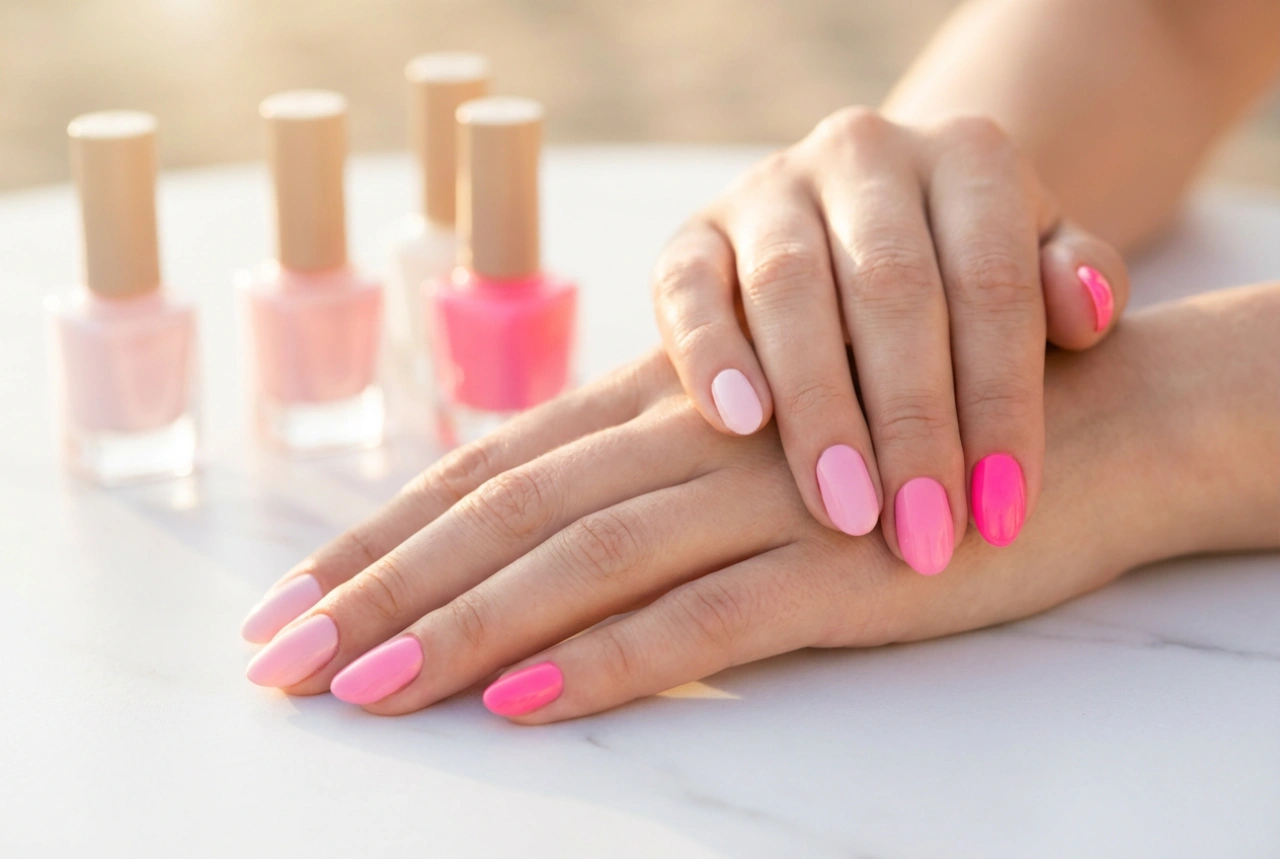


Achieving a truly polished and elegant look for your hands goes beyond a simple coat of nail varnish. The health and appearance of the skin surrounding your nails play a crucial role. Well-maintained cuticles are the foundation of a beautiful manicure. While many tools are available for nail care, the cuticle nipper is one that often causes confusion and can lead to irritation if used improperly. This guide will demystify the cuticle nipper, explaining its correct purpose and how to use it safely to keep your hands looking their best without compromising skin health.
What Are Cuticles and Why Is Their Care Important?
Before reaching for any tool, it's essential to understand the anatomy of the nail area. The cuticle is a thin layer of dead tissue that rides on the nail plate. Its primary function is to seal the area at the base of your nail, protecting the new nail growth from bacteria and moisture as it emerges from the nail matrix. Just above the cuticle line is the eponychium, which is living skin and should never be cut. Confusing these two can lead to damage and discomfort. Proper cuticle care involves managing the dead tissue without harming the living protective barrier, ensuring your nails remain healthy and strong.
When Should You Reach for a Cuticle Nipper?
A common misconception is that cuticle nippers are for cutting away the entire cuticle line. This is incorrect and can be harmful. The primary and safest use for a cuticle nipper is for precision trimming of detached, non-living skin. It is a corrective tool, not a routine maintenance one.
Trimming Hangnails
Hangnails are those pesky, often painful slivers of skin that tear away from the side of your nail. Trying to pull or bite them off can lead to a larger tear and potential soreness. A sharp, clean cuticle nipper is the perfect tool to neatly snip away a hangnail at its base, providing immediate relief and preventing further tearing.
Managing Excess Dead Skin
Sometimes, after gently pushing your cuticles back, you might notice small pieces of dry, lifted, white skin. These are parts of the true cuticle that have detached. A nipper can be used to carefully trim away only these specific pieces. The goal is to create a clean line, not to remove the entire cuticle.
A Step-by-Step Guide to Using a Cuticle Nipper Safely
To ensure a safe and effective experience, follow these steps with care and patience. Never rush the process.
Step 1: Preparation is Key
Never use a nipper on dry, hard skin. Soften the area first. You can do this by soaking your fingertips in a bowl of warm, soapy water for about five minutes. Alternatively, apply a specialised cuticle remover solution according to its instructions. This will soften the dead tissue, making it easier to distinguish from living skin and simpler to remove.
Step 2: Gently Push Back the Cuticles
Once the skin is soft, use a gentle cuticle pusher—preferably one made of wood or with a soft rubber tip—to carefully push back the cuticle from the nail plate. Use slow, circular motions. This step alone often makes a significant difference in the appearance of your nails and clearly reveals any genuine excess skin that needs trimming.
Step 3: Identify What to Trim
Look closely at the base of your nail. You are looking for hangnails or any transparent or white, lifted strips of dead skin. The healthy, living skin (eponychium) will appear pink and be firmly attached. The golden rule is: if you're not sure if it's living or dead, leave it alone. It is always better to trim too little than too much.
Step 4: The Trimming Technique
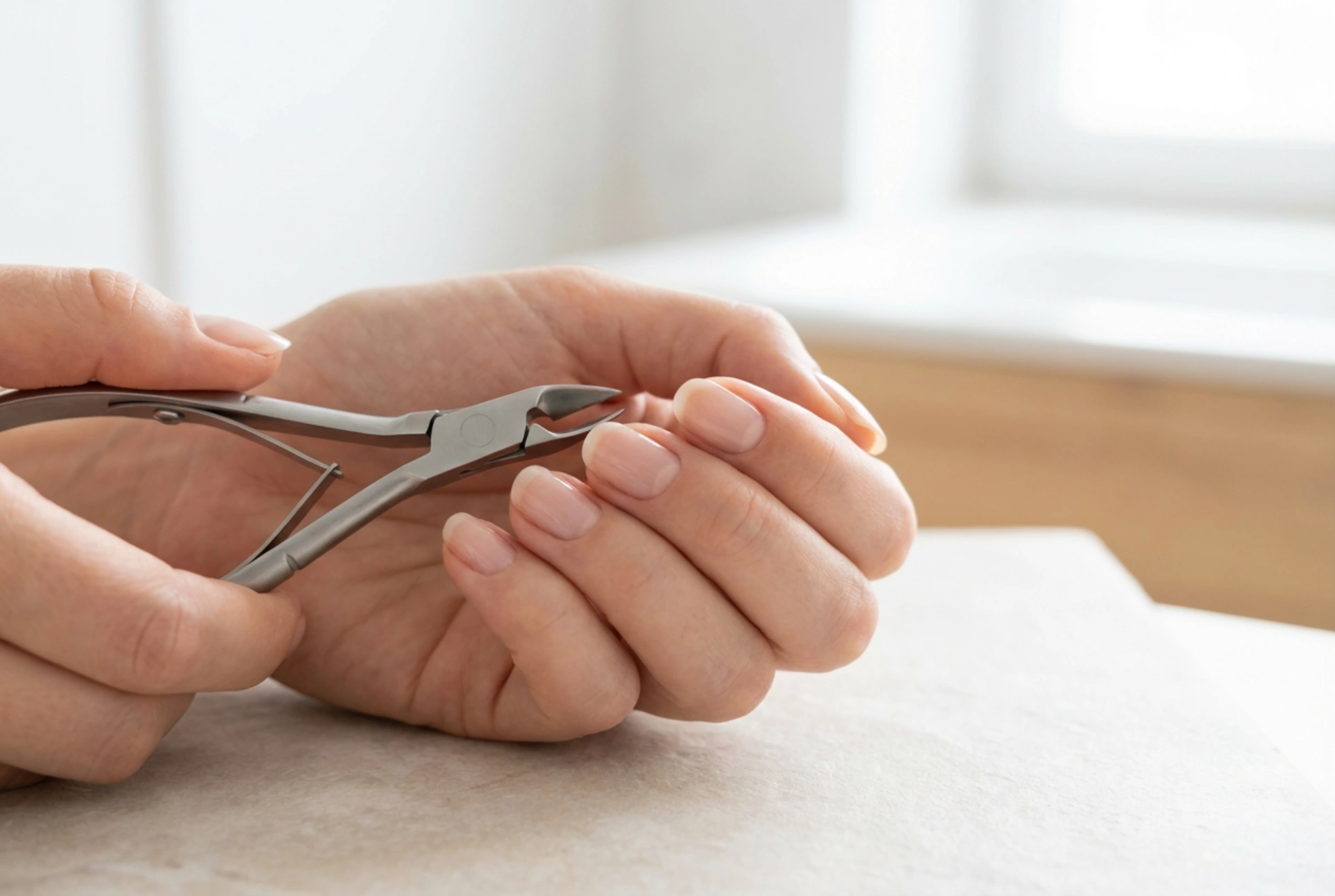
Hold the nipper like you would a pair of tweezers, ensuring a steady grip. Rest the bottom jaw of the nipper flat against the nail surface and use only the very tips to snip. Place the tip at the beginning of the piece of skin you want to remove and make a small, clean cut. Move the nipper along the line of the cuticle, making tiny snips rather than one large cut. Never pull, tug, or tear the skin, as this can cause damage. The goal is a smooth, neat edge.
Step 5: Aftercare and Hydration
After you have finished trimming, rinse your hands to remove any loose skin. Pat them dry gently and immediately apply a nourishing cuticle oil or a rich hand cream. Massage it into the skin around your nails. This final step is vital for soothing the area, replenishing moisture, and keeping your cuticles soft, flexible, and healthy.
Common Mistakes to Avoid
Using a cuticle nipper incorrectly can lead to unsightly and uncomfortable results. Be mindful to avoid these common errors:
- Cutting living tissue: Never cut the eponychium, the band of living skin at the nail base. This can cause discomfort and breaks the protective seal.
- Being too aggressive: Trimming too much or too deeply can damage the nail matrix and weaken the nail's natural defences.
- Using a dull or dirty tool: A dull nipper will tear the skin instead of cutting it cleanly. A dirty tool can introduce unwanted substances into tiny nicks in the skin.
- Pulling the skin: Always snip cleanly. Pulling can lead to painful tears and ragged edges.
- Skipping preparation: Attempting to trim dry cuticles is a recipe for ragged results and potential damage.
- Overusing the tool: Remember that a nipper is for tidying up, not for daily or weekly cuticle removal. Pushing back should be your primary maintenance method.
Choosing and Maintaining Your Tool
The quality and cleanliness of your cuticle nipper are paramount for safety. When selecting a tool, look for one made from high-quality stainless steel, as it is durable and easy to sanitise. The jaws should be sharp and align perfectly to ensure a clean cut. A comfortable grip that allows for precise control is also important.
Hygiene is non-negotiable. Before and after every use, clean your nipper thoroughly. Wash it with soap and water, then wipe the blades with an antiseptic solution. Allow it to dry completely before storing it. Store your nipper with its protective cap on to prevent the blades from becoming dull or damaged. A well-maintained tool is a safe tool.