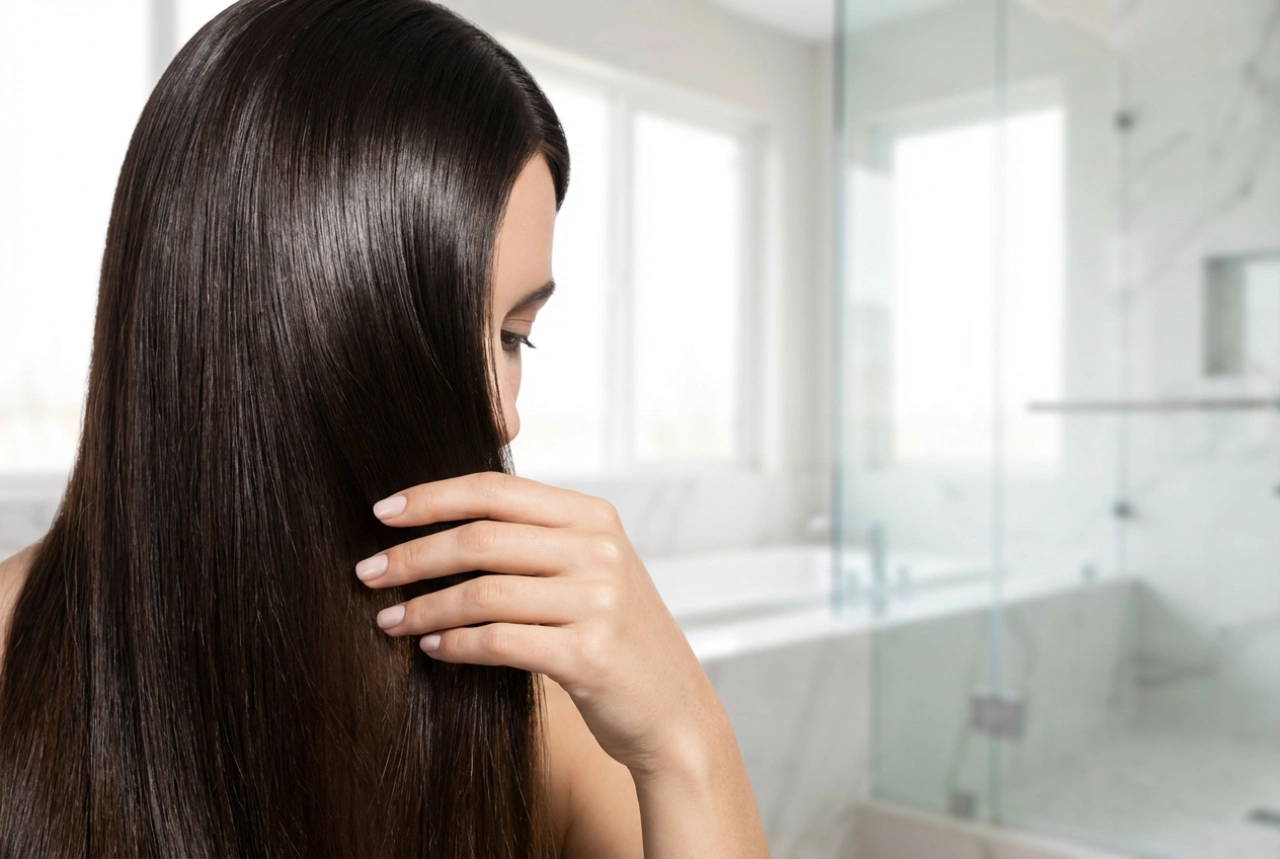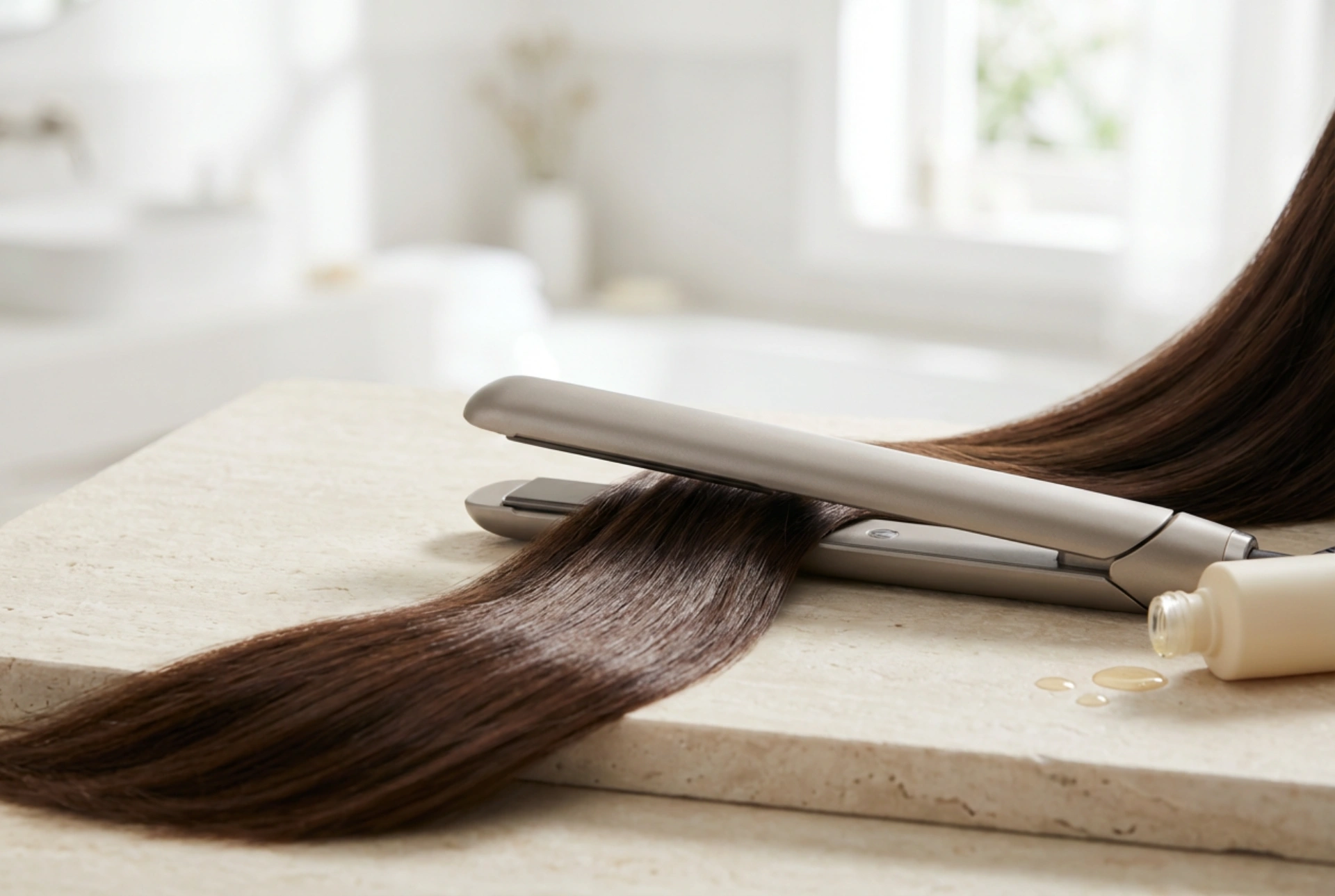


The allure of perfectly smooth, glossy hair is undeniable. A hair straightener is a key styling tool for achieving that sleek, polished look, transforming hair from its natural texture into a cascade of shine. However, using this heated tool effectively and safely requires more than just clamping and pulling. Understanding the different components of a straightener, particularly the plates and temperature settings, is crucial for getting the desired results without compromising the health and integrity of your hair. With the right knowledge and technique, you can master the art of straightening for a beautiful, long-lasting finish.
Choosing the Right Plates: What's the Difference?
The material of the straightening plates directly impacts how heat is transferred to your hair. The three most common materials each have unique properties suited to different hair types and needs. Choosing the correct one is your first step towards a better styling experience.
Ceramic Plates
Ceramic plates are perhaps the most popular choice, known for their ability to heat up evenly and maintain a consistent temperature across their entire surface. This even heat distribution helps to prevent hotspots that can scorch and damage hair. Ceramic is a smooth material, allowing it to glide through hair with minimal snagging or pulling. These qualities make ceramic straighteners an excellent all-round option, particularly for those with fine, normal, or colour-treated hair that is more susceptible to heat damage.
Titanium Plates
Titanium is a lightweight metal that heats up exceptionally quickly and can reach very high temperatures. It is also an incredibly efficient heat conductor, transferring heat to the hair shaft rapidly. This makes titanium straighteners ideal for individuals with very thick, coarse, or stubborn hair that resists styling. Because they are so powerful, it is vital to use them with care. The high heat can easily damage finer hair types, so they are best left to those with more robust hair textures and some styling experience.
Tourmaline Plates
Tourmaline is a crystalline mineral that is crushed and infused into or coated over ceramic or titanium plates. Its main benefit is that when heated, it produces a high concentration of negative ions. These negative ions counteract the positive ions present in dry or frizzy hair, helping to seal the hair cuticle. This process locks in moisture, reduces static, and results in a shinier, smoother finish. Straighteners with tourmaline-infused plates are a superb choice for anyone struggling with frizz or those with hair that is prone to damage.
Mastering Temperature Control for Your Hair Type
Using the correct temperature is non-negotiable for protecting your hair's health. Most modern straighteners offer variable heat settings for this very reason. Always start with the lowest effective temperature and only increase it if necessary. A single, smooth pass at the right temperature is far better than multiple passes at a low temperature.
- Fine, Damaged, or Chemically Treated Hair: Keep the temperature low, generally between 120°C and 150°C. This hair type is the most vulnerable to heat, so gentle styling is essential.
- Normal, Healthy Hair: A medium heat range, typically from 150°C to 180°C, is usually sufficient to straighten effectively without causing undue stress on the hair strands.
- Thick, Coarse, or Very Curly Hair: This hair type may require higher temperatures, from 180°C up to 210°C. Even with robust hair, it is wise to be cautious and not exceed 210°C to prevent irreversible damage to the hair's protein structure.
A Step-by-Step Guide to Flawless Straightening
Technique is just as important as your tool and temperature. Follow these steps for a safe and effective styling session.
First, always begin with hair that is 100% clean and dry. Attempting to straighten damp hair can boil the water within the hair shaft, causing significant damage. Next, apply a heat protectant spray or serum evenly from roots to ends. This creates a barrier between your hair and the heat, minimising moisture loss. Section your hair using clips; working with smaller, manageable sections of about 1-2 inches wide ensures that heat is distributed evenly. Clamp the straightener near the roots and glide it smoothly and steadily down to the ends. Avoid stopping or holding the tool in one place. One fluid pass should be enough for most sections if your temperature is set correctly. Let each section cool down completely before touching it too much to help the style set.
Essential Aftercare for Healthy Hair
Styling doesn't end once the straightener is switched off. Proper aftercare is vital for maintaining your hair's health and the longevity of your style. Once your hair has cooled, you can apply a small amount of a lightweight finishing serum or oil to the mid-lengths and ends. This will add extra shine, tame any remaining flyaways, and provide a polished look. To keep your hair in optimal condition, avoid using heat stylers every day. Give your hair regular breaks to recover. Incorporate a weekly deep conditioning mask or treatment into your hair care routine to replenish moisture and nutrients lost during the heating process. This proactive approach will ensure your hair remains strong, supple, and beautiful, whether styled straight or left natural.