

Achieving beautifully soft and hydrated hair often begins with the most fundamental step of your care routine: washing. While it may seem simple, the way you use your shampoo can make all the difference, especially when your goal is to infuse your strands with moisture. A good moisturising shampoo is designed to cleanse gently while delivering essential hydration, turning dry, lacklustre hair into soft, manageable tresses. Understanding how to maximise its benefits is key to unlocking your hair's full potential.
What Makes a Moisturising Shampoo Different?
Unlike clarifying shampoos that focus on deep cleansing or volumising shampoos that aim to lift the roots, a moisturising shampoo has a primary goal of replenishing hydration. These formulas are typically enriched with ingredients known for their ability to attract and retain water. Key components often include humectants, which draw moisture from the air into the hair shaft, and emollients, which form a protective barrier on the hair's surface to seal that moisture in. This dual-action approach helps to combat dryness, reduce frizz, and improve the overall elasticity and softness of the hair without stripping it of its natural, protective oils.
Who Can Benefit Most from a Moisturising Shampoo?
While many hair types can enjoy the effects of added hydration, some will notice a more significant transformation. If you identify with any of the following, a moisturising shampoo could be a valuable addition to your routine:
- Naturally Dry or Coarse Hair: Hair that is naturally thick, curly, or coily often has a harder time retaining moisture and can benefit greatly from a hydrating formula.
- Chemically Treated Hair: Colouring, bleaching, or perming processes can alter the hair's structure, leaving it more porous and prone to dryness. A moisturising shampoo helps to restore some of that lost hydration.
- Heat-Styled Hair: Frequent use of straighteners, curling tongs, and hairdryers can sap moisture from the hair, leading to brittleness.
- Environmentally Exposed Hair: Sun, wind, and even dry indoor heating can contribute to hair dryness over time.
The Correct Way to Apply Moisturising Shampoo
To get the most out of your product, follow this step-by-step application method for a gentle yet effective cleanse. The focus should always be on caring for both the scalp and the hair strands.
A Step-by-Step Guide
- 1. Saturate Your Hair: Before applying any product, make sure your hair is completely wet with lukewarm water. Hot water can strip natural oils, while cool water may not be as effective at opening the cuticle to receive the hydrating ingredients.
- 2. Use the Right Amount: Squeeze a small, coin-sized amount of shampoo into your palm. Using too much product can lead to build-up and weigh your hair down.
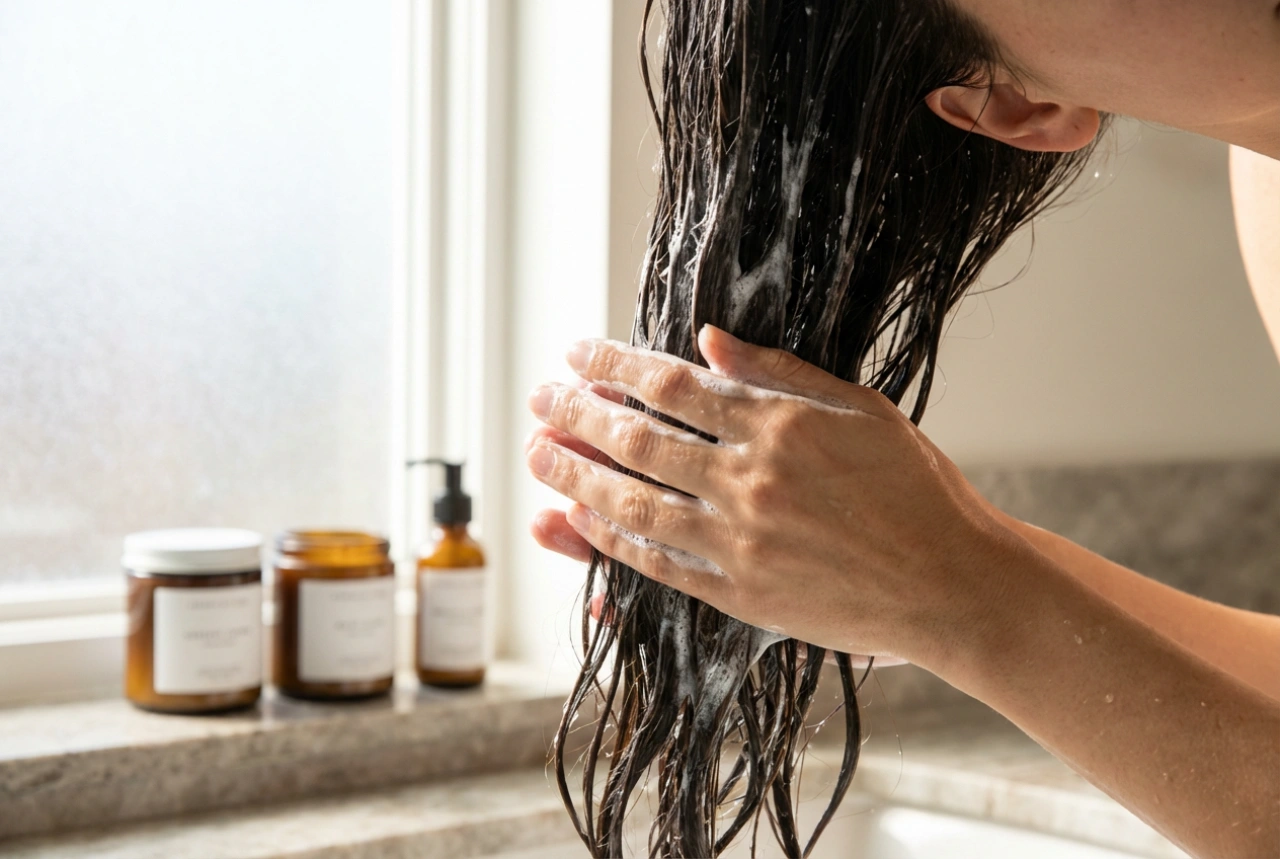
- 3. Emulsify First: Rub your palms together to work the shampoo into a light lather before applying it to your hair. This ensures even distribution from the start.
- 4. Focus on the Scalp: Apply the shampoo directly to your scalp and roots. Use your fingertips (not your nails) to gently massage the scalp in circular motions. This helps to lift away dirt and oil without causing irritation. The lather will naturally run down the lengths of your hair as you rinse, which is sufficient to cleanse them.
- 5. Rinse Thoroughly: Rinse your hair until the water runs completely clear. Any leftover product can cause dullness and build-up. A final rinse with slightly cooler water can help to seal the hair cuticle, locking in moisture.
Common Mistakes to Avoid
Sometimes, it's not the product but the technique that needs adjusting. Be mindful of these common errors to ensure your hair reaps all the hydrating rewards.
- Washing Too Often: Over-washing, even with a gentle shampoo, can strip the scalp of its natural oils, sometimes prompting it to produce even more oil in response. Adjust your washing frequency based on your hair's needs.
- Scrubbing the Ends: The ends of your hair are the oldest and most fragile part. Avoid piling your hair on top of your head and scrubbing vigorously. Let the lather from your scalp cleanse the lengths as you rinse.
- Skipping Conditioner: Shampoo cleanses and delivers initial moisture, but a conditioner is essential for sealing the hair cuticle and locking in that hydration. Always follow your moisturising shampoo with a suitable conditioner.