

Creating a truly effective hair care routine can feel like a luxurious ritual, one that pampers your strands and leaves them looking their best. If you're seeking to elevate your wash day, the OMO method might be the perfect addition. This three-step process focuses on intensive conditioning to protect and nourish the hair. A common question, however, is what kind of conditioners to use for the different stages. Understanding the role of each step is key to selecting the right products and unlocking the full potential of this technique.
What Exactly is the OMO Method?
OMO is an acronym that stands for Conditioner-Wash-Conditioner (or in Polish, from which it originates: Odżywka-Mycie-Odżywka). It's a hair washing technique that sandwiches the shampooing step between two applications of conditioner. The primary goal is to shield the lengths and ends of your hair, which are older and more prone to dryness and damage, from the potentially stripping effects of cleansers. It's particularly beneficial for those with dry, porous, colour-treated, or damaged hair, but can be adapted for most hair types.
The Three Steps of OMO:
- First 'O' (Conditioner): You apply conditioner to the lengths and ends of your wet hair before you shampoo. This creates a protective barrier.
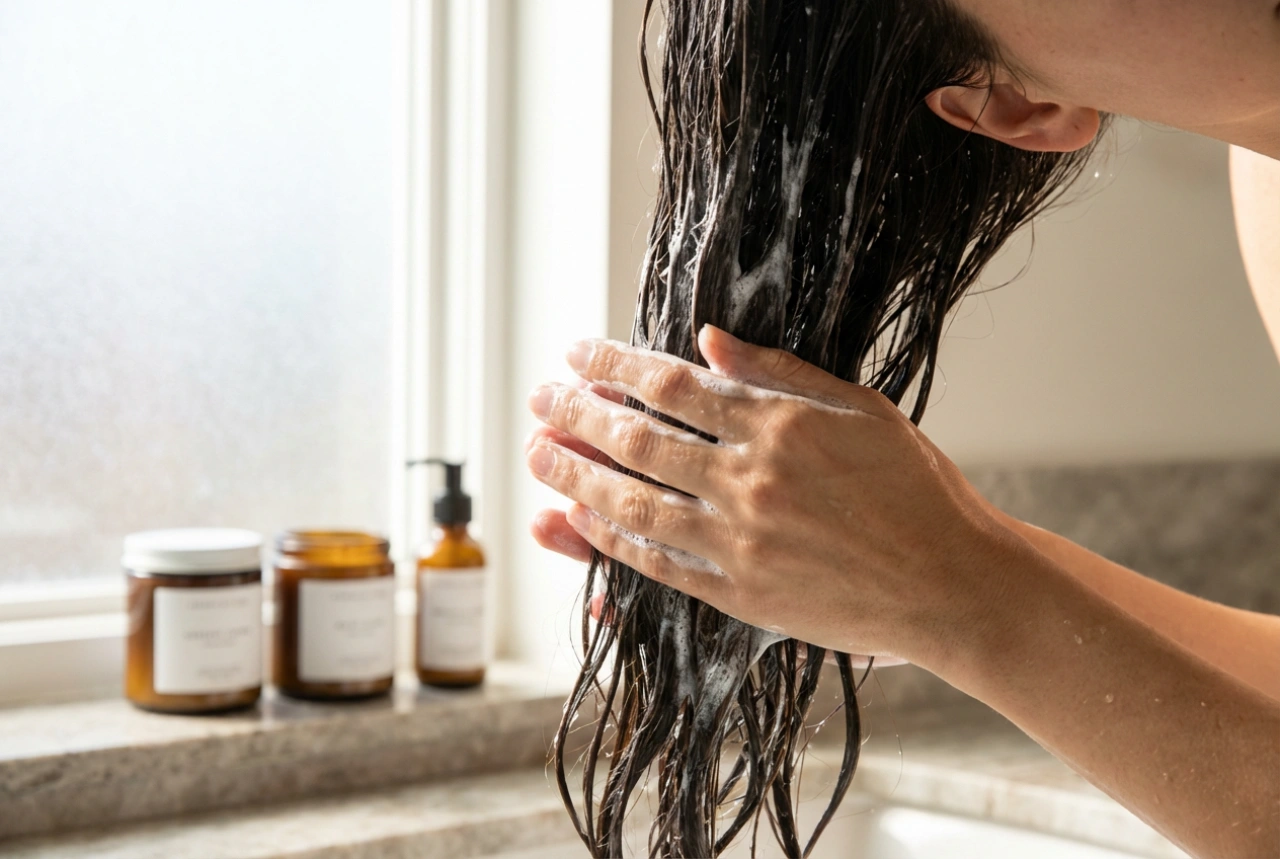
- 'W' (Wash): Without rinsing the first conditioner, you apply shampoo to your scalp and roots only. As you rinse the shampoo out, it gently cleanses the lengths without being too harsh, as the conditioner is still present.
- Second 'O' (Conditioner): After thoroughly rinsing out the shampoo and the first conditioner, you apply a second conditioner. This final step is designed to close the hair cuticle, deliver targeted nutrients, and leave your hair soft and manageable.
Choosing the First 'O': The Protective Conditioner
The main purpose of the first conditioner in the OMO sequence is purely protective. It acts as a shield for your hair against the surfactants in your shampoo. Therefore, it doesn't need to be your most sophisticated or expensive product. In fact, a simpler, more basic conditioner is often the best choice for this step.
What to Look For:
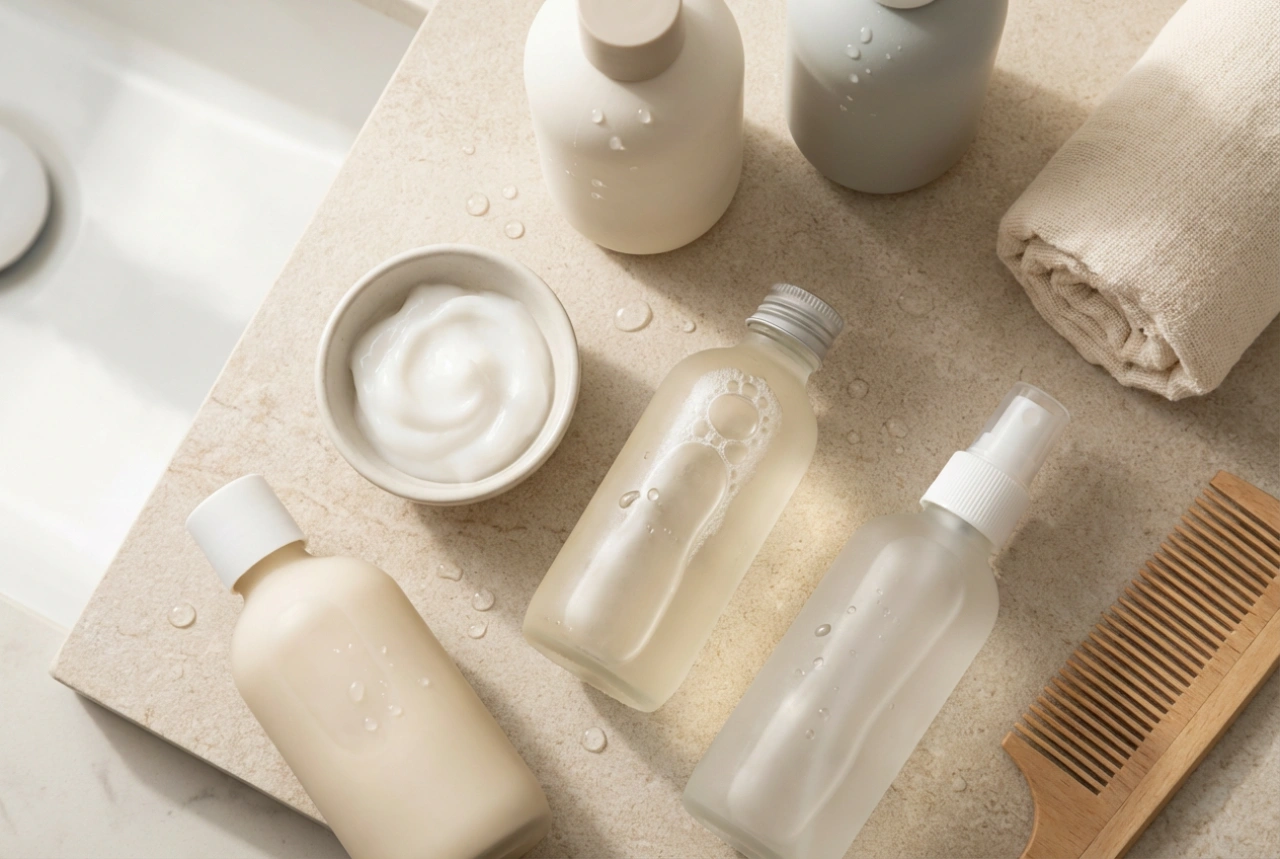
Your goal here is to create slip and a coating. Emollient-rich conditioners are ideal for this. Emollients are substances that form a protective film, smoothing the hair cuticle and reducing moisture loss.
- Key Ingredients: Look for ingredients like fatty alcohols (e.g., Cetyl Alcohol, Stearyl Alcohol, Cetearyl Alcohol), simple oils (like coconut, sunflower, or grapeseed oil), and light butters. These ingredients are effective at coating the hair without causing excessive build-up.
- Consistency: A conditioner with a relatively light, creamy texture that spreads easily is perfect. You want to be able to coat your strands quickly and evenly without using half the bottle.
- Simplicity is Key: Since this product will be largely washed away with the shampoo, you don't need one packed with expensive active ingredients like specialised proteins or rare extracts. Save those for the final step. A simple, moisturising conditioner will do the job perfectly.
Choosing the Second 'O': The Nourishing Conditioner
The second conditioning step is where the real magic happens. Your hair cuticles have been cleansed and are ready to absorb nourishing ingredients. This is the time to use a conditioner that is specifically tailored to your hair's needs. This product will be the final treatment that defines your hair's feel and appearance until the next wash.
Tailoring to Your Hair's Needs:
Think of this as your main treatment product. Its job is to moisturise, repair, smooth, or add volume, depending on what your hair craves.
- For Dry or Damaged Hair: Opt for a rich, intensive conditioner. Look for a balance of emollients (oils, butters, silicones for sealing), humectants (like glycerine or aloe vera to attract moisture), and proteins (such as keratin or wheat protein to help patch up gaps in the hair structure). These will provide deep hydration and help improve hair elasticity.
- For Fine Hair: If your hair is easily weighed down, choose a lighter-weight moisturising conditioner. Focus on humectants and perhaps light proteins. Avoid very heavy butters or oils in high concentrations. The goal is to hydrate without sacrificing volume.
- For Frizzy or Coarse Hair: A smoothing conditioner is your best friend. Products rich in emollients, including oils and silicones, are excellent for this. They help to seal the cuticle, lock in moisture, and create a sleek surface that combats frizz.
Final Tips for a Perfect OMO Routine
Getting the most out of the OMO method involves a little experimentation. The beauty of this technique is its adaptability. Don't be afraid to mix and match products until you find the perfect combination for your hair. Listen to how your hair responds. If it feels weighed down, try a lighter conditioner for the first or second step. If it still feels dry, opt for a richer, more moisturising product for your final 'O'. By carefully selecting a protective first conditioner and a targeted second conditioner, you can transform your wash day into a deeply nourishing treatment that leaves your hair feeling soft, looking healthy, and beautifully manageable.