

A consistent skincare routine is fundamental for maintaining a healthy-looking complexion, and at its heart lies a good moisturiser. However, as you browse for the perfect product, you'll notice a clear distinction between creams formulated for day and those for night. This isn't just a marketing tactic; the skin's needs and functions vary significantly over a 24-hour period, and using specific creams for morning and evening can provide targeted support for a balanced and radiant appearance.
The Role of a Day Cream: Your Daily Shield
Throughout the day, your skin is in defence mode. It’s exposed to a range of environmental stressors, such as UV radiation (even on cloudy days), pollution, and temperature changes. The primary function of a day cream is to hydrate and protect the skin from these daily challenges.
Key Characteristics of a Day Cream:
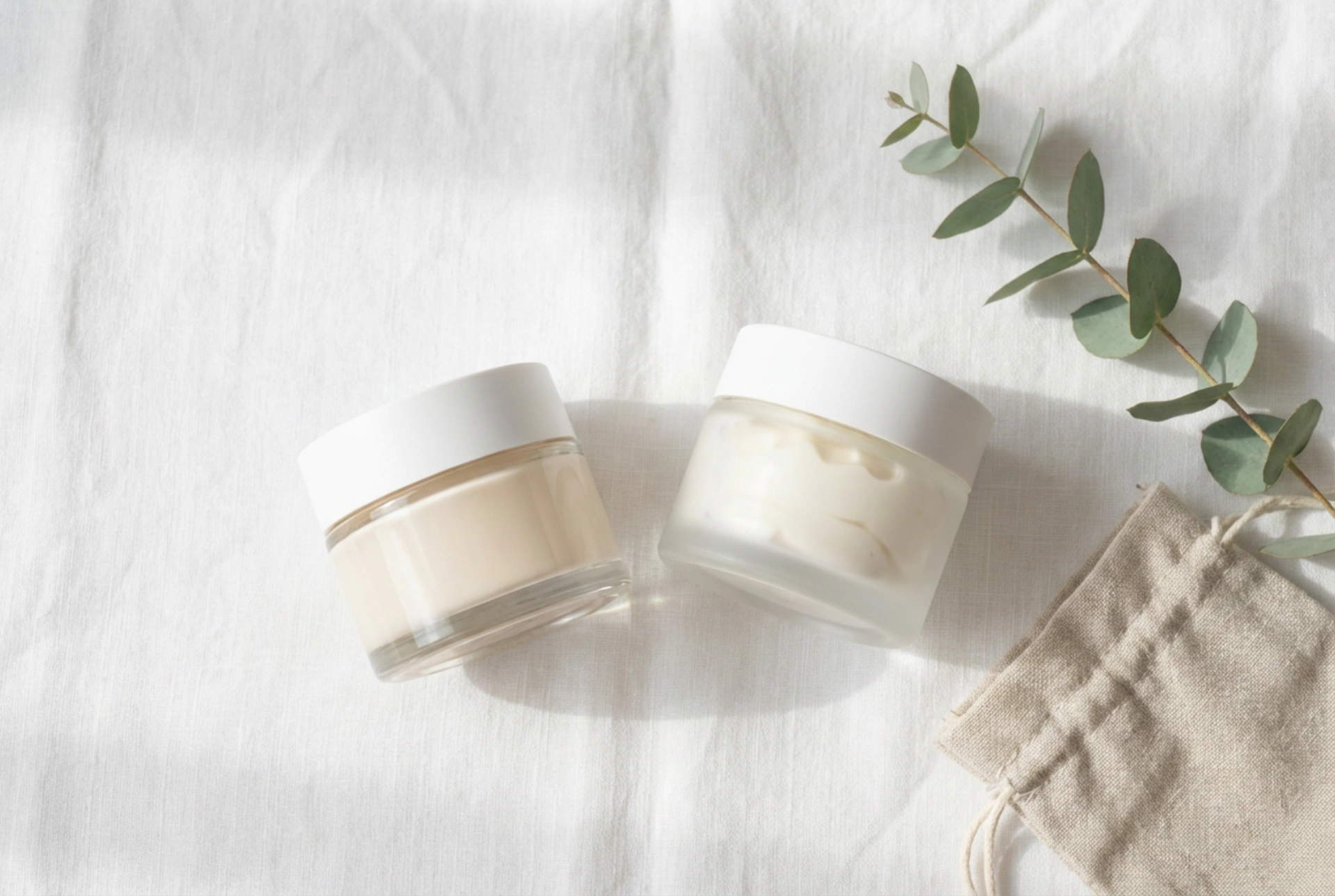
- Lighter Texture: Day moisturisers typically have a lighter, more fluid consistency. This allows them to absorb quickly without leaving a greasy or heavy feeling on the skin. A lightweight formula creates a smooth canvas, making it an ideal base for makeup application.
- Hydration: Like any moisturiser, a day cream’s core job is to provide hydration. It often contains humectants like hyaluronic acid or glycerin, which draw moisture into the skin, helping it stay plump and comfortable throughout the day.
- Protective Ingredients: Many day creams are fortified with antioxidants, such as vitamin C and vitamin E. These ingredients help to neutralise free radicals generated by environmental exposure, which can contribute to the premature appearance of ageing.
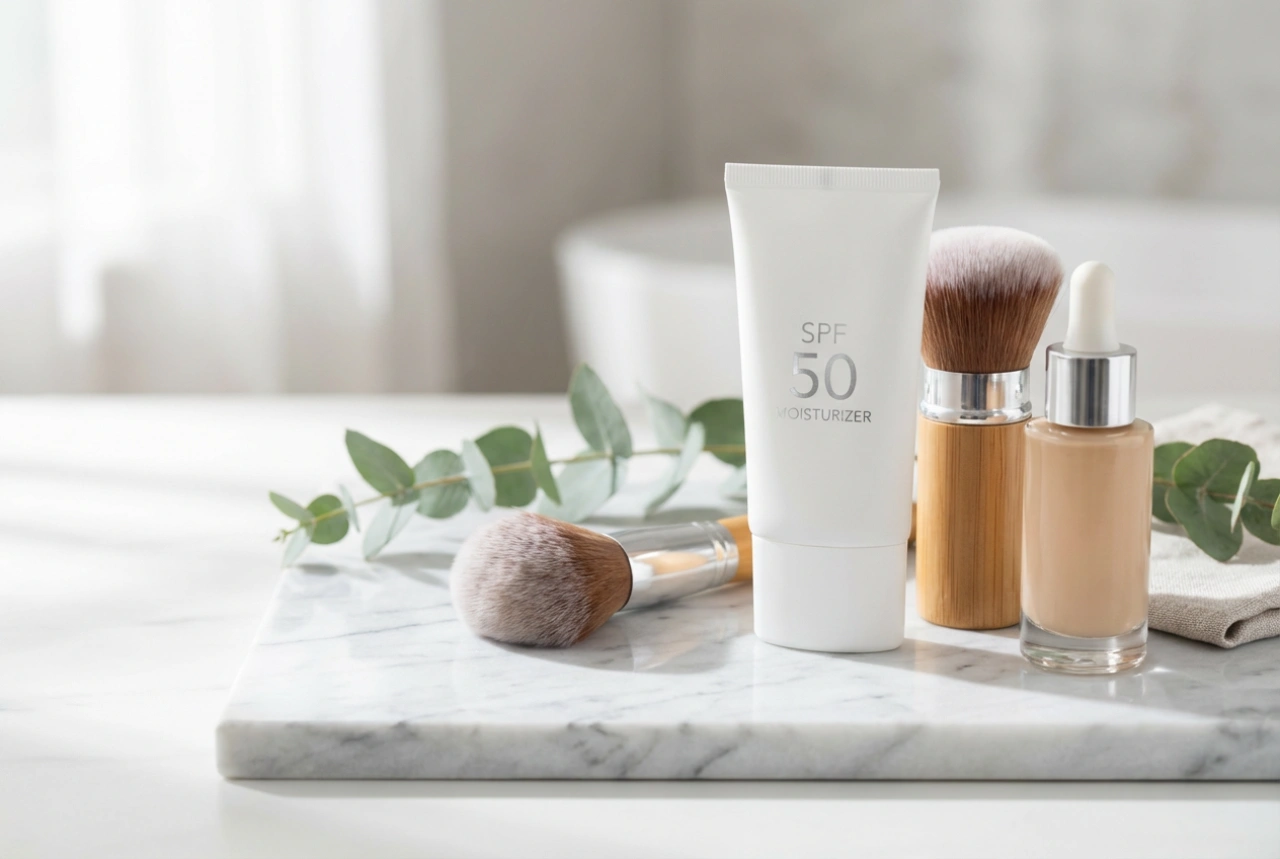
- Sun Protection: A significant number of day creams include a Sun Protection Factor (SPF). Using a moisturiser with broad-spectrum SPF is a convenient way to incorporate sun protection into your daily routine, which is crucial for protecting skin health long-term.
The Purpose of a Night Cream: The Regeneration Phase
While you sleep, your skin switches from defence to repair mode. The rate of cell regeneration increases, and the skin works to recover from the day's stress. A night cream is formulated to support and enhance these natural restorative processes.
Key Characteristics of a Night Cream:
- Richer Texture: Night creams are generally thicker and more emollient than their daytime counterparts. This rich texture provides a nourishing barrier that helps to lock in moisture and prevent water loss overnight, which is when the skin is most prone to dehydration.
- Concentrated Ingredients: Because they don't need to be lightweight for makeup or feel invisible on the skin, night creams can accommodate a higher concentration of active ingredients. They are often packed with substances that support repair and nourishment.
- Focus on Repair and Renewal: Common ingredients in night creams include peptides, which support skin structure, and ceramides, which help to replenish the skin's natural barrier. Some may also contain ingredients known for their renewing properties that work to improve skin texture and tone while you rest.
- No SPF: Since you're not exposed to the sun while you sleep, night creams do not contain SPF. The absence of sunscreen ingredients allows for a formulation focused purely on nourishment and regeneration.
Do You Really Need Both?
The decision to use both a day and a night cream depends on your skin type and personal preference. For many, the targeted approach is highly beneficial. If you have oily or combination skin, a heavy night cream might feel too occlusive, but you would still benefit from the protective qualities of a light day cream. Conversely, if you have very dry skin, a standard day cream might not provide enough moisture, making a richer night cream a necessity.
Ultimately, you can use a single moisturiser for both morning and night, provided it meets your skin's needs. Look for a formula that is hydrating and contains beneficial ingredients but is still light enough to wear comfortably during the day. However, separating the two allows you to give your skin exactly what it needs, when it needs it: protection during the day and intensive repair at night. Listening to your skin is key to building a routine that leaves it feeling balanced, hydrated, and healthy.