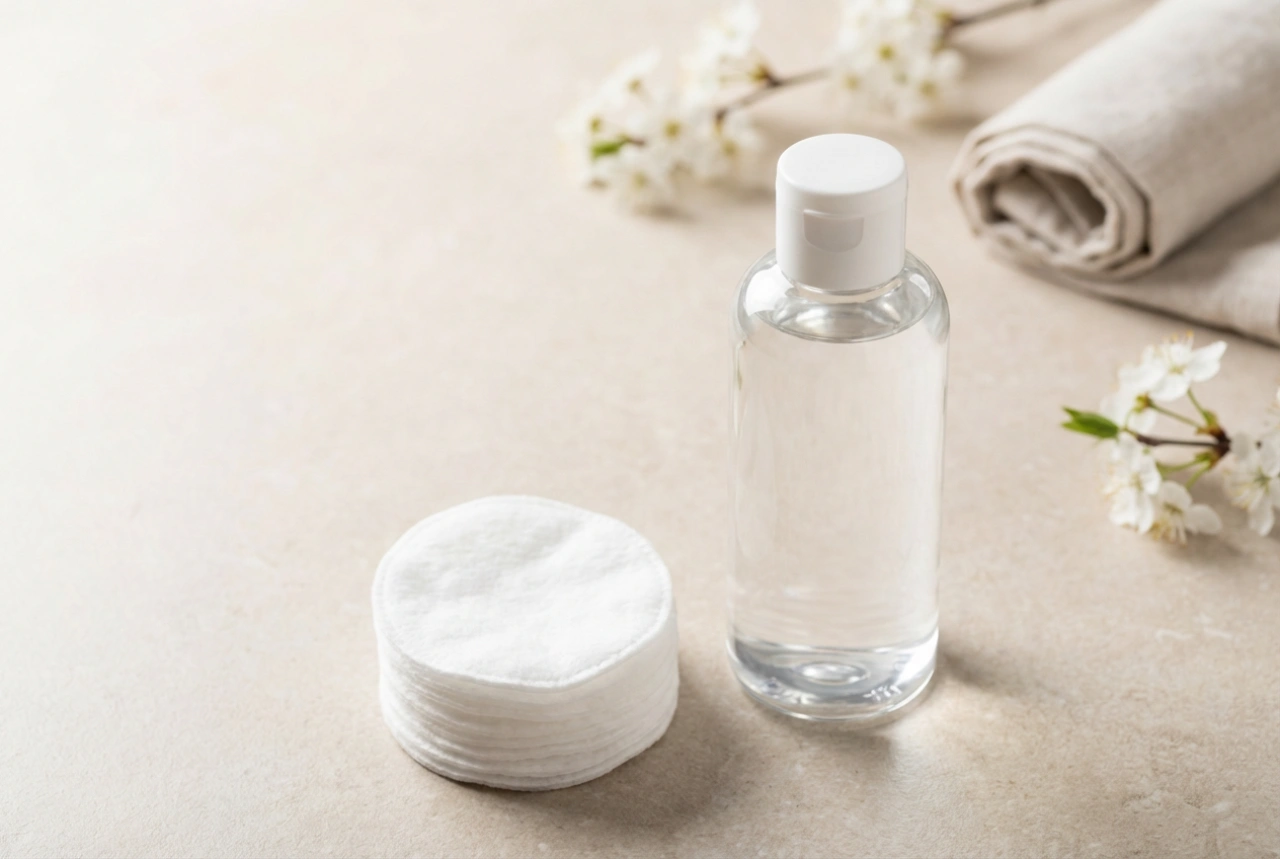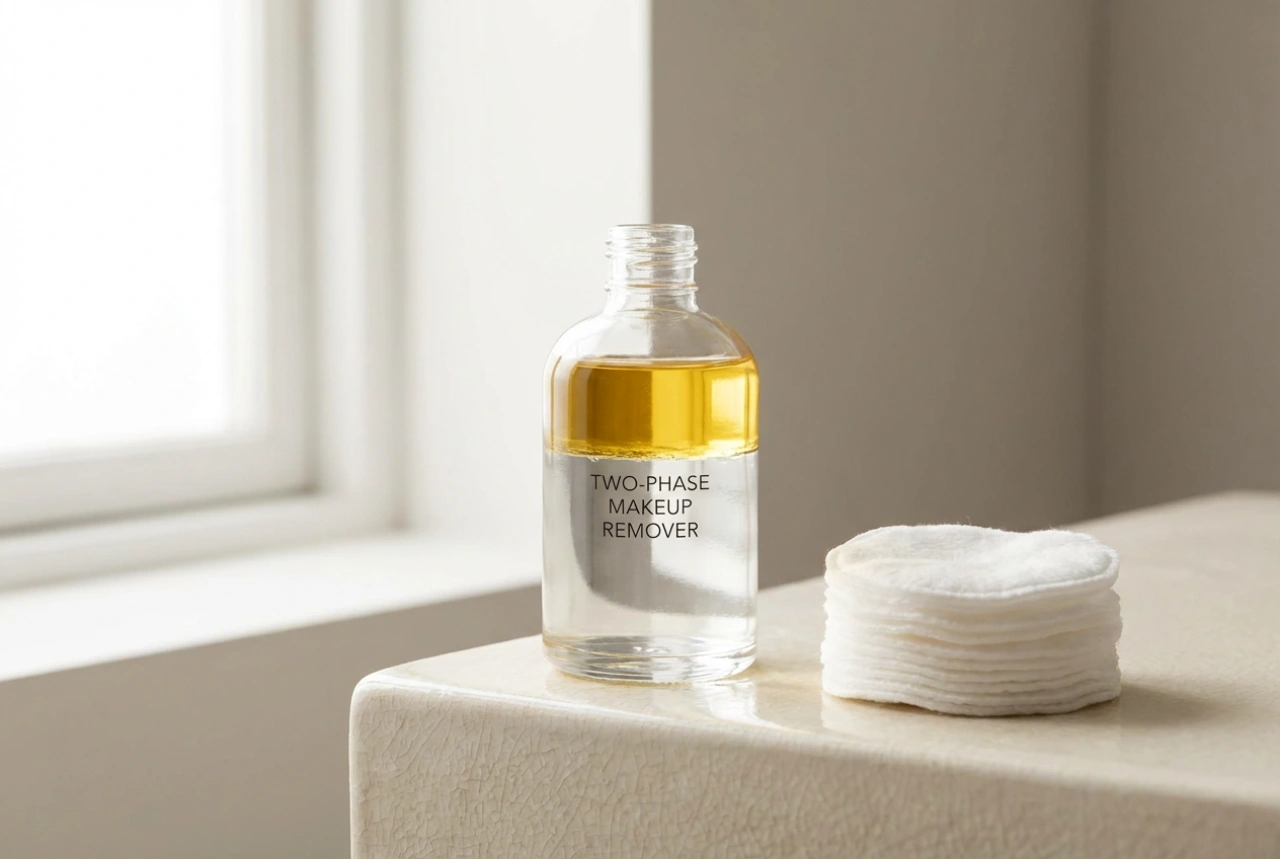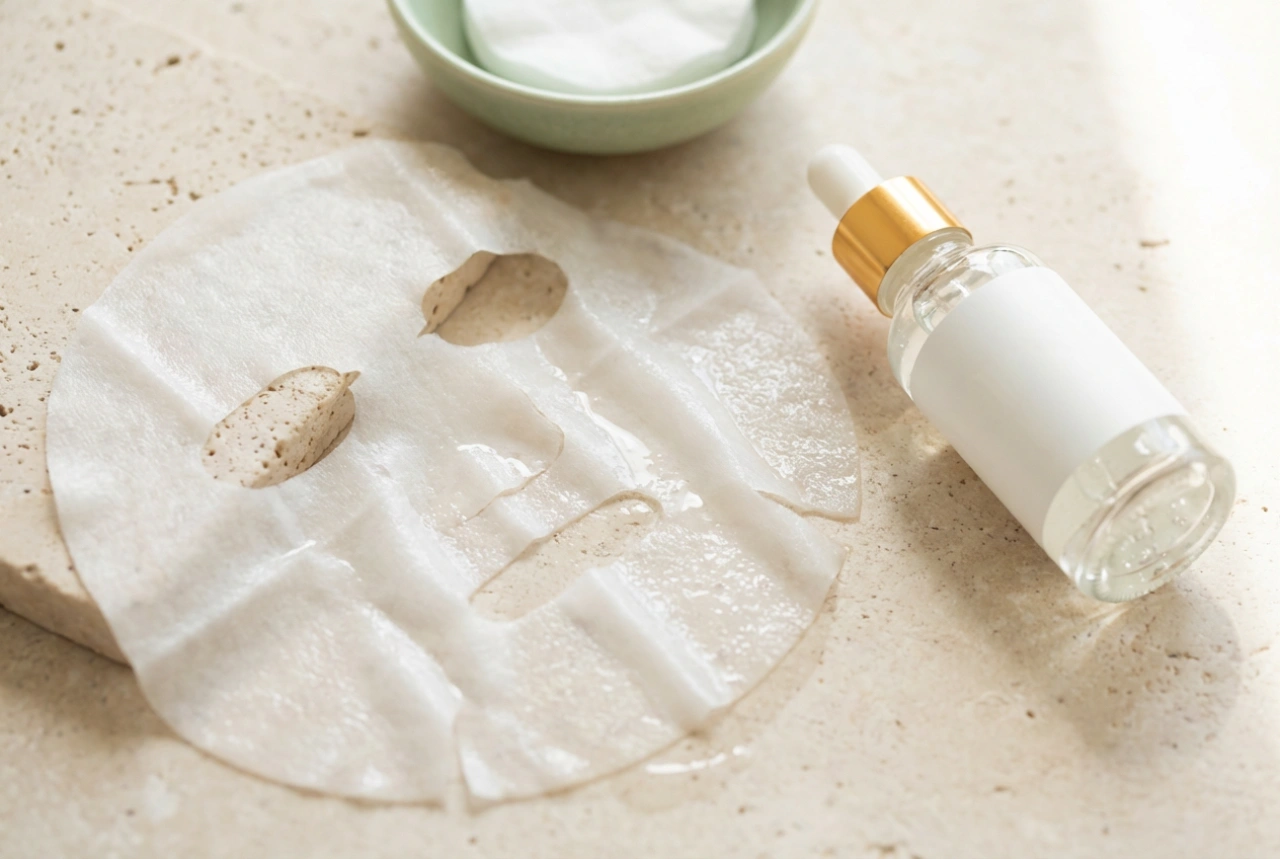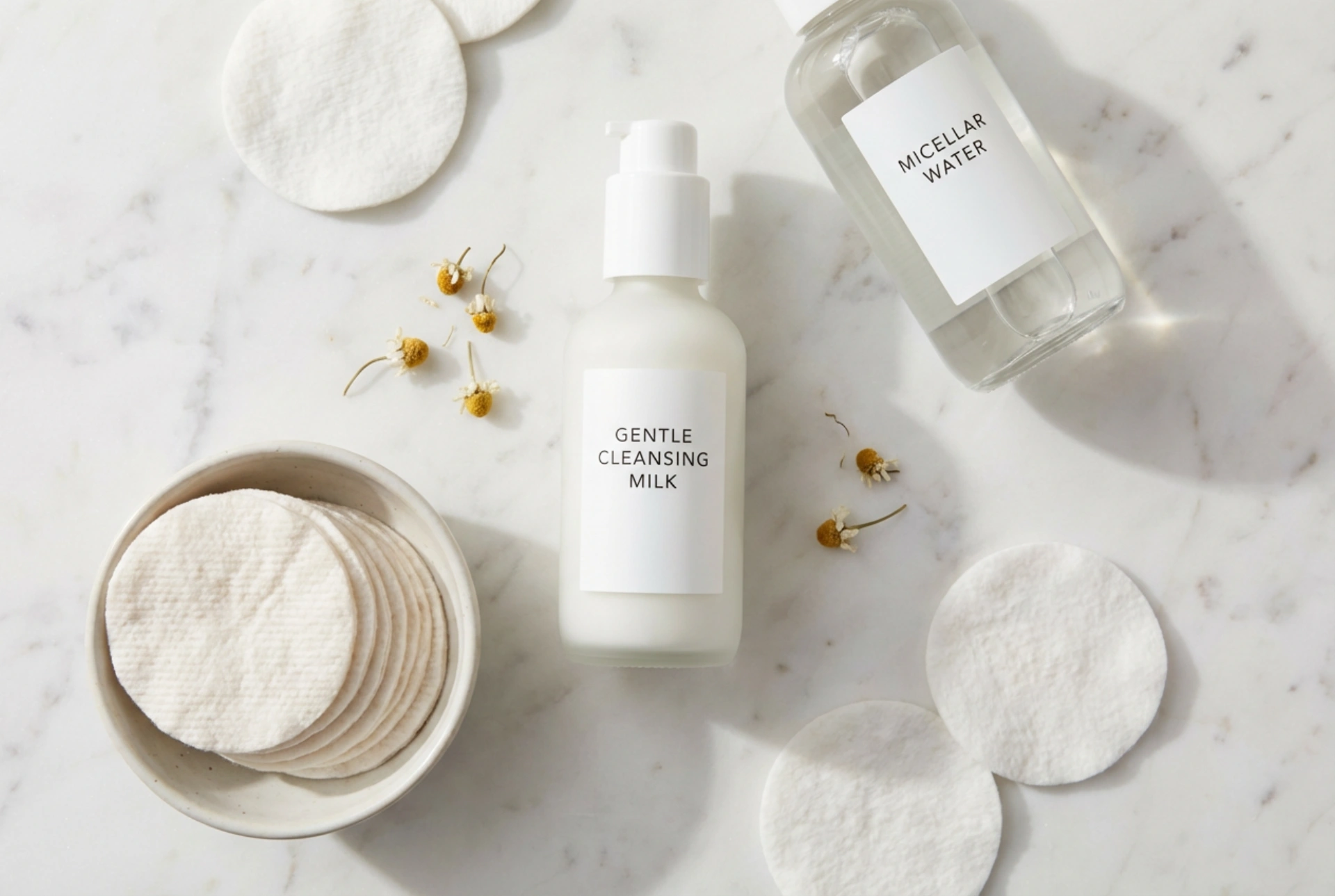


Effective makeup removal is the cornerstone of any successful skincare routine. More than just a simple wipe, it's a crucial step that prepares your skin for night-time regeneration and ensures the products you apply afterwards can work their magic. As seen with gentle cleansers and soft cotton pads, the right tools and techniques can transform this daily chore into a mindful ritual that benefits your complexion in the long run, leading to clearer, healthier, and more radiant skin.
Why is Thorough Makeup Removal So Important?
Leaving makeup on overnight can have several undesirable effects on your skin. Throughout the day, makeup mixes with sweat, natural oils, and environmental pollutants, creating a film on the skin's surface. If not removed, this mixture can clog pores, leading to blemishes and a dull appearance. Furthermore, sleeping in makeup can impede the skin's natural exfoliation and renewal process, which primarily occurs at night. This can contribute to a lack of radiance and may accelerate the appearance of fine lines. Consistent and proper cleansing helps to clear away this daily build-up, allowing your skin to breathe and repair itself effectively.
Choosing a Makeup Remover for Your Skin Type
Not all makeup removers are created equal, and the best one for you depends largely on your skin type and the kind of makeup you wear. Understanding your skin's needs is the first step towards choosing an effective yet gentle product.
Oily and Combination Skin
For skin that tends to be oily or has both oily and dry areas, lighter formulations are often ideal. Micellar waters are excellent for lifting away light to medium makeup without leaving a heavy residue. Foaming or gel-based cleansers are also effective, especially as the second step in a double cleanse, as they help to thoroughly purify the skin and remove any remaining excess oil and impurities.
Dry and Sensitive Skin
Dry and sensitive skin types require extra care to avoid stripping away natural oils, which can lead to tightness and irritation. Creamy cleansing milks, lotions, and balms are wonderful choices as they dissolve makeup whilst providing hydration. Cleansing oils are also highly effective, even for heavy makeup, as they work on the principle of 'like dissolves like' to break down oil-based foundations and waterproof mascara without disrupting the skin's delicate moisture barrier.
Normal Skin
If you have normal skin, you have a wider range of options. You can choose a product based on your personal preference and the weight of your makeup. A cleansing oil followed by a gentle gel cleanser is a fantastic combination for a thorough clean, but a good quality cleansing balm or micellar water can also work perfectly well for daily use.
The Step-by-Step Guide to Effective Makeup Removal
The technique you use is just as important as the products. A gentle, systematic approach ensures all traces of makeup are removed without causing unnecessary stress to the skin.
- Start with the Eyes and Lips: These areas often have the most stubborn, long-wearing makeup. Saturate two cotton pads with a suitable eye makeup remover. Hold the pads over your closed eyes for about 20-30 seconds to allow the product to dissolve the makeup. Then, gently wipe downwards and outwards. Avoid harsh rubbing. Use a fresh, soaked cotton bud for any lingering eyeliner. A similar technique can be used for long-lasting lipstick.
- Move to the Face: This is where the double cleansing method comes in. First, apply an oil-based cleanser (oil, balm, or cream) to your dry face. Gently massage it all over, including the hairline and jaw, to break down foundation, sun cream, and other products.
- Emulsify and Rinse: Add a little warm water to your hands and continue massaging your face. The oil will turn milky (emulsify), lifting the dissolved makeup and grime. Rinse thoroughly with lukewarm water.
- The Second Cleanse: Follow up with your regular water-based cleanser (gel, foam, or milk). This step cleanses your skin, removing any last traces of oil and impurities, ensuring your pores are completely clean.
- Pat Dry: Gently pat your face dry with a clean, soft towel. Your skin is now perfectly prepped for your serum, moisturiser, and other treatments.
Common Makeup Removal Mistakes to Avoid
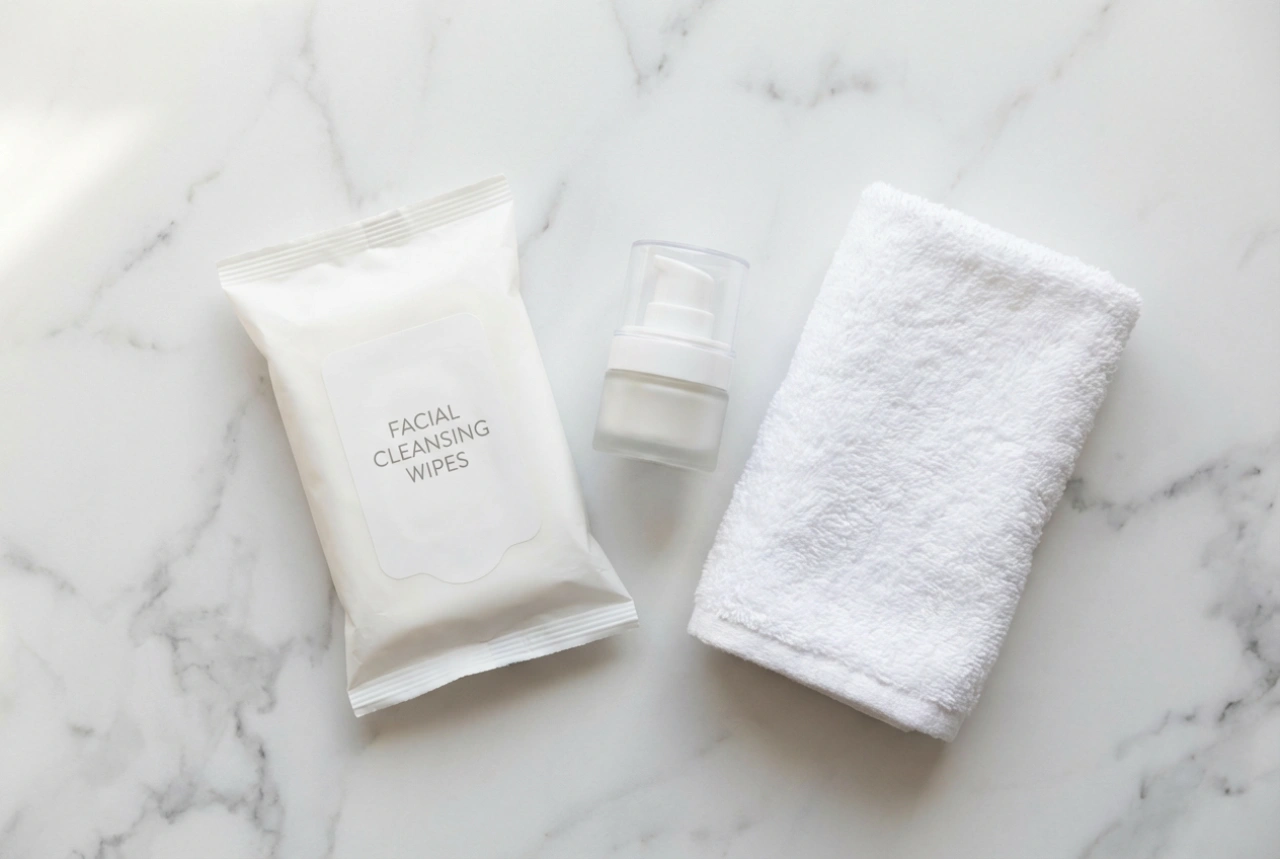
- Relying solely on face wipes: While convenient, wipes often just smear makeup, oil, and dirt around the face rather than effectively removing it. They can also contain ingredients that may irritate the skin with frequent use.
- Rubbing too aggressively: The skin on your face, especially around the eyes, is delicate. Aggressive rubbing can cause irritation and contribute to premature ageing.
- Forgetting the hairline and neck: Makeup can accumulate along the hairline, jawline, and neck. Make sure to extend your cleansing routine to these often-neglected areas to prevent clogged pores.
- Using hot water: Rinsing with water that is too hot can strip the skin of its natural oils, leading to dryness and sensitivity. Always use lukewarm water.
Incorporating a thorough makeup removal process into your nightly routine is a non-negotiable act of self-care. By selecting the right products for your skin type and using a gentle, methodical technique, you lay the foundation for a healthy, glowing complexion that looks and feels its best.