

Incorporating a cooling element into your skincare can be a deeply refreshing and calming ritual. The sensation of cold on the skin, when done correctly, can help awaken your complexion and prepare it for the day. While the idea of using ice is appealing, it's crucial to approach this technique with care to avoid irritation and redness. This guide will walk you through how to safely enjoy the benefits of a cooling treatment for a serene, revitalised look.
The Cosmetic Benefits of Cooling Your Skin
Using cold temperatures in your skincare routine is primarily about managing temporary concerns and enhancing the overall appearance of your skin. It's a simple, at-home method to give your complexion a quick boost. The main benefits include a visible reduction in morning puffiness, especially around the eye area. The cold can cause temporary vasoconstriction, which helps lessen the appearance of swelling. Furthermore, many people find that a cooling facial provides a temporary tightening effect, making pores appear smaller and skin feel firmer and more toned. This invigorating step can leave your skin looking brighter and more awake.
How to Prepare for a Safe Cooling Treatment
The most important rule of skin icing is to never apply ice directly to your face. Direct, prolonged contact can be too harsh and may lead to redness, irritation, or even damage to the delicate skin barrier. Instead, always use a protective buffer.
Choosing Your Tool
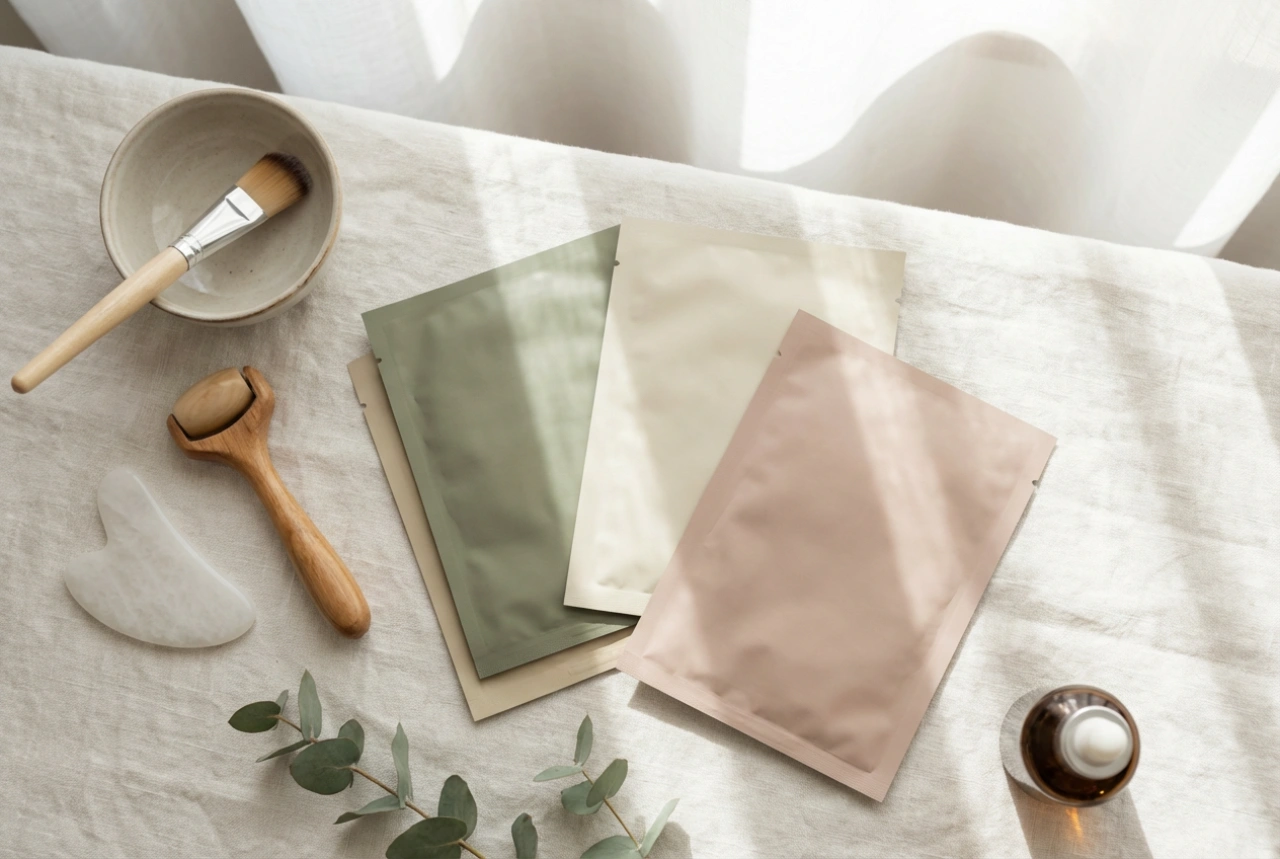
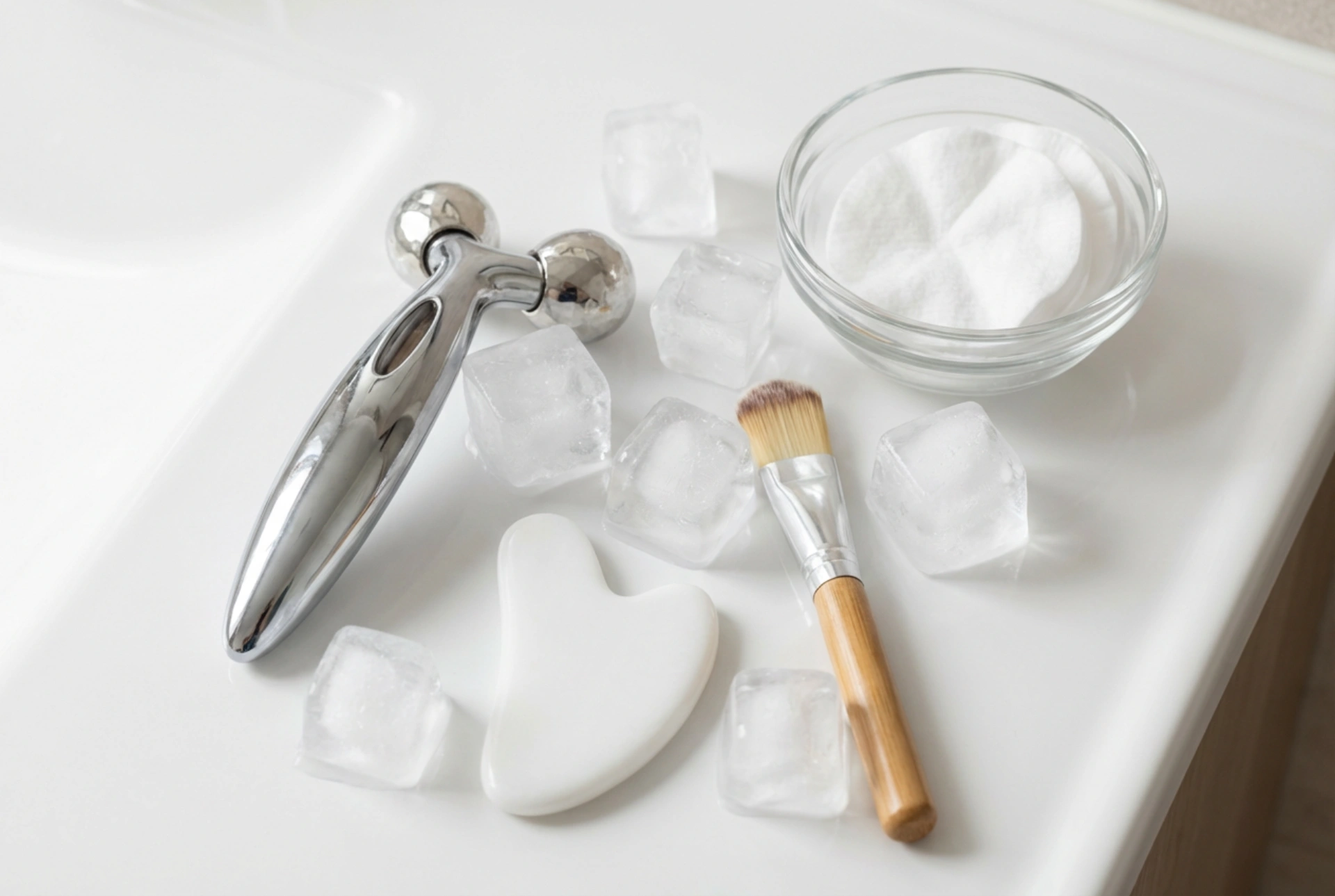
You have a few simple and effective options. The easiest method is to wrap one or two ice cubes in a soft, clean cloth, such as a thin muslin or cotton flannel. This creates a gentle barrier between the ice and your skin. Alternatively, you can use specialised beauty tools designed to be chilled, such as facial globes or certain types of rollers. These are often filled with a gel that stays cold and are shaped to glide smoothly over the contours of your face.
Preparing the Ice
For the best results, consider the water you use. Using filtered or distilled water to make your ice cubes ensures you are not introducing any impurities to your skin. You can also get creative by infusing the water with skin-friendly ingredients before freezing, such as green tea or cucumber water, for an added soothing element. Always use fresh ice for each treatment.
Your Step-by-Step Cooling Facial Ritual
To get the most out of your cooling treatment, follow these simple steps for a safe and effective at-home facial.
Step 1: Cleanse Your Skin
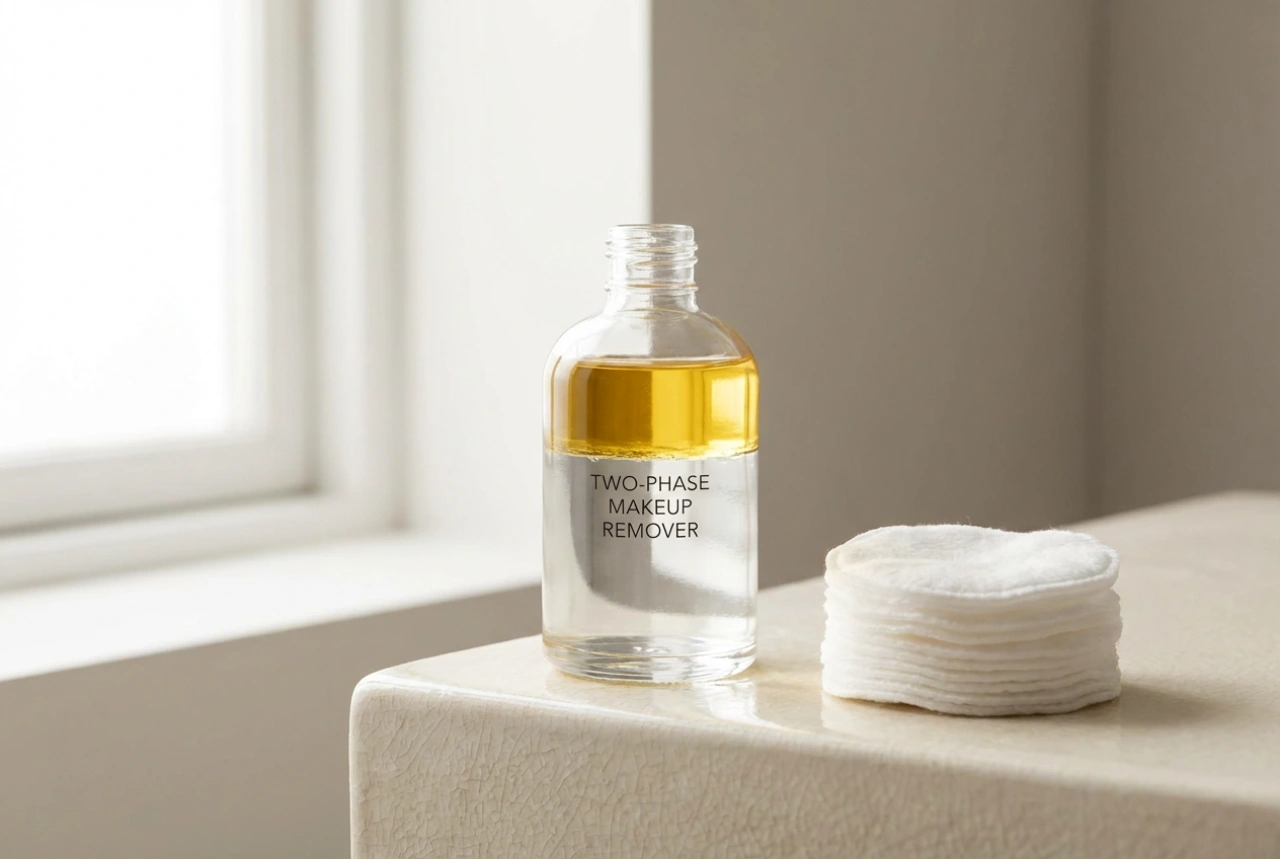
Always begin with a clean canvas. Use your regular gentle cleanser to remove any makeup, dirt, and oil from your skin. Pat your face dry with a clean towel before you begin the cooling process.
Step 2: Gentle Application
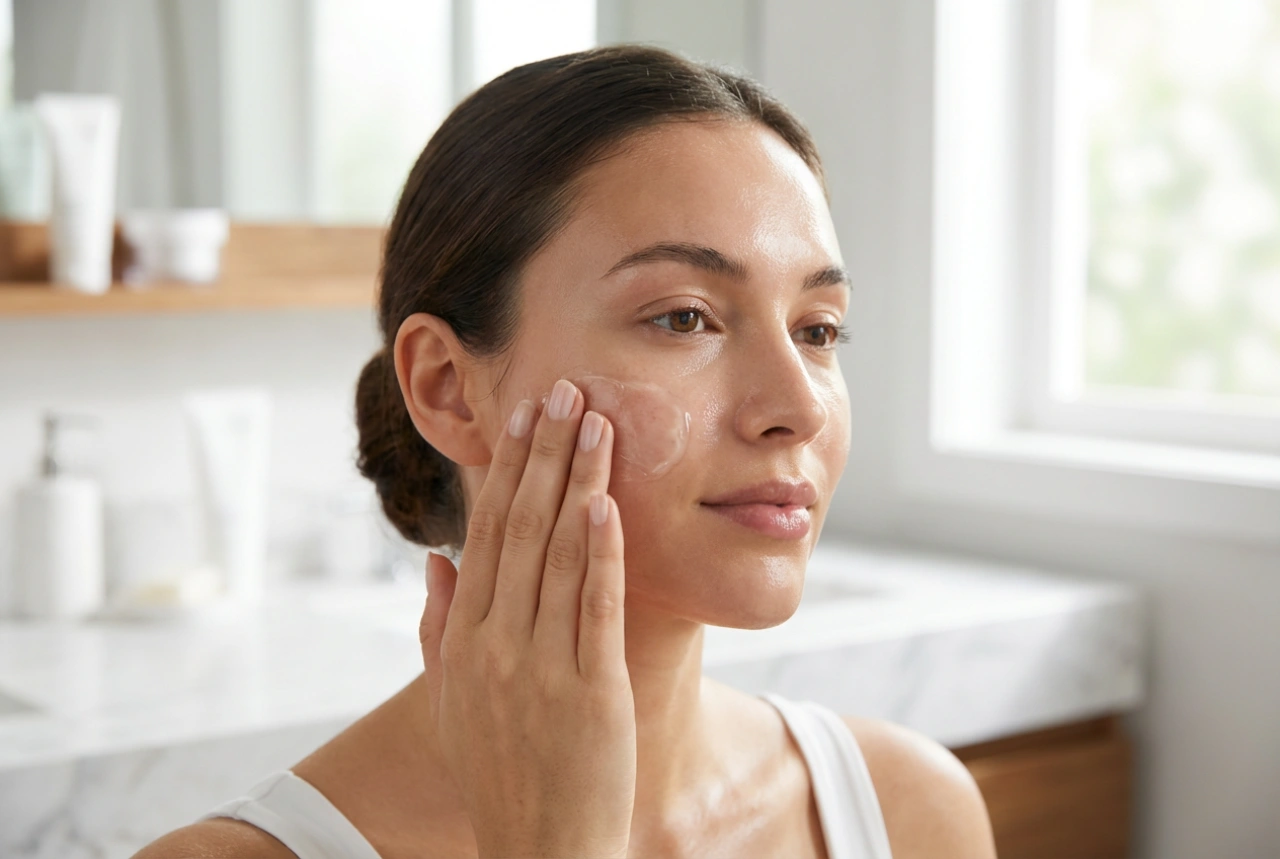
Take your cloth-wrapped ice cube or chilled tool and begin to gently massage it over your face in slow, circular motions. Keep the ice moving at all times; do not hold it in one spot for more than a few seconds. Focus on areas prone to puffiness, like under the eyes (being extremely gentle), along the jawline, and across the cheeks and forehead. The entire process should be brief, lasting no more than one to two minutes in total.
Step 3: Aftercare
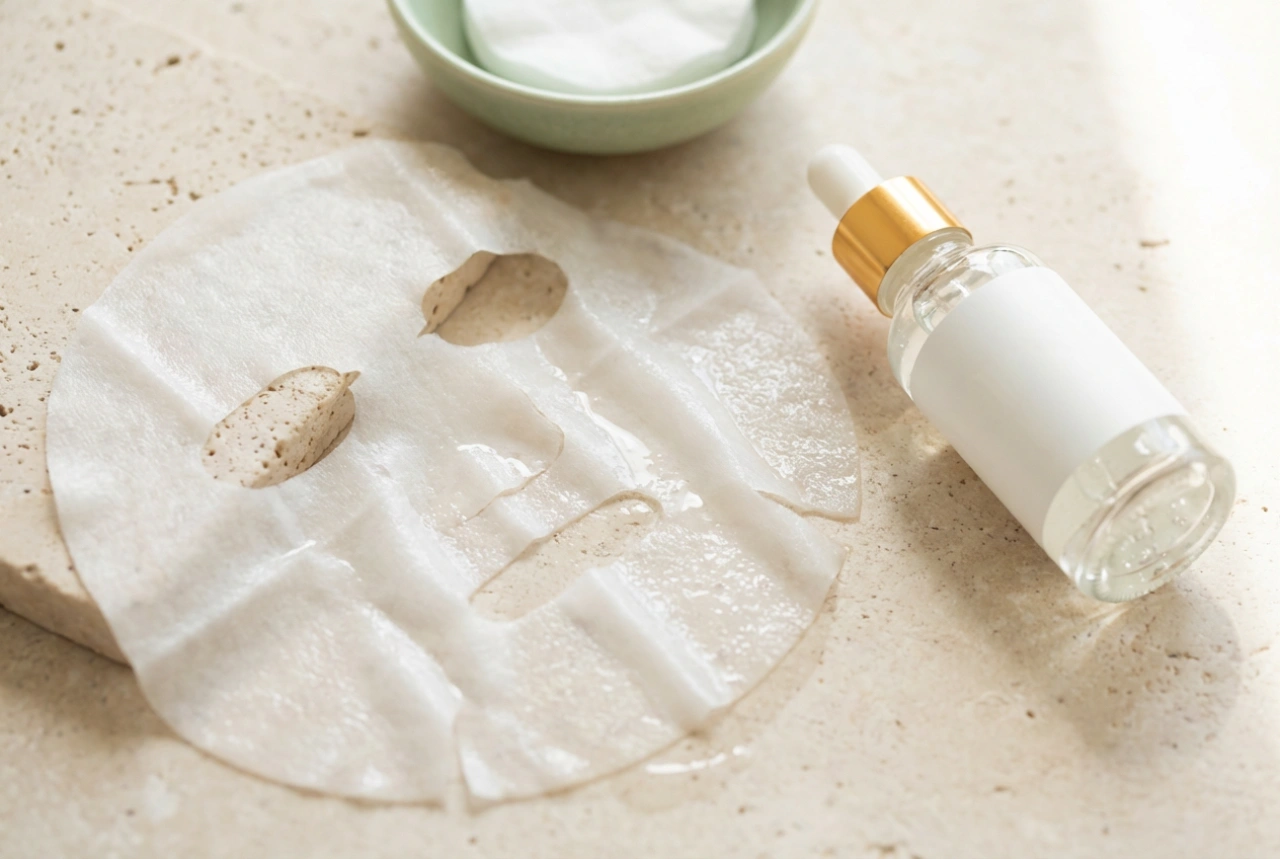
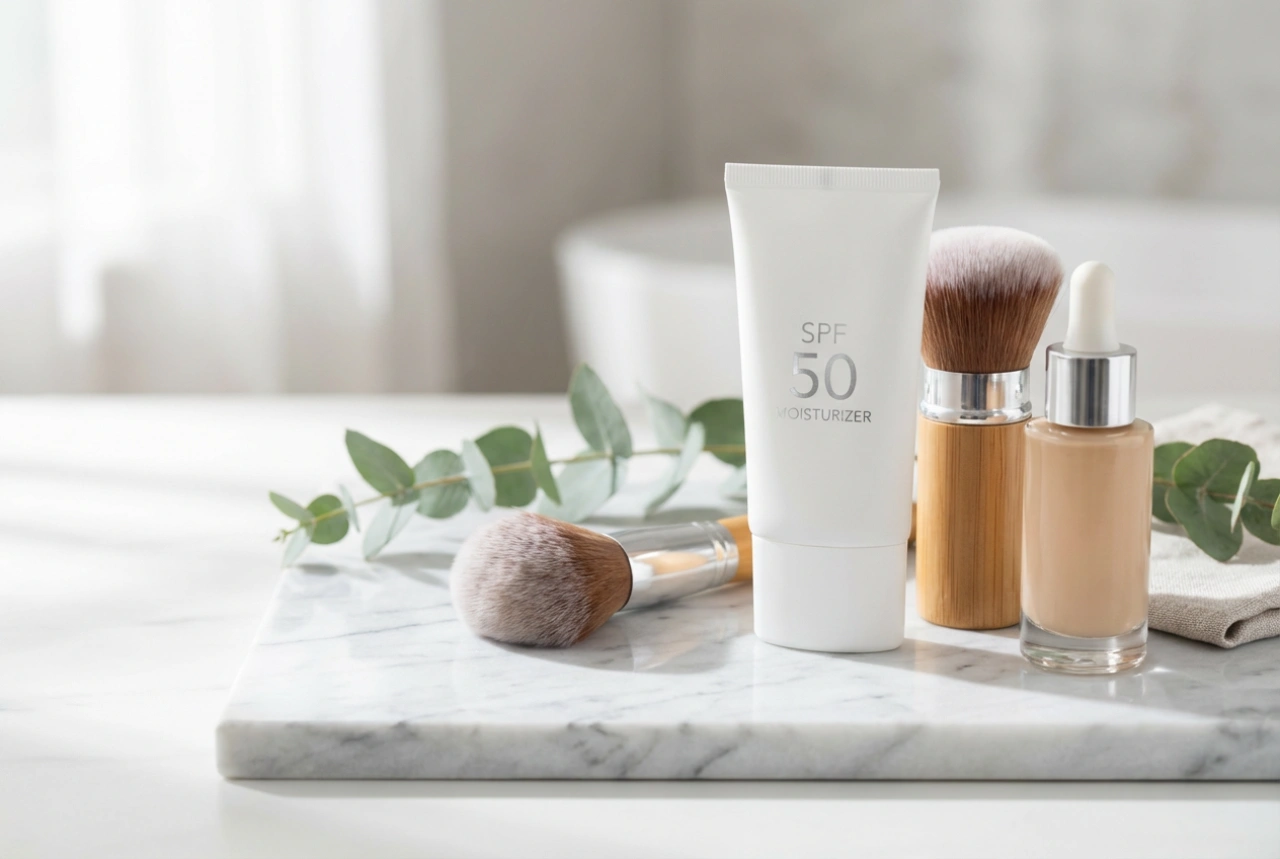
Once you have finished your cooling massage, gently pat your skin dry. Your skin is now perfectly prepped for the next steps of your routine. Immediately apply a hydrating serum or a lightweight moisturiser to help lock in moisture and soothe the skin. This final step is crucial for maintaining a balanced and comfortable complexion.
Common Mistakes to Avoid
To ensure your cooling ritual is beneficial and not harmful, be mindful of these common pitfalls:
- Applying Ice Directly: This is the most critical mistake. Always use a cloth or a purpose-built tool as a barrier.
- Overdoing It: Keep the treatment short. A minute or two is sufficient to achieve the desired effect without stressing the skin.
- Applying to Broken Skin: Avoid using cold therapy on any open wounds, active blemishes, or areas of severe sensitivity, as it could worsen the issue.
- Using on Unclean Skin: Always start with a thoroughly cleansed face to prevent pushing dirt and bacteria into your pores.
- Ignoring Your Skin's Reaction: Pay attention to how your skin feels. If you experience any significant discomfort, pain, or persistent redness, stop immediately.