

Well-cared-for feet are not only a matter of aesthetics but also of comfort and well-being. A key element of a comprehensive foot care routine, often overlooked, is regular exfoliation. Performing a foot peel helps remove dead, calloused skin, revealing a smoother, softer surface underneath. It’s a simple treatment you can perform at home, transforming the appearance and feel of your feet and turning a basic necessity into a moment of relaxing self-care.
Why is Regular Foot Exfoliation Important?
Our feet endure a lot of pressure daily, which often leads to the build-up of hard, dead skin, especially on the heels and balls of the feet. Regular exfoliation offers several benefits:
- Improved Skin Texture: The primary benefit is the removal of rough, dead skin cells, which instantly makes the feet feel softer and look smoother.
- Enhanced Moisturiser Absorption: By sloughing away the top layer of dead skin, you allow moisturisers and foot creams to penetrate more deeply and work more effectively. This helps in hydrating the new skin underneath.
- Better Foot Health: Removing excessive calluses can prevent the formation of deeper, sometimes painful cracks and fissures, contributing to overall foot comfort.
- Aesthetic Appearance: Smooth, well-tended feet simply look better, boosting confidence when wearing open-toed shoes or walking barefoot.
Choosing the Right Type of Foot Peel
There are two main categories of exfoliating products for feet. The choice depends on your skin's needs and personal preference. It's important to select a product designed specifically for the thick skin on the feet, as facial or body scrubs may not be effective enough.
Mechanical Exfoliants
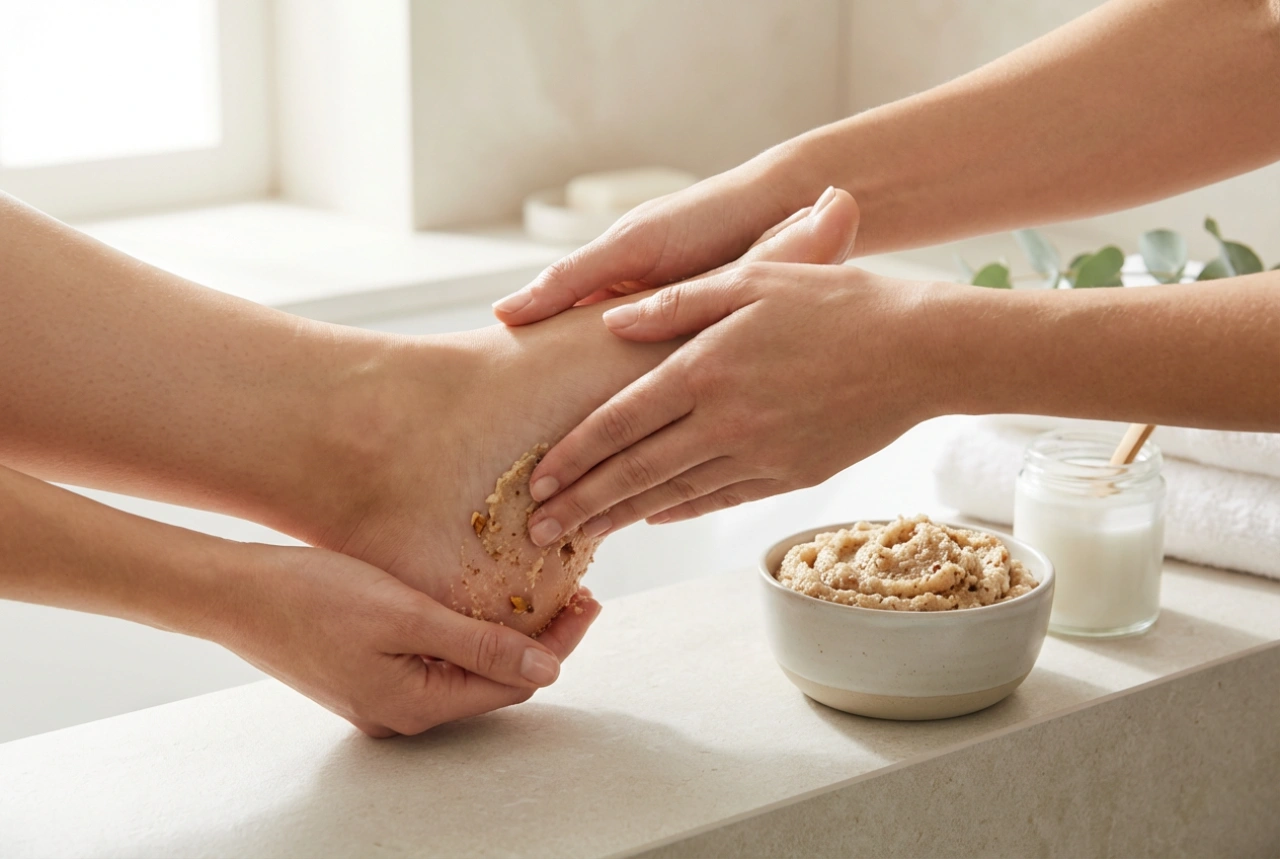
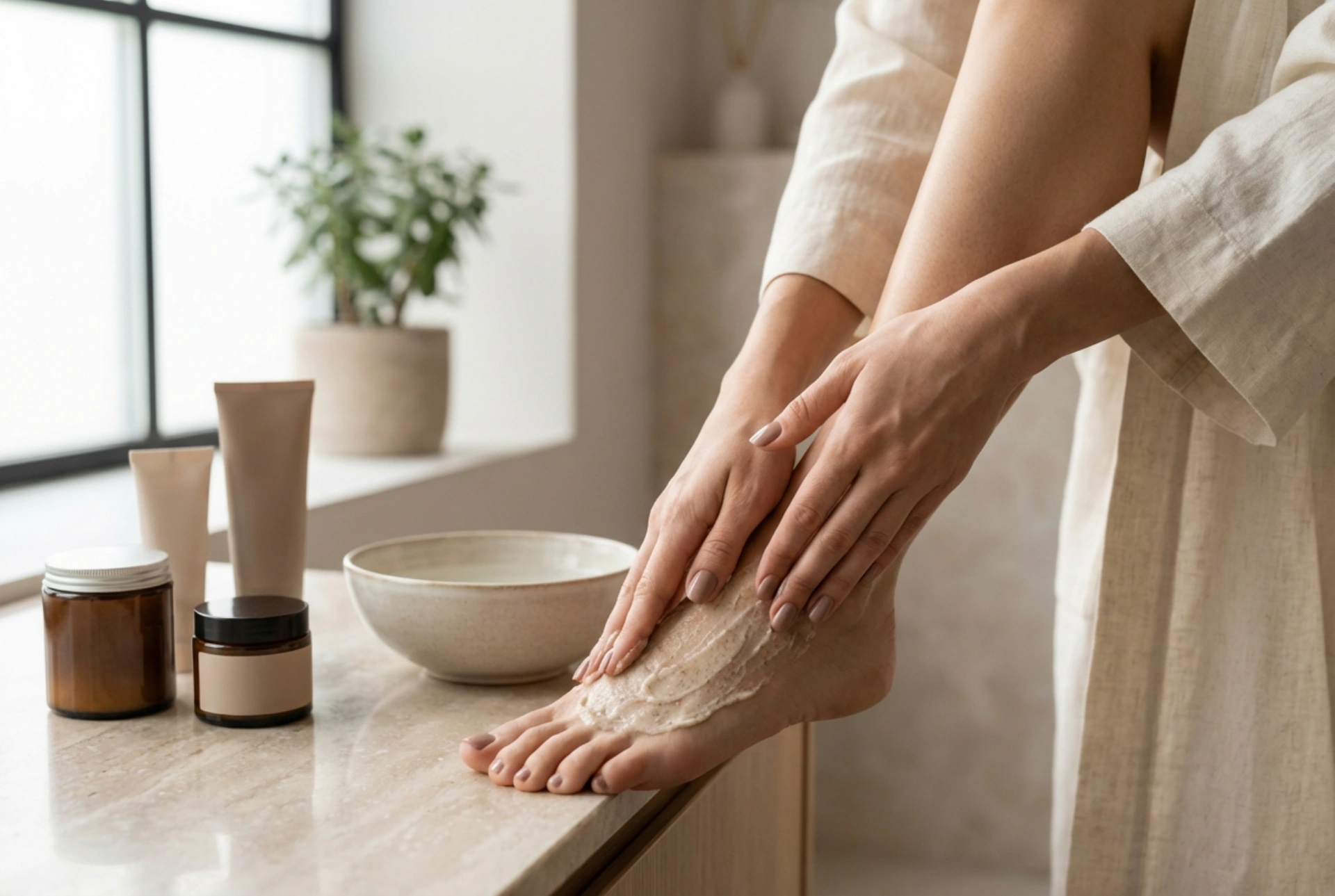
These are the most common types of foot scrubs. They work through physical abrasion, using small, grainy particles to manually scrub away dead skin cells. The exfoliating agents can include sugar, salt, ground fruit pits, coffee grounds, or synthetic beads. These scrubs are great for a quick and satisfying result, providing an immediate feeling of smoothness. They are best used on damp skin and combined with a gentle massage.
Chemical Exfoliants
Chemical peels for feet use acids or enzymes to dissolve the bonds holding dead skin cells together, causing them to shed naturally. These products often contain Alpha Hydroxy Acids (AHAs) like glycolic or lactic acid, or fruit enzymes. They come in various forms, including creams, gels, or single-use exfoliating 'socks' that you wear for a set period. While the results are not instant (skin may start to peel a few days after application), they can provide a deeper, more uniform exfoliation, especially for very hard or calloused skin.
How to Perform a Foot Peel at Home: A Step-by-Step Guide
To get the most out of your foot exfoliation treatment, follow these simple steps for a spa-like experience at home.
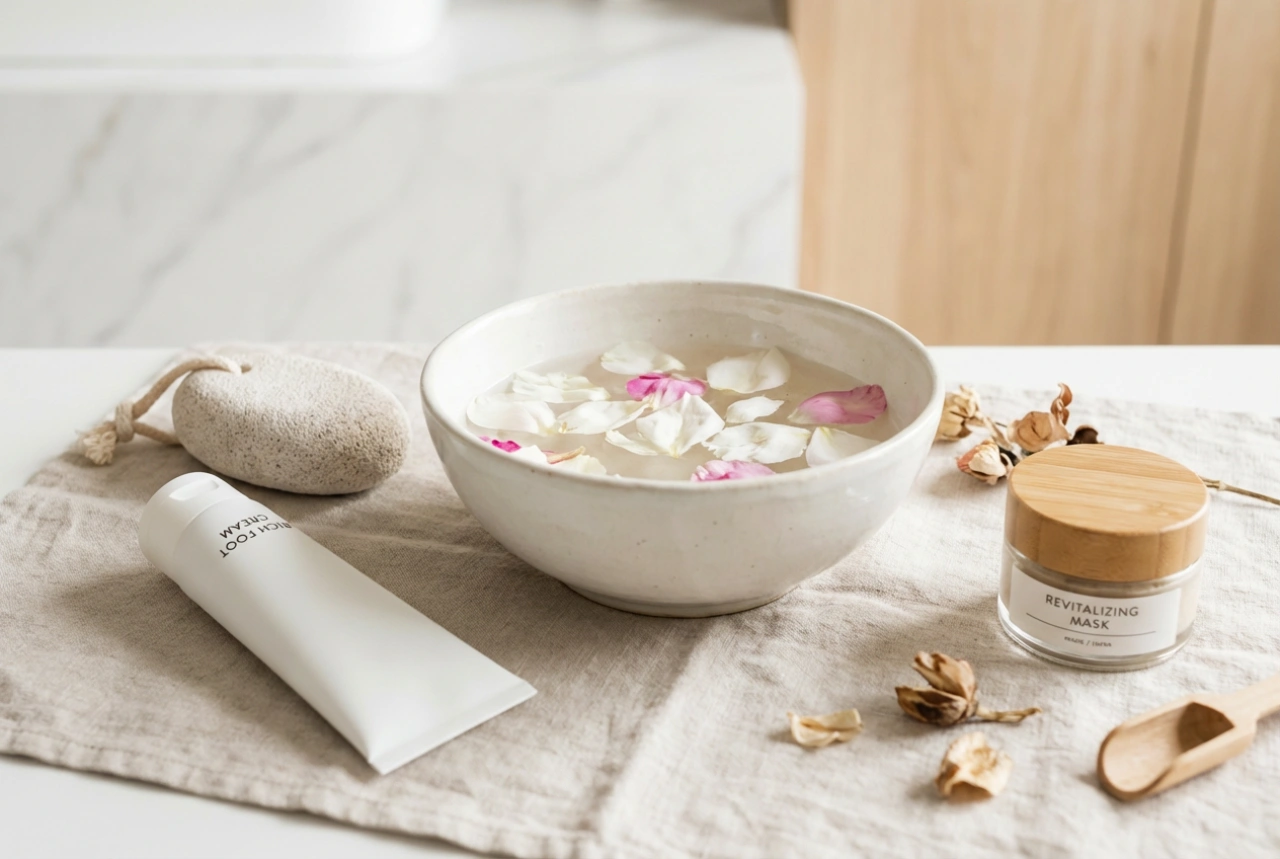
- Prepare and Soak: Start by cleaning your feet. Then, soak them in a basin of warm water for 10-15 minutes. This will soften the skin, making it much easier to exfoliate. You can add bath salts or a few drops of essential oil for a more relaxing experience.
- Apply the Product: Pat your feet dry. If you are using a mechanical scrub, take a generous amount and apply it to your entire foot, focusing on the heels, soles, and other rough patches. If using a chemical peel product, follow the specific instructions on its packaging.
- Massage Gently: For a scrub, massage the product into your skin using firm, circular motions. Pay extra attention to areas with calluses. Use your hands to work the product in for at least a couple of minutes per foot. This not only helps exfoliation but also improves circulation.
- Rinse and Dry: Thoroughly rinse your feet with warm water to remove all traces of the exfoliating product. Pat them completely dry with a soft towel, making sure to dry between the toes.
Aftercare: The Importance of Moisturising
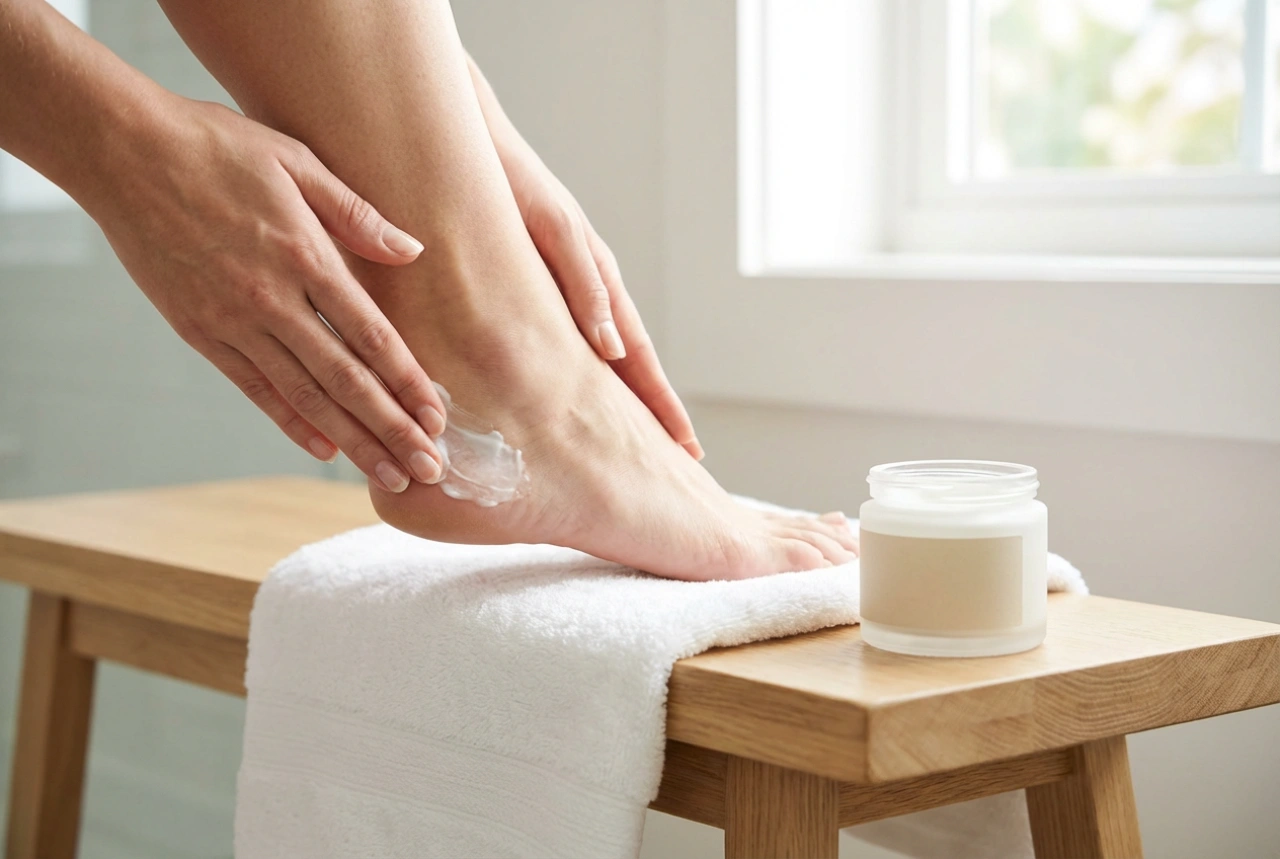
Exfoliation leaves new skin exposed, which needs immediate hydration and protection. This step is crucial for locking in the benefits of your peel. After drying your feet, apply a rich, nourishing foot cream or balm. Look for ingredients like shea butter, urea, or ceramides that provide intense moisture. Massage the cream in until it's fully absorbed. For an intensive overnight treatment, you can put on a pair of cotton socks after applying the cream to help it penetrate even more deeply.
Frequency and Best Practices
How often you should exfoliate your feet depends on their condition. For most people, once or twice a week with a mechanical scrub is sufficient to maintain softness. If you use a stronger chemical peel (like exfoliating socks), you should only do so as recommended by the product, often no more than once a month. It's important to listen to your skin. Avoid exfoliating if your skin is irritated, sunburnt, or has any cuts or open sores. Over-exfoliation can strip the skin of its natural barrier, leading to sensitivity and dryness.