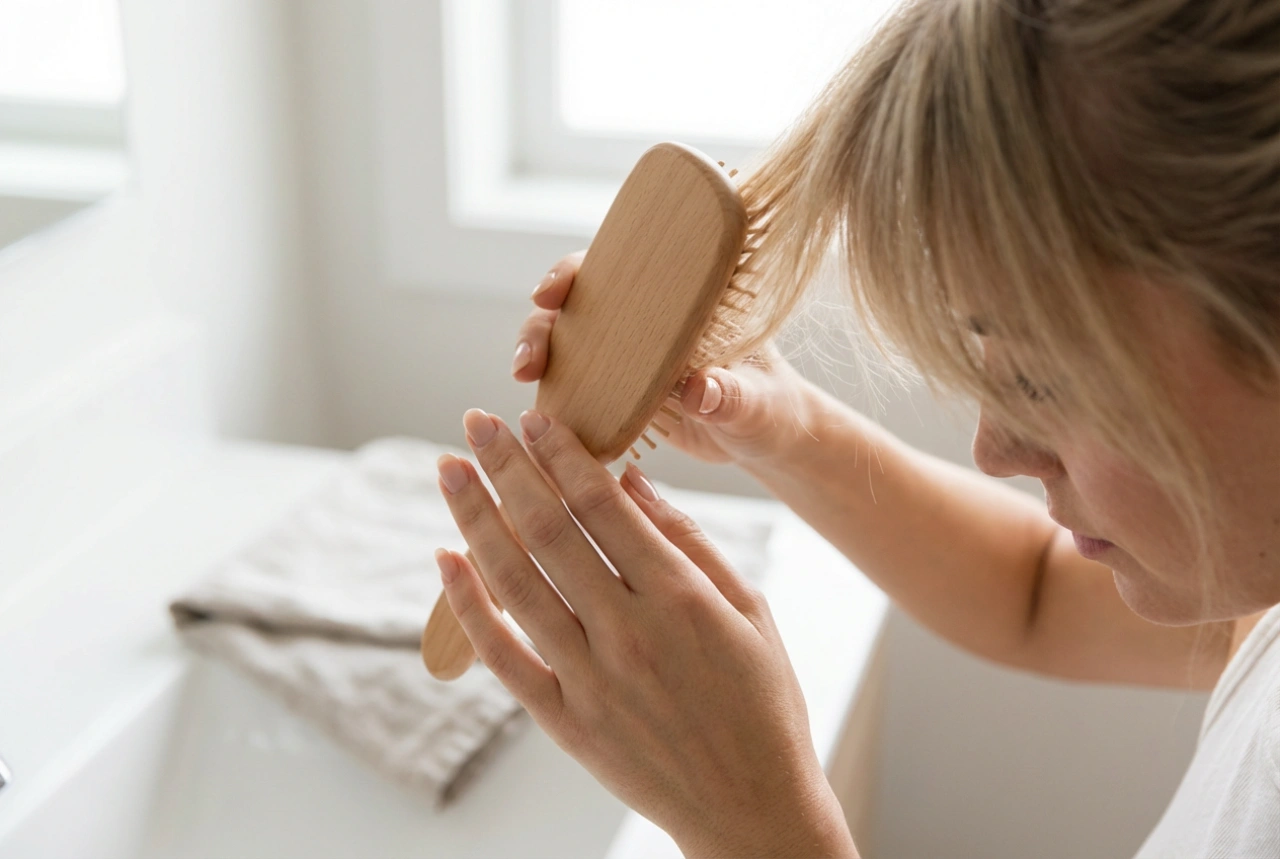


A fringe, or bangs, can dramatically refresh your hairstyle, adding a touch of personality and framing your face beautifully. While a new fringe is best left to a professional, maintaining its length and style at home is achievable with the right knowledge and tools. Deciding to take the scissors into your own hands for a quick trim can be empowering, provided you approach it with caution and care. This guide will walk you through choosing the right style, preparing for a home trim, and keeping your fringe looking its best every day.
Choosing the Perfect Fringe for Your Face Shape
Before you even think about cutting, it's vital to consider what style of fringe will best complement your features. The goal is to create balance and highlight your best assets. While personal preference is key, understanding the principles of face shapes can guide your decision.
Oval Face Shapes
Considered the most versatile face shape, oval faces can pull off almost any fringe style. From a full, blunt fringe to soft, wispy bangs or a classic side-swept look, the options are plentiful. This balanced shape allows for experimentation, so you can choose based on your hair type and personal style.
Round Face Shapes
For round faces, the aim is to add length and definition. A long, side-swept fringe that blends into the rest of your hair can create an elongating effect. Angled, graphic fringes also work well to introduce lines and structure. It's often best to avoid heavy, blunt-cut fringes, as they can accentuate the roundness of the face.
Square Face Shapes
Square faces are characterised by a strong jawline. To soften these features, opt for a longer, layered, and slightly rounded fringe. A wispy, textured style that falls just over the eyebrows can create a lovely contrast to the angularity of the jaw. A-shaped or curtain bangs that are shorter in the middle and longer at the sides are also an excellent choice.
Heart-Shaped Faces
Heart-shaped faces are wider at the forehead and taper to a narrower chin. A side-swept fringe is a fantastic option as it draws attention downwards and balances the proportions. Wispy, layered bangs can also work well, but it's generally wise to steer clear of very short or heavy, straight-across fringes that can make the forehead appear wider.
Essential Tools and Preparation for a Home Trim
A successful home trim begins with proper preparation. Cutting corners here can lead to uneven results. Never attempt to trim your fringe with kitchen or craft scissors; their blades are too thick and will chew through the hair, causing split ends and a jagged line.
Gather Your Equipment
Before you start, make sure you have the following tools ready:
- Hairdressing Scissors: A pair of sharp, professional-grade shears is non-negotiable. They are designed to cut hair cleanly.
- A Fine-Tooth Comb: This is essential for sectioning the hair precisely and combing it flat before cutting.
- Hair Clips: Use these to section off the rest of your hair, so you only cut the parts you intend to.
- A Mirror and Good Lighting: Ensure you are in a well-lit area and can see your face clearly and straight-on.
Prepare Your Hair
One of the most common mistakes is cutting a fringe when it's wet. Hair shrinks as it dries, and what looked like the perfect length on wet hair can end up being much too short. Always cut your fringe when it is completely dry and styled as you would normally wear it. This gives you the most accurate representation of how it will look.
A Step-by-Step Guide to Trimming Your Fringe
This guide is intended for maintenance trims, not for creating a new fringe from scratch. Patience is your best friend. Always cut less than you think you need to—you can always trim more, but you can't add hair back.
- Section Your Fringe: Use your comb to create a clean triangular section for your fringe. The point of the triangle should be at the top of your head, and the base should span from the outer edge of one eyebrow to the other. Clip the rest of your hair back securely.
- Create Your Guide: Comb the fringe down smoothly over your face. Using your non-dominant hand, pinch a small section in the very centre between your index and middle fingers. Slide your fingers down to the length you want to cut. This small piece will be your guide.
- Start Cutting: Holding the scissors vertically, use a technique called 'point cutting'. This involves snipping upwards into the ends of the hair rather than cutting straight across. This creates a softer, more forgiving line and helps prevent a blunt, severe look. Trim just a tiny amount below your fingers.
- Work Outwards: Take the next small section of hair next to your central guide, add a little of the already-cut hair to it, and use that as your length guide. Continue this process, working from the centre out to one side, and then repeat on the other side. Always bring the hair to the centre to cut, which will naturally create a slightly longer length at the sides.
- Check and Refine: Once you've trimmed the entire section, let the fringe fall naturally. Comb it and check for any uneven spots in the mirror. Make any tiny adjustments needed, again using the point-cutting technique.
Daily Styling and Maintenance
Keeping your fringe looking polished requires a little daily effort. With a few simple tricks, you can ensure it always looks fresh.
Styling Your Fringe
How you style your fringe depends on its type and your hair's texture. For a smooth, sleek look, use a hairdryer and a small round brush, directing the airflow downwards from the roots. For a piecey, textured look, a small amount of wax or pomade worked through the ends can provide definition. You can also quickly run a straightener through your bangs for a super straight finish, but be careful with the heat.
Keeping It Fresh
Fringes tend to get oily faster than the rest of your hair due to contact with your skin. A spritz of dry shampoo at the roots can instantly revive it. Alternatively, you can simply wash your fringe over the sink without having to wash all of your hair. Regular, small trims every 3-4 weeks will keep it at the perfect length and prevent it from getting in your eyes.