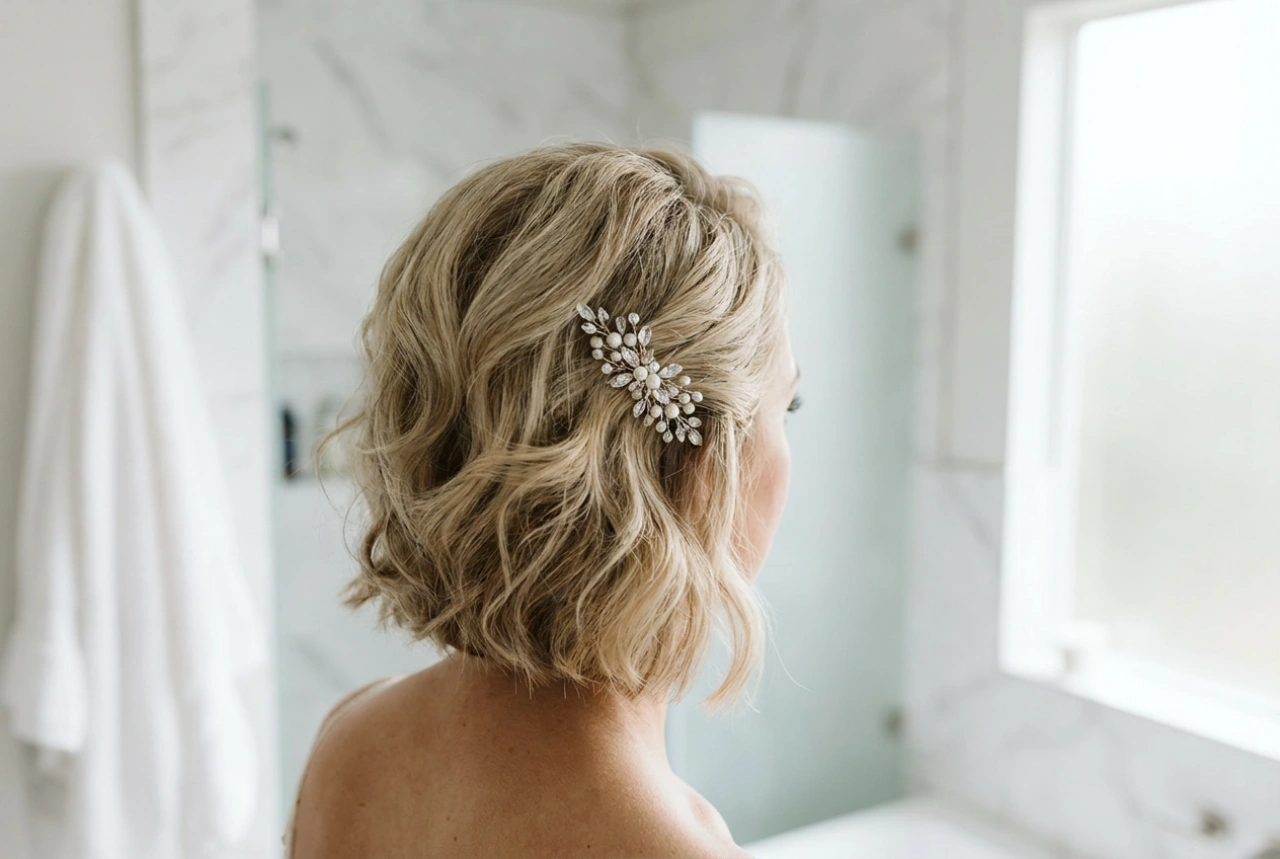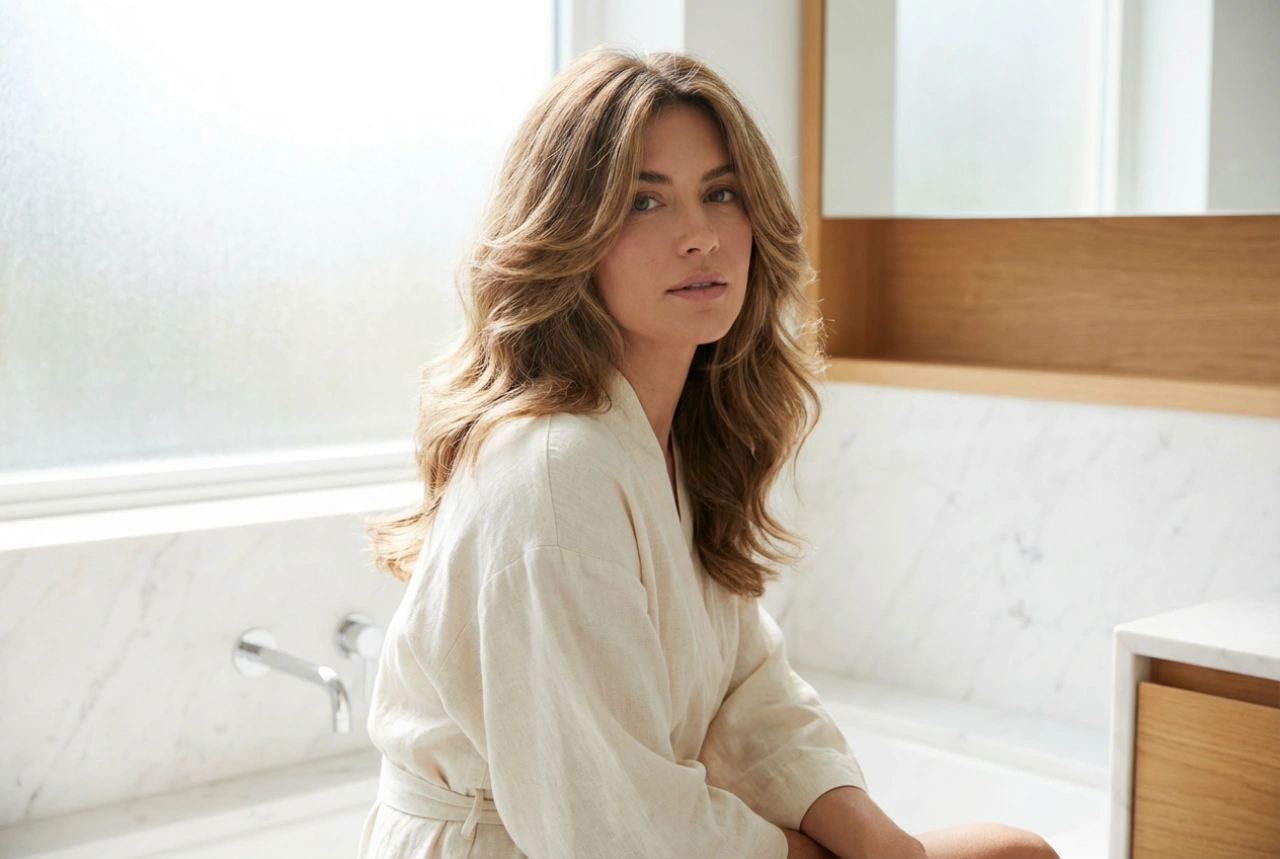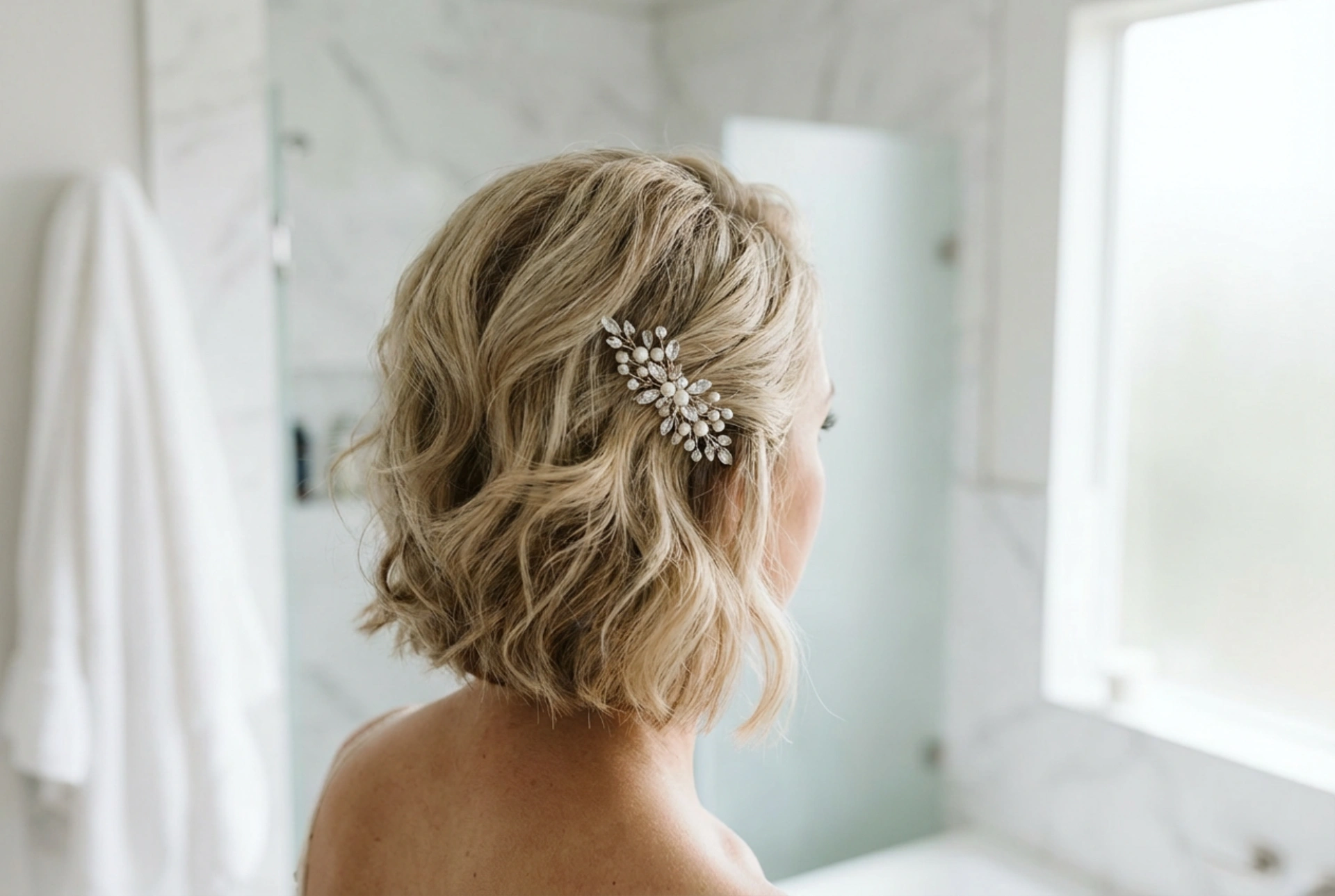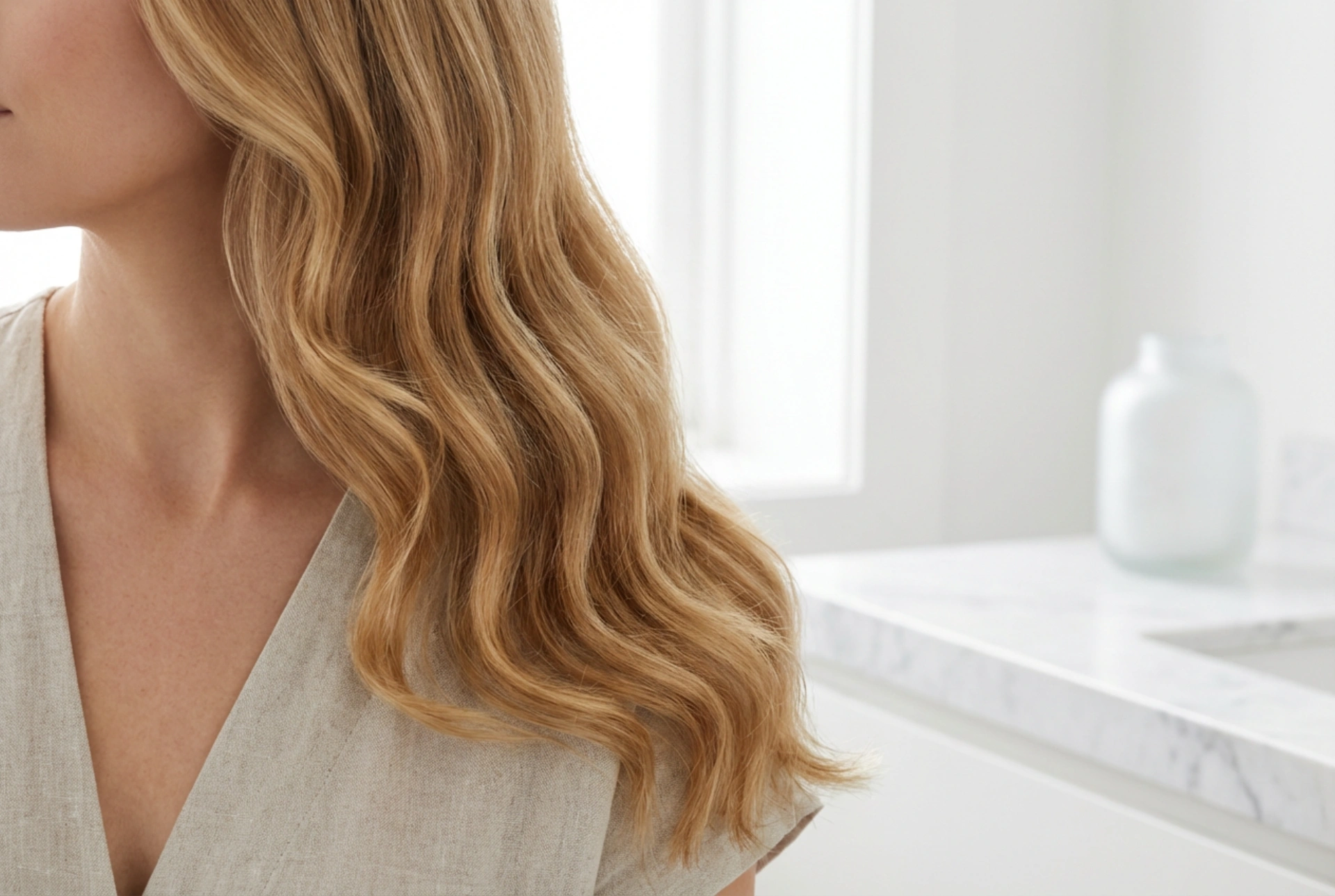


The look of soft, elegant waves cascading over the shoulders is a timeless hairstyle that exudes effortless charm. It adds volume, texture, and movement to the hair, making it suitable for both everyday wear and special occasions. Achieving this beautiful style doesn't have to be complicated. Whether you prefer using heat styling tools or want to protect your hair with heat-free alternatives, there are simple and effective methods to create the perfect light waves.
Creating Waves with Heat
Using heat can give you quick and defined results. The key is to use the right tools and techniques while always prioritising the health of your hair. Remember to apply a heat protectant spray to dry hair before you begin to shield it from potential damage.
Using a Hair Straightener
It might sound counterintuitive, but a flat iron is a fantastic tool for creating loose, modern waves. The technique is simple:
- Start with a small section of hair, about one to two inches wide.
- Clamp the straightener near the root, then turn it 180 degrees away from your face.
- Gently glide the straightener down the length of the hair, maintaining the twist. For a more natural look, leave the last inch or so of the ends straight.
- Repeat this process around your entire head. Once all sections are waved and have cooled down, gently run your fingers through your hair to loosen the waves and create a softer, more blended finish.
Using a Curling Wand
A curling wand, especially one with a larger barrel (over one inch in diameter), is ideal for creating big, bouncy waves. To achieve a light, beachy effect:
- Take a section of hair and wrap it loosely around the barrel of the wand, away from your face.
- Hold it for only a few seconds (5-8 seconds is usually enough) to create a soft bend rather than a tight curl.
- Leave the ends out of the wrap for a more undone, contemporary style.
- After releasing the hair, let it cool completely before touching it. You can gently tousle the waves with your fingers or a wide-tooth comb to separate them.
Achieving Waves Without Heat
If you want to give your hair a break from heat or prefer a more natural approach, heatless methods are your best friend. These techniques work best on slightly damp hair and often require you to plan ahead, as they take time to set.
The Classic Braid Method
Braiding is one of the easiest ways to get natural-looking waves overnight. The tightness of the braid will determine the definition of the wave.
- On lightly damp hair, create one or more braids. A single, loose plait will give you very gentle, large waves. Two or more braids will result in more defined, smaller waves.
- Secure the ends and let your hair air-dry completely, or sleep with the braids in.
- In the morning, carefully undo the braids and use your fingers to separate the waves. Avoid using a brush, as this can cause frizz and disrupt the pattern.
The Hair Bun Technique
Creating buns is another simple way to encourage your hair to form soft waves. You can create one large bun or several smaller ones for varied results.
- Start with damp hair and twist it into a loose rope.
- Wrap this rope around itself to form a bun and secure it with a soft hair tie or pins. For looser waves, create one bun at the nape of your neck. For more volume and texture, try creating two "space buns" on top of your head.
- Wait until your hair is completely dry before taking the buns down. Gently shake out the waves with your fingers.
Preparation and Finishing Touches
The right prep and finishing products can make all the difference in how your waves turn out and how long they last.
How to Prepare Your Hair
For any wavy style, it helps to start with a good foundation. Applying a texturising mousse or a salt spray to damp hair before using a no-heat method can help the waves form and hold better. For heat styling, ensure your hair is completely dry and coated with a heat protectant. Starting with day-old hair can also be beneficial, as it often has more grip than freshly washed hair.
Making Your Waves Last
Once you've created your waves, you'll want them to stay put. After styling with heat, always let the hair cool down completely before you touch it, as this helps the wave set. For all methods, a light mist of a flexible-hold hairspray can provide longevity without making your hair feel stiff or crunchy. You can also spritz a little sea salt spray and scrunch your hair to enhance texture and achieve that perfect "just back from the beach" look.