

Well-maintained nails are a subtle yet significant part of a polished appearance. A dedicated nail care routine can transform their look and feel, and nail conditioners are often a cornerstone of this process. These products are designed to improve the visible condition of the nail plate, offering support for various nail concerns. Understanding how to choose the right conditioner, apply it correctly, and recognise when your nails need a rest is key to achieving the best results and maintaining their natural beauty.
Understanding Nail Conditioners
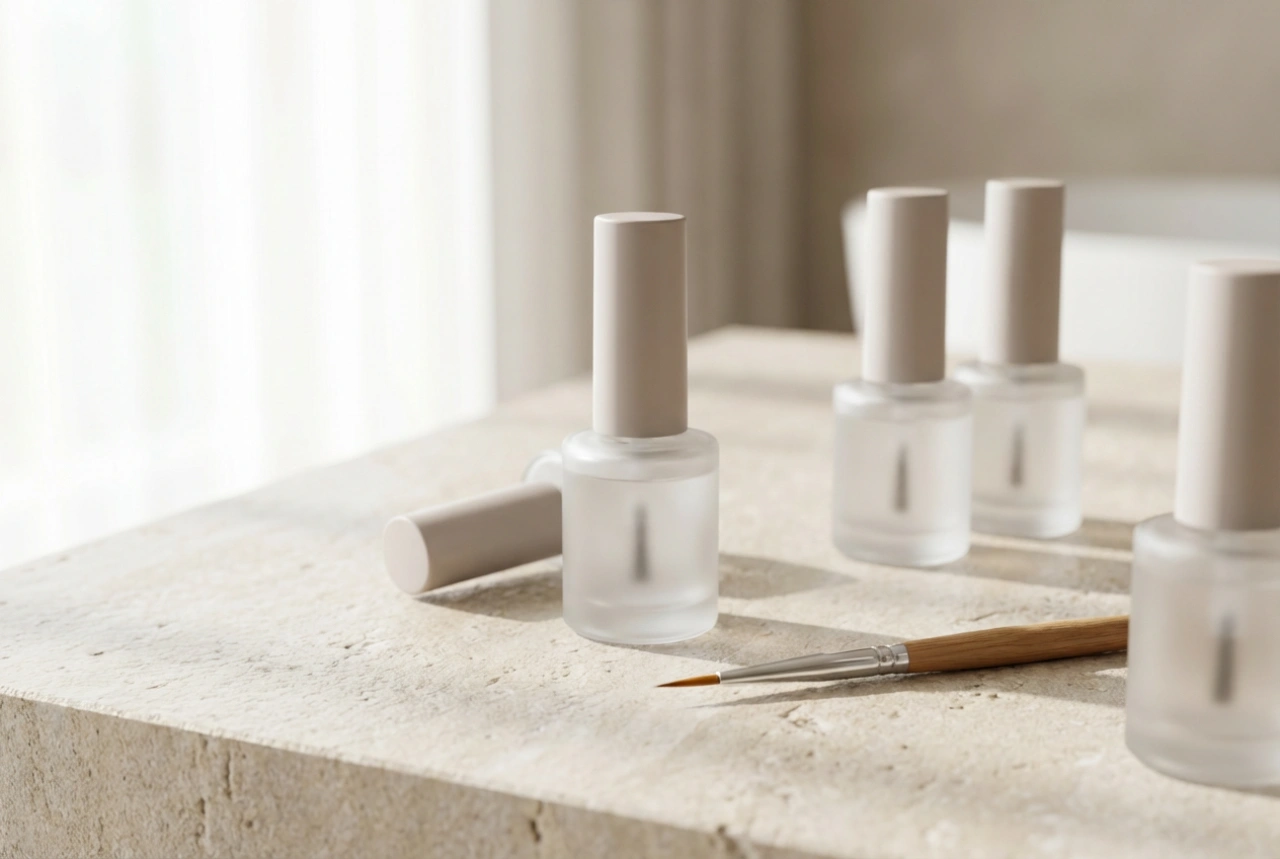
A nail conditioner is a cosmetic product formulated to enhance the appearance of your nails. Unlike a simple nail polish, its primary purpose is not colour but care. These formulas work on the surface of the nail to provide a protective barrier, deliver beneficial ingredients, and improve texture and shine. They come in various forms, from clear, paint-on liquids to rich, creamy oils. The ingredients within them determine their specific function, aiming to leave nails looking stronger, more flexible, and healthier.
Common Ingredients to Look For
When selecting a conditioner, it's helpful to understand what different ingredients do. While specific formulations vary, some common components include:
- Proteins: Ingredients like keratin or wheat protein are often found in strengthening formulas. They form a supportive layer on the nail surface, helping to reduce the appearance of splitting and peeling.
- Vitamins: Vitamins such as E and B5 (panthenol) are included for their conditioning properties. They help to moisturise the nail and cuticle area, promoting a supple and healthy look.
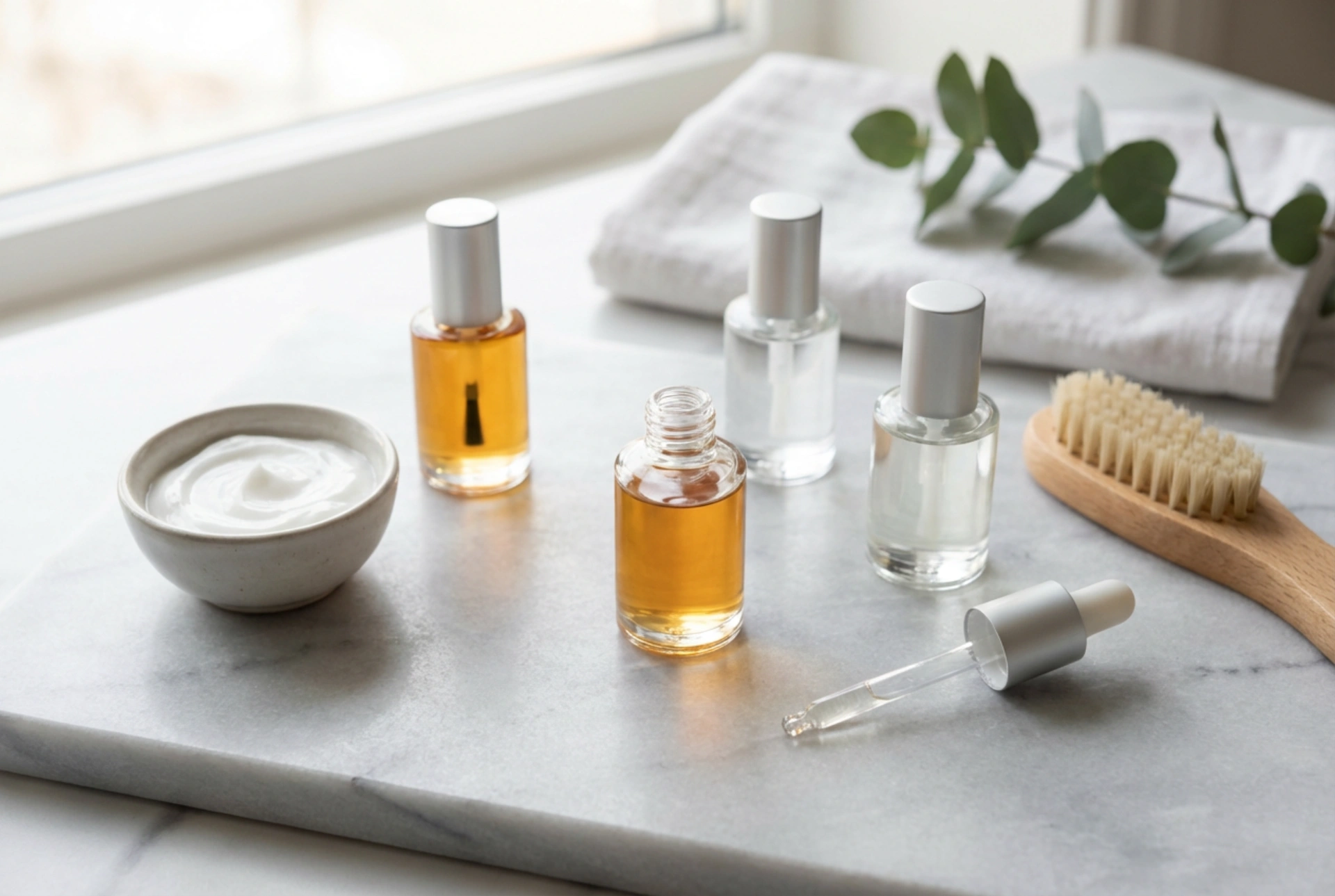
- Oils and Emollients: Natural oils like jojoba, almond, or argan oil are excellent for hydration. They help to combat dryness and brittleness, restoring a natural sheen and flexibility to the nails.
- Hardeners: Certain ingredients create a hard, protective film over the nail. These are common in formulas designed for soft, easily bent nails, providing an external shield against daily wear and tear.
How to Choose the Right Conditioner for Your Nails
The most effective conditioner is one that is matched to your specific nail needs. Take a close look at your nails to determine their main concern. Are they dry and dull, or do they bend and break easily? Identifying the primary issue will guide you to the perfect product.
For Brittle and Splitting Nails
If your nails tend to chip, peel at the edges, or split easily, you may benefit from a strengthening or protein-based conditioner. These formulas help to bond the nail layers together, creating a more resilient surface. Look for products that specifically mention reinforcing or anti-splitting properties. They work by forming a protective coating that makes the nail feel more robust.
For Dry and Dull Nails
Nails that lack lustre and feel rough to the touch are often dehydrated. An oil-based or hydrating conditioner can work wonders. These products replenish moisture, improve flexibility, and restore a healthy-looking shine. Apply them not just to the nail plate but also to the surrounding cuticles to nourish the entire area. Regular use can make nails appear more supple and less prone to breakage caused by dryness.
For Weak and Soft Nails
Soft nails that bend with the slightest pressure require a different approach. A nail hardener is the most suitable choice here. These conditioners create a rigid shield over the nail, making it feel instantly tougher. This protective layer helps prevent the nail from bending and breaking during everyday activities, allowing it to grow longer and appear stronger.
Correct Application for Best Results
To get the most out of your nail conditioner, proper application is crucial. Rushing the process or applying it incorrectly can diminish its effectiveness. Follow these simple steps for a professional-feeling home treatment:
- Start with a clean slate: Always begin with clean, dry nails. Use a gentle, non-acetone remover to take off any old polish. Wash your hands with soap and water and dry them thoroughly.
- Shape your nails: Gently file your nails into your desired shape. Always file in one direction to prevent weakening the nail structure.
- Apply a thin, even coat: Just like with nail polish, less is more. Apply a single, thin layer of the conditioner over the entire nail plate, from the cuticle to the tip. Be sure to 'cap' the free edge by swiping the brush along the very tip of the nail. This seals the layers and helps prevent chipping.
- Follow the instructions: Read the product's directions carefully. Some conditioners are meant to be used as a base coat under polish, while others are designed for daily application over several days before being removed and reapplied. Adhering to the recommended usage cycle is essential for optimal results.
- Allow to dry completely: Give the conditioner ample time to dry before you use your hands. This prevents smudging and ensures the protective barrier is fully formed.
When to Take a Break from Nail Conditioners
While conditioners are beneficial, continuous use isn't always better. Sometimes, nails need a 'holiday' to breathe and rebalance. Overuse of certain formulas, particularly strong hardeners, can sometimes lead to the opposite of the intended effect—making nails overly rigid and brittle, causing them to snap rather than bend. Pay attention to how your nails look and feel.
Signs It's Time for a Rest
Consider taking a break if you notice:
- Your nails have become extremely hard but break or shatter easily upon impact.
- Your nails are showing signs of unusual discolouration or sensitivity.
- Despite consistent use, you are no longer seeing any improvement in your nail's appearance.
A break can be as simple as going product-free for one to two weeks. During this time, focus on basic care: keep nails trimmed, gently buff them, and apply cuticle oil daily to keep the area moisturised. This rest period allows you to reassess your nail's needs before starting a new treatment cycle, perhaps with a different type of conditioner better suited to their current state.