

Giving your skin an intensive boost of moisture is one of the most effective ways to achieve a radiant, healthy-looking complexion. A hydrating face mask is a cornerstone of a well-rounded skincare routine, acting as a dedicated treatment to replenish water levels and restore suppleness. Understanding not just when to use one, but also the correct techniques for application and removal, can significantly enhance its benefits, transforming your skin from dull and tight to plump and dewy.
When Does Your Skin Need a Hydrating Mask?
Your skin often sends clear signals when it's thirsty. Recognising these signs can help you decide when it's the perfect time for a hydrating treatment. You should consider using a mask if you notice:
- A feeling of tightness, especially after cleansing.
- A dull or lacklustre appearance to your complexion.
- An increase in the visibility of fine lines and wrinkles.
- Rough or flaky patches on the surface of your skin.
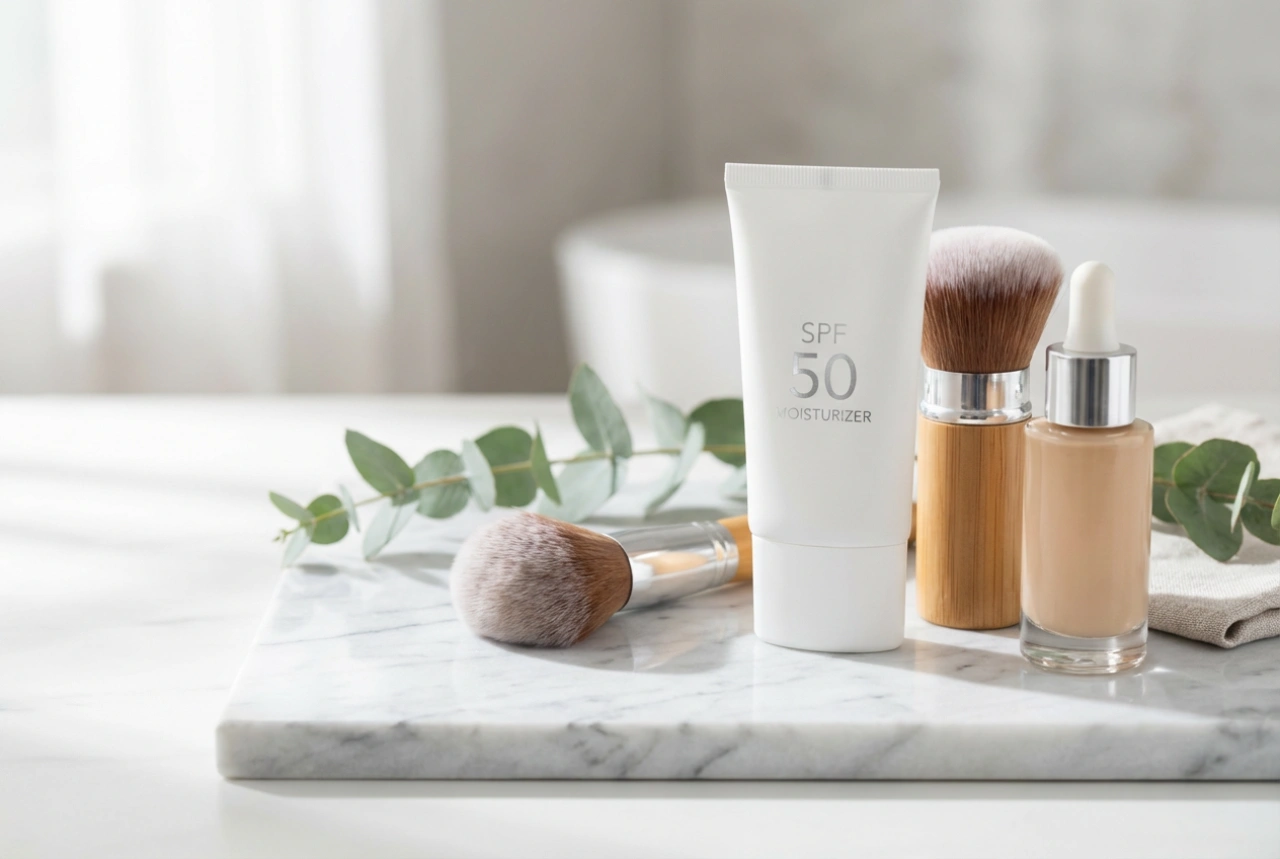
Beyond these daily indicators, certain situations call for an extra dose of hydration. It's a great idea to use a hydrating mask after exposure to dehydrating environments like long flights, air-conditioned offices, or after a day in the sun or wind. Furthermore, applying a mask the night before a special event can give your skin an instant glow, creating a smooth canvas for makeup.
Preparing Your Skin: Pre-Mask Essentials
To get the most out of your hydrating mask, you must apply it to a properly prepared face. Think of it as creating a clean canvas that is ready to absorb all the beneficial ingredients. Following these steps will ensure maximum effectiveness.
Step 1: Thorough Cleansing
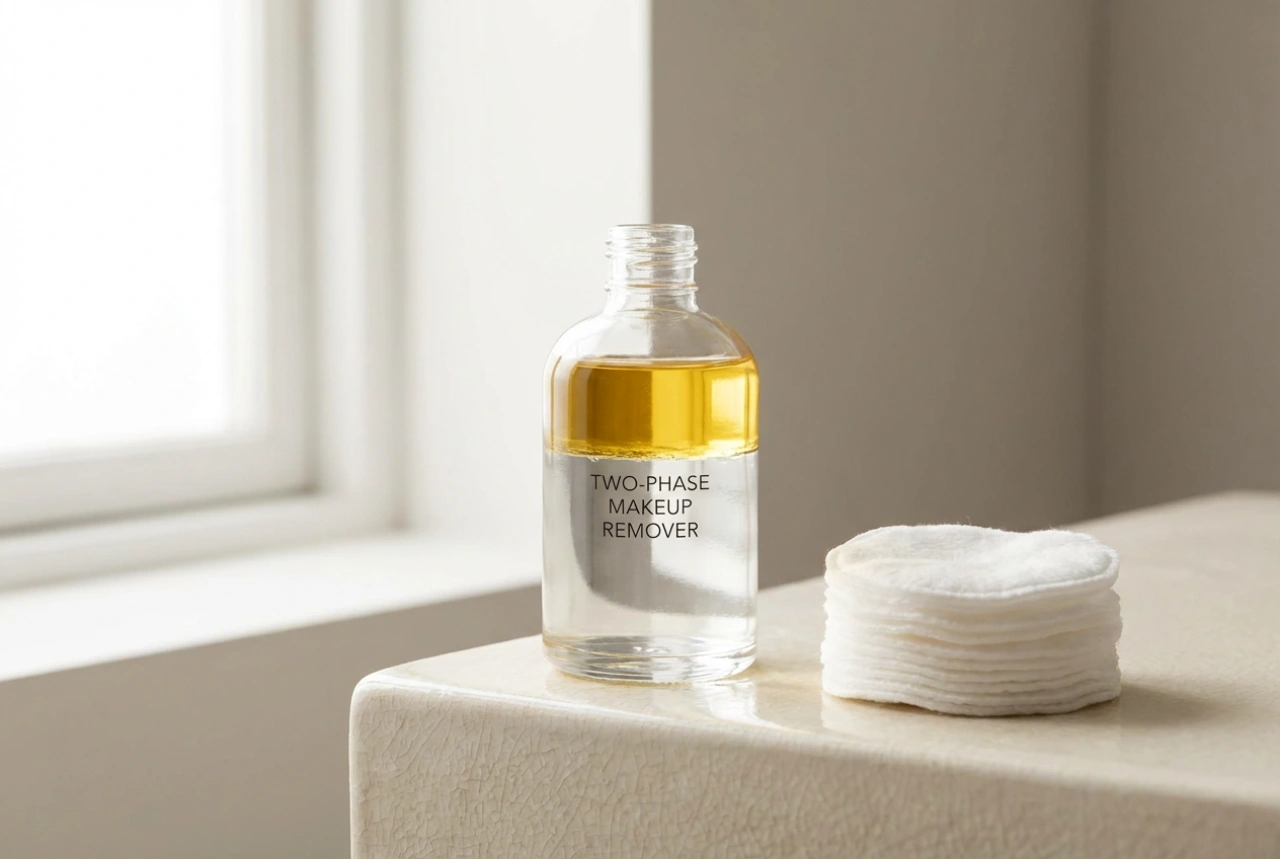
Always start with a completely clean face. Use your favourite gentle cleanser to remove all traces of makeup, dirt, and excess oil. Massaging the cleanser into your skin and rinsing with lukewarm water will ensure your pores are clear and ready for the next step. Pat your skin dry with a soft, clean towel.
Step 2: Gentle Exfoliation (Optional)
For an even deeper treatment, you can gently exfoliate your skin before applying the mask. This helps to slough away dead skin cells that can prevent the mask's ingredients from penetrating effectively. Use a mild chemical or physical exfoliant, being careful not to scrub too hard, as this can cause irritation. If you have sensitive skin, you may prefer to skip this step.
Step 3: Apply a Toner
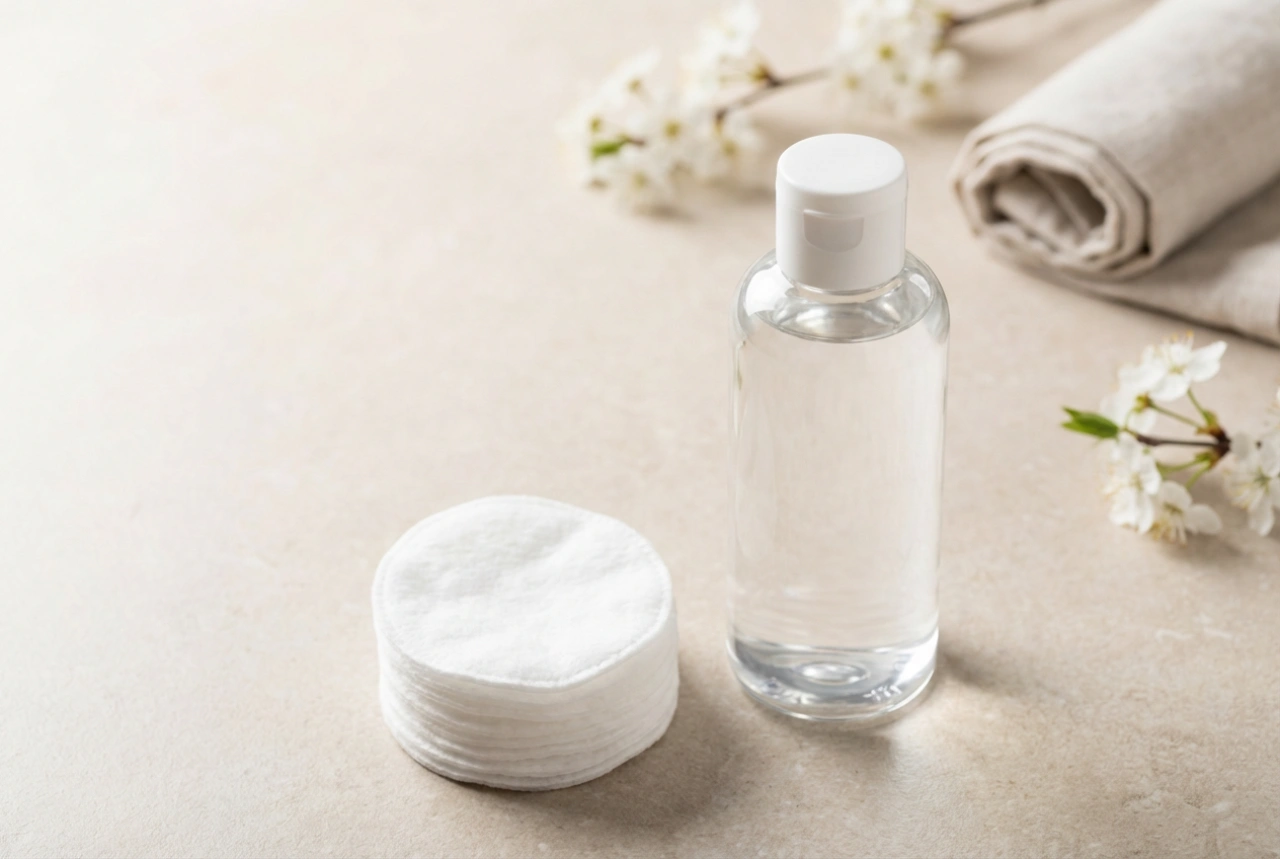
After cleansing and exfoliating, applying a hydrating toner can help to balance your skin's pH levels and add an initial layer of moisture. This prepares the skin to more readily accept the rich ingredients of the mask that follows.
The Correct Application Technique
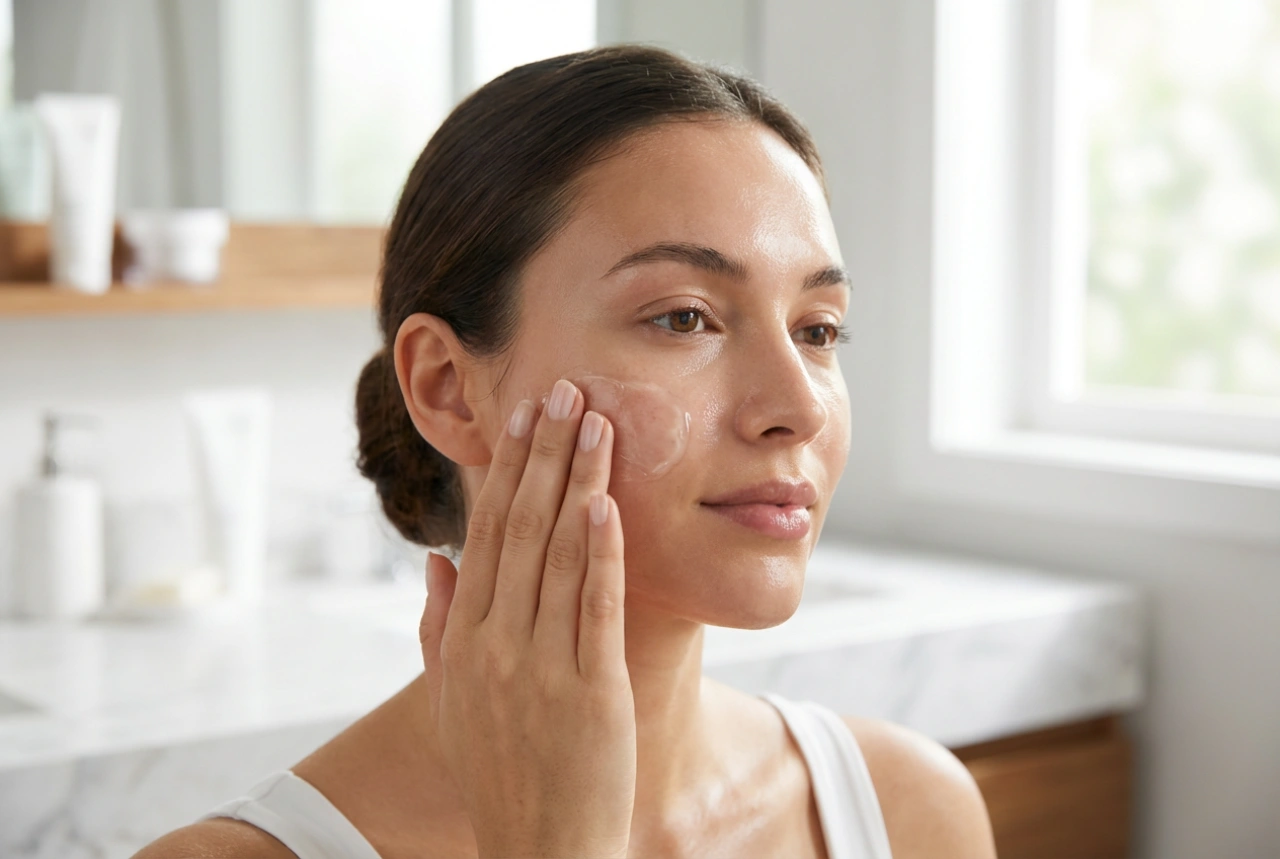
Applying a face mask should be a relaxing ritual. Whether you use your fingertips or a dedicated mask brush, the goal is to apply an even, generous layer over your entire face. Be sure to avoid the delicate areas around your eyes and mouth. Don't forget to extend the application down to your neck and décolletage, as these areas are also prone to dehydration and signs of ageing. Once applied, it's time to relax. Most hydrating masks require about 10-20 minutes to work their magic, but always check the specific instructions on the product packaging.
Removal and Post-Mask Care
How you remove the mask is just as important as how you apply it. Proper removal and follow-up care will lock in the moisture and leave your skin feeling soft and refreshed.
Removing the Mask
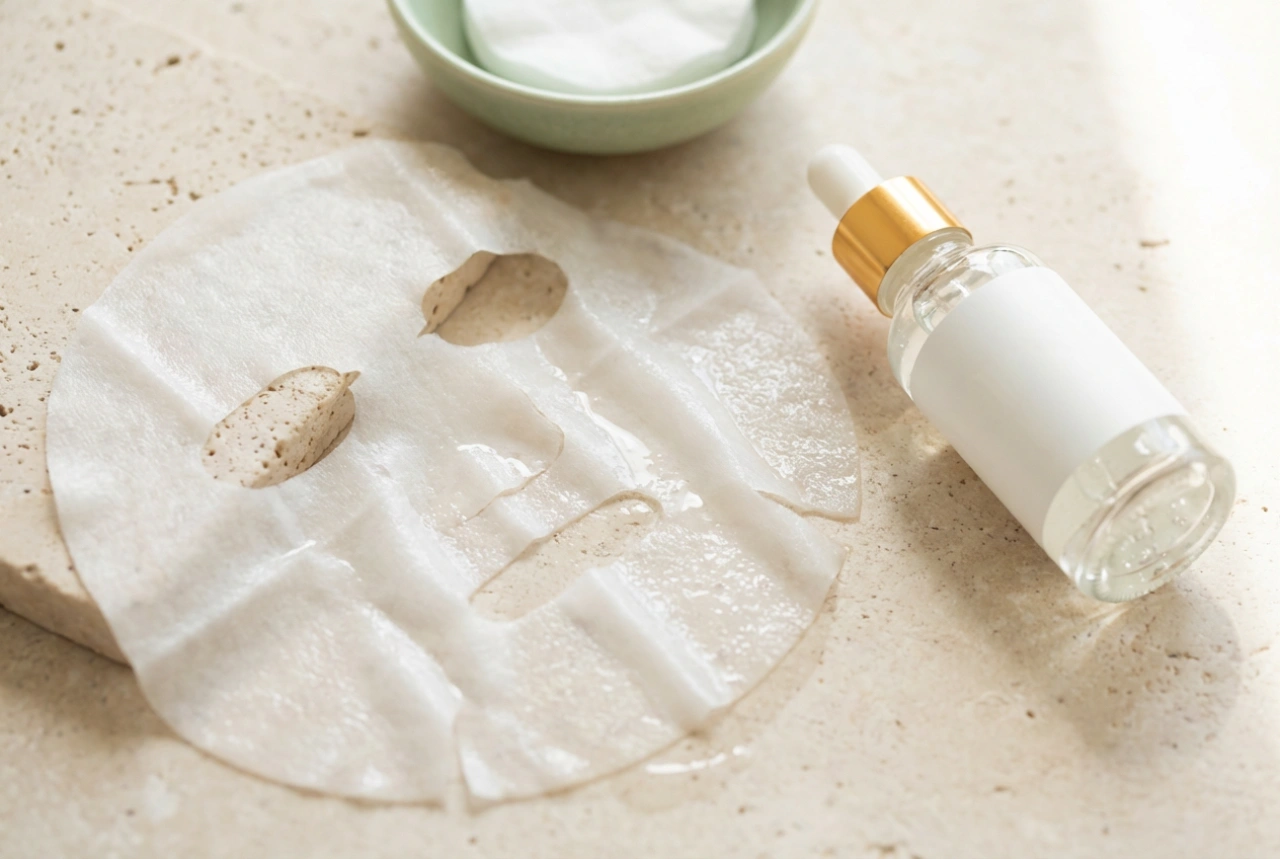
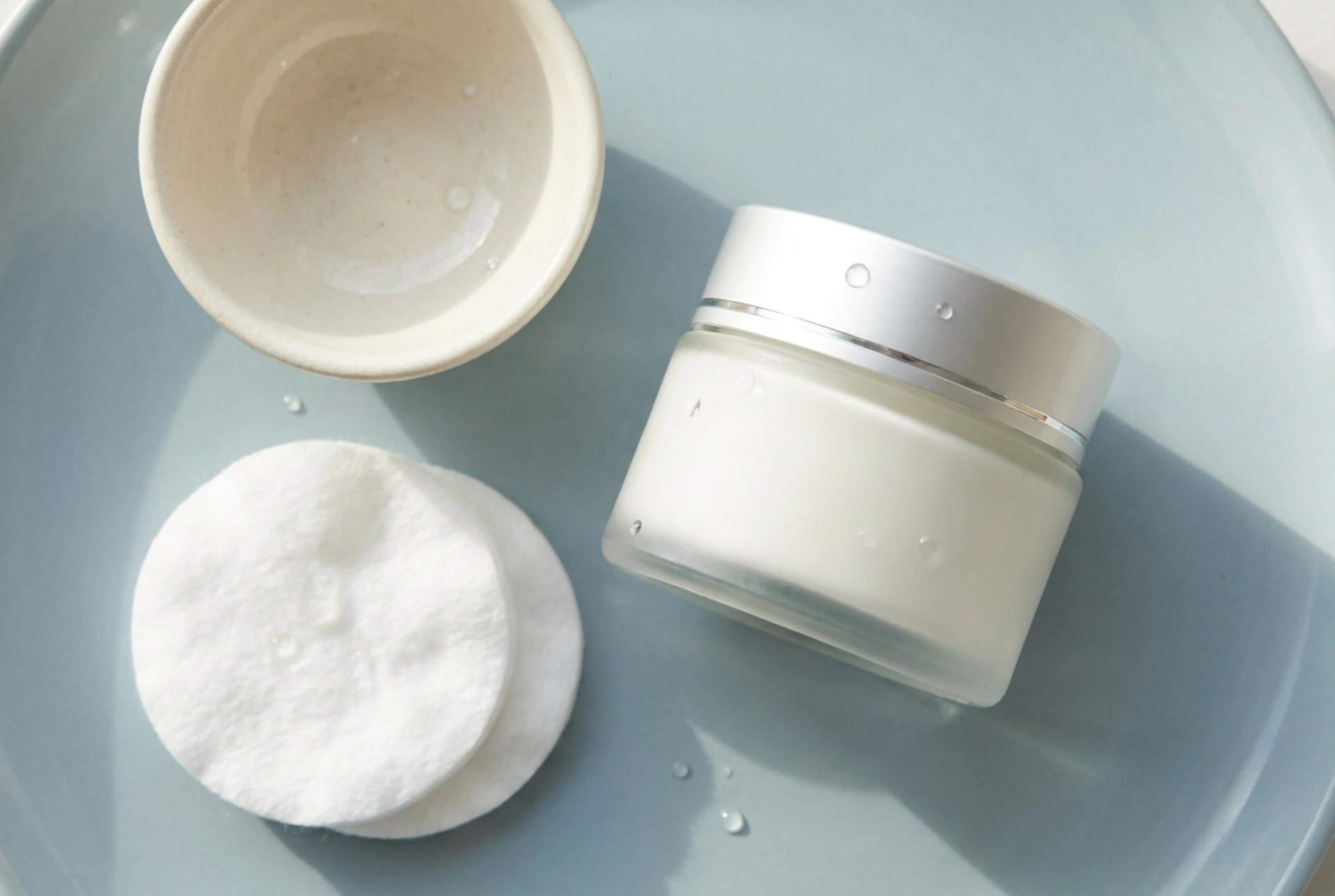
For cream or gel-based masks, moisten a soft flannel or cotton pads with lukewarm water and gently wipe the mask away. Avoid using hot water, which can strip the skin, and refrain from rubbing aggressively. If you've used a sheet mask, simply peel it off from the edges and discard it.
Post-Removal Steps
After removing the mask, you will likely have some residue left on your skin. This is a concentrated serum packed with beneficial ingredients, so don't wash it off. Instead, gently pat and massage the excess product into your skin until it is fully absorbed. This ensures you receive the maximum hydrating benefit.
Sealing in the Goodness
The final and crucial step is to lock in all that newly-added hydration. Follow up immediately with your regular skincare routine. Apply your favourite serum and finish with a good-quality moisturiser. This creates a protective barrier on the skin, preventing water loss and keeping your complexion plump, smooth, and radiant for longer.