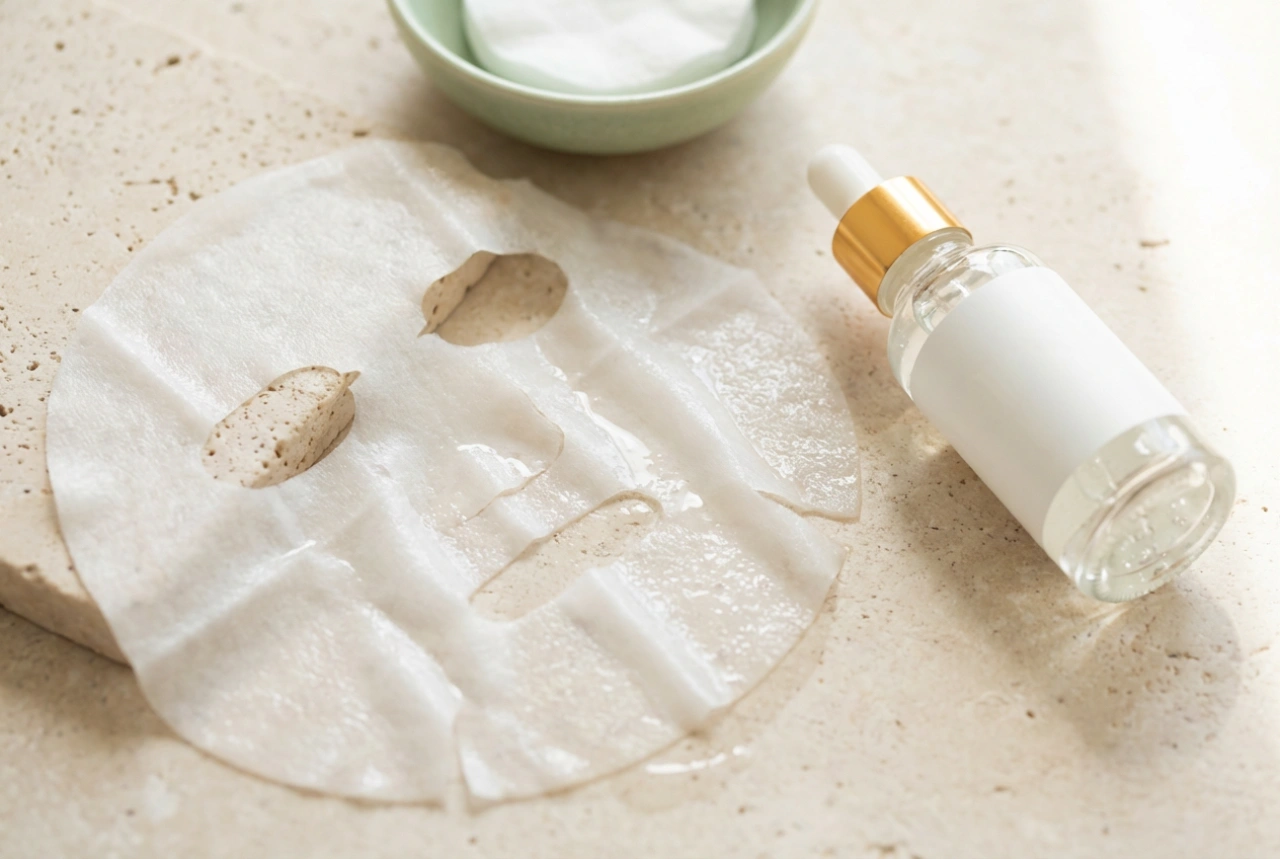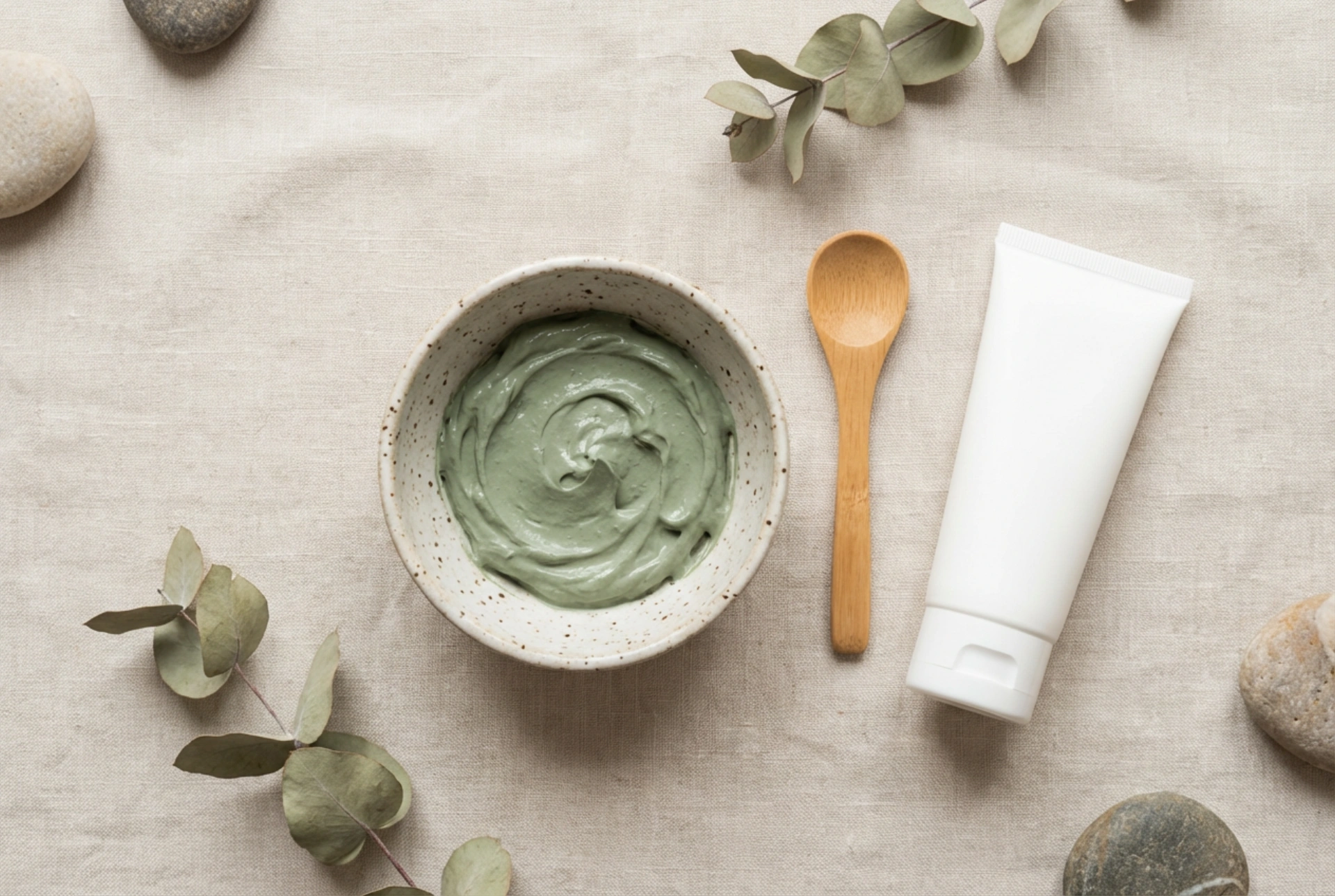


Green clay is a true classic in home skincare, valued for its excellent purifying and balancing properties. Preparing a mask from this natural ingredient, as suggested by the image of a freshly mixed paste, is a simple ritual that can bring many benefits to your complexion. However, to fully leverage its potential without causing skin dryness, it's crucial to follow a few key rules regarding its preparation, application, and the essential aftercare.
How to Prepare a Green Clay Mask Correctly?
The effectiveness of a green clay mask begins with its preparation. The way you mix it determines its consistency and properties. Paying attention to details will ensure you create a high-quality cosmetic that is both effective and gentle on the skin.
Choosing the Right Ingredients
For mixing the clay, it's best to use demineralised, distilled, or boiled and cooled water. An even better option is to use a floral water (hydrolat), such as rose or witch hazel, which will add extra nourishing properties to your mask. It is important not to use metal bowls or spoons when preparing the mask, as the clay can react with the metal, potentially weakening its properties. Opt for ceramic, glass, or wooden utensils instead.
Ideal Proportions for a Perfect Consistency
The key to the right texture is the proportion of clay to liquid. A good starting point is a 1:1 ratio, for example, one teaspoon of clay to one teaspoon of liquid. Gradually add the liquid to the clay, stirring constantly until you achieve a smooth, thick paste. The consistency should be similar to that of yoghurt – easy to spread but not so runny that it drips off your face. If the mixture is too thick, add a little more liquid; if it's too thin, add a pinch more clay.
Application and Optimal Holding Time
Once your mask is ready, the next step is to apply it correctly and know how long to keep it on your skin. This is perhaps the most critical stage, where many common mistakes are made, which can lead to skin irritation and dehydration instead of the desired improvement.
Applying the Mask Evenly
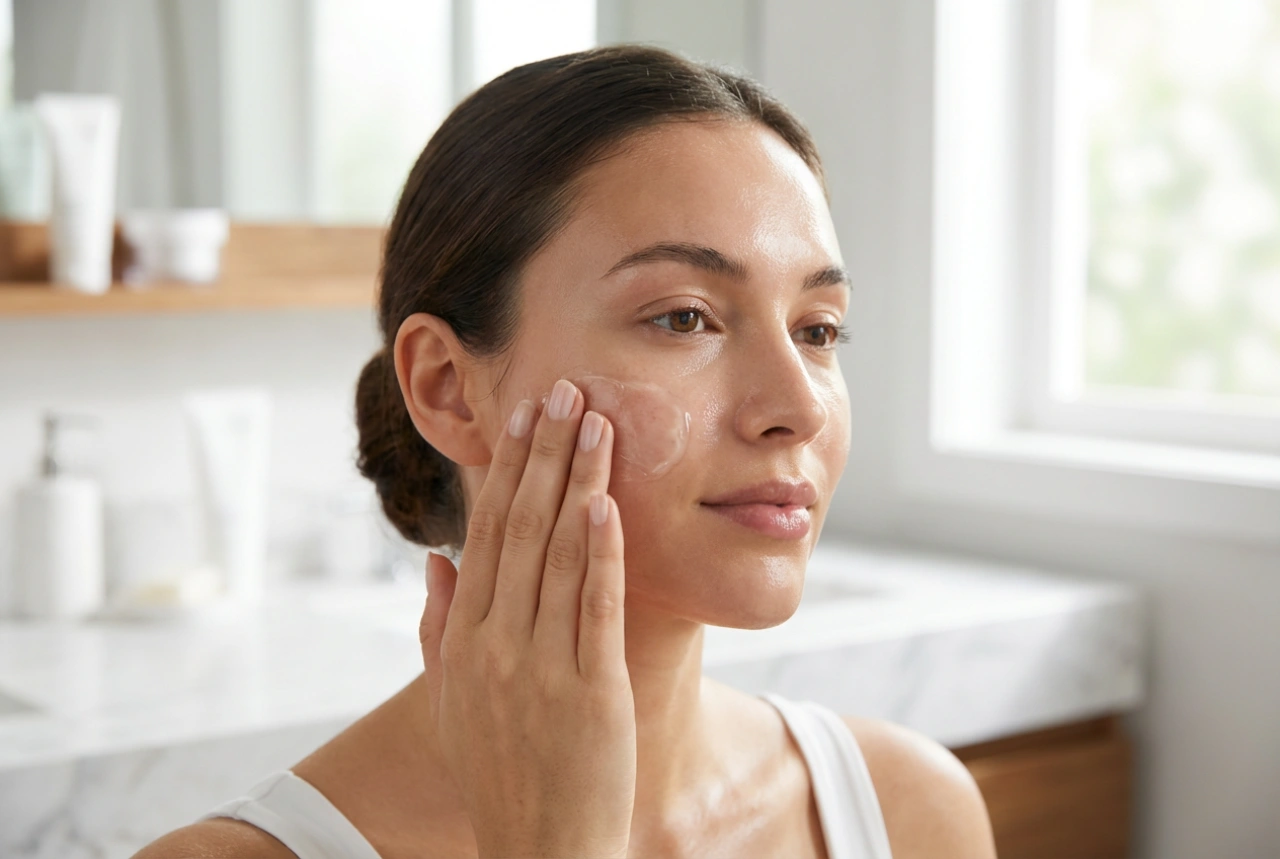
Apply the mask to a cleansed and dry face, using your fingers or a soft brush. Spread an even, relatively thick layer over the entire face, avoiding the delicate skin around the eyes and mouth. A thicker layer will prevent the mask from drying out too quickly.
How Long Should You Keep the Mask On?
This is a crucial point: a green clay mask should never be allowed to dry completely on your skin. When the clay dries and starts to crack, it begins to draw moisture not just from the surface but also from the deeper layers of the epidermis, which can lead to significant dehydration and irritation. The optimal time to keep the mask on is about 10-15 minutes. During this time, the mask should remain slightly damp. If you notice it starting to dry out, you can gently spritz your face with thermal water or a hydrolat to keep it moist.
The Crucial Step: Hydration After the Mask
Removing the mask is not the end of the ritual. The step that follows is just as important for maintaining a healthy and balanced complexion. Proper hydration after using clay will ensure your skin remains calm, soft, and comfortable.
Why is Moisturising So Important?
Green clay has strong absorbent properties. While it excellently draws out excess sebum and impurities from the pores, it can also strip the skin of its natural protective lipid layer. Skipping moisturisation after rinsing off the mask can send a signal to your skin that it needs to produce more sebum to compensate for the dryness, leading to a counterproductive effect. Replenishing moisture helps to restore balance and lock in the benefits of the mask.
What to Apply After Rinsing?
After gently washing the mask off with lukewarm water, pat your skin dry with a soft towel. Then, proceed with your standard hydrating routine. Consider using the following products in sequence for the best effect:
- A gentle, alcohol-free toner or hydrolat to restore the skin's correct pH.
- A hydrating serum, for example, with hyaluronic acid, which will help to bind water in the epidermis.
- A moisturising cream suited to your skin type to form a protective layer and prevent moisture loss.
By following these steps, you can be sure that you are making the most of the beneficial properties of green clay. Proper preparation, controlled application time, and thorough post-treatment hydration are the keys to achieving clean, matte, and healthy-looking skin without the risk of dryness or irritation.