

The pursuit of a flawless, long-lasting manicure often begins with meticulous preparation of the nail plate, and clean, tidy cuticles are a key component of this process. Using an electric nail drill, or e-file, for cuticle work can elevate your at-home manicure to a professional standard, offering precision and a remarkably clean finish. However, this advanced technique requires knowledge, care, and a steady hand to ensure the health and safety of your nails and skin. This guide will walk you through the correct technique for using an e-file on your cuticles, focusing on safety and achieving beautiful results.
Preparation: The Foundation of a Safe Manicure
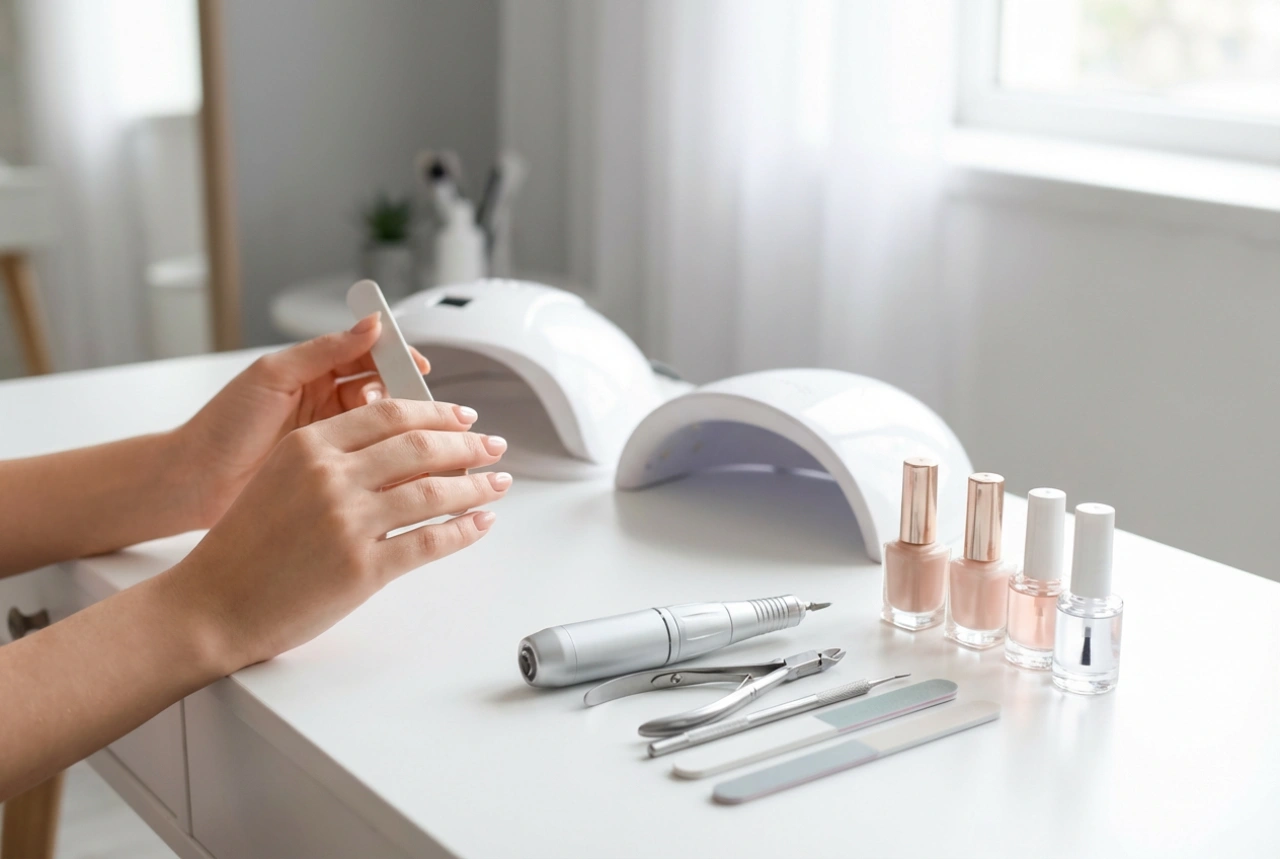
Before you even turn on the e-file, proper preparation is essential. Rushing this stage can lead to an uneven finish or, worse, damage to the nail or surrounding skin. Start by creating a clean and organised workspace. You will need your e-file, a selection of appropriate bits, a soft brush for dusting, and a towel to protect your surface.
Preparing Your Nails
Ensure your hands and nails are clean and completely dry. E-file work should only ever be performed on dry skin, as moisture can cause the bit to grab or tear the skin. Begin by gently pushing back the cuticle area with a wooden stick or a metal pusher. The goal is to softly detach the non-living tissue that has grown out onto the nail plate. Do not force this; if the tissue is resistant, it may need more gentle encouragement or may be living tissue that should be left alone.
Choosing the Right E-File Bits for Cuticle Work
The success of your e-file manicure hinges on using the correct bits. Cuticle bits are specifically designed for delicate work and are very different from the larger, more abrasive bits used for shaping or removing product. They typically come in fine grits and various shapes.
- Flame Bit: A small, tapered bit that is perfect for getting into the side walls and lifting the cuticle from the nail plate. Its pointed tip allows for precise work around the eponychium.
- Ball Bit: A small, round bit used after the cuticle has been lifted. It's designed to gently buff away the lifted, dry skin without touching the nail plate. It is excellent for polishing the skin of the lateral folds.
- Needle or Cone Bit: A very fine, pointed bit used for precision cleaning of the lateral nail folds and lifting stubborn areas of the cuticle. This should be used with extreme care due to its sharp point.
When selecting bits, look for those made from diamond or carbide, as they offer durability and precision. Always start with the finest grit available until you are comfortable and familiar with the technique.
Step-by-Step E-File Cuticle Removal Technique
With your nails prepared and the correct bit selected, you are ready to begin. Always start with your e-file on its lowest speed setting (typically between 5,000 and 10,000 RPM) and only increase it slightly if necessary as you gain confidence. Higher speeds increase the risk of heat friction and damage.
Step 1: Lifting the Eponychium
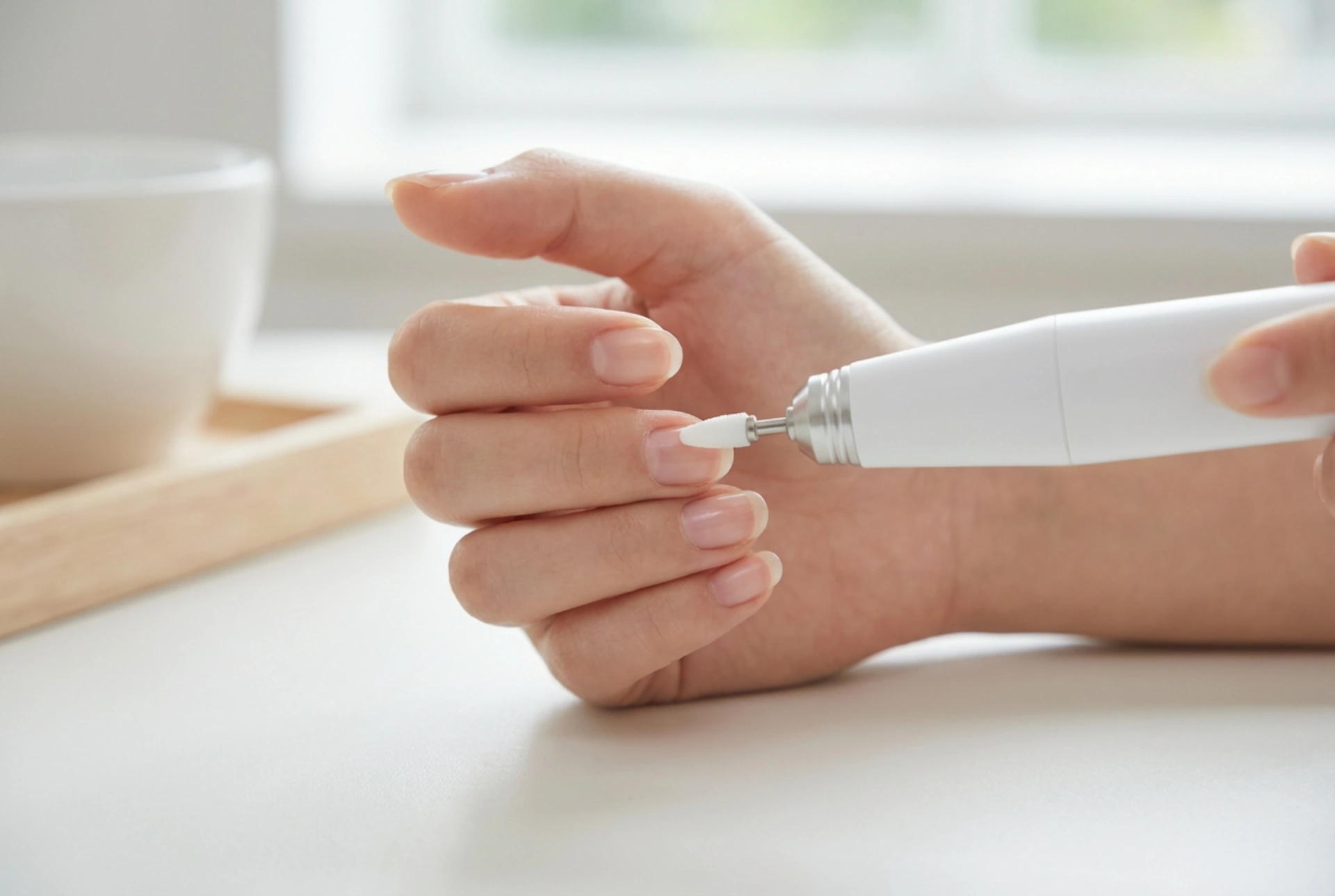
Insert a fine-grit flame or needle bit into your e-file. Holding the handpiece like a pen for maximum control, gently place the side of the bit against the nail where the skin meets the plate. With the e-file on a low speed, glide the bit along the cuticle line from one side to the centre, and then from the other side to the centre. The motion should be light and continuous, with the bit held almost parallel to the nail plate. This action will lift the non-living tissue (the eponychium) away from the nail, creating a small pocket.
Step 2: Removing the Lifted Tissue
Switch to a small ball bit. This bit is used to exfoliate the dry, white, lifted skin. Using gentle, sweeping motions, buff away the dead skin in the cuticle area and along the side walls. Be careful not to apply pressure or touch the nail plate. The goal is to remove only the flaky, non-living tissue you have just lifted. Keep the bit constantly moving to avoid heat buildup and skin irritation. Use a soft brush to frequently dust away debris so you can clearly see your work area.
Step 3: Finishing and Polishing
For an extra-smooth finish, you can use a silicone or soft buffer bit to gently polish the skin around the nail. This step helps to smooth any remaining rough patches and leaves the cuticle area looking neat and tidy. Again, use a very low speed and feather-light touch.
Essential Safety Rules for E-File Use
Safety is paramount when using an e-file, especially in the delicate cuticle area. Adhering to these rules will help prevent injury and damage to your natural nails.
- Work on Dry Skin Only: Never use an e-file on wet or damp nails or skin.
- Low Speed is Key: High speeds generate heat and reduce control. Always start low.
- No Pressure: Let the bit's rotation do the work. Applying pressure can cause rings of fire (dents in the nail plate) and skin abrasions.
- Keep it Moving: Never hold the bit stationary on one spot. This can quickly cause a painful heat spike and burn the skin or nail.
- Know Your Anatomy: Only work on the non-living eponychium and pterygium (the flaky skin on the nail plate). Avoid the living tissue of the proximal nail fold (the true cuticle) and the nail plate itself.
- Clean Your Tools: Disinfect your bits before and after every use to maintain hygiene.
Aftercare for Healthy, Hydrated Cuticles
Once you have finished your e-file work, proper aftercare is crucial for maintaining the health and appearance of your nails. Brush away all dust, then wash your hands with a gentle soap. While your hands are still slightly damp, apply a generous amount of cuticle oil to the entire area around each nail. Massage it in thoroughly to rehydrate the skin and promote healthy nail growth. Follow up with a good quality hand cream. Regular hydration is the best way to keep cuticles soft and prevent them from becoming dry, overgrown, and prone to splitting.