

Incorporating a face mask into your skincare regimen is more than just a step; it's a ritual that offers a moment of calm while delivering a concentrated dose of beneficial ingredients to your skin. Whether presented as a smooth cream in a pot, a delicate sheet, or a gel, masks are designed to address specific skin needs and enhance your overall complexion. Understanding the different types and how to use them correctly is key to unlocking their full potential and achieving that sought-after radiant glow.
Exploring the Different Types of Face Masks
The world of face masks is vast, with each type offering unique benefits. Choosing the right one depends on your skin type and the results you wish to achieve.
Clay and Mud Masks
Ideal for normal to oily skin types, clay and mud masks are champions of purification. They work by drawing out impurities, excess sebum, and debris from the pores. Ingredients like bentonite and kaolin clay help to clarify the skin, leaving it feeling clean and balanced. They are excellent for a deep cleanse, helping to refine the appearance of pores and reduce shine.
Cream Masks
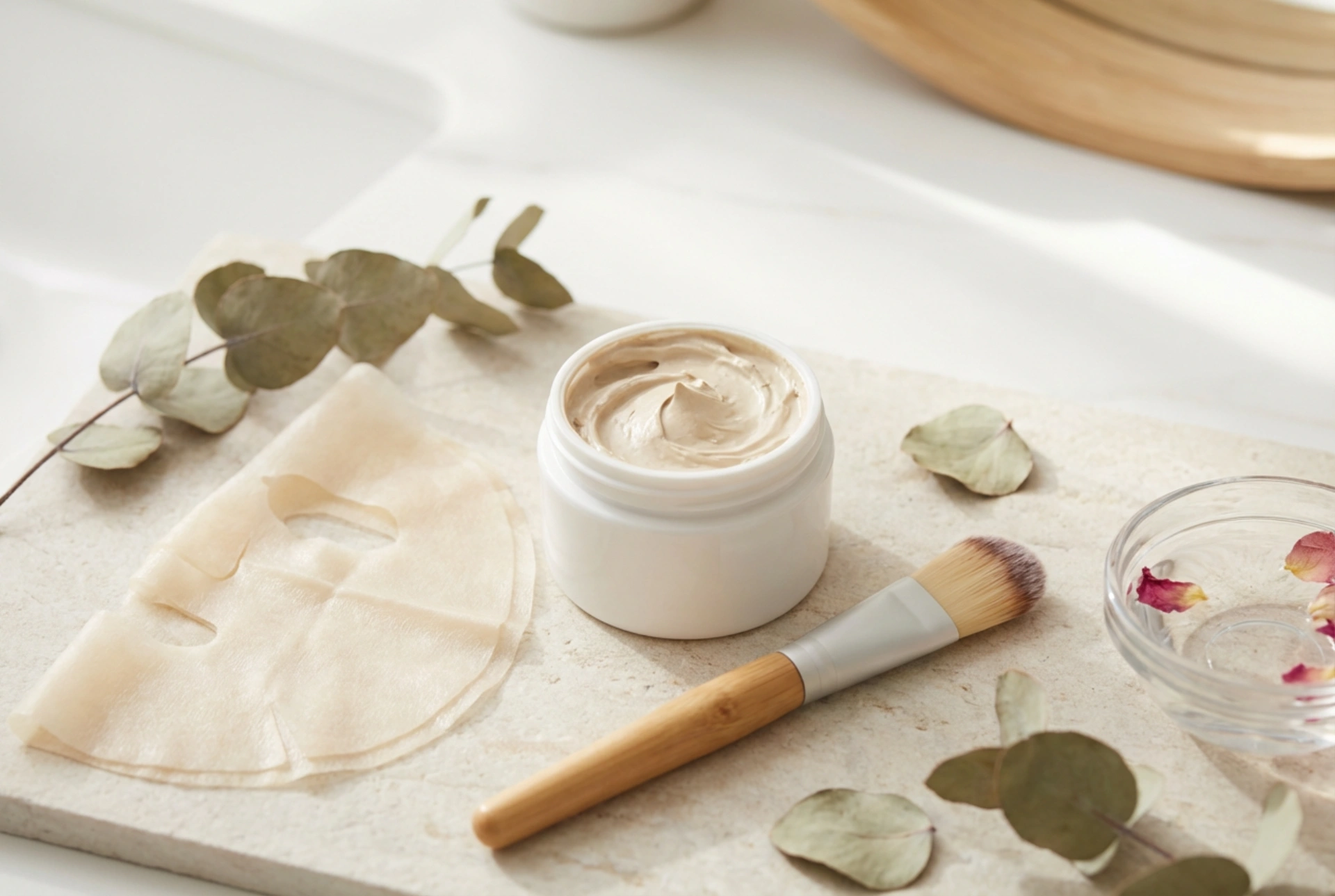
If your skin feels dry, tight, or is showing signs of maturity, a cream mask can provide much-needed comfort and nourishment. These masks have a rich, luscious texture and are packed with moisturising ingredients, oils, and emollients. They work to replenish hydration, soften the skin, and support its natural barrier, leaving it feeling supple and smooth.
Gel Masks
Lightweight and often translucent, gel masks are suitable for almost all skin types, including sensitive and combination skin. Their primary function is to hydrate and calm the skin. Many contain ingredients like cucumber, aloe vera, or green tea, which provide a cooling sensation that can help soothe redness and irritation. They deliver a refreshing burst of moisture without feeling heavy or occlusive.
Sheet Masks
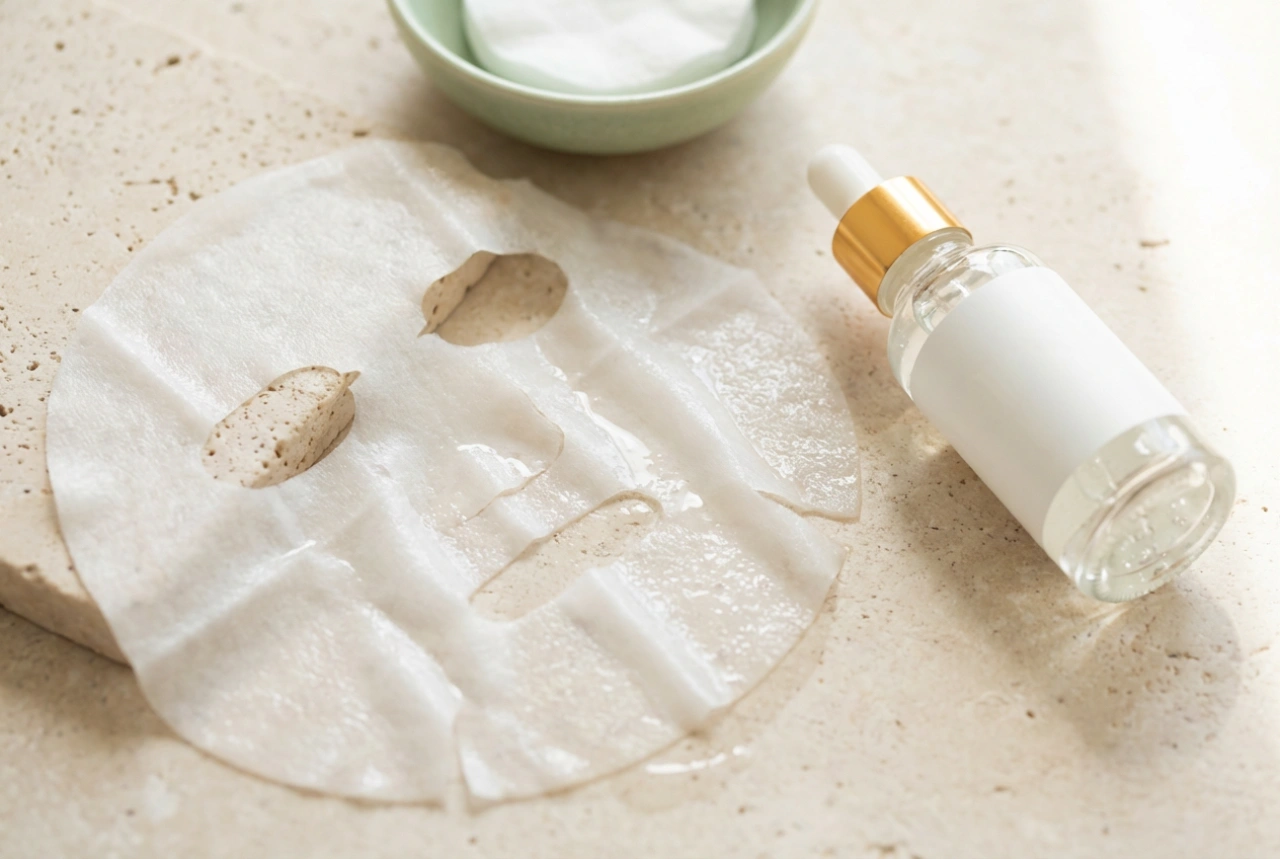
Originating from Korean skincare, sheet masks are single-use fabric or hydrogel sheets saturated in a nutrient-rich serum. They are incredibly convenient and effective at delivering a potent dose of ingredients directly to the skin. By creating a barrier, they prevent the serum from evaporating quickly, allowing for deeper penetration. They are available for a wide range of concerns, from brightening to intense hydration.
Peel-Off Masks
Peel-off masks offer a satisfying experience along with skincare benefits. They are applied as a gel or paste that dries into a film, which can then be gently peeled off. This action helps to lift away dead skin cells, fine hairs, and surface-level impurities. Some are formulated with charcoal for purification, while others contain antioxidants to help brighten the complexion.
How to Correctly Incorporate a Face Mask into Your Skincare Routine
To get the most out of your mask, it’s important to apply it at the right stage of your routine. A mask should generally be used after cleansing and toning, but before applying your heavier serums and moisturisers. This ensures your skin is clean and prepped to absorb the mask's ingredients effectively.
- Step 1: Cleanse. Start with a clean canvas by washing your face with a gentle cleanser to remove makeup, dirt, and oil.
- Step 2: Tone (Optional). Applying a toner can help to balance the skin's pH and prepare it for the mask.
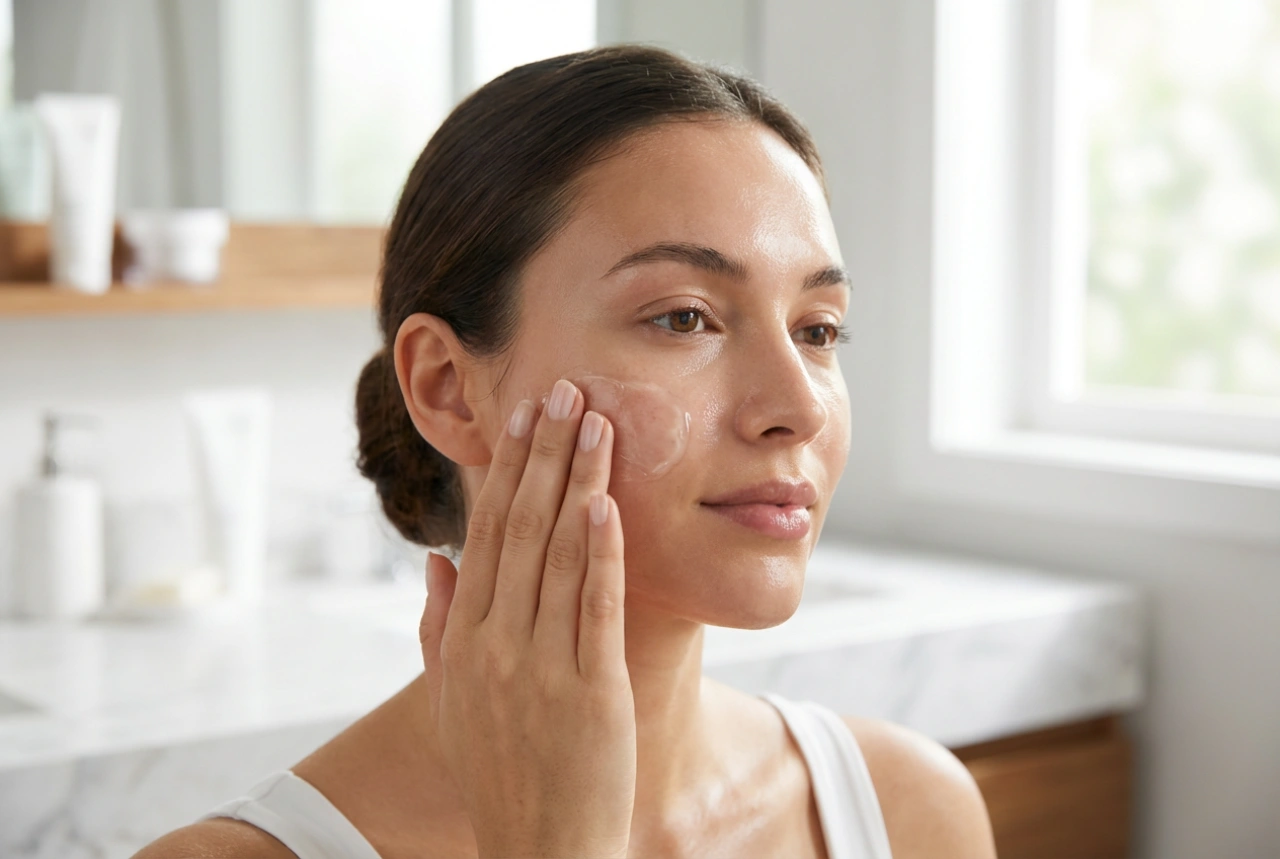
- Step 3: Apply the Mask. Use clean fingers or a dedicated brush to apply an even layer of your chosen mask, avoiding the delicate eye and mouth areas.
- Step 4: Remove the Mask. Follow the product's instructions for removal—some are rinsed off, while others are peeled or tissued off.
- Step 5: Follow with your Routine. After removing the mask, continue with your usual serum, eye cream, and moisturiser to lock in the benefits.
Application Time: How Long is Long Enough?
The golden rule is to always read and follow the instructions on the product's packaging. Leaving a mask on for too long—or not long enough—can be counterproductive. However, here are some general guidelines:
- Clay Masks: Typically 10-15 minutes. You should remove it when it's mostly dry but still slightly tacky. Allowing it to dry completely and crack can strip the skin of its natural moisture.
- Sheet Masks: Usually 15-20 minutes. Don't let the sheet dry out completely on your face, as it can start to pull moisture back from the skin. After removing, gently pat the remaining essence into your skin.
- Cream and Gel Masks: Around 10-20 minutes. Some hydrating cream or gel masks are designed to be worn overnight for an intensive treatment.
- Peel-Off Masks: Wait until the mask is completely dry to the touch, which usually takes 15-20 minutes. This ensures it will peel off in a single, satisfying layer.
By understanding the different types of masks and how to use them, you can elevate your skincare routine from a simple task to a pampering ritual. Regular masking, perhaps one to three times a week, can provide targeted support for your skin, helping you maintain a healthy, balanced, and radiant complexion.