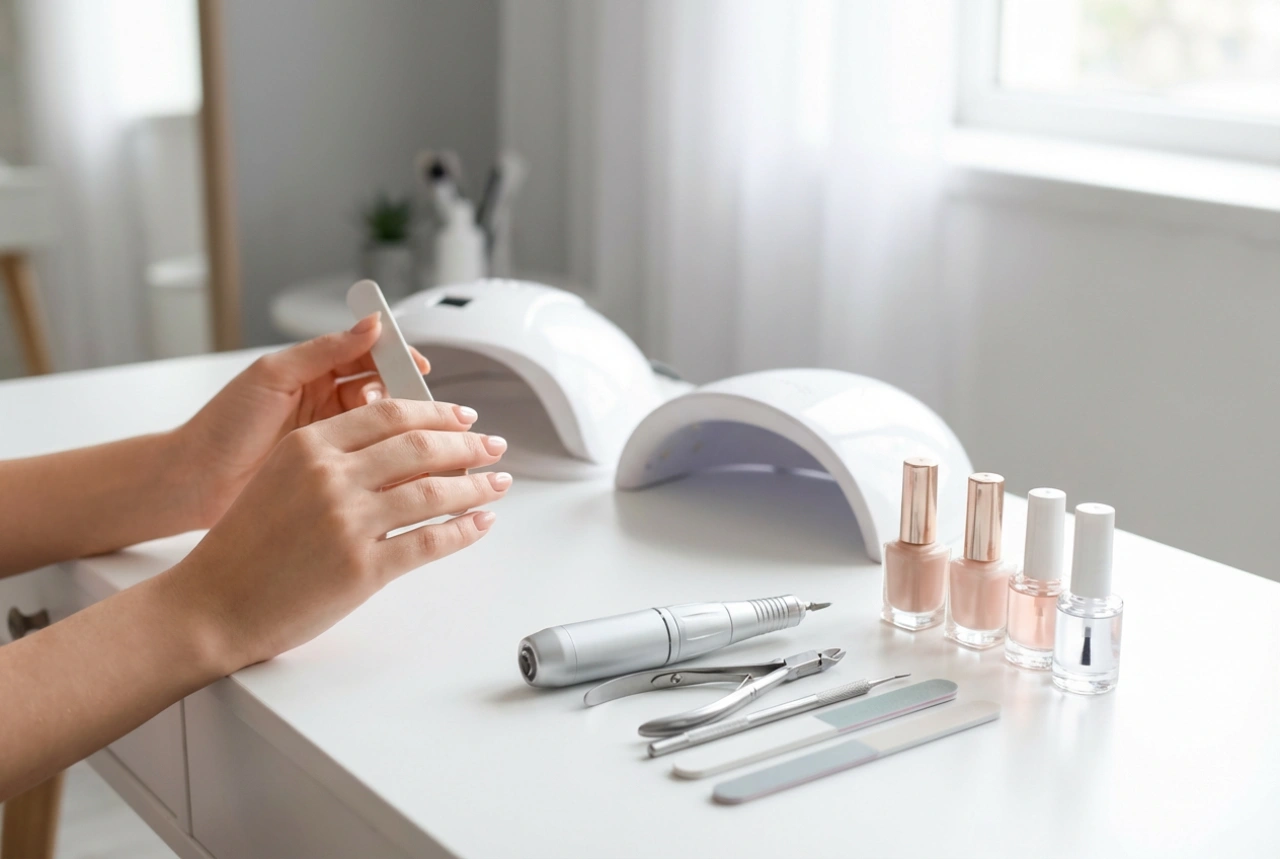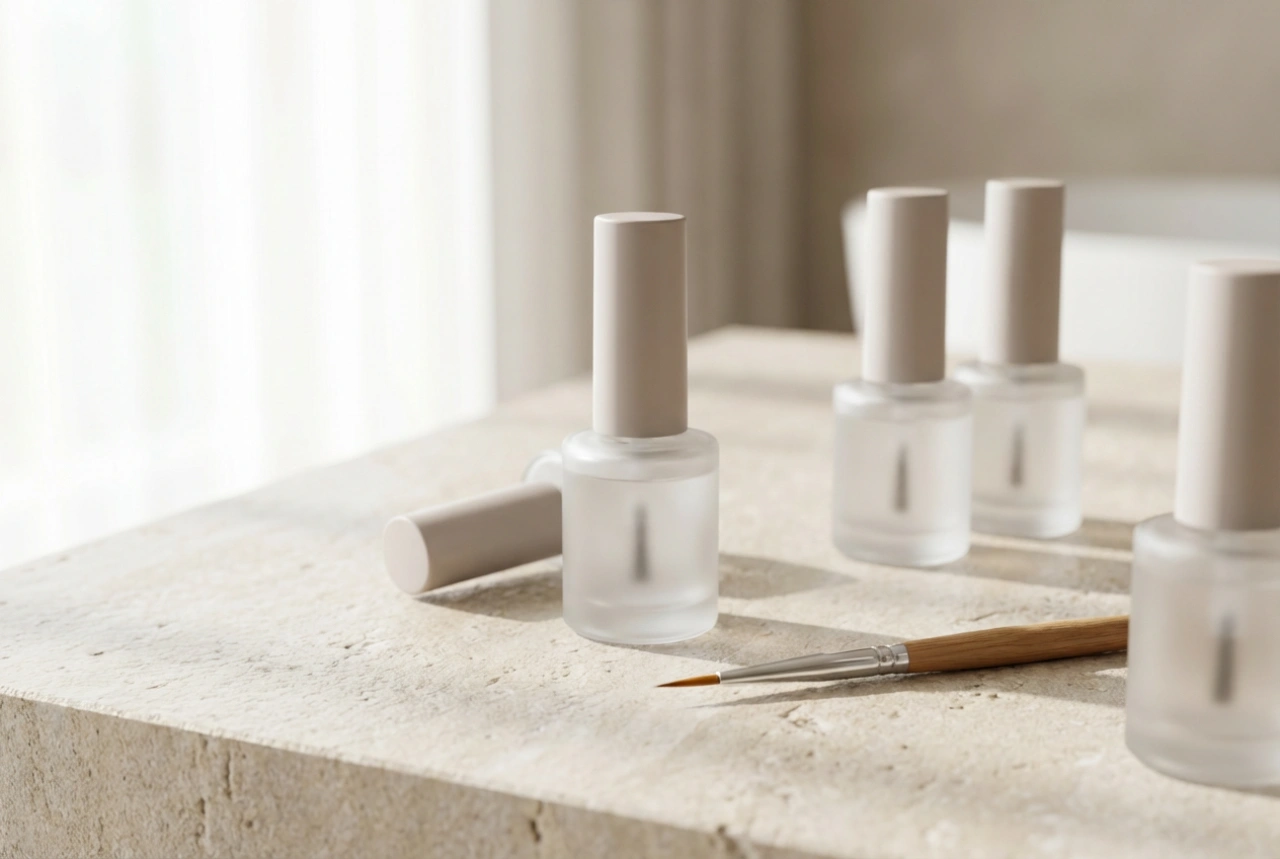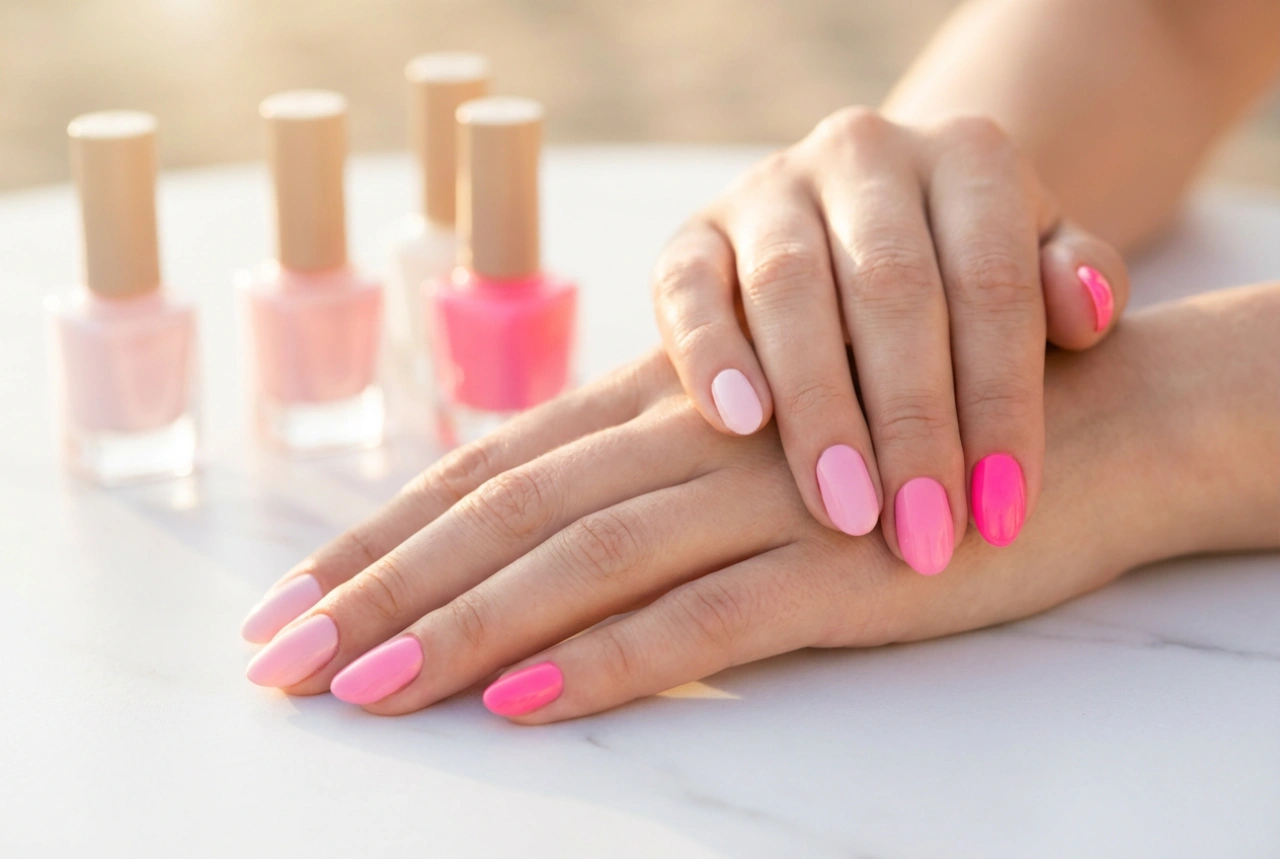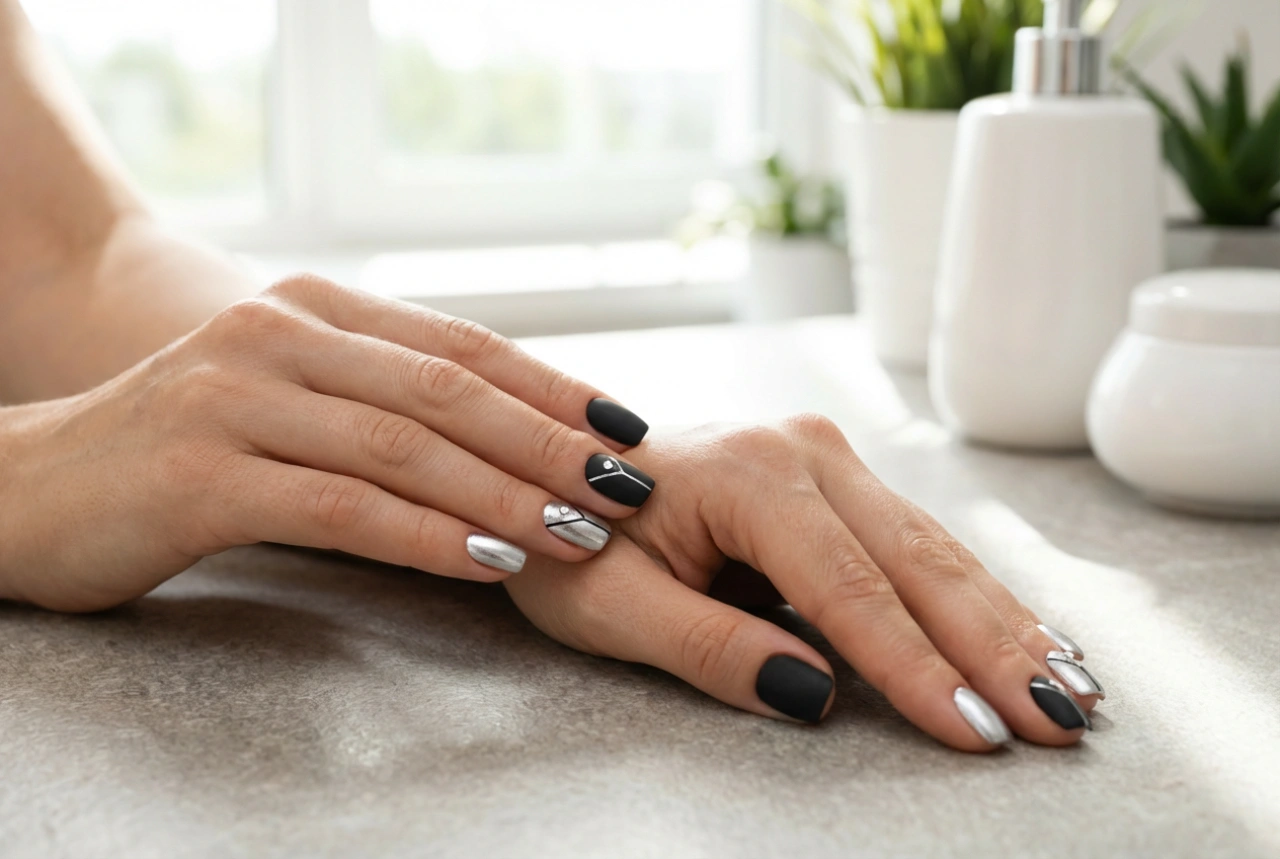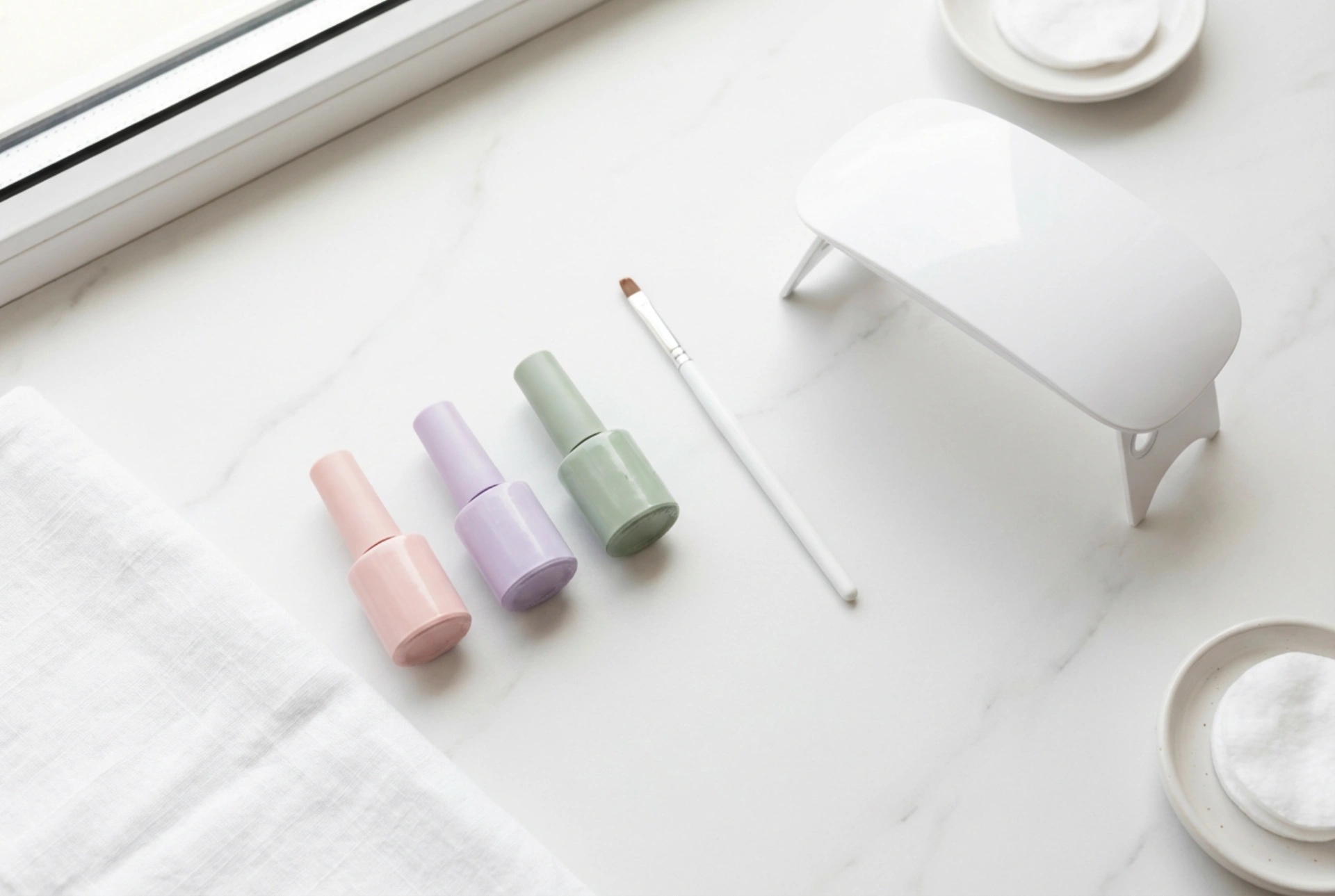


Creating a flawless manicure at home has become a cherished self-care ritual for many. Looking at a beautifully organised flatlay of pastel-coloured gel polish bottles, fine-tipped brushes, and a sleek, minimalist UV lamp inspires a sense of precision and creativity. Hybrid gel manicures offer the perfect compromise between the longevity of traditional gel and the ease of standard nail polish. Achieving a salon-quality finish requires an understanding of how these products work, correct curing methods, and a mindful approach to application.
Understanding hybrid gel and its application
Hybrid gel polish is a unique formulation that combines solvent-based nail polish with liquid gel monomers. This combination allows the product to glide on smoothly while providing a durable, high-gloss finish once cured. To achieve the best results, preparation is key. The nail plate must be gently shaped, and the cuticles pushed back using a wooden stick. Lightly buffing the nail surface removes natural oils, which helps the base coat adhere securely. After cleaning the nails with a specialised prep solution, a thin base coat is applied. This is followed by two thin layers of colour coat and completed with a protective top coat to seal the manicure.
The science of curing: UV versus LED lamps
Unlike traditional air-drying varnishes, hybrid gel requires exposure to light of a specific wavelength to trigger polymerisation. This chemical reaction hardens the liquid gel into a solid, resilient layer. Modern minimalist UV and LED lamps are designed to make this process efficient and safe. LED lamps are highly favoured as they cure gel layers within 30 to 60 seconds, whereas traditional UV lamps may require up to two minutes per layer. It is crucial to follow the recommended curing times for your specific lamp power. Under-curing can leave the gel soft and prone to peeling, while over-curing can make the polish brittle and difficult to remove later.
Common hybrid manicure mistakes and how to avoid them
Even with high-quality tools, certain missteps can compromise the longevity and appearance of your hybrid manicure. Identifying these common errors is the first step towards achieving flawless results.
- Applying coats that are too thick: One of the most frequent errors is applying a heavy layer of colour. Thick layers prevent light from penetrating fully, leading to wrinkling, bubbling, or an incomplete cure beneath the surface. Always opt for thin, even layers.
- Flooding the cuticles: Allowing the product to touch the skin or cuticle area breaks the seal of the manicure. As the nail grows, air and moisture can seep underneath, causing early lifting. Use a fine brush to clean up any excess product before curing.
- Skipping the free edge: Forgetting to seal the tip of the nail (the free edge) with each coat exposes the manicure to daily wear and tear, leading to premature chipping.
- Inadequate nail plate preparation: Leaving dust, moisture, or natural oils on the nail plate prevents proper adhesion, leading to peeling within a few days.
Gentle removal and maintaining nail health
To keep your natural nails strong and healthy, removing hybrid gel polish correctly is just as important as the application. Peeling or scraping off the gel manually strips away the top layers of the natural nail, causing thinning and weakness. Instead, the gel should be gently soaked off using a dedicated cosmetic remover. Wrapping each finger in foil with a soaked cotton pad for about ten to fifteen minutes softens the gel, allowing it to slide off easily with a wooden cuticle stick. Regular application of a nourishing cuticle oil and a rich hand cream afterwards keeps the nails hydrated and resilient.