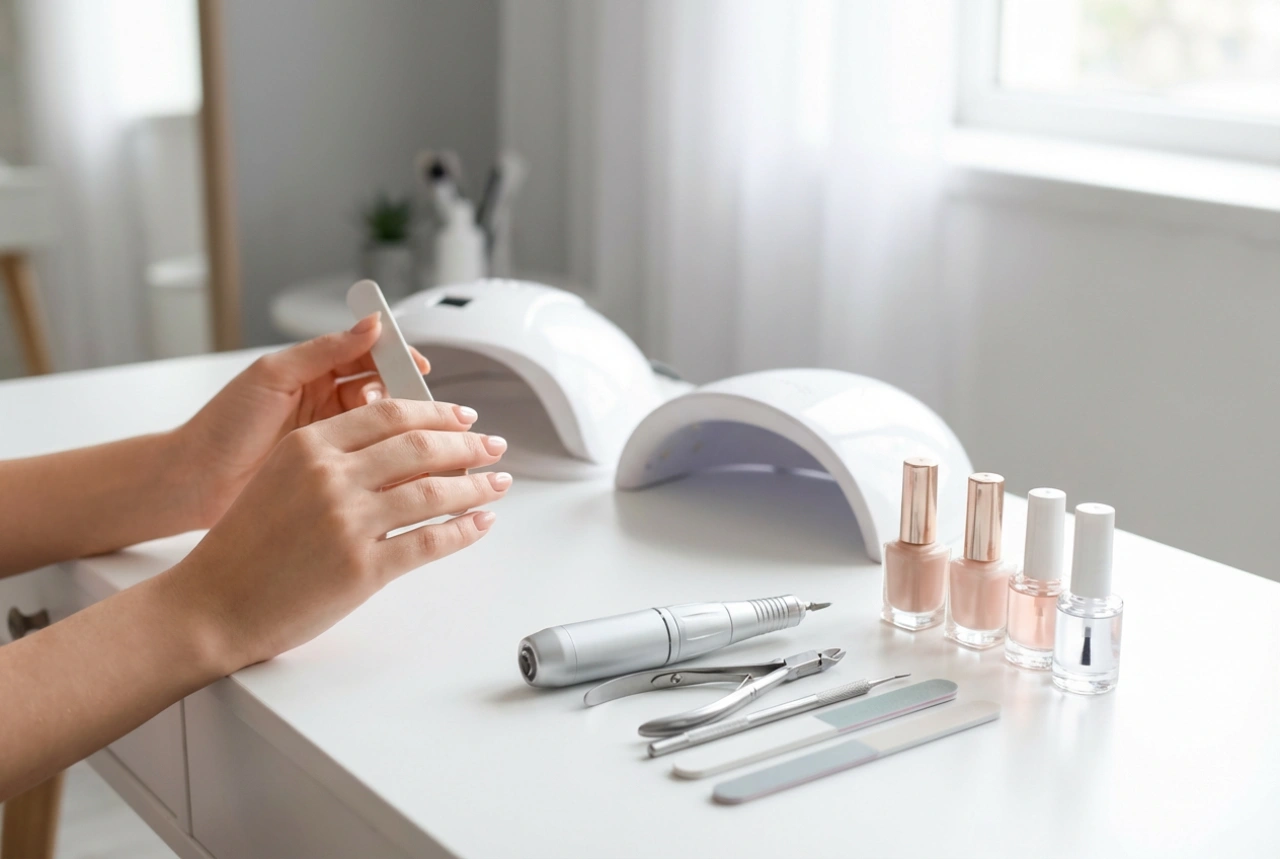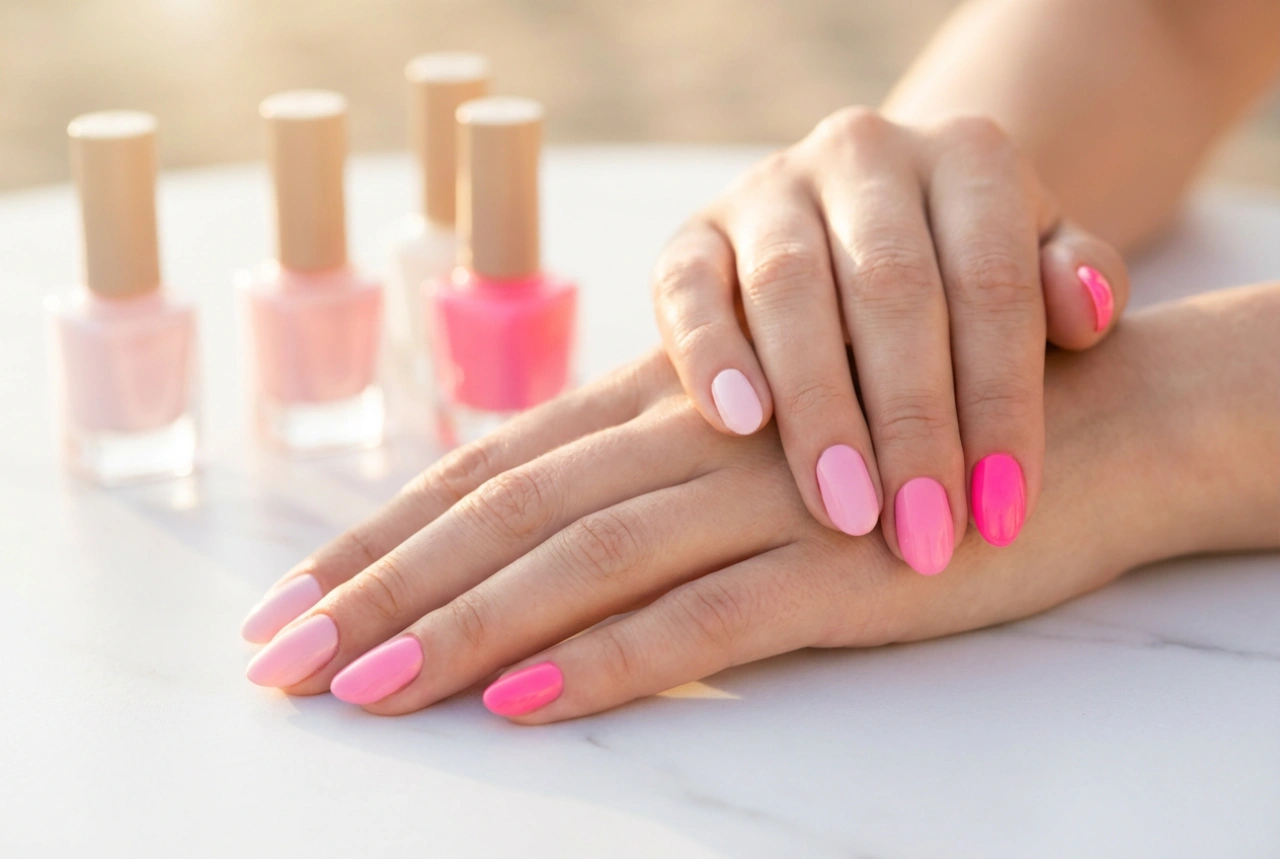


Achieving a neat, professional-looking manicure at home starts with caring for the skin surrounding the nails. Often, dry, overgrown cuticles and hardened skin along the nail folds can detract from the elegance of your hands. Rather than resorting to sharp metal tools or aggressive clipping, which can lead to uneven regrowth and minor skin damage, many beauty enthusiasts turn to cosmetic keratolytics. These gentle, liquid or gel-based solutions are designed to soften and break down dead skin cells, offering a safe, non-invasive alternative for maintaining a pristine nail contour in the comfort of your own home.
Understanding Cosmetic Keratolytics for Nail Care
The term "keratolytic" refers to an agent that helps to shed or soften the outer layer of the skin, known as the stratum corneum. In nail care, cosmetic keratolytics are formulated specifically to target the protein bonds in dead skin cells without harming the healthy tissue underneath. By breaking down keratin—the fibrous protein that makes up both our nails and the outermost layer of our skin—these products make it incredibly easy to sweep away stubborn, dry cuticles and rough skin patches.
Most over-the-counter cuticle removers and softening gels contain mild exfoliating ingredients. These typically include alpha-hydroxy acids (AHAs) like glycolic or lactic acid, or low concentrations of urea and potassium hydroxide. When applied correctly, these ingredients gently dissolve the cohesive forces holding dead cells together, turning tough, dry cuticles into a soft residue that can be effortlessly wiped or pushed away.
The Benefits of Choosing Softening Over Cutting
For years, nipping and cutting cuticles was considered the standard practice in hand care. However, modern nail care philosophies strongly advocate for non-invasive softening methods. Opting for a cosmetic keratolytic offers several key advantages for your personal care routine:
- Prevents uneven regrowth: Cutting cuticles often leads to jagged edges and thicker, rougher skin as it regenerates. Exfoliation ensures a smoother, more uniform appearance.
- Reduces risk of irritation: Sharp tools can easily slip, causing micro-tears in the delicate skin surrounding the nail bed. Liquid exfoliators eliminate this physical risk.
- Saves time: A high-quality softening solution works in just a few minutes, streamlining your home manicure process.
- Promotes healthier nails: The cuticle serves as a natural barrier. Keeping it intact and hydrated, rather than cutting it away completely, protects the nail matrix.
How to Safely Apply a Keratolytic at Home
To achieve the best results without compromising the health of your skin, it is important to follow a methodical and gentle application process. Here is a step-by-step guide to using cuticle dissolvers safely:
Step 1: Preparation
Begin by thoroughly washing your hands with warm water and a mild soap to remove any surface oils, lotions, or dirt. Pat your hands completely dry with a clean towel. Ensure your nails are free of polish if you plan to treat the entire nail plate, though these solutions can also be applied around polished nails.
Step 2: Precise Application
Apply a thin, even layer of the keratolytic solution directly to the cuticles and any hardened skin around the sides of the nails. It is best to work on one hand at a time to ensure the product does not remain on the skin for longer than the recommended duration.
Step 3: Respecting the Timeline
Always read the manufacturer's instructions carefully. Most cosmetic cuticle removers are designed to work quickly, requiring only one to three minutes to soften the skin. Leaving the product on for too long can lead to dryness or mild irritation, so keep a close eye on the clock.
Step 4: Gentle Exfoliation
Once the skin has softened, use a rounded wooden manicure stick or a soft silicone tool to gently push back the cuticles. Avoid using metal pushers with sharp edges, as the softened skin is highly delicate. Use circular, sweeping motions to clear away the dissolved residue from the nail plate.
Step 5: Thorough Rinsing
This is a critical step that should never be skipped. Wash your hands thoroughly with lukewarm water and soap immediately after pushing back the cuticles. This neutralises and removes any remaining active exfoliating agents, preventing them from continuing to act on your skin.
Post-Treatment Care: Restoring Moisture and Balance
After using any exfoliating product, restoring the skin's natural moisture barrier is essential. Keratolytic solutions temporarily alter the pH of the skin and remove surface lipids, which can leave the area vulnerable to dryness if left untreated.
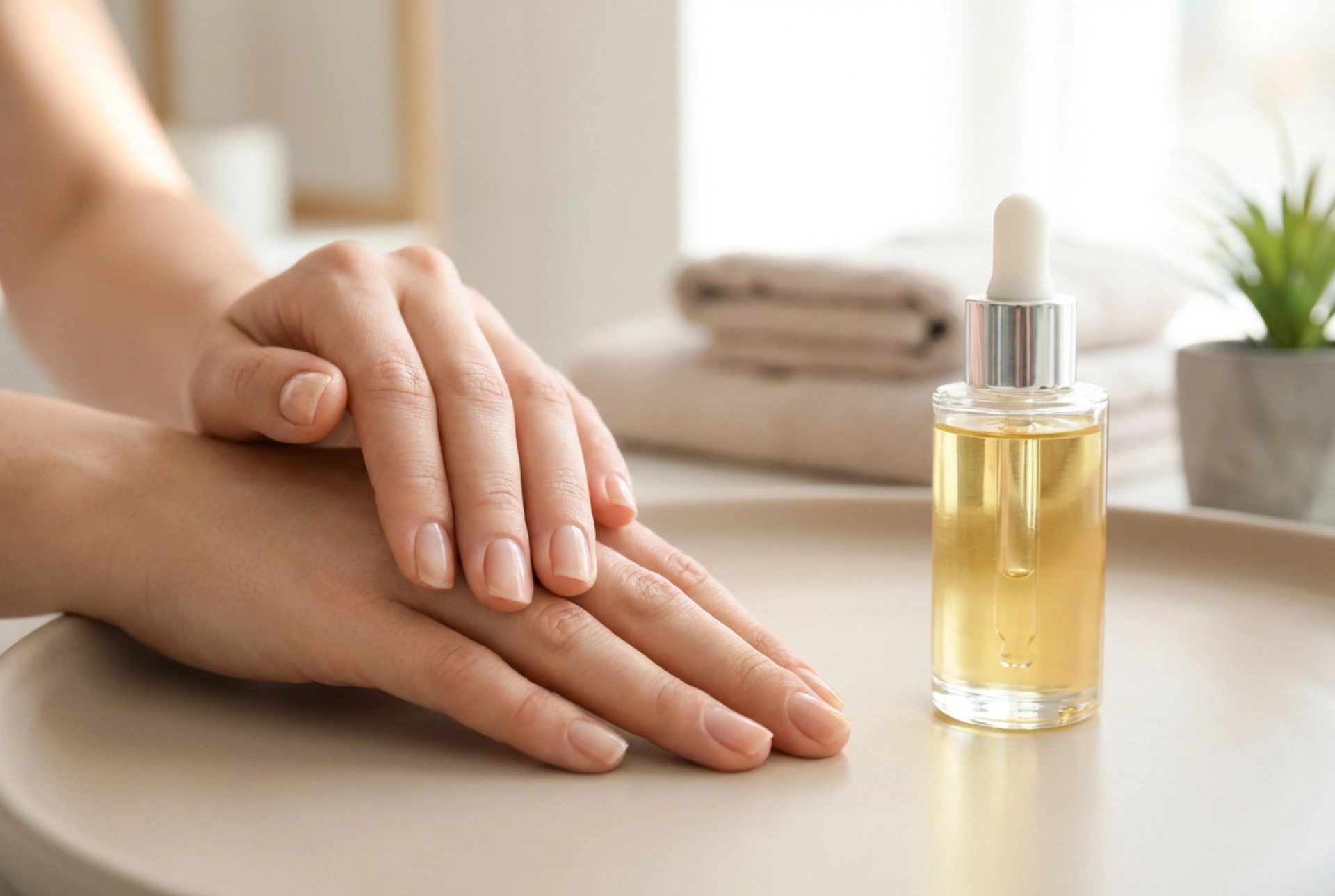
Immediately after washing and drying your hands, apply a generous amount of nourishing nail oil or a rich hand cream. Natural oils such as jojoba oil, sweet almond oil, and argan oil are highly effective because they closely mimic the skin's natural sebum, allowing them to penetrate deeply and lock in hydration. Massaging the oil into the cuticles and the surrounding skin not only stimulates healthy circulation to the nail matrix but also ensures your hands maintain a soft, luminous, and well-groomed finish.
Common Mistakes to Avoid
While cosmetic keratolytics are safe and straightforward to use, avoiding these frequent missteps will keep your hands looking their absolute best:
- Using on broken skin: Never apply exfoliating solutions to hangnails that are bleeding, cracked skin, or any open wounds, as this will cause stinging and irritation.
- Overusing the product: Limit the use of keratolytics to once a week or once every two weeks. Over-exfoliating can thin the skin around the nails, making it sensitive.
- Neglecting hand cream: Exfoliation without subsequent moisturisation can lead to dry, flaky skin, defeating the purpose of the treatment.