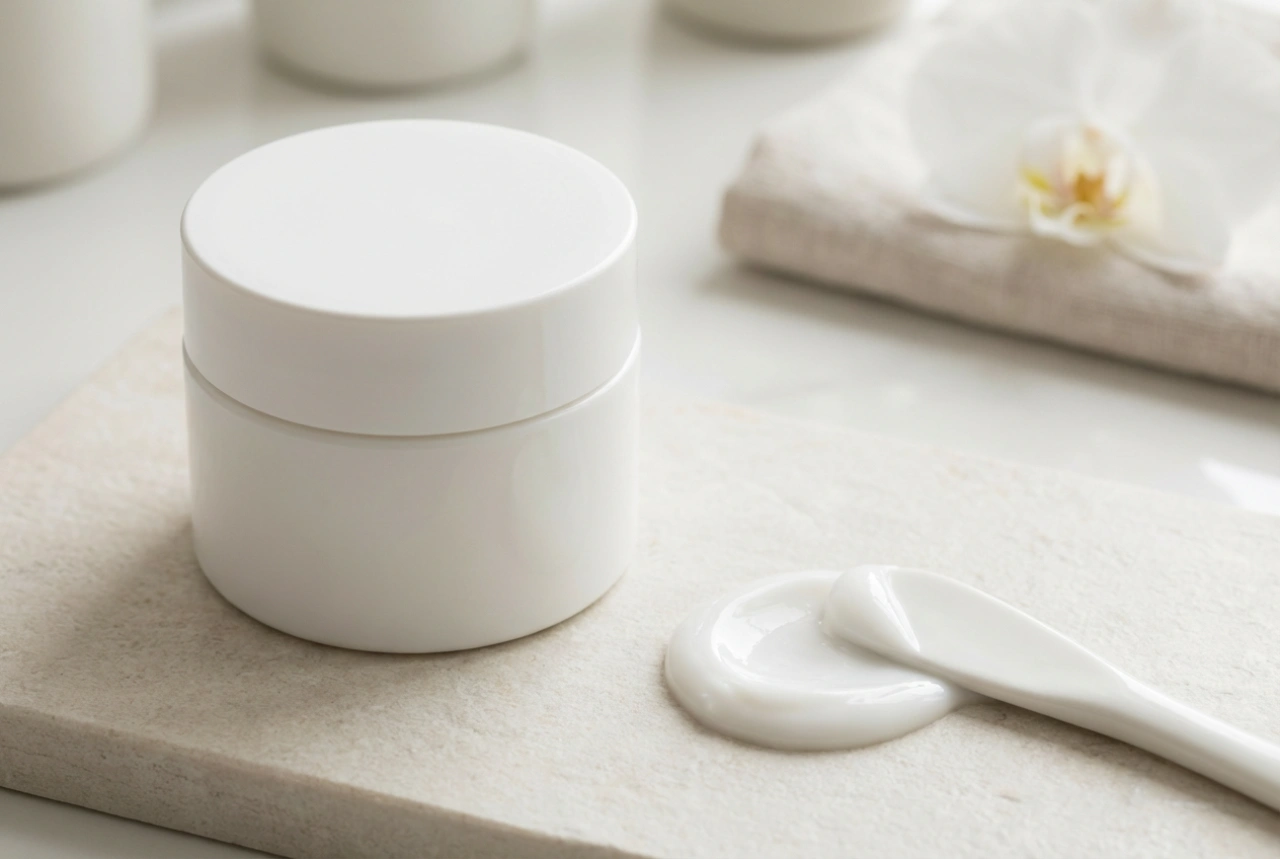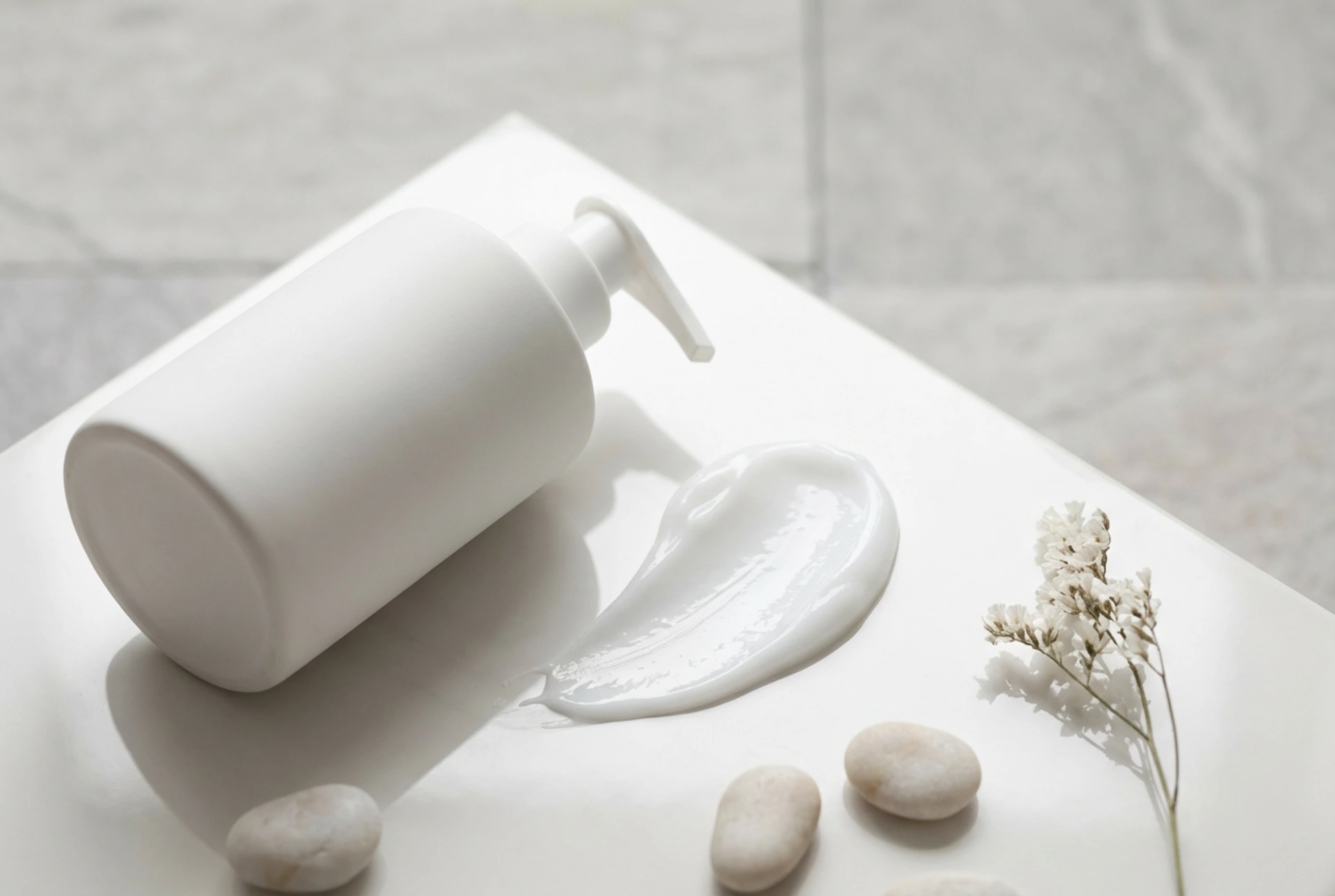


Finding the perfect balance in skincare can often feel like a delicate art, especially when dealing with blemish-prone skin. Many people mistakenly believe that avoiding moisturisation is the key to managing excess shine and imperfections. However, deprivation of moisture can actually compromise the skin's natural barrier, leading to increased irritation and even more sebum production. A lightweight, non-greasy moisturiser, beautifully dispensed in a minimal dose, is essential for maintaining a healthy, balanced complexion. Gentle hydration ensures that the skin remains supple, protected, and calm without clogging the pores.
The Importance of Hydration for Oily and Blemish-Prone Skin
When skin lacks water, it tries to compensate by producing more oil, which can exacerbate the appearance of imperfections. This cycle of dehydration and overproduction of sebum is common when aggressive, drying products are used. Proper hydration helps to reinforce the skin's protective moisture barrier, making it more resilient against environmental aggressors.
By incorporating a dedicated moisturising routine, you support the natural desquamation process—the shedding of dead skin cells. When the skin is adequately hydrated, these cells shed more efficiently, reducing the likelihood of them becoming trapped in pores. Therefore, moisturising is not an optional step for oily or problematic skin; it is a fundamental pillar of daily care.
Choosing the Right Base: Lightweight and Non-Comedogenic Formulations
The texture and base of your skincare products play a vital role in how they interact with your skin. For skin prone to breakouts, heavy creams and thick emollients can feel suffocating and may contribute to congestion. Instead, look for products with lightweight, breathable bases.
- Water-based gels: These formulations offer immediate hydration upon contact, absorbing rapidly without leaving a greasy residue. They feel cooling and refreshing on the skin.
- Emulsions and fluids: Slightly more nourishing than gels, these are ultra-light lotions that provide a delicate balance of moisture and protection, ideal for combination skin types.
- Non-comedogenic labels: Opting for products formulated not to clog pores ensures that the ingredients used have been selected specifically for their lightweight nature.
Key Cosmetic Ingredients for Balanced Hydration
When selecting a moisturiser, reading the ingredient list can help you identify components that support hydration while soothing the skin's surface. Here are some of the most effective, gentle cosmetic ingredients to look out for:
Hyaluronic Acid and Glycerin
These are powerful humectants, meaning they draw moisture from the surrounding environment into the upper layers of the skin. They provide deep hydration without adding any oil, making them perfect for oily and combination skin types. They leave the skin feeling plump and refreshed.
Niacinamide (Vitamin B3)
A versatile cosmetic ingredient known for its ability to improve the appearance of skin texture and tone. Niacinamide helps to strengthen the skin barrier, reduces surface shine, and calms redness, contributing to a more even and balanced complexion.
Squalane
While it is a lipid, squalane is incredibly lightweight and mimics the skin's natural sebum. It provides excellent emollient properties, locking in moisture without feeling heavy or causing congestion. It is highly compatible with blemish-prone skin.
Centella Asiatica and Aloe Vera
These natural extracts are celebrated for their soothing and calming properties. They help to comfort irritated skin, reduce the appearance of redness, and support the skin's natural recovery processes.
The Correct Way to Apply Your Moisturiser
The method of application can significantly influence how well your skin absorbs the product. A gentle, mindful approach prevents unnecessary irritation and ensures even distribution.
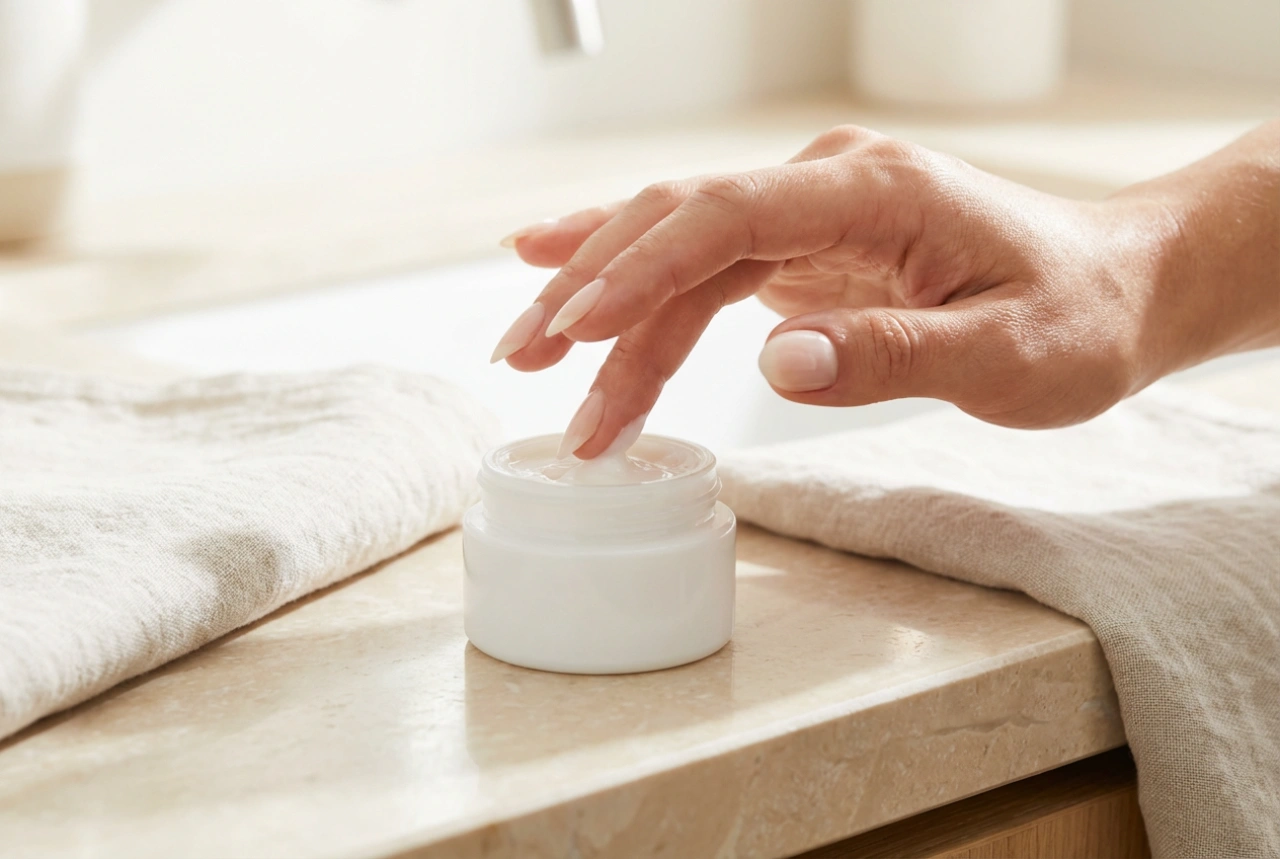
First, always start with a clean face. Apply your lightweight moisturiser while the skin is still slightly damp from toning or washing; this helps to seal in extra moisture. Dispense a pea-sized amount onto your fingertips—using too much product can overload the skin.
Instead of rubbing vigorously, gently pat and sweep the product outward and upward across your face. Focus on drier areas, such as the cheeks, and use any remaining product lightly on the T-zone (forehead, nose, and chin), which naturally produces more oil. This targeted approach prevents overloading areas already prone to shine.
Maintaining Consistency in Your Skincare Routine
Achieving a balanced, healthy-looking complexion requires patience and consistency. Introducing one new product at a time allows you to monitor how your skin responds. By choosing lightweight, non-comedogenic formulas rich in soothing humectants, you can enjoy a fresh, radiant complexion without compromising on comfort or clarity.