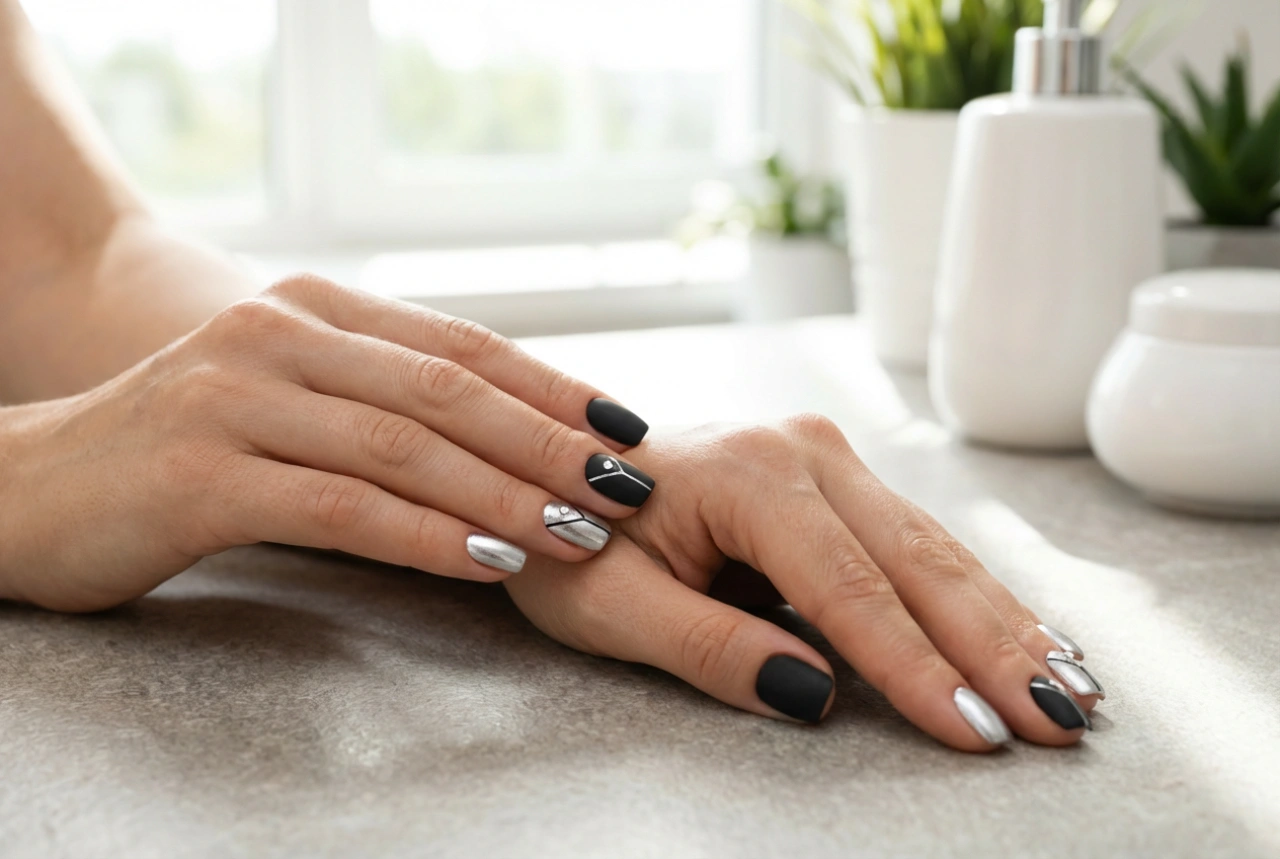


Beautiful, neat hands are a natural showcase for everyone. However, maintaining strong and healthy nails can sometimes be a challenge due to daily exposure to water, detergents, and physical work. In our search for the perfect manicure, we often reach for various nail care products. A delicate, thoughtful care routine using nail conditioners can significantly improve the condition of the plate, restoring its natural shine and resilience. Understanding how these products work and how to apply them correctly is the key to achieving the desired results without causing accidental damage.
The Main Types of Nail Conditioner Formulas
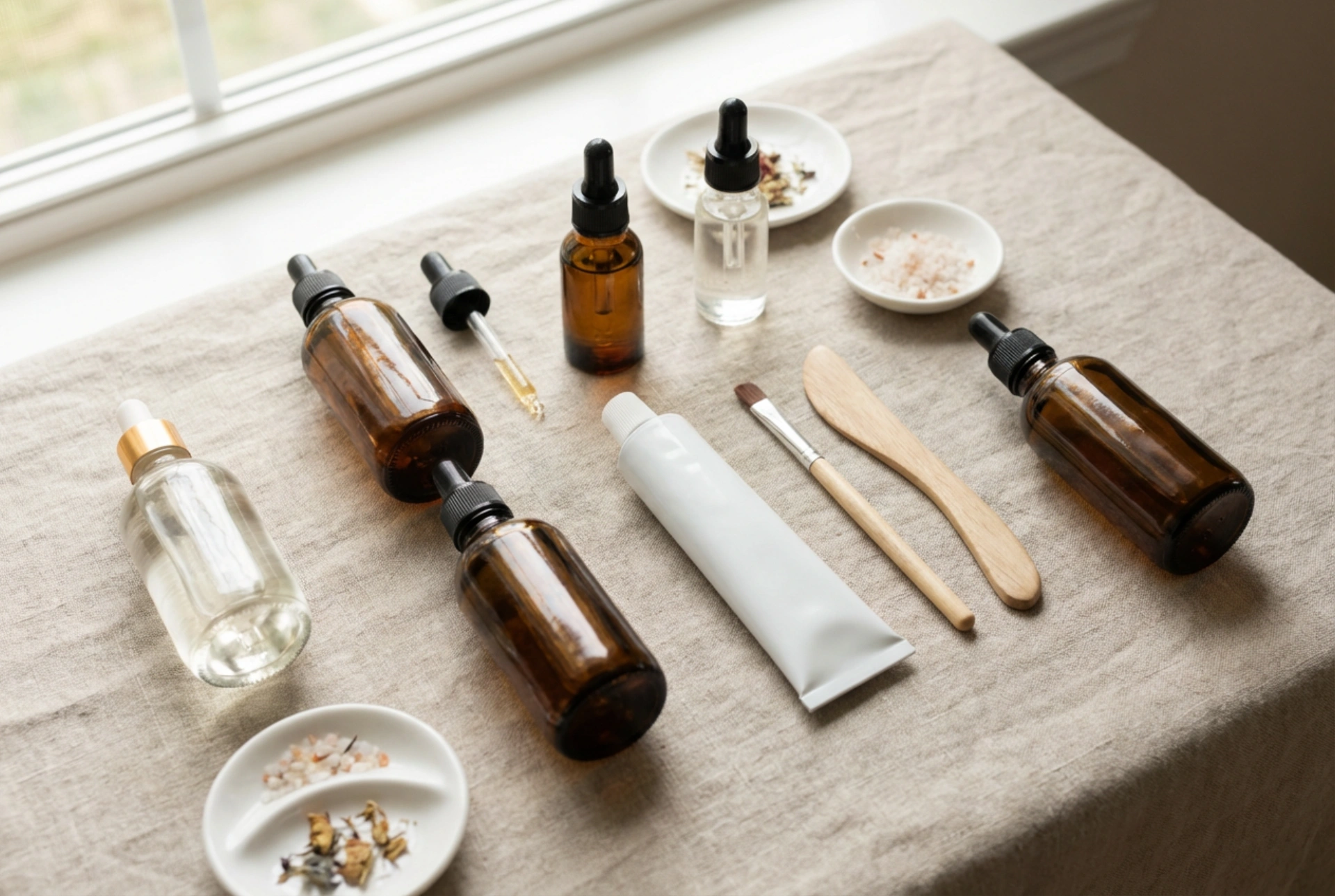
Nail conditioners come in various forms, each designed to target specific issues and support the natural renewal processes of the nail plate. Choosing the right formula depends on your current nail needs and lifestyle. Here are the most common types of over-the-counter nail care formulas:
- Hardening and Strengthening Formulas: These products are designed for soft, thin, and bendy nails. They often contain nourishing proteins and minerals that form a protective shield on the surface of the nail, preventing mechanical damage and splitting.
- Moisturising and Regenerating Oils: Perfect for dry, brittle nails and parched cuticles. Rich in natural plant oils and vitamins, these liquid formulas penetrate deep into the nail matrix, restoring elasticity and preventing the plate from cracking.
- Exfoliating and Smoothing Serums: These water- or gel-based formulas are designed to gently smooth out uneven nail textures and ridges, preparing the plate for further care while delivering essential hydration.
The Most Common Application Mistakes to Avoid
Even the highest quality nail care product will not deliver the expected results if it is applied incorrectly. Many people make simple mistakes during their home manicure routine that can hinder the effectiveness of the treatment or even weaken the nail plate further.
Applying New Layers Without Cleaning the Old Ones
One of the most frequent mistakes is applying subsequent layers of a nail conditioner day after day without removing the previous coatings. While some product instructions recommend adding a new layer daily, it is crucial to wash the entire build-up off after a few days. Leaving too many layers on the nail prevents the plate from breathing and can lead to a buildup of product that becomes brittle and peels off, taking microscopic layers of the natural nail with it.
Neglecting the Cuticles and Nail Matrix
Many users focus solely on the visible nail plate, forgetting that the health of the nail begins under the cuticle, in the nail matrix. Applying conditioner only to the hard part of the nail limit its regenerative potential. To achieve long-term strength, lightweight serums and oils should be massaged gently into the cuticle area and the base of the nail to stimulate healthy growth.
Using Hardening Products on Brittle Nails
It is a common misconception that all weak nails need hardening. If your nails are already dry and brittle, applying a strong hardening conditioner can make them even more rigid, causing them to snap easily under pressure. Dry nails require hydration and flexibility first, which can be achieved through nourishing oils rather than hard, protective shields.
How to Build an Effective Home Nail Care Routine
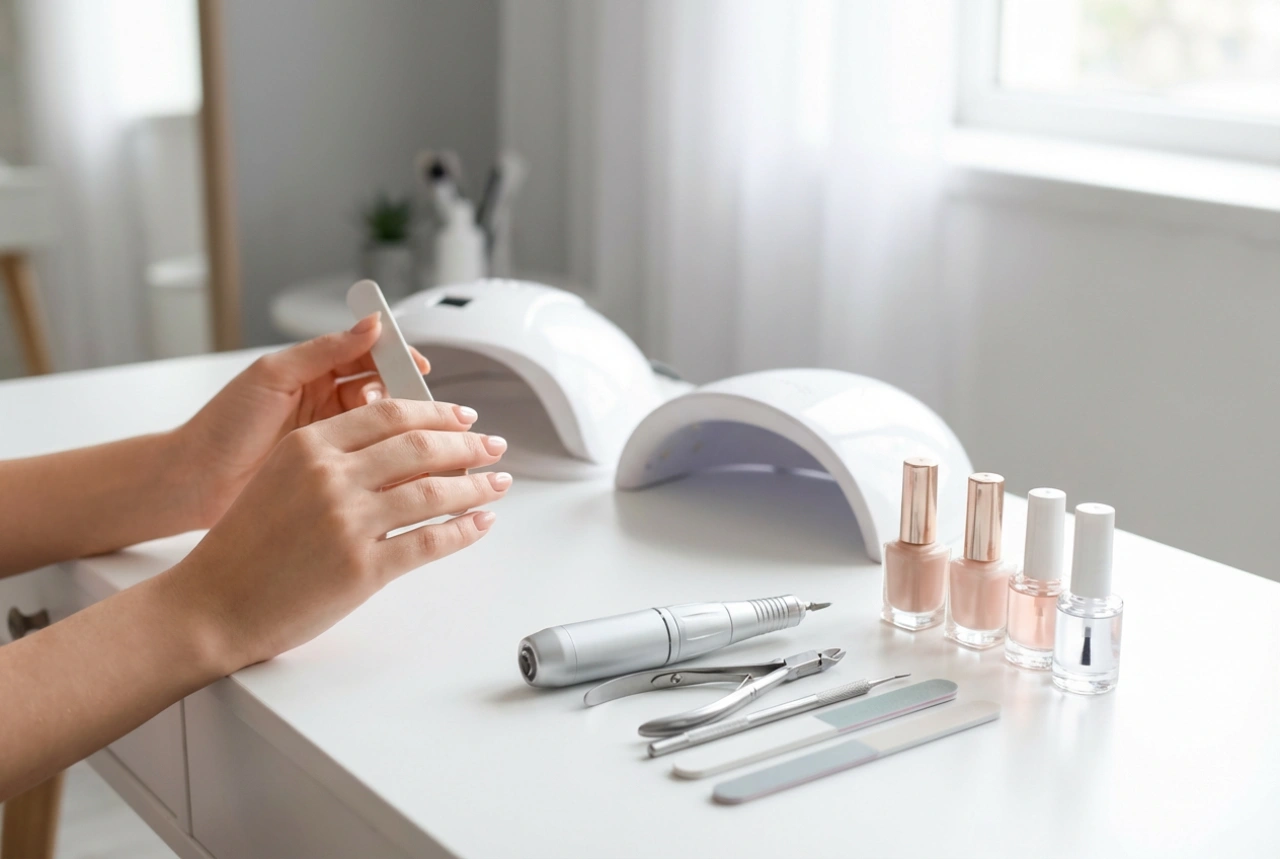
Creating a successful routine does not require professional equipment or complicated steps. Start by thoroughly cleansing your hands and nails with mild, soap-free cleansers. Gently push back your cuticles using a wooden stick after a warm bath, and file your nails in one direction to prevent splitting. When applying your chosen conditioner, ensure the nail plate is completely dry and free from any oily residues. Consistency is the ultimate secret: regular application of lightweight hydrating products yields far better results than occasional, heavy treatments.