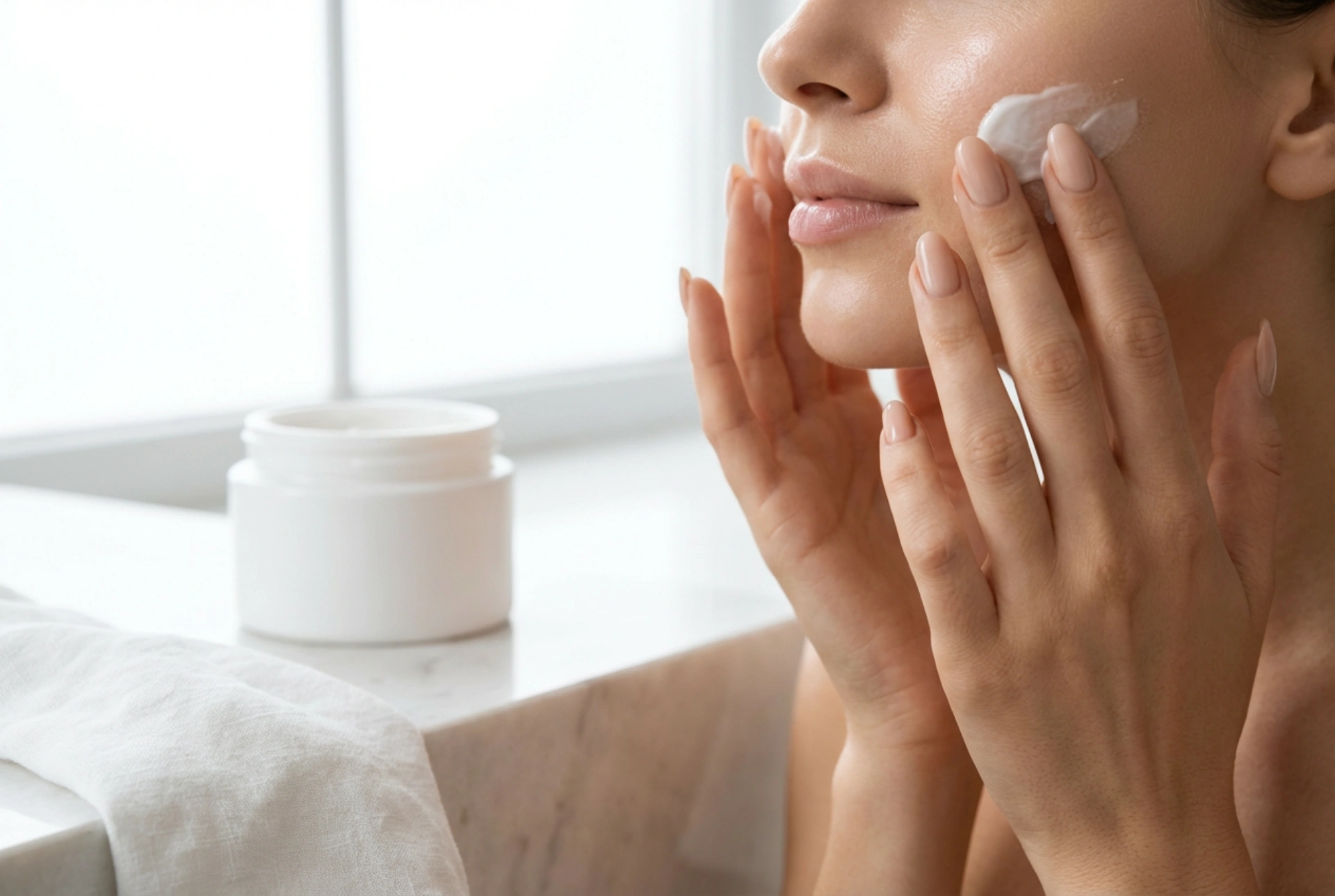


Finding the perfect balance between intense hydration and a clear, radiant complexion is one of the most common challenges in daily skin care. When applying a rich, nourishing cream, the hands gently patting the product into the skin can feel like a luxurious ritual, but without the right approach, heavy textures may lead to clogged pores. Understanding how to select, apply, and seal in these formulas is key to maintaining a healthy, glowing appearance without compromising skin clarity.
The mechanism of rich moisturizers and skin clogging
To effectively use rich moisturizing creams, it is essential to understand how they work on the skin barrier. These products typically combine humectants, which draw water into the skin, with emollients and occlusives, which create a protective layer to prevent moisture loss. While this protective shield is excellent for dry or dehydrated skin, it can sometimes trap excess sebum, dead skin cells, and impurities if the skin is not prepared correctly or if the product composition is too heavy for your specific skin type.
Clogging, often referred to as comedogenicity, is not solely caused by a single ingredient but rather by how an entire formula interacts with your unique sebum production. When thick creams sit on top of accumulated impurities, they create an environment where pores can easily become congested. Therefore, the secret lies in preparation and application techniques rather than avoiding rich textures altogether.
How to prepare the skin for rich creams
Proper skin preparation is the most effective safeguard against clogged pores. Before any heavy cream touches your face, the surface must be thoroughly cleansed and lightly exfoliated to ensure there are no barriers preventing proper absorption.
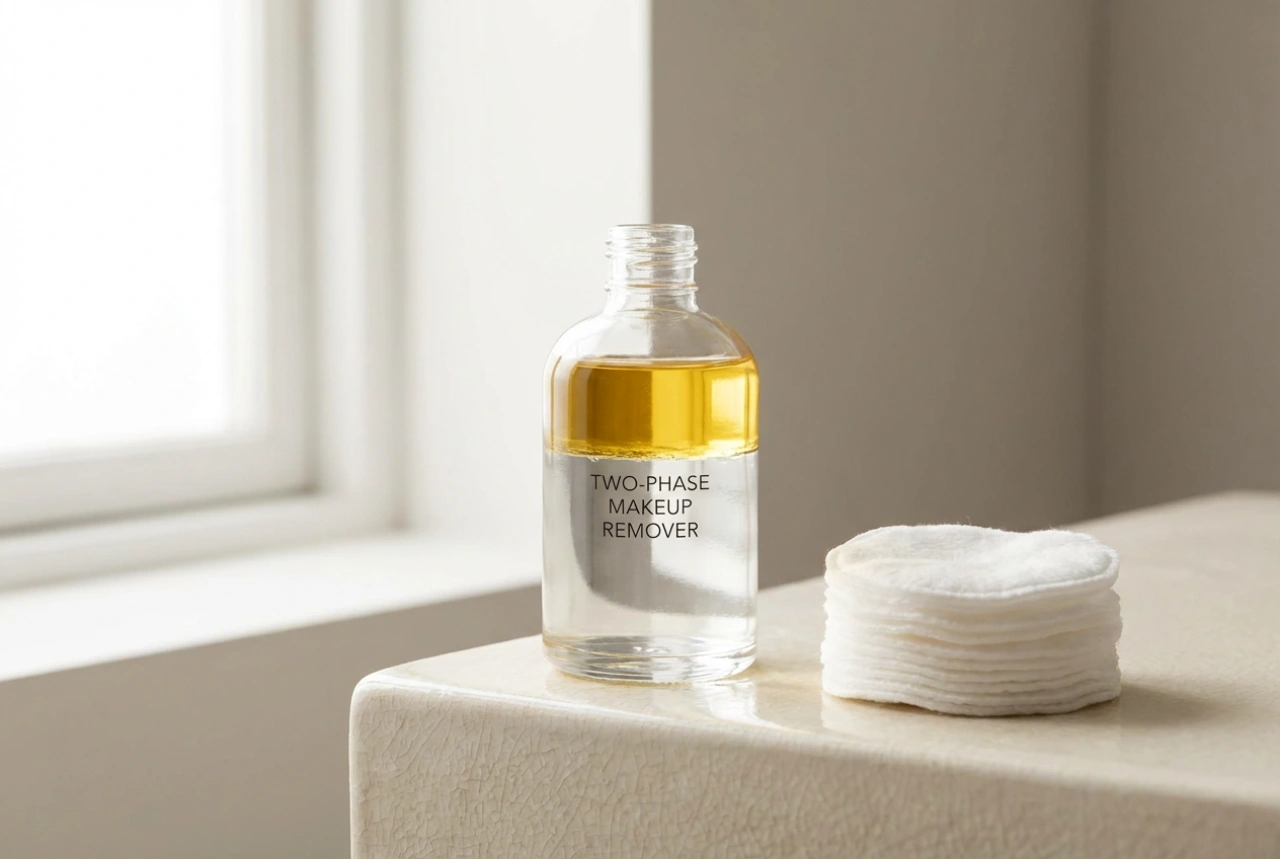
- Double cleansing: Use a gentle, oil-based cleanser followed by a water-based foaming gel to remove all traces of impurities, sunscreen, and excess sebum.
- Gentle exfoliation: Regularly removing dead skin cells with mild, non-abrasive formulas ensures that the moisturizing cream can penetrate effectively instead of sitting on a layer of dry skin.
- Hydrating toners: Applying a lightweight, watery toner or serum beforehand dampens the skin, allowing you to use less of the heavy cream while achieving better spreading and absorption.
The art of locking in moisture
Domykanie pielęgnacji, or locking in your skin care, is the practice of sealing in lightweight, hydrating layers with a more occlusive product. This technique ensures that water does not evaporate from the epidermis throughout the day or night. To do this successfully without overloading the skin, application technique is everything.
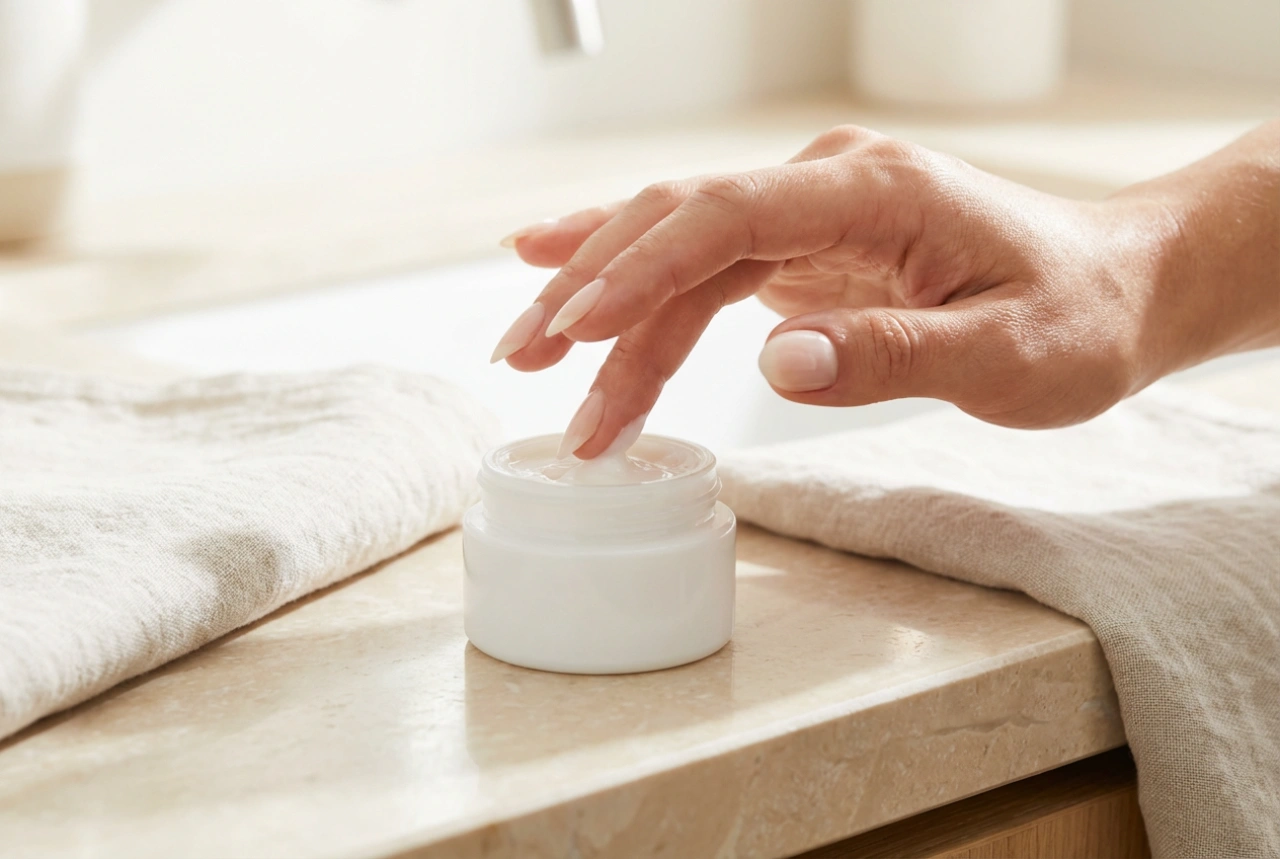
Instead of rubbing a large amount of thick cream directly onto the face, take a small, pea-sized amount and warm it between your fingertips. Gently pat the cream into the skin rather than dragging it. Patting encourages even distribution and helps the formula melt into the skin barrier seamlessly, leaving a natural, healthy glow rather than a heavy, greasy film.
Tailoring the routine to your skin needs
A rich cream does not have to be used in the same way every day. Adjusting your application based on environmental factors and your skin's daily condition can prevent congestion. For instance, you might choose to apply a rich cream only to drier areas like the cheeks while keeping the T-zone lighter, or save the richest formulas exclusively for your nighttime routine when the skin undergoes its natural regeneration process.