

A hydrating face mask is a cornerstone of any effective skincare routine, acting as an instant moisture boost for tired, dehydrated skin. The ritual of preparing and applying a rich, creamy mask offers a moment of serenity and self-care in a busy schedule. Understanding how to select the right ingredients and master the application technique can transform a simple step into a highly effective beauty ritual that leaves the skin looking plump, radiant, and deeply refreshed.
Key Hydrating Ingredients to Look For
When selecting a hydrating face mask, the secret to success lies in the ingredient list. Effective formulations combine humectants, which draw water into the skin, with emollients that seal that moisture in. Here are some of the most beneficial non-medical ingredients to look for in your skincare products:
- Hyaluronic Acid: A powerful humectant that can hold many times its weight in water, helping to instantly plump the skin surface.
- Glycerin: A classic, reliable ingredient that attracts moisture from the air and deeper layers of the skin to the outermost layer.
- Aloe Vera: Known for its soothing and cooling properties, it provides lightweight hydration perfect for all skin types.
- Plant Oils and Butters: Ingredients like shea butter, jojoba oil, or avocado oil help to nourish the skin barrier and prevent moisture loss.
Choosing the Right Texture
Hydrating masks come in various textures, from lightweight gels to rich, buttery creams. Gel masks are often preferred for oily or combination skin because they feel cooling and weightless. Rich cream masks, on the other hand, are ideal for dry or mature skin types that require extra nourishment and barrier support.
How to Apply a Hydrating Face Mask Correctly
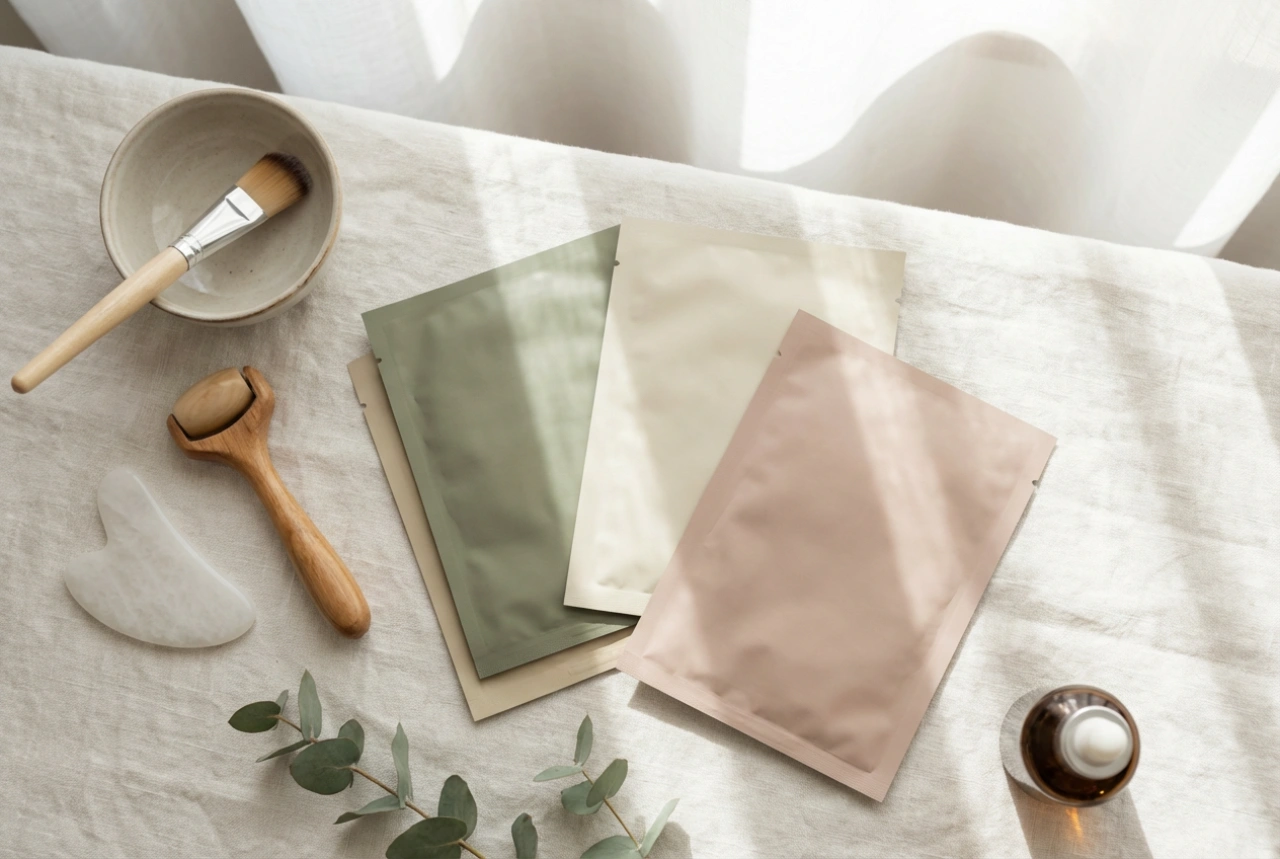
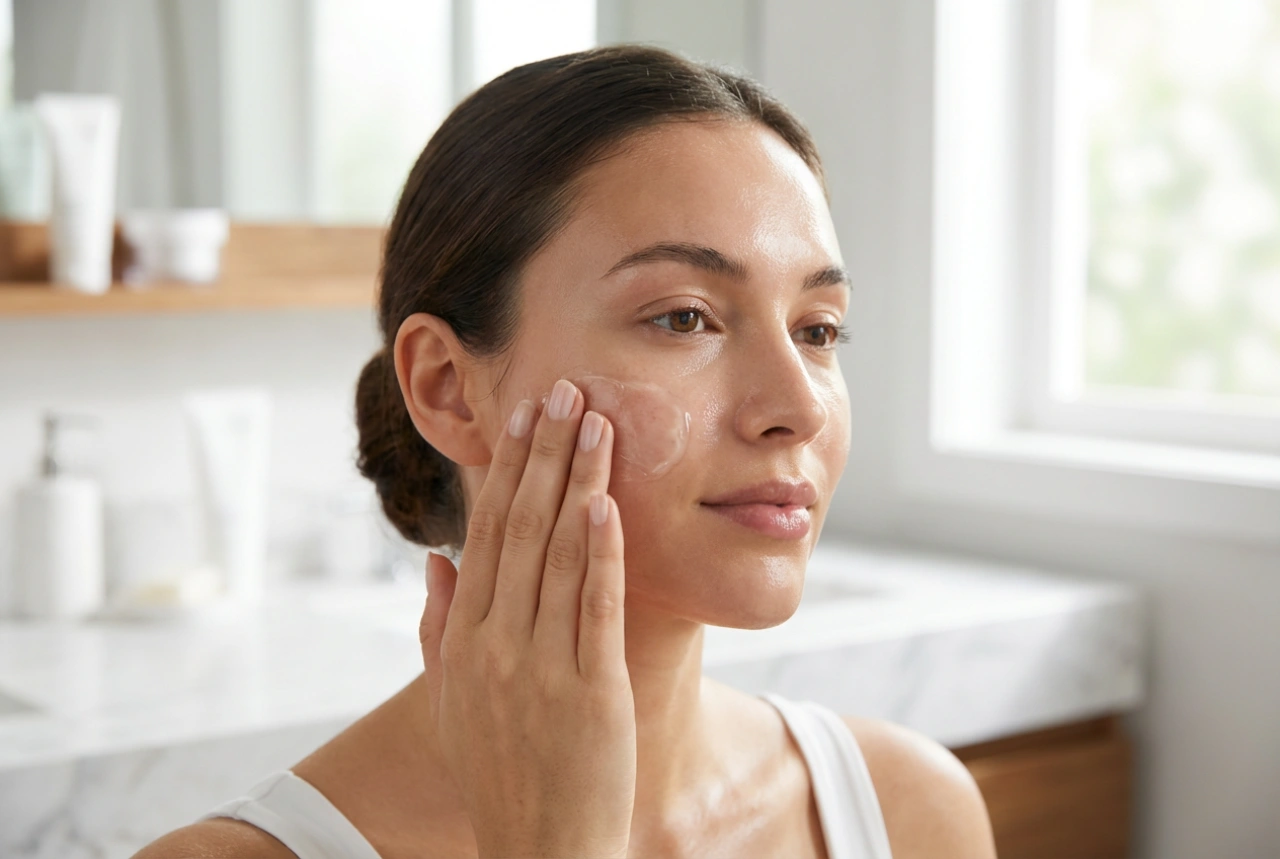
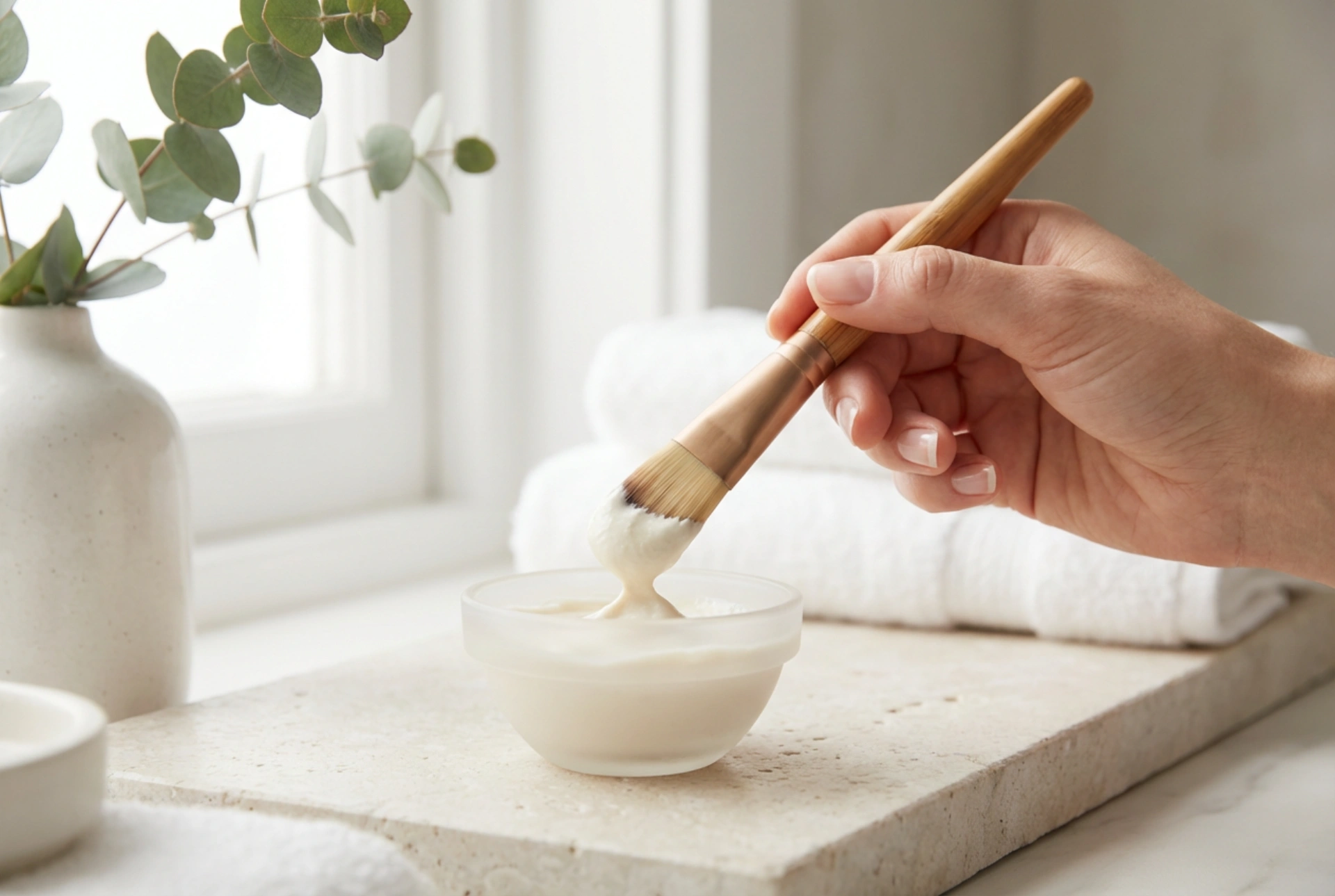
To get the most out of your hydrating mask, the application process should be deliberate and hygienic. Start with thoroughly cleansed skin to ensure there are no barriers preventing the active ingredients from absorbing. Using a dedicated cosmetic brush, gently scoop the creamy mask from its container. Applying the mask with a brush not only feels luxurious but also ensures an even distribution of the product and prevents the transfer of natural oils from your fingers to your face.
Spread a generous, even layer over your face and neck, avoiding the sensitive area immediately around the eyes and lips unless the product is specifically formulated for those zones. Take this time to relax for ten to fifteen minutes, allowing the skin to drink in the moisture under soft, natural light.
The Art of Gentle Removal
How you remove your face mask is just as important as how you apply it. Rough scrubbing can irritate the skin and undo the benefits of the hydrating ingredients. Instead, opt for a gentle removal method that respects the skin barrier:
- Lukewarm Water: Always use lukewarm water, as hot water can strip the skin of its natural oils and lead to dryness.
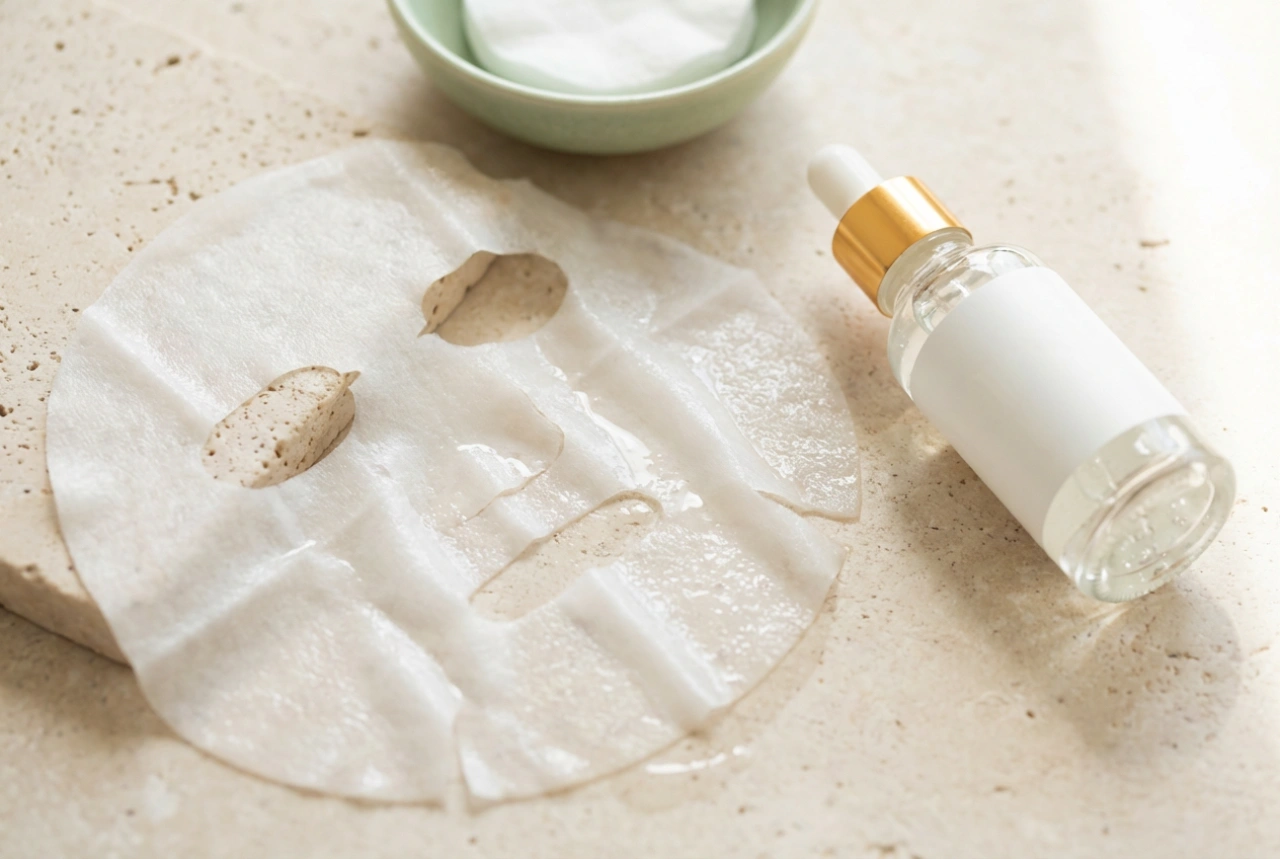
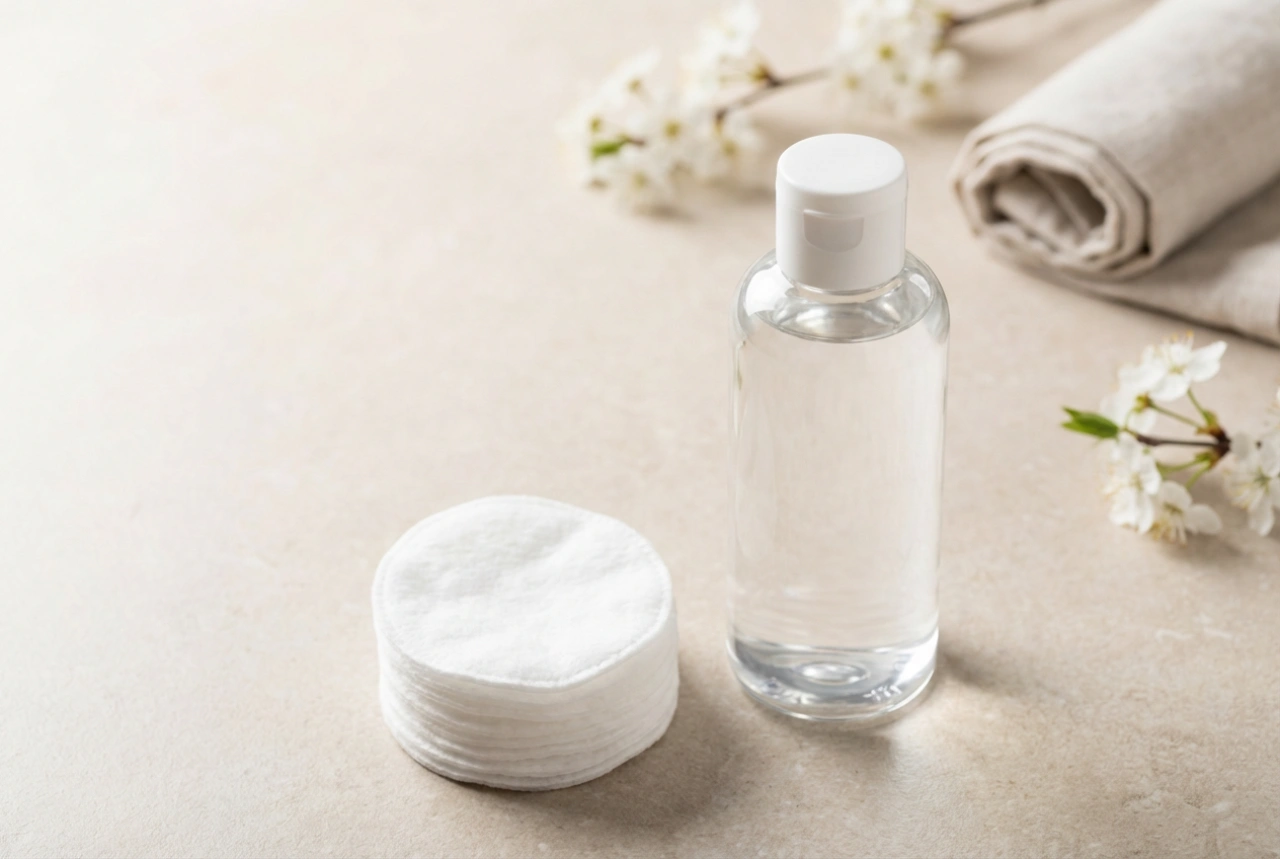
- Soft Cloth: Moisten a soft microfiber cloth or cotton pad and gently wipe away the excess product using upward strokes.
- Splash and Pat: Alternatively, splash your face with water to loosen the cream, then gently pat your skin dry with a clean, soft towel.
Post-Mask Care for Lasting Hydration
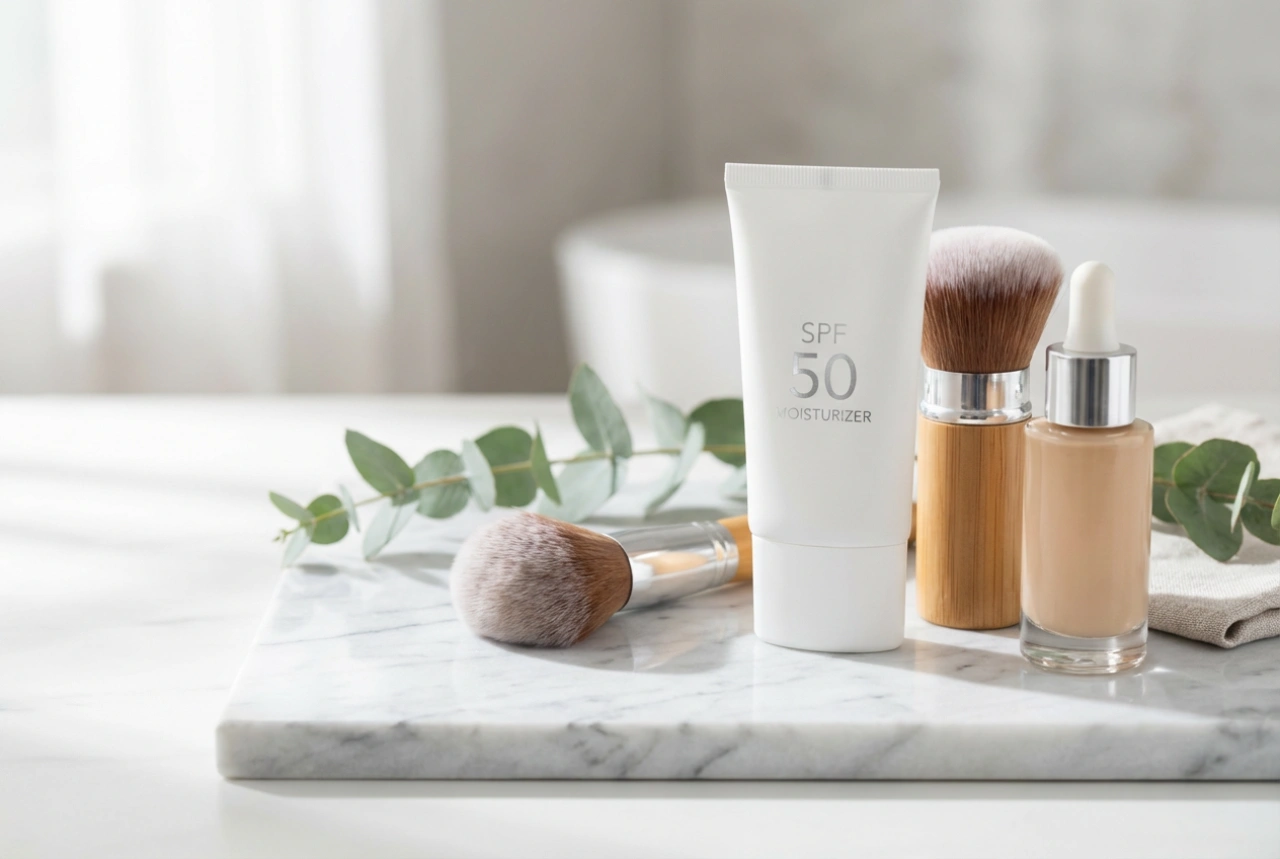
Once the mask is removed, your skin will be soft and receptive to further care. To lock in the newly acquired hydration, immediately follow up with your favorite gentle toner and a lock-in moisturizer. Applying a cream right after washing your face seals the moisture into the skin barrier, ensuring your complexion remains luminous, smooth, and deeply hydrated throughout the day.